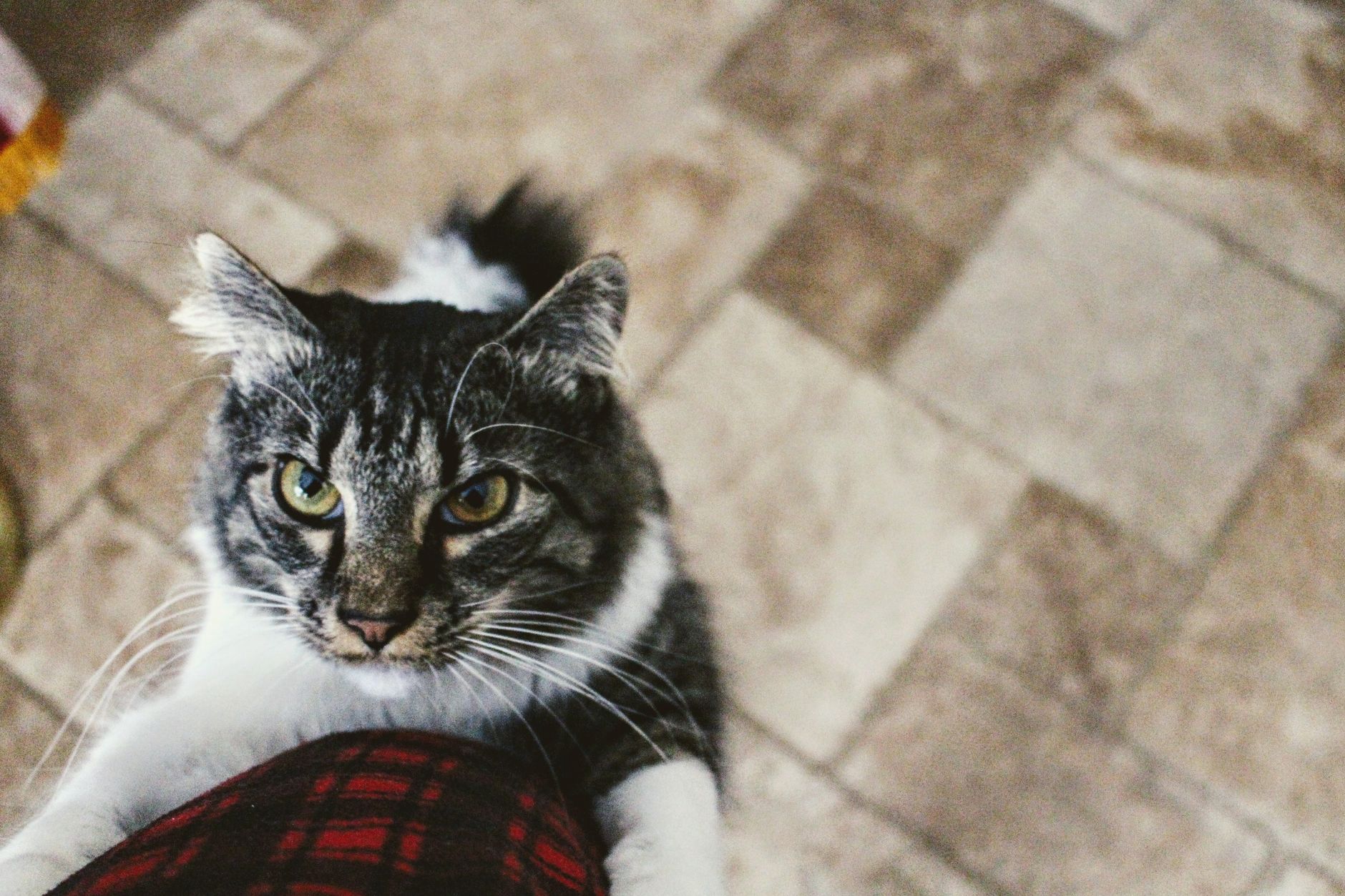
Cats have an uncanny ability to appear in the most unexpected places, and among the most disruptive scenarios is when a feline somehow finds its way into a live performance venue. When this happens—whether in a theater, concert hall, or other public space with an audience—the cat’s behavior is typically driven by fear, confusion, or a desperate search for escape. A cat loose in a ballet theater would likely be overwhelmed by bright stage lights, loud music, the movements of performers, and the scent of unfamiliar humans. Rather than intentionally causing mischief, the cat would be in survival mode, reacting to what feels like a threatening environment with increasingly frantic behavior. Such incidents reveal fundamental truths about cat behavior that every owner should understand.
Cats are creatures of routine and territorial security. When removed from their known environment—especially suddenly and without warning—they don’t explore or play. They panic. The very behaviors we find amusing or entertaining when we watch a cat video are actually signs of stress: the sudden direction changes, the startled leaps, the wide eyes, the low crouch. In a performance setting where silence and stillness are expected, a frightened cat becomes an unavoidable distraction, not because it wants attention, but because its nervous system is overwhelmed.
Table of Contents
- How Do Cats End Up in Unlikely Public Spaces?
- Understanding Stressed Cat Behavior in Chaotic Environments
- The Sensory Overload Factor in Performance Venues
- Prevention: Securing Your Cat to Avoid These Situations
- The Physical and Psychological Dangers to an Escaped Cat
- What Venues Should Do When a Cat Appears
- Recognizing and Responding to a Lost Cat’s Behavior
- Frequently Asked Questions
How Do Cats End Up in Unlikely Public Spaces?
Most cats don’t deliberately venture into theaters or crowded venues. They get there through a chain of accidents: an open door at home, a tear in a screen, a moment when an owner wasn’t paying attention during a quick departure. Once outdoors, many indoor cats are disoriented and follow sounds, smells, or movement without understanding where they’re going. An open stage door, a propped window, or even a gap in a loading area can draw a frightened cat inside, where the acoustics and lighting make the space seem even more chaotic. Some cats are abandoned or lost and spend days wandering before finding shelter in a building.
Others escape during transport to veterinary appointments or boarding facilities. The common thread is that these are always unplanned situations. Unlike dogs, which might actively seek out crowds or entertainment, cats view public spaces as dangers to be escaped. A cat in a theater is almost certainly there by accident, driven by either the need to hide or the need to find a way out. The progression is typically swift: a cat enters an unfamiliar space, realizes it’s not safe, and begins searching for an exit while simultaneously trying to avoid detection. Once on stage under lights, with music blaring and movement everywhere, the cat’s instinct is to run or hide—not to settle down or investigate the art form happening around it.
Understanding Stressed Cat Behavior in Chaotic Environments
When a cat is placed in an unpredictable, high-stimulation environment—like a live performance with hundreds of people, sudden light changes, and loud sounds—it exhibits several predictable stress responses. The cat’s pupils dilate, its body lowers to the ground, and it may freeze momentarily before bolting. If cornered, it might hiss, swat, or bite, not out of aggression but out of fear. These responses aren’t a reflection of the cat’s personality or training; they’re hardwired survival instincts. The problem with a cat loose during a ballet or similar performance is that the cat’s stress behaviors directly interfere with the performance itself.
A cat running across the stage disrupts sight lines, creates liability concerns, and can potentially injure itself or a performer. The bright stage lights can cause temporary vision problems, disorienting the cat further. The sudden movements of dancers might seem like predatory action to the frightened cat, triggering an escalation of panic responses. One critical limitation of trying to “catch” a stressed cat in a public setting is that aggressive pursuit makes everything worse. A scared cat will run faster, hide more effectively, or become aggressive if cornered. Professional handlers understand this—the goal becomes creating a safe exit route and letting the cat choose to move away from the chaos, rather than chasing it into deeper panic.
The Sensory Overload Factor in Performance Venues
Cats navigate the world primarily through their senses: sight, smell, hearing, and touch. A ballet theater assaults all of these at once. The stage lights are far brighter than anything a house cat typically experiences, potentially causing discomfort. The music, especially if amplified, is loud and unpredictable—a cat’s hearing is more sensitive than human hearing, particularly in the upper frequency ranges where instruments like violins produce sound.
The combination of unfamiliar scents (hundreds of people, costume materials, stage equipment, cleaning chemicals) and sudden movement creates a sensory profile that a cat’s brain interprets as dangerous. Unlike humans, who can rationalize that a theater is safe because we understand its purpose, a cat has no framework for this interpretation. Every element signals “this place is wrong” and “I need to leave now.” Outdoor environments, even busy ones, are less overwhelming to cats because the stimuli are spread out and the cat can move freely. An indoor performance venue provides no escape route visible to the panicked cat, which compounds the stress response. The cat doesn’t know there are doors on the other side of the stage or that safety exists outside the building.
Prevention: Securing Your Cat to Avoid These Situations
The best response to the scenario of a cat disrupting a public event is preventing it from happening in the first place. Cat owners must treat containment as a non-negotiable responsibility. This means ensuring screens are intact, doors close securely, and cats don’t have access to areas where doors open to the outside. If your cat has ever shown interest in doorways or windows, install a secondary barrier—a baby gate in a hallway, for instance—so that even if a door is opened, the cat must pass through multiple barriers to escape. For owners who transport cats to grooming appointments, vet visits, or boarding, use carriers that close securely and check them for damage before placing the cat inside.
Never carry a cat loose in a car or set a carrier down in a public space without ensuring the door is latched. The cost of replacing a damaged screen or adding a secure carrier is minimal compared to the trauma and risk of a lost cat. Indoor cats have longer lifespans and lower stress levels than outdoor cats, primarily because they’re protected from the overwhelming sensory chaos of the outside world. Keeping a cat indoors is both safer for the cat and safer for public spaces. For owners who want to provide outdoor experience, catios (enclosed patios), window perches, and leash training offer controlled alternatives.
The Physical and Psychological Dangers to an Escaped Cat
When a cat ends up in a public venue like a theater, it faces multiple dangers beyond the immediate stress. Performers might accidentally step on the cat or injure it while attempting to move it. The cat might panic and run toward a stage light, causing a burn, or crash into equipment and suffer traumatic injury. The psychological impact is equally serious. A cat that experiences this level of panic may develop long-term anxiety and fear responses.
If it manages to escape the building, it’s now lost in an unfamiliar area, terrified, and much less likely to approach people who might help it find its way home. Studies on cat behavior show that traumatized cats often become more aggressive, more withdrawn, or develop inappropriate elimination behaviors—peeing outside the litter box—for months or years afterward. The brief moment of disruption at a ballet can have consequences that persist for the rest of the cat’s life. Additionally, a cat loose in a performance venue has no access to water, food, or shelter. Even a short period of several hours can be dangerous for a cat in active panic, as stress elevates heart rate and blood pressure to potentially harmful levels.
What Venues Should Do When a Cat Appears
Performance venues and public spaces need protocols for handling animals on premises. The worst approach is chasing the cat with a broom or attempting to corner it. This intensifies panic and wastes time. The better approach is clearing the area of people, opening exits, and allowing the cat an opportunity to move toward safety voluntarily.
Some venues keep humane traps available and contact local animal control or rescue organizations who have experience with frightened animals. Professional animal handlers understand that a scared cat needs to feel that the path to safety is clear and accessible. This might mean turning off some stage lights, closing certain doors, and creating a quiet route. It’s slower than immediately continuing the performance, but it’s the only approach that doesn’t risk injury to the cat or further disruption.
Recognizing and Responding to a Lost Cat’s Behavior
If your cat goes missing, understanding how a frightened cat behaves increases the likelihood of recovery. A cat that has escaped to an unfamiliar area will typically hide rather than wander openly. It will remain close to the escape point if possible, often within a few buildings or blocks. Searching at dawn and dusk, when the area is quieter and the cat is more likely to respond to familiar sounds, is more effective than searching during busy times.
Cats don’t respond to their names the way dogs do, so calling your cat won’t help. Instead, post notices, contact local shelters, and check hiding spots—under porches, in sheds, behind dumpsters. If your cat has been missing for several days and is extremely stressed, it may have moved to a completely hidden location and remain there for weeks. Multiple confirmed cases of cats being found after 60-80 days in places they were hiding the entire time illustrate that patience and persistent checking of confined spaces matter more than frantic searching.
- —
Frequently Asked Questions
Why would a cat end up on a theater stage?
Cats typically reach public venues accidentally through open doors or damaged screens. Once inside an unfamiliar, high-stimulation space, they panic and may dash across visible areas like a stage while searching for an exit.
How should performers react if a cat appears during a show?
The best response is to stop the immediate action and provide the cat with a clear, quiet exit route. Chasing or cornering the cat will escalate its panic and may cause injury.
Is the cat’s behavior intentional disruption?
No. Cats don’t understand performance venues. The behavior is purely stress-driven—the cat is attempting to escape perceived danger, not seeking attention.
What happens to a cat after this kind of trauma?
Many cats develop lasting anxiety, fear responses, and behavioral problems. Some become more aggressive or develop litter box issues. The psychological impact can persist for months or years.
How can I prevent my cat from escaping?
Install secure screens, repair any gaps in doors and windows, use secure carriers for transport, and consider keeping your cat exclusively indoors or providing an enclosed catio for outdoor access.
What should I do if my cat is lost after escaping?
Search hiding spots near your home, especially at dawn and dusk. Contact local shelters and rescues. Post notices. Many lost cats hide rather than wander and may be found weeks later after being missing for days.