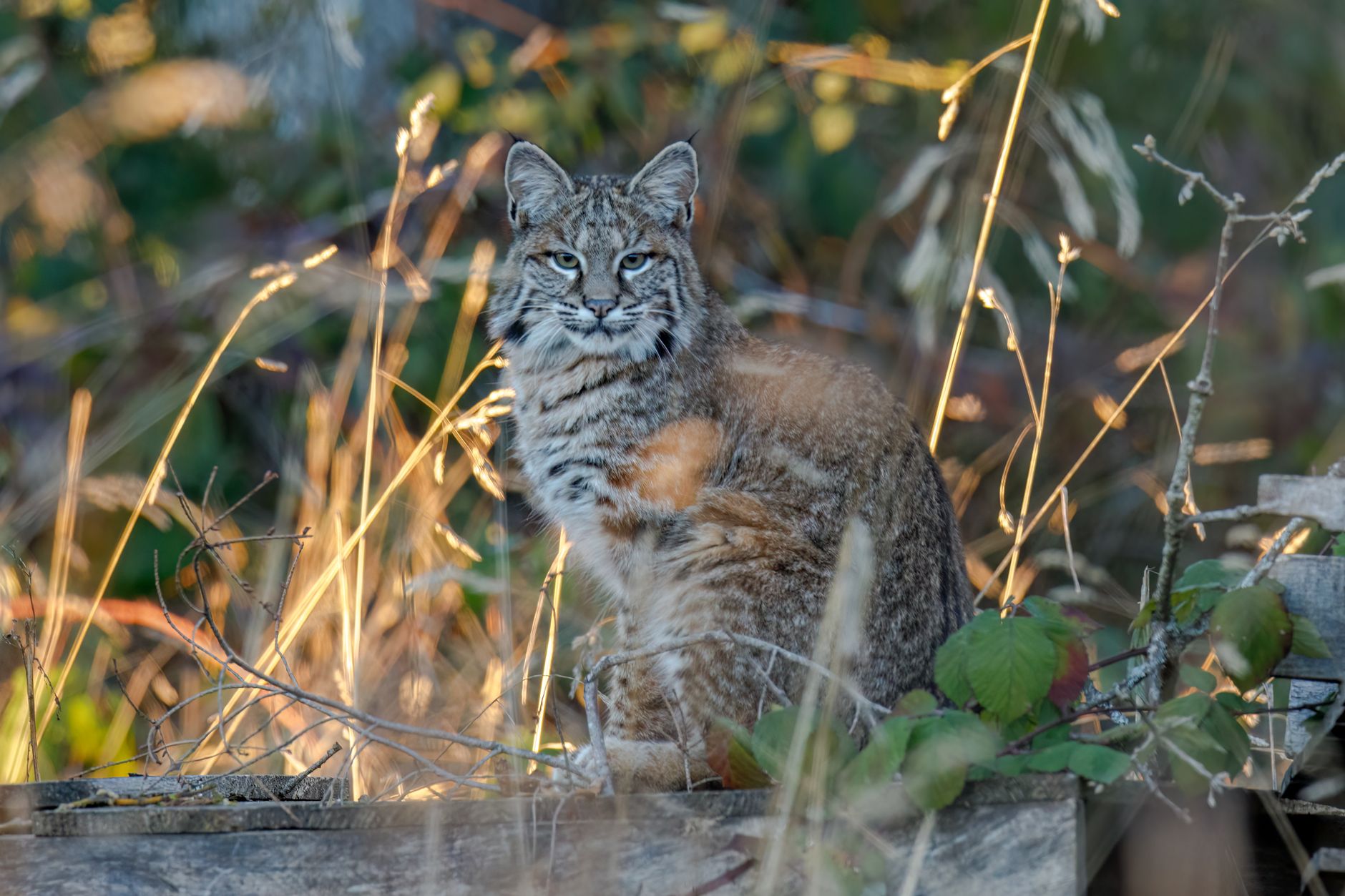
Bobcat kittens raised in sanctuary environments receive preventive vaccinations as a cornerstone of their medical care, protecting them from infectious diseases that pose significant risks to young wild felines. These vaccination programs, administered by veterinarians experienced in exotic felids, follow protocols adapted for bobcats to ensure both efficacy and safety. Sanctuaries implement preventive shot schedules starting when kittens are young enough to build immunity but established enough to handle veterinary procedures, recognizing that disease prevention is far more effective and humane than treating illness in vulnerable animals.
The preventive care approach used in sanctuary settings differs from standard domestic cat protocols because bobcats have unique physiological needs, immune responses, and stress sensitivities. Sanctuary veterinarians work closely with care teams to time vaccinations strategically, monitoring each kitten’s overall health, weight, and behavioral indicators before administering shots. For example, a bobcat kitten arriving at a sanctuary at six weeks old might receive an initial respiratory disease vaccine before any other procedures, with follow-up shots scheduled weeks apart to minimize stress and allow the kitten’s developing immune system to respond optimally.
Table of Contents
- Why Do Bobcat Kittens in Sanctuaries Receive Preventive Vaccinations?
- The Vaccination Schedule and Protocol for Sanctuary Bobcats
- Disease Protection and Immunity in Young Bobcats
- Managing Vaccination Stress in Wild-Natured Animals
- Post-Vaccination Monitoring and Adverse Reactions
- Sanctuary Resources and Vaccine Availability
- Integration of Preventive Shots into Comprehensive Sanctuary Care
- Frequently Asked Questions
Why Do Bobcat Kittens in Sanctuaries Receive Preventive Vaccinations?
Bobcat kittens kept in sanctuary environments face disease exposure risks that differ from wild populations but remain significant. Unlike kittens raised by wild mothers in isolated territories, sanctuary kittens live in close proximity to other animals, human handlers, and facilities that can harbor pathogens. Diseases such as feline panleukopenia (feline distemper), feline herpesvirus, and feline calicivirus can spread rapidly through a sanctuary population and prove particularly dangerous to young, immunocompromised, or stressed animals. Vaccinating against these diseases creates a protective barrier, reducing the likelihood of outbreaks that could devastate multiple animals and strain sanctuary resources.
Preventive care also reflects a commitment to the highest welfare standards for rescued or captive-born bobcats. Sanctuaries recognize that treating infectious disease in a wild-natured feline is far more stressful and resource-intensive than preventing it, and infectious diseases can cause prolonged suffering, permanent organ damage, or death. A kitten vaccinated early in life develops stronger innate immunity and requires fewer medical interventions overall, allowing the animal to experience less human contact and stress as it matures. This approach aligns sanctuary philosophy with practical animal management, acknowledging that prevention minimizes both suffering and operational burden.
The Vaccination Schedule and Protocol for Sanctuary Bobcats
Sanctuary veterinarians design vaccination schedules for bobcat kittens based on maternal antibody levels, age, and overall health status rather than applying standard domestic cat timelines directly. Most sanctuaries begin vaccinating bobcat kittens at six to eight weeks of age, administering an initial combination vaccine that covers multiple respiratory and systemic diseases. Subsequent booster shots are typically given at three to four-week intervals over several months, with the final booster administered around sixteen weeks of age to ensure full immunity before maternal antibodies have completely waned. However, vaccination protocols for bobcats present several complications that caregivers must navigate carefully.
Some vaccines formulated for domestic cats may produce adverse reactions in wild felids, requiring veterinarians to use alternative products or modify dosages. Bobcat kittens can experience stress-related immune suppression from handling alone, meaning that over-vaccination or frequent injection schedules can paradoxically undermine the immune response the shots are intended to build. Additionally, some sanctuaries lack access to veterinarians with specialized knowledge of exotic felids, forcing them to work with general practitioners who may lack experience in recognizing species-specific vaccine reactions or tailoring protocols appropriately. A well-managed sanctuary mitigates this risk by establishing relationships with veterinary specialists before animals arrive and by maintaining detailed health records documenting each animal’s response to previous vaccinations.
Disease Protection and Immunity in Young Bobcats
Bobcat kittens are born with maternal antibodies transferred through nursing, providing temporary but incomplete protection during their first weeks of life. As these maternal antibodies decline—typically by eight to twelve weeks of age—the kitten becomes vulnerable to infectious disease unless active immunity from vaccination has begun to develop. The vaccination window is therefore critical: vaccinate too early and maternal antibodies may neutralize the vaccine, rendering it ineffective; vaccinate too late and the kitten experiences a gap period during which active immunity has not yet developed and maternal protection has faded. Sanctuary protocols account for this by timing vaccinations based on serological testing when possible, though many facilities rely on standardized age-based schedules developed through clinical experience with other felids. The types of diseases prevented through vaccination differ in severity and transmission risk.
Feline panleukopenia, a highly contagious and often fatal viral disease, spreads through direct contact, feces, and contaminated surfaces and poses the greatest risk to young, unvaccinated kittens. Feline respiratory viruses, including herpesvirus and calicivirus, spread through respiratory droplets and are extremely common in shelter and sanctuary environments where multiple animals share space. A bobcat kitten vaccinated against these diseases develops specific antibodies that circulate in the bloodstream and mucous membranes, providing the first line of defense against infection. However, vaccination is not perfect; breakthrough infections can still occur, particularly if an animal faces extreme stress, concurrent illness, or inadequate vaccination response. Sanctuary caregivers therefore rely on vaccination as part of a multi-layered approach that also includes quarantine protocols for new animals, rigorous sanitation, and close health monitoring.
Managing Vaccination Stress in Wild-Natured Animals
Administering vaccines to a bobcat kitten requires balancing the health benefits of immunization against the psychological stress of handling and restraint. Unlike domestic kittens who may have been socialized to human contact from birth, sanctuary bobcats—even those born in captivity—retain strong predatory instincts and fear responses that make veterinary procedures inherently stressful. Stress suppresses immune function, potentially reducing the effectiveness of the very vaccine being administered, creating a paradoxical situation where the medical intervention that should protect the animal may undermine its immune response if not managed properly. Sanctuary protocols therefore prioritize minimizing stress through careful timing, minimal restraint, and sometimes the use of sedation or anesthesia for multiple procedures performed during a single session.
Some sanctuaries employ low-stress handling techniques developed specifically for wild felids, such as using squeeze cages or smaller containment spaces that provide the kitten with some sense of control and security during handling. Others time vaccinations to coincide with other necessary procedures, such as microchipping or dental exams, reducing the total number of stressful events a kitten experiences. A few facilities opt to perform vaccinations under light sedation, allowing the veterinarian to administer shots with minimal physical restraint, though this approach requires additional monitoring and carries its own risks. Each sanctuary must weigh these tradeoffs based on the temperament of individual animals, the facilities available, and the expertise of the veterinary team. What works well for one bobcat kitten may be inappropriate for another, requiring flexibility and individualized decision-making rather than a one-size-fits-all protocol.
Post-Vaccination Monitoring and Adverse Reactions
After receiving preventive vaccines, bobcat kittens require careful monitoring for adverse reactions ranging from mild local swelling to serious systemic responses. Minor reactions such as localized swelling at the injection site, temporary fever, or mild lethargy are not uncommon and typically resolve within one to three days without intervention. More serious reactions, including allergic responses, facial swelling, or vomiting, require immediate veterinary attention and may indicate that the kitten is sensitive to a component of the vaccine or that a dose was inappropriate for the animal’s size or age. Sanctuary protocols should include clear documentation of which vaccines produced which reactions in each animal, informing decisions about future booster shots or alternative vaccine products.
The risk of vaccine reactions is one reason sanctuaries typically schedule vaccinations during times when veterinary staff or experienced caregivers can observe the kitten closely for the following 24 to 48 hours. Vaccinating on a Friday or before a weekend, when veterinary clinics may not be readily accessible for emergencies, is generally avoided. Additionally, some sanctuaries avoid vaccinating animals that are already stressed, ill, or undergoing other medical procedures, recognizing that an animal with a compromised immune system may have a stronger reaction to vaccine strain. This cautious approach sometimes means delaying vaccinations slightly to ensure optimal conditions, accepting a small window of increased disease vulnerability in exchange for reducing the risk of serious adverse events.
Sanctuary Resources and Vaccine Availability
Well-funded sanctuaries with dedicated veterinary staff generally maintain access to a range of vaccines and can implement comprehensive preventive protocols; under-resourced facilities may face limitations that affect the quality and completeness of their preventive care programs. A sanctuary with a full-time veterinarian or established relationships with exotic animal veterinary specialists can obtain vaccines formulated specifically for wild felids, conduct pre-vaccination health screenings, and respond quickly to adverse reactions.
Smaller sanctuaries or those in rural areas may struggle to source appropriate vaccines or access timely veterinary care, potentially compromising the preventive health program despite the best intentions of caregivers. Budget constraints also shape vaccination decisions; vaccines, veterinary time, and diagnostic testing represent significant operational expenses, and sanctuaries working with limited funding may prioritize vaccinating high-risk animals or deferring booster shots beyond ideal timelines. These resource disparities mean that the quality of preventive care received by bobcat kittens varies substantially across different facilities, with well-established urban sanctuaries likely providing more comprehensive programs than rural rescues or startups operating on tight budgets.
Integration of Preventive Shots into Comprehensive Sanctuary Care
Preventive vaccinations represent only one component of a sanctuary’s broader health management strategy for bobcat kittens. A comprehensive approach includes initial health assessments upon arrival, parasite screening and treatment, nutritional evaluation, and ongoing monitoring for signs of illness or injury. Vaccinations work synergistically with other preventive measures: a kitten kept in a clean, well-maintained enclosure with appropriate social grouping faces lower disease exposure than one in overcrowded or unsanitary conditions, making vaccination more effective as part of an integrated system.
Similarly, a kitten receiving optimal nutrition and minimal stress develops a stronger immune response to vaccines than one that is malnourished or chronically anxious. Sanctuary caregivers document vaccination history, dates, reactions, and booster schedules in individual medical records for each animal, creating a comprehensive health profile that guides long-term care decisions. This documentation becomes particularly important if an animal is transferred between sanctuaries, as receiving facilities need accurate information about prior vaccinations to avoid unnecessary duplication or gaps in protection. For bobcat kittens destined for eventual release into the wild (a goal of some sanctuaries), the vaccination strategy may differ from that used for animals who will remain in captivity indefinitely, with some facilities choosing not to vaccinate animals intended for release in order to maintain their “wild” status and avoid potentially unintended ecological consequences of vaccine strain infections in wild populations.
Frequently Asked Questions
At what age do sanctuary bobcat kittens typically receive their first vaccinations?
Most sanctuaries begin vaccinating bobcat kittens between six and eight weeks of age, though the exact timing depends on the individual kitten’s health status, maternal antibody levels, and the sanctuary’s specific protocol.
Can domestic cat vaccines be used safely for bobcat kittens?
Some vaccines formulated for domestic cats can be used for bobcats, but dosages may need adjustment and certain products may cause adverse reactions in wild felids. Working with an exotic animal veterinarian is essential.
Do vaccinated bobcat kittens still need to be quarantined when arriving at a sanctuary?
Yes, newly arrived kittens should be quarantined regardless of vaccination status, as they may be infected with pathogens prior to receiving shots, and their vaccination history from previous facilities may be incomplete or unreliable.
What should caregivers watch for after a bobcat kitten receives a vaccine?
Minor reactions like slight swelling at the injection site or mild fever are normal, but more serious signs such as facial swelling, vomiting, difficulty breathing, or seizures require immediate veterinary attention.
Are booster shots necessary for bobcat kittens kept permanently in sanctuaries?
Yes, booster shots are typically recommended annually or every three years depending on the specific vaccine and the sanctuary’s disease exposure risk, to maintain long-term immunity.
Does vaccinating a bobcat kitten intended for eventual release into the wild change the protocol?
Some sanctuaries choose not to vaccinate animals destined for release in order to maintain their wild status, while others vaccinate to ensure the animal’s health during captivity. This is a decision each facility makes based on its conservation philosophy and release protocols.