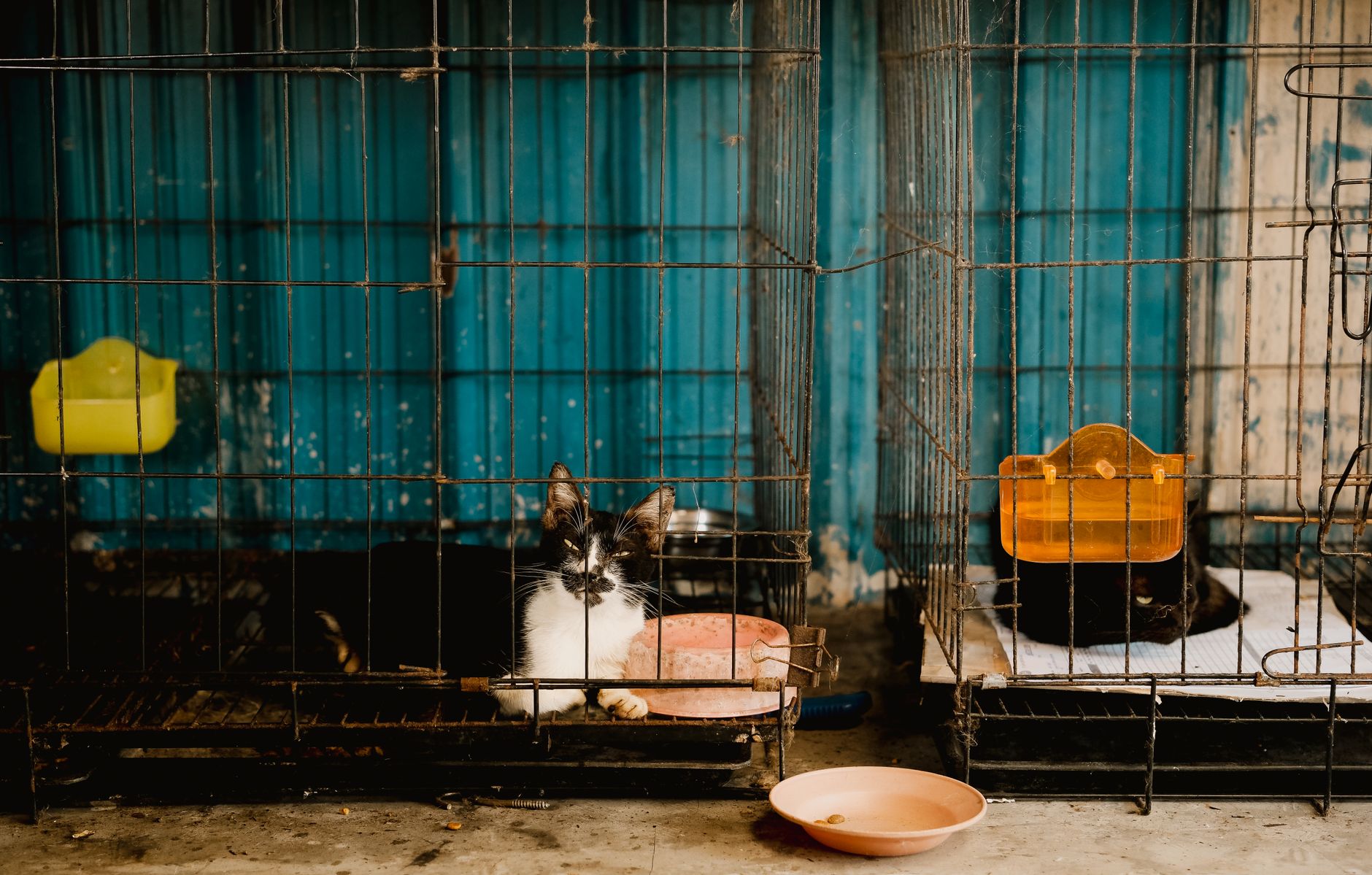
Bringing a new cat into your home requires more than just preparation—it demands a safety mindset from day one. A cat adoption safety checklist protects both the animal and your household by identifying health risks, behavioral red flags, and environmental hazards before they become serious problems. Consider the case of adopting an adult cat with an unknown history: without proper screening for feline leukemia, an unvaccinated cat could expose your existing pets to a lifelong virus, creating years of unexpected veterinary costs and reduced quality of life for all animals in your home.
The adoption process itself has blind spots. Shelter staff may not disclose behavioral issues due to time constraints, adopters may not understand what questions to ask, and homes sometimes lack basic safety infrastructure for a newly adopted animal. A comprehensive safety approach addresses these gaps by focusing on pre-adoption vetting, home preparation, health verification, and the critical adjustment period.
Table of Contents
- What Health and Behavioral Risks Come With Adopted Cats?
- Medical Screening and Testing Before Bringing a Cat Home
- Where and How You Source a Cat Matters for Safety
- How to Prepare Your Home to Prevent Adoption-Related Accidents
- Red Flags and Warning Signs That Indicate a Problem After Adoption
- Managing the First Weeks: Quarantine and Monitoring
- Long-Term Prevention and When to Seek Professional Help
- Frequently Asked Questions
What Health and Behavioral Risks Come With Adopted Cats?
Every adopted cat carries some level of unknown history. cats from shelters may have lived through stress, neglect, or abuse that isn’t immediately apparent. Some behavioral issues—like inappropriate elimination, aggression, or extreme fearfulness—take weeks or months to surface after adoption, well after the return window has closed. A cat that hides in a shelter may become aggressive once it feels secure in a home, or a calm shelter cat may develop anxiety-driven destructive behavior in a new environment. Health risks are equally significant. Common issues in shelter cats include upper respiratory infections, parasites, feline immunodeficiency virus (FIV), feline leukemia virus (FeLV), ringworm, and dental disease.
Even cats that test negative can be in the window period of infection before antibodies develop. A shelter cat with an undiagnosed urinary blockage might appear healthy during the adoption visit but develop a life-threatening emergency within days—an issue that requires immediate veterinary intervention and can cost thousands of dollars. Behavioral and health problems often intersect. A cat with untreated pain from dental disease or arthritis may exhibit aggression or litter box avoidance. An undiagnosed hyperthyroid cat might seem hyperactive and destructive. Distinguishing between true behavioral problems and medical issues requires veterinary evaluation before you can develop an accurate safety plan.
Medical Screening and Testing Before Bringing a Cat Home
Not all shelters conduct the same level of medical screening, so you cannot assume a cat has been tested for major infectious diseases. A responsible adoption process includes documentation of FeLV and FIV testing, vaccination status, parasite treatment, and any known health conditions. Request proof of these tests rather than relying on verbal confirmation. If a shelter cannot provide documentation, consider that a warning sign—it suggests either inadequate medical care or incomplete record-keeping, both of which create risk. Even negative test results carry limitations. FeLV and FIV tests can produce false negatives if performed too early in infection.
A cat that tested negative last week could have contracted FeLV or FIV while in the shelter. This is why quarantine periods matter: keeping a new cat isolated from existing pets for at least two weeks (ideally four weeks) reduces the risk of exposing your current animals to an undetected infection. Some veterinarians recommend a second FeLV/FIV test after the quarantine period for maximum safety. Dental disease is extremely common in shelter cats and rarely addressed before adoption. A cat with significant dental problems may require multiple extractions under anesthesia—a procedure that can cost $800 to $2,000 or more depending on the number of teeth and complexity. Ask the shelter about the cat’s dental health and consider scheduling a veterinary dental exam within the first two weeks of adoption.
Where and How You Source a Cat Matters for Safety
The source of a cat dramatically affects your risk profile. kittens from established breeders with health guarantees and genetic testing carry lower disease risk than kittens from unknown sources. Cats from reputable shelters and rescue organizations usually have medical records, behavioral histories, and staff who can answer detailed questions about the cat’s background. Private adoptions and online marketplace listings often provide almost no verifiable information—the person rehoming the cat may not even know its medical history or why the previous owner gave it up. Kittens sourced from backyard breeders, pet stores, or online sellers without verifiable credentials pose serious health risks.
These sources often do not screen for genetic diseases, maintain poor sanitation, or oversell kittens before they are old enough to safely leave their mothers. A $200 kitten from an unvetted online source might carry feline infectious peritonitis (FIP), a devastating viral disease with no cure, or genetic predispositions to kidney disease or heart problems that will emerge years later. Rescue organizations that specialize in specific breeds or behavioral needs tend to provide better background information. They often foster cats in homes rather than keeping them in shelters, which reveals behavioral tendencies in a realistic environment. This is valuable because it tells you whether a cat has a history of aggression toward other animals, problems with children, or anxiety-driven behaviors—information that a shelter environment cannot reliably surface.
How to Prepare Your Home to Prevent Adoption-Related Accidents
Before bringing a cat home, establish a quarantine space—typically a bedroom or bathroom with a closed door. This space should contain a litter box, food and water bowls, a hiding spot, and familiar-smelling objects. A quarantine space serves multiple purposes: it prevents your adopted cat from spreading infectious disease to existing pets, allows the cat time to adjust without the stress of a large environment, and keeps it away from hazards in the rest of your home. Common household hazards that newly adopted cats encounter include exposed wires, toxic plants (lilies, sago palms, oleander), cleaning chemicals stored in accessible cabinets, and small objects that can be swallowed. A cat in an unfamiliar environment may explore aggressively, eating or chewing things it normally would avoid.
Unlike a cat that has lived in your home for years and learned which areas are safe, an adopted cat has no knowledge of your home’s specific dangers. Secure loose cables, move toxic substances to high shelves, and remove or relocate small decorative items from low surfaces. Window safety is critical if your cat will have any outdoor access or window perches. Unsecured windows and doors allow escape, which is a leading cause of loss in newly adopted cats. Cats are also prone to entanglement in curtain cords and strangulation on collars or harnesses left unsupervised. Install window screens that are properly secured, keep cords tied up, and avoid leaving a collar on an indoor cat unless you are monitoring it directly.
Red Flags and Warning Signs That Indicate a Problem After Adoption
The first two weeks reveal critical information about a cat’s health and temperament. Watch for signs of illness: loss of appetite, lethargy, vomiting, diarrhea, excessive drinking or urination, or respiratory symptoms like sneezing and discharge. These can indicate anything from a simple cold to feline infectious peritonitis, an abscessed tooth, or a urinary blockage. Any of these symptoms warrants a veterinary visit; do not wait to see if the cat improves on its own. Behavioral red flags include extreme fearfulness that persists beyond the first few days, unprovoked aggression toward humans or other animals, or destruction of property. Some fearfulness during the first week is normal—a cat is adjusting to a new environment and needs time.
However, a cat that remains completely frozen with fear after seven days, or one that growls and swipes at you during normal handling, may have behavioral problems that require professional assessment. Aggression toward other pets can develop suddenly when a cat feels established in a territory, even if the shelter reported the cat was sociable. Litter box avoidance is extremely common after adoption but requires investigation. A new cat may avoid the litter box because the box type is unfamiliar, the location feels unsafe, or the litter is a different texture than it experienced before. However, litter box avoidance can also signal a urinary tract infection, kidney disease, or other medical issue. Do not assume behavioral causes until a veterinarian has ruled out medical problems. Provide multiple litter boxes (one more than the number of cats) in different locations to increase the likelihood that the cat will use them.
Managing the First Weeks: Quarantine and Monitoring
Keep your adopted cat in the quarantine space for at least two weeks, with minimal access to the rest of your home. During this time, handle the cat gently and frequently to build trust, but respect if it wants to hide. Provide food, water, and litter away from the hiding spot so the cat must venture out to meet basic needs. Do not force interaction; allowing the cat to set the pace builds confidence more effectively than coercion.
If you have other pets, keep them completely separated during quarantine. This includes preventing face-to-face contact under doors, as respiratory viruses can spread this way. After two weeks, you can allow brief, supervised interactions if both animals show calm interest. If either animal displays stress or aggression, extend the quarantine period. Some cats and existing pets never become comfortable with each other; in those cases, permanent separation may be necessary, which is a tradeoff you need to accept before adoption rather than discovering it after the adoption is final.
Long-Term Prevention and When to Seek Professional Help
After the initial quarantine and adjustment period, establish a regular veterinary schedule. Annual exams help catch emerging health issues early; dental care prevents escalation of dental disease; and parasite prevention (fleas, ticks, intestinal parasites) is an ongoing necessity. Behavioral issues that persist or worsen after a month warrant consultation with a veterinary behaviorist—not just a general veterinarian, but someone with specialized training in feline behavior.
Build a safety buffer into your adoption decision by ensuring you can afford unexpected veterinary costs. An adopted cat that develops a serious health issue in its first year can cost $2,000 to $5,000 or more in diagnostics and treatment. If you do not have emergency veterinary funds, obtain pet insurance or establish a payment plan with your veterinarian before an emergency occurs. This financial readiness prevents the situation where cost forces you to choose between your cat’s health and your financial stability.
Frequently Asked Questions
How long should I quarantine a new adopted cat?
Minimum two weeks if the cat is confirmed negative for FeLV and FIV; four weeks is safer if testing status is unknown or results are pending.
What should I do if my adopted cat shows signs of illness within the first week?
Schedule a veterinary exam immediately. Do not assume the illness is stress-related or will resolve on its own. Document symptoms and any changes in behavior or appetite to share with your veterinarian.
Can an adopted cat ever be fully trusted around children or other pets?
Yes, but only after a genuine adjustment period of several weeks to months. Initial interactions should always be supervised, and you should be prepared to permanently separate animals if they do not eventually become comfortable with each other.
Is it safe to let an adopted outdoor cat back outside immediately?
No. Keep an outdoor cat indoors for at least two weeks after adoption so it learns your home as its territory. Once released outdoors, use a microchip and collar with identification. Some adoptable cats have no outdoor experience and should never be let outside unattended.
What vaccinations should an adopted cat have before meeting other pets?
At minimum, the cat should be current on FVRCP (feline viral rhinotracheitis, calicivirus, and panleukopenia) and rabies vaccination. FeLV vaccination depends on the cat’s FeLV status and your veterinarian’s recommendation.
How do I know if behavioral problems are medical or psychological?
A veterinary exam is always the first step. Many behavioral changes (aggression, elimination issues, decreased activity) correlate with medical problems like pain, infection, or metabolic disease. Only after medical causes are ruled out should you pursue behavioral intervention.