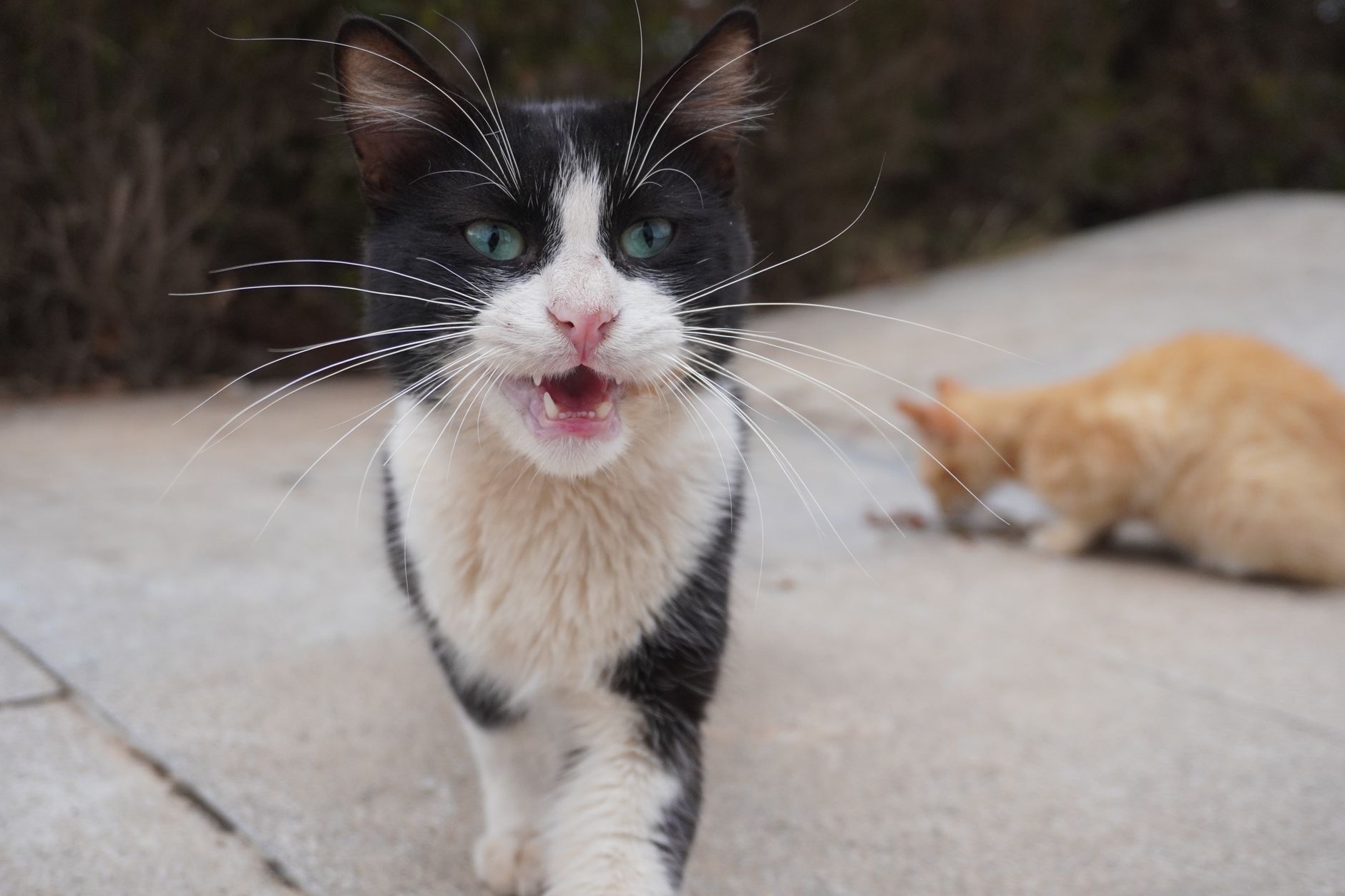
Cats bring home dead animals mainly because hunting is driven by instinct, not hunger, and carrying prey to a safe spot is part of that instinct. Lead researcher Robbie McDonald found that well-fed cats in a controlled trial still hunted and returned prey, concluding they do it for the thrill of the hunt rather than out of necessity.
Two separate explanations sit behind the behavior: where a cat chooses to bring prey, and why it hunts in the first place. University of Lincoln researchers Dan Mills and Celia Haddon argue cats carry prey indoors to reach a place they feel safe to eat or play with it undisturbed, not to present a gift. Feline ecologist Mikel Delgado offers a related idea: the behavior may echo maternal prey-provisioning, in which wild mother cats carry food back to kittens, and pet cats extend that instinct to their owners.
Table of Contents
- Is It Really a Gift?
- Does Personality Predict Which Cats Do This?
- How Much Prey Do Cats Actually Bring Home?
- What Can Reduce the Behavior?
Is It Really a Gift?
The "gift" framing is popular but not what researchers who study the behavior conclude. Mills and Haddon's analysis points instead to safety and confidence: a cat that has just caught something retreats to the location where it feels most secure before eating or handling it further, and the home is simply that location for most indoor-outdoor cats. That explanation also accounts for why some cats never bring anything home while others do it constantly. The same research describes carrying prey indoors as a sign of confidence, more common in extroverted cats than in shy or anxious ones.
A cat that feels exposed outdoors is more likely to eat or abandon prey where it is caught. Delgado's maternal-provisioning idea adds a second layer for cats that specifically leave prey near their owners rather than eating it. In the wild, a mother cat hunts and returns with food for kittens who haven't yet learned to hunt themselves. Domestic cats may treat their owners the same way, a holdover instinct rather than a deliberate present.
Does Personality Predict Which Cats Do This?
A 2023 study surveying 2,508 French cat owners found personality traits are the strongest predictor of how often a cat brings home prey. Cats rated higher in extraversion or lower in neuroticism were reported to bring home birds and small mammals more often, according to Cordonnier et al. in Ecology and Evolution. The same study found the opposite pattern for a trait many owners might expect to matter most: generosity.
Cats rated low in agreeableness and high in dominance actually brought home fewer birds, which the researchers say undercuts the idea that prey-bringing reflects a cat trying to share or provide for its owner. Personality, not social motive, best explains the pattern. That finding relies on what owners reported seeing, not direct observation of every hunt, so the true rate of hunting and on-site eating is likely higher than any count of prey brought indoors. This matters when comparing cats: a quiet, anxious cat that never brings anything home may still be hunting as often as a bold one that returns every kill.
How Much Prey Do Cats Actually Bring Home?
A 2025 study tracking 553 UK pet cats with outdoor access over as long as 43 months put a number on this at a national scale. Researchers estimated Britain's 10.8 million pet cats bring home between 37.25 and 140.4 million prey items a year, with mammals making up 83 percent of what owners found, according to Lockwood, Bulling and Huck in Ecology and Evolution. Despite that large national total, most individual cats are not prolific hunters by this measure.
The same study found most cats returned only zero or one prey item per month. A handful of highly active hunters likely account for a disproportionate share of the national estimate. Several factors shaped how much an individual cat brought home: sex, age, body condition, whether the cat had a cat-flap, whether it wore a bell, local urbanization, and the season all had a measurable effect, per the same University of Derby research. As with the French personality study, these figures come from owner reports, so the undercount problem applies here too.
What Can Reduce the Behavior?
A 12-week trial published in Current Biology tested specific interventions on 355 hunting cats across 219 English homes, and two produced measurable results. Switching cats to a high-meat, grain-free diet cut dead prey brought home by about 36 percent, according to the University of Exeter and SongBird Survival trial. Five to ten minutes of daily object play designed to mimic hunting cut prey brought home by about 25 percent, per the same trial reported by iCatCare. One common fix backfired.
A puzzle feeder that dispensed food as cats battered it actually increased kills brought home by roughly a third, the same trial found. Anything that rewards pouncing and batting seems to reinforce hunting behavior rather than substitute for it. Bells, often recommended as a simple deterrent, made no measurable difference to kill counts in the trial. McDonald's team took this as further evidence that the underlying drive is predatory instinct, not hunger, since a well-fed, belled cat still hunted successfully. Based on the trial evidence, a high-meat diet paired with daily hunting-style play is the combination most likely to reduce what a cat brings home:.
- Switch to a high-meat, grain-free food if the cat is currently on a lower-meat diet.
- Schedule five to ten minutes of wand or object play daily, aimed at letting the cat stalk and pounce.
- Avoid puzzle feeders that reward batting or pouncing motions if reducing hunting is the goal.
- Don't rely on a bell alone; it has no measured effect on kills in controlled testing.