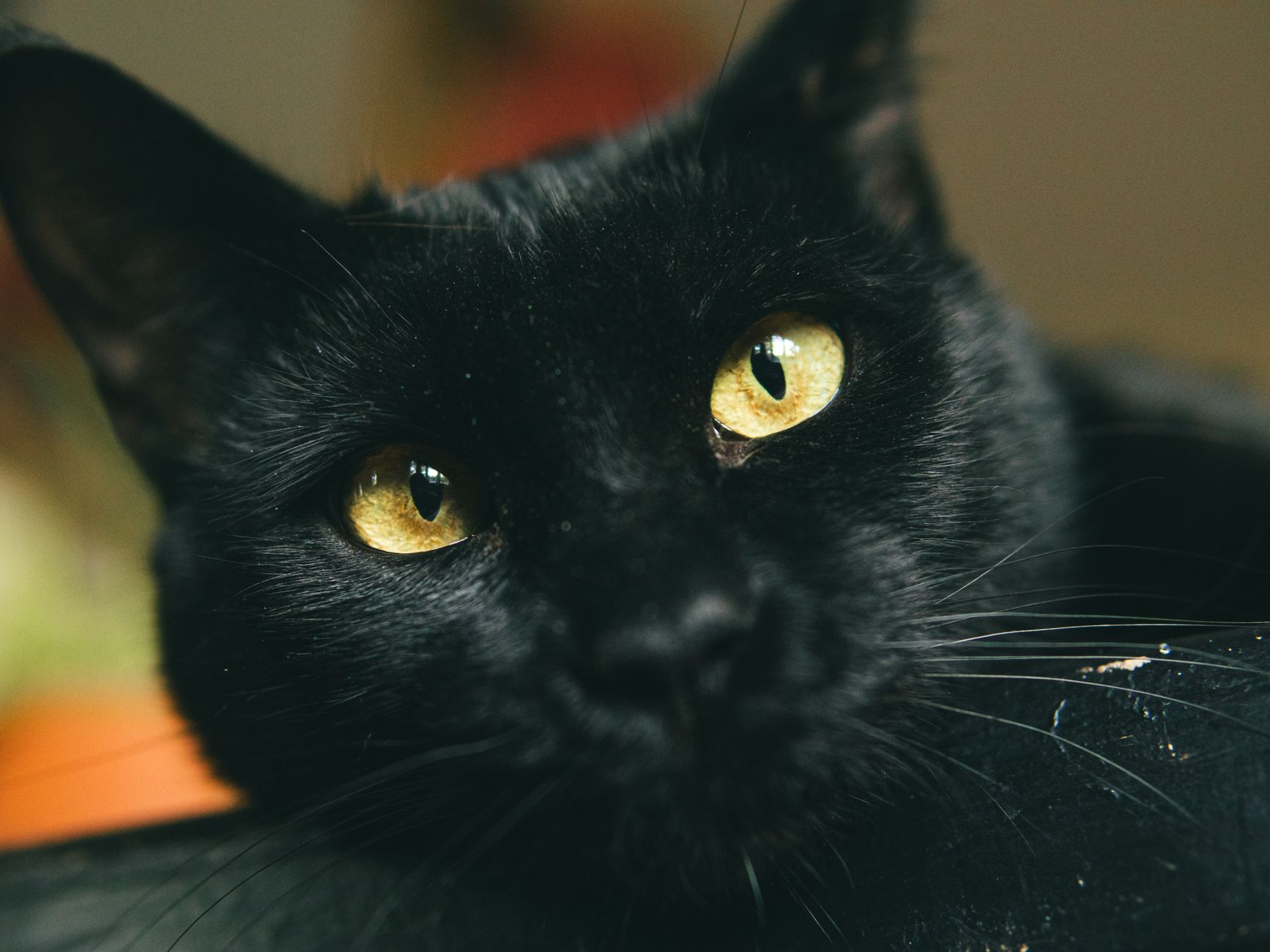
Cat insurance in 2026 affects mainly cat owners without coverage, with key evidence showing very low enrollment and rising lifetime care costs. The practical next step is to enroll cats while young, compare limits beyond premium, and check workplace benefits. Cat insurance is a reimbursement policy that repays part of covered vet bills after the owner pays. Owners choose a tier, pay a monthly premium, then file claims subject to terms.
Table of Contents
- Who goes without coverage?
- What does cat coverage cost in context?
- What do policies cover — and exclude?
- What should cat owners do next?
Who goes without coverage?
Cat owners are the most affected uninsured group in the United States. The NAPHIA 2026 State of the Industry Report, reported via Insurance Business, shows only 4.27% of U.S. pets are insured, with cats at 2.29% versus 5.99% for dogs report via Insurance Business. That gap matters because one emergency surgery or chronic illness can fall fully on the owner.
Indoor cats still face urinary blockages, dental disease, kidney disease, and injuries from falls. Multi-cat homes face repeated risk across many pet-years. Young, healthy cats in single- and multi-cat homes gain most from early review. Owners of seniors, purebreds prone to chronic illness, and cats with emerging health issues face tighter choices and higher costs.
What does cat coverage cost in context?
Average accident-and-illness cover for cats was $386.47 per year, about $32.21 per month in 2024 data, rising only about 5% since 2020 versus 22% for dogs, according to NAPHIA data reported by Insurify Insurify analysis of NAPHIA data. That monthly figure helps compare quotes, but premium alone does not set value. Lifetime care frames the tradeoff.
The Synchrony 2025 Pet Lifetime of Care Study puts lifetime care for a cat at $20,073 to $47,106 over 15 years, up 19.4% since 2022 Synchrony study summary. The same study finds nearly 8 in 10 owners underestimate lifetime costs. A lower premium can still cost more if limits are low or reimbursement is weak. Readers should weigh yearly premium against likely vet spending, savings, and risk tolerance.
What do policies cover — and exclude?
Pet policies generally fall into accident-only, accident-and-illness, and wellness tiers, according to the National Association of Insurance Commissioners CIPR NAIC pet insurance explainer. Accident-only handles injuries, accident-and-illness adds illness care, and wellness helps with routine preventive services. Most policies exclude pre-existing and hereditary conditions, impose waiting periods and age limits, and pay by reimbursement.
That means owners pay the clinic first, then wait for approved repayment. Hereditary limits can matter for breeds prone to heart, kidney, or joint problems. At least 17 states in 2026 treat pet insurance as a distinct product under NAIC-inspired laws, Money reports, with clearer disclosure of waiting periods, exclusions, deductibles, and claims payment. Read those sections before price, especially exclusions, bilateral-condition rules, and dental-illness terms.
What should cat owners do next?
Enroll while the cat is young and healthy, before chronic notes enter the record. Insurify, using Trupanion and NAPHIA data, warns switching after a hike is often impractical because new insurers may permanently exclude conditions developed under the old policy. The same reporting notes older pets can cost three times more to insure.
Compare beyond premium. Focus on annual limits, reimbursement rate, deductible type, exclusions, and claim rules. Keep vet records complete and ask for pre-approval when a plan allows it. Check workplace open-enrollment dates so the benefit does not lapse before the next vet visit.
- Get quotes while the cat is healthy and review sample terms
- Compare reimbursement rates and annual limits, not premium alone
- Check waiting periods, exclusions, age rules, and payment method
- Ask human resources about voluntary pet insurance, since Gallagher 2026 data cited by Insurify says 36% of U.S. employers now offer it