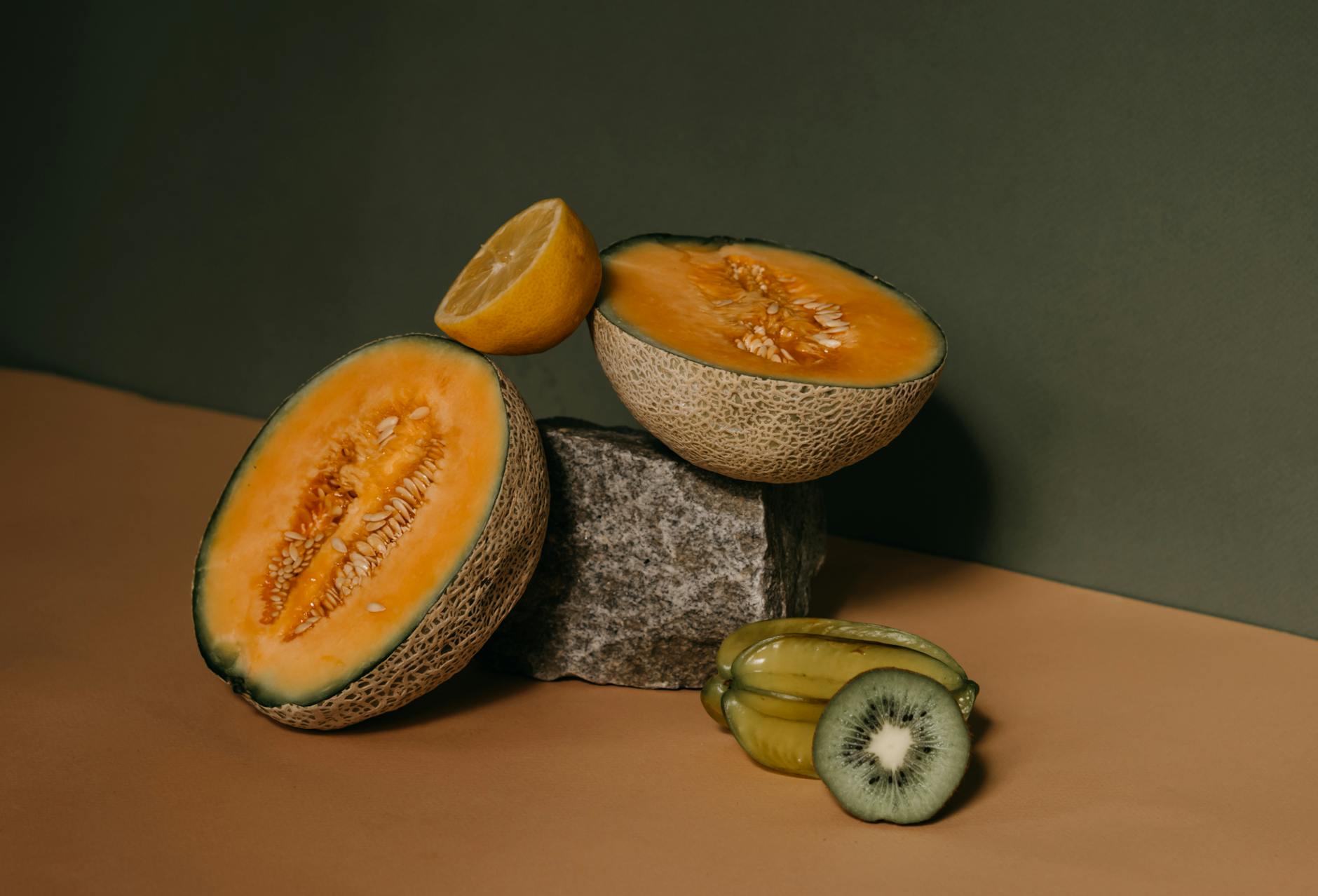
Yes, cats can eat cantaloupe safely in small amounts. The flesh of a ripe cantaloupe is non-toxic to cats, and many felines are surprisingly attracted to this particular melon. If your cat snags a small cube off your cutting board, there is no reason to panic. A piece or two as an occasional treat is perfectly fine for most healthy adult cats.
That said, cantaloupe should never become a regular part of your cat’s diet. Cats are obligate carnivores, meaning their bodies are designed to run on animal protein, not fruit sugars. A cat named Oliver who regularly begged for cantaloupe at breakfast ended up with chronic loose stools until his owner scaled back the portions to a tiny cube once or twice a week. This article covers why cats are drawn to cantaloupe in the first place, how much is safe to offer, which parts of the melon to avoid, and what warning signs to watch for if your cat overindulges.
Table of Contents
- Why Are Cats Attracted to Cantaloupe if They Can’t Taste Sweet?
- How Much Cantaloupe Is Safe for Cats to Eat?
- Which Parts of the Cantaloupe Should Cats Avoid?
- How to Introduce Cantaloupe to Your Cat’s Diet Safely
- Signs Your Cat Has Eaten Too Much Cantaloupe
- Can Kittens Eat Cantaloupe?
- Cantaloupe as Part of a Broader Approach to Cat Treats
- Conclusion
- Frequently Asked Questions
Why Are Cats Attracted to Cantaloupe if They Can’t Taste Sweet?
One of the more puzzling things about the cantaloupe-cat connection is that cats lack the taste receptors for sweetness. Research published in the Journal of Nutrition confirmed that felines are missing a functional gene for the sweet taste receptor, so they genuinely cannot taste sugar the way humans do. The draw is not the flavor profile you would expect. The leading theory is that cats are attracted to the amino acids in cantaloupe. Volatile organic compounds released by ripe cantaloupe mimic certain amino acid profiles found in meat. To a cat’s nose, a slice of ripe cantaloupe may actually smell faintly like protein.
This is similar to why some cats are drawn to certain breads or fermented foods. The aroma tricks their predator-tuned senses into investigating. Not every cat will show interest, though. Some cats are completely indifferent to cantaloupe while going wild for other unexpected foods like olives or corn. If your cat ignores the fruit entirely, that is normal. There is no nutritional reason to encourage a cat to eat cantaloupe.
How Much Cantaloupe Is Safe for Cats to Eat?
The general guideline from veterinary nutritionists is that treats of any kind, including fruit, should make up no more than ten percent of a cat’s daily caloric intake. For an average ten-pound indoor cat consuming about 200 calories a day, that means roughly 20 calories of treats. A one-inch cube of cantaloupe contains about 5 to 6 calories, so two or three small cubes would be the upper limit for a single serving. However, if your cat has diabetes or is significantly overweight, even small amounts of cantaloupe may be a poor choice. The natural sugar content, while modest by human standards, can cause blood glucose spikes in diabetic cats.
A cat already on a carefully managed diet does not need the extra carbohydrates. Always check with your veterinarian before introducing cantaloupe or any new food to a cat with a chronic health condition. The same caution applies to cats with sensitive stomachs or a history of gastrointestinal issues, since the fiber content can trigger diarrhea in cats who are not accustomed to it. Frequency matters as much as portion size. Offering cantaloupe once or twice a week is reasonable. Daily servings, even small ones, start to shift the nutritional balance in a direction that does not serve an obligate carnivore.
Which Parts of the Cantaloupe Should Cats Avoid?
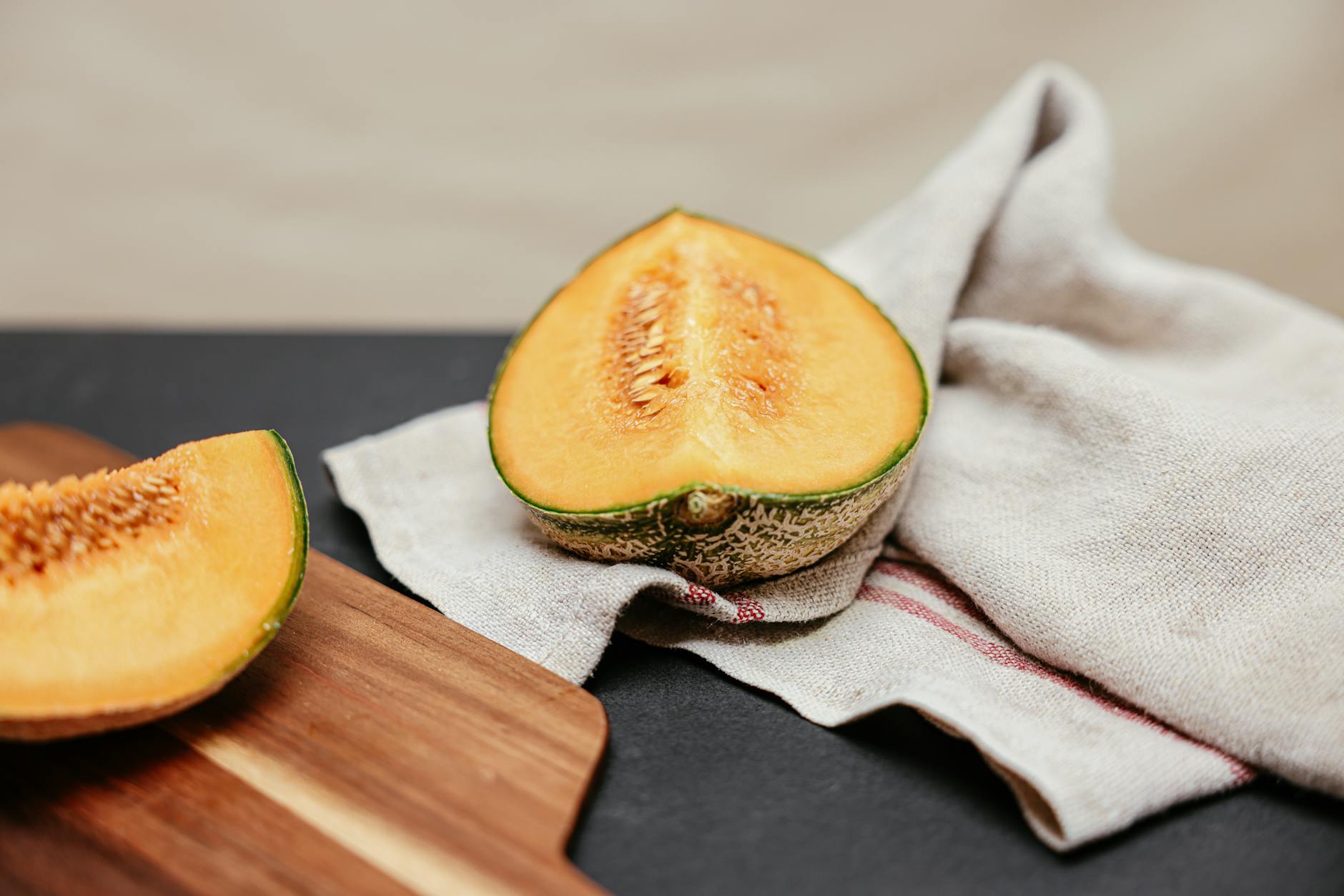
The flesh is the only part of the cantaloupe that is appropriate for cats. The rind and the seeds both present problems, though for different reasons. Cantaloupe rind is tough and fibrous, making it difficult for cats to chew and even harder to digest. A cat that swallows chunks of rind risks an intestinal blockage, which can become a surgical emergency. Beyond the physical hazard, the outer surface of cantaloupe is a well-documented carrier of bacteria, including Salmonella and Listeria.
The FDA has issued multiple recalls and advisories related to cantaloupe contamination over the years. Washing the outside before cutting reduces the risk of transferring bacteria to the flesh, but the rind itself should never be offered to a cat. Seeds are a mild choking hazard and can cause digestive upset, though they are not toxic. The practical move is to scoop out all seeds, cut the flesh away from the rind, and dice it into pieces small enough that your cat cannot choke. Think pea-sized for smaller cats, and no larger than a blueberry for bigger breeds.
How to Introduce Cantaloupe to Your Cat’s Diet Safely
Start with a single small piece, roughly the size of your pinky fingernail. Offer it and then wait 24 hours before giving more. This waiting period lets you observe whether your cat has any adverse reaction, such as vomiting, diarrhea, or lethargy. Most cats tolerate cantaloupe without incident, but individual sensitivities exist. The comparison worth considering is between cantaloupe and other cat-safe fruits. Watermelon is lower in sugar and higher in water content, making it a slightly better option for hydration during warm months.
Blueberries offer antioxidants in a conveniently small package that requires no cutting. Cantaloupe sits in the middle: it provides beta-carotene and vitamin C, but carries more sugar than watermelon and requires more preparation than blueberries. None of these fruits are nutritionally necessary for a cat eating a complete commercial diet, so the choice comes down to what your individual cat enjoys and tolerates. Serve cantaloupe at room temperature or slightly chilled. Frozen chunks can be a choking risk and may also cause tooth discomfort. Never add salt, sugar, or any seasoning.
Signs Your Cat Has Eaten Too Much Cantaloupe
The most common symptom of cantaloupe overindulgence is diarrhea. The combination of natural sugars and fiber overwhelms a cat’s short digestive tract, which is optimized for processing meat. Soft stool that resolves within a day after removing the fruit from the diet is not cause for alarm, but it is a clear signal to reduce the portion next time. More concerning signs include repeated vomiting, refusal to eat regular food, or visible abdominal discomfort such as a hunched posture or reluctance to be touched around the belly. These could indicate a mild gastrointestinal obstruction, particularly if the cat managed to eat rind or large unchewed pieces of flesh.
Contact your veterinarian if symptoms persist beyond 24 hours or if your cat appears lethargic. There is also the longer-term risk of weight gain. Cantaloupe is calorie-light by human standards, but calories add up quickly in a small animal. A cat that gets cantaloupe daily on top of full meals and other treats is consuming more than it needs. Weight management in cats is notoriously difficult once extra pounds are established, so preventing the problem is far easier than reversing it.

Can Kittens Eat Cantaloupe?
Kittens under one year old should generally not be given cantaloupe or other fruits. Their digestive systems are still developing, and their caloric needs are best met entirely through kitten-specific food formulated for growth.
A twelve-week-old kitten that fills up on cantaloupe instead of her regular meal is missing out on critical protein and taurine needed for heart and eye development. If you have an older kitten, around eight to ten months, and want to test their interest, a single tiny piece is unlikely to cause harm. But there is genuinely no benefit to offering it at that age, and the downside of disrupting a carefully balanced growth diet makes it a trade not worth making.
Cantaloupe as Part of a Broader Approach to Cat Treats
The trend in feline nutrition is moving toward treating cats as the carnivores they are, with an emphasis on high-protein, low-carbohydrate diets. Cantaloupe fits into this picture only as an occasional novelty, not a staple. As more cat owners shift toward raw and minimally processed diets, fruit treats are becoming less common in favor of freeze-dried meat treats and single-ingredient protein snacks.
That shift makes sense from a biological standpoint. If your cat enjoys cantaloupe, there is no need to take it away entirely. But it occupies a small and optional corner of the feline diet, and keeping it there is the responsible approach.
Conclusion
Cantaloupe is safe for most healthy adult cats in small, infrequent servings. Stick to the flesh only, cut it into appropriately small pieces, and limit portions to two or three small cubes no more than twice a week. Skip the rind and seeds entirely, and do not offer cantaloupe to diabetic cats or young kittens without veterinary guidance.
The best approach is to treat cantaloupe as what it is for cats: a harmless curiosity rather than a dietary building block. Your cat’s nutritional needs are met by quality commercial cat food or a veterinarian-approved homemade diet. If a bit of melon makes treat time more interesting for both of you, that is perfectly fine, just keep the portions honest and watch for any digestive pushback.
Frequently Asked Questions
Why does my cat go crazy for cantaloupe but ignore other fruits?
Ripe cantaloupe produces volatile compounds that resemble amino acid profiles found in meat. Your cat’s keen sense of smell picks up on these compounds, making cantaloupe more interesting than fruits with less complex aromatic profiles.
Can cantaloupe cause allergies in cats?
True fruit allergies in cats are rare, but they do occur. Signs would include itchy skin, swelling around the face, or gastrointestinal upset that recurs every time cantaloupe is offered. If you notice a pattern, discontinue the fruit and mention it to your vet.
Is canned cantaloupe safe for cats?
No. Canned fruit is typically packed in syrup or juice with added sugars, which is inappropriate for cats. Always use fresh, ripe cantaloupe with no additives.
Can cats eat honeydew or other melons?
Honeydew and watermelon are also non-toxic to cats and can be offered under the same guidelines as cantaloupe. Watermelon has less sugar, making it a marginally better choice. Avoid any melon with added flavoring or seasoning.
My cat ate cantaloupe seeds. Should I be worried?
A few seeds are unlikely to cause serious harm, but they can cause mild digestive upset. Monitor your cat for vomiting or changes in stool. If symptoms appear or your cat seems uncomfortable, contact your veterinarian.