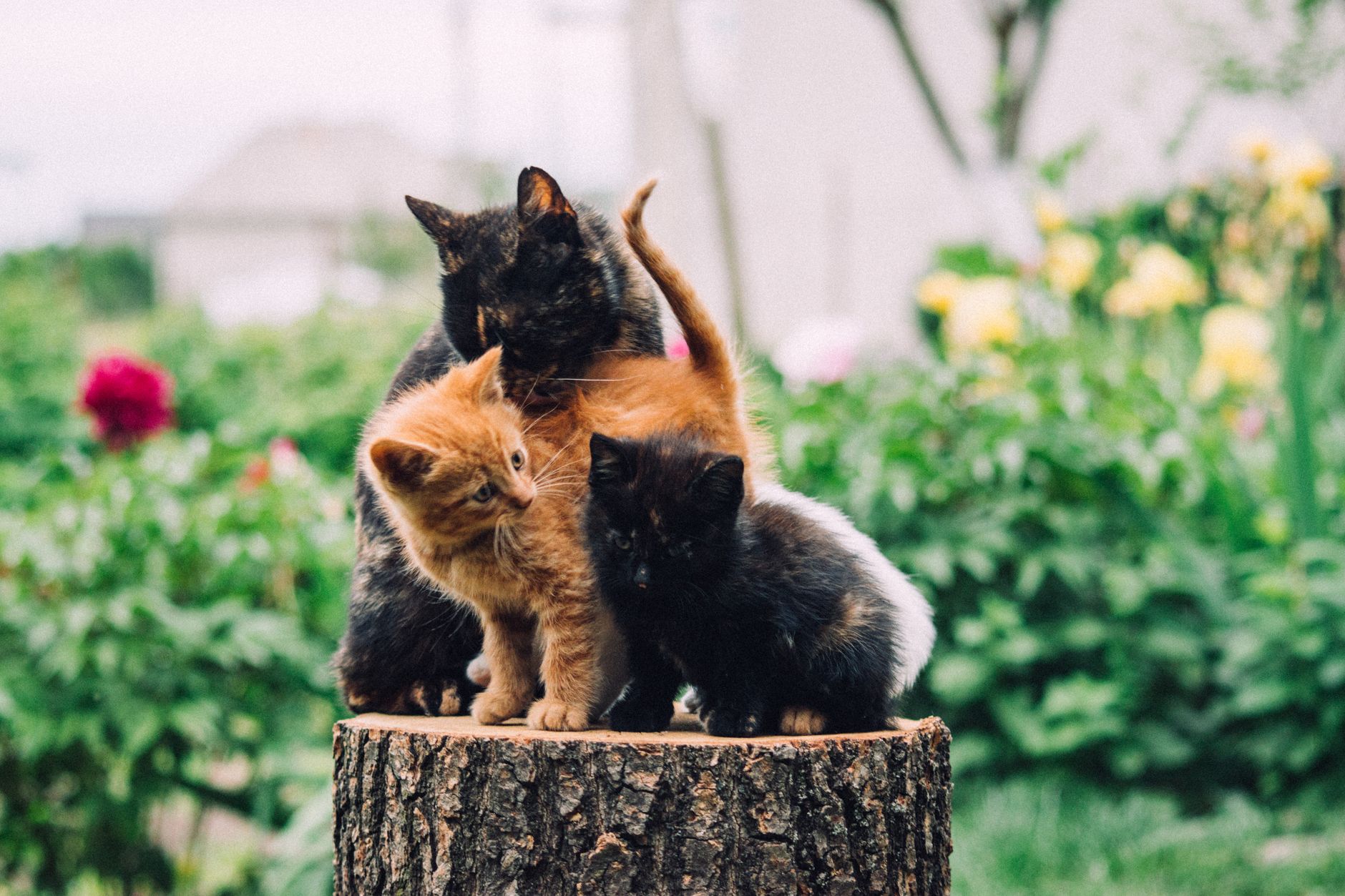
The cat socialization period for kittens is mainly about 2 to 7 weeks of age. It is the sensitive window when kittens form social attachments most easily and early experiences shape later behavior. During this time, contact with people and other animals has outsized long-term effects. Kittens handled often and gently tend to approach people readily, while kittens with little handling tend to stay cautious.
Table of Contents
- What happens during weeks 2 to 7?
- Why is missed early handling hard to make up?
- Does socialization stop at 7 weeks?
- How can owners use this window well?
What happens during weeks 2 to 7?
Kittens learn fastest during these weeks whom to treat as familiar and safe. Handling amount, handling start age, and home exposure all matter, as Clinician's Brief explains in its kitten socialization overview. Daily early handling is linked to earlier eye opening, earlier emergence from the nest, and earlier approach to people and toys.
Research summarized by International Cat Care also found that kittens handled by four or five different people before 7 weeks became more sociable toward people as adults, described in its guidance on raising litters. In practical terms, this means varied human contact matters more than one familiar caregiver. Short, calm sessions with different gentle people help a kitten learn that people in general bring safe interaction.
Why is missed early handling hard to make up?
After about 7 weeks, kittens can still form attachments and preferences. They simply do so more slowly and with greater difficulty. Kittens not routinely handled until 7 weeks of age may remain tentative and less interactive with humans.
Later contact can help, but it usually needs more time, patience, and repetition to reach the same comfort. For an owner choosing a kitten, early handling history is therefore a useful question. A kitten that was picked up, spoken to, and played with from the first weeks often settles into a new home with less fear.
Does socialization stop at 7 weeks?
No. The 2021 AAHA/AAFP feline life-stage guidelines place the sensitive period for new people, animals, and experiences at 2 to 3 weeks onward, closing by about 9 to 10 weeks, varying by individual, as detailed in the feline behavior and kitten environment guidelines. Timelines are not rigidly age-fixed.
Genetics, queen behavior, and littermate exposure also shape how quickly a kitten warms to new sights, sounds, people, and animals. That variation is why breeders and owners should continue gentle, positive exposures and social play opportunities through roughly 12 to 14 weeks. The earliest weeks carry the most weight, but the following weeks still influence confidence.
How can owners use this window well?
Focus on calm, positive, kitten-led contact. Keep sessions brief, watch for fear, and let the kitten approach, pause, or retreat.
For kittens older than 7 weeks, keep the same approach at a slower pace. Small, repeated successes build trust better than long sessions that overwhelm.
- Invite several calm adults to handle and play gently before 7 weeks when possible
- Offer everyday people sounds, safe household sights, and supervised contact with friendly animals
- Pair handling with play and rest, not forced holding
- Keep gentle exposures and social play going through about 12 to 14 weeks