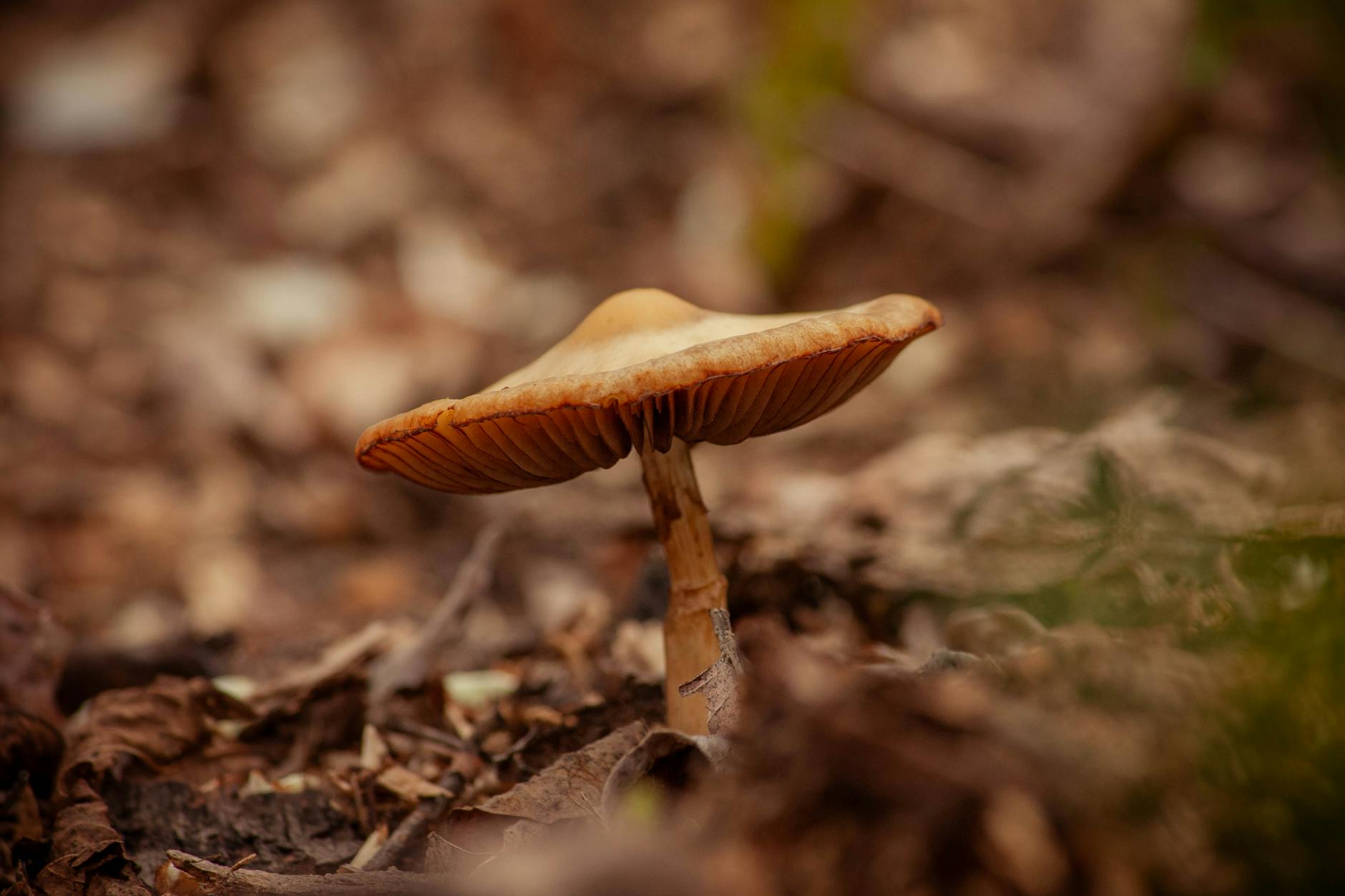
Yes, many wild mushrooms are toxic to cats and can cause serious illness or death. Some of the most dangerous species, like Amanita phalloides (death cap mushrooms), contain toxins that damage the liver and kidneys, and even small amounts can be lethal. Cats are naturally curious animals, and because they explore their environment by sniffing and sometimes nibbling plants and fungi, they’re at risk during mushroom season—typically spring through fall, depending on your climate.
This article covers which mushrooms are most dangerous to cats, what symptoms to watch for if your cat encounters wild mushrooms, how to prevent exposure, and what steps to take in a poisoning emergency. The severity of mushroom toxicity in cats depends on the species ingested and the amount consumed. Some mushrooms cause mild gastrointestinal upset, while others contain amatoxins or other compounds that trigger rapid organ failure. Many wild mushroom poisonings in cats are fatal without immediate veterinary treatment, which is why prevention and rapid recognition of symptoms are critical for cat owners in areas where wild mushrooms grow.
Table of Contents
- Which Wild Mushrooms Are Most Toxic to Cats?
- How Quickly Do Symptoms Appear After Mushroom Ingestion?
- Recognizing Poisoning Symptoms in Your Cat
- Immediate Steps If Your Cat Eats a Wild Mushroom
- Common Misconceptions About Mushroom Safety in Cats
- Preventing Mushroom Exposure in Your Home and Yard
- When to Consult a Veterinarian About Mushroom Safety
- Conclusion
Which Wild Mushrooms Are Most Toxic to Cats?
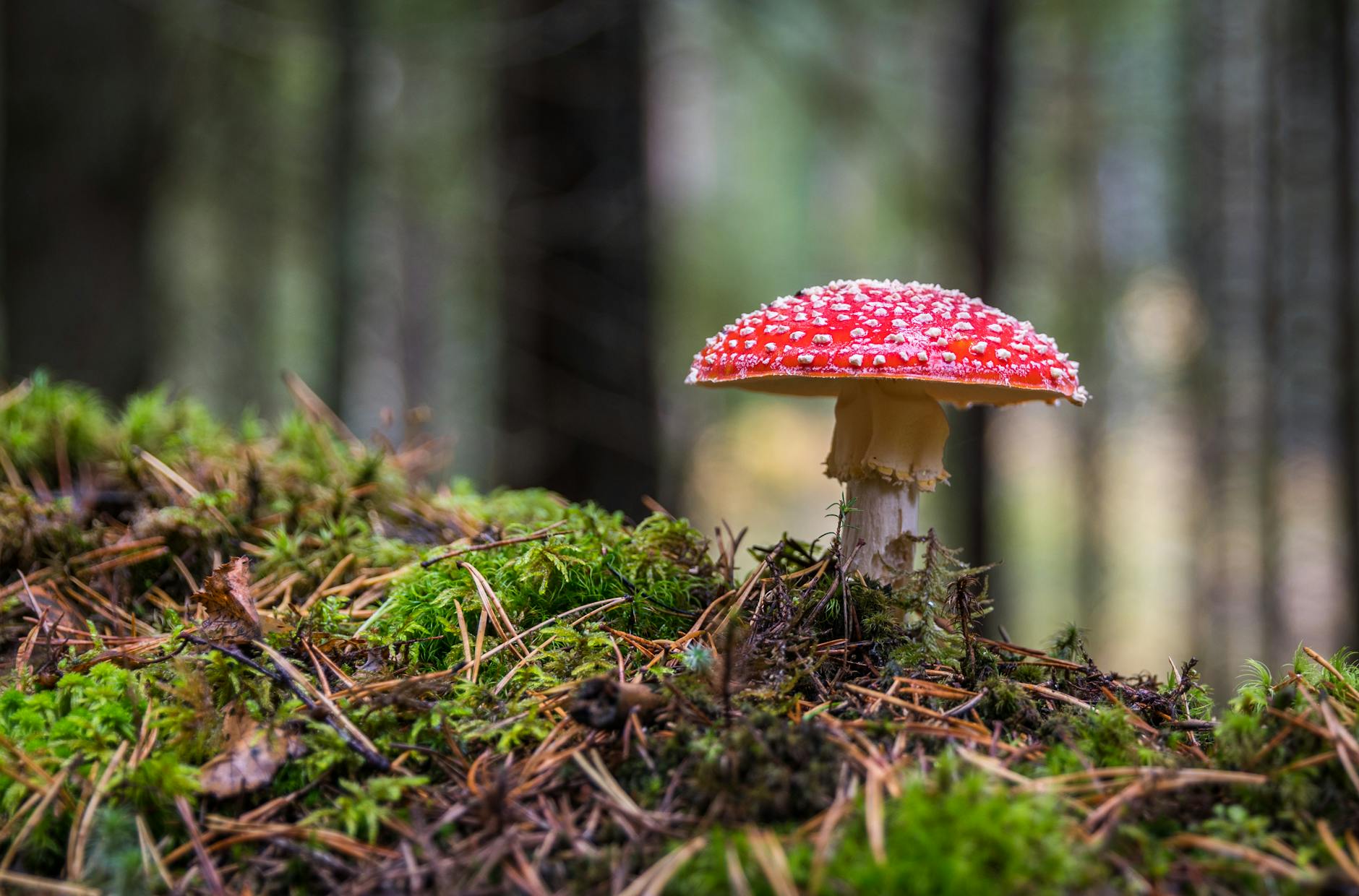
The death cap mushroom (Amanita phalloides) is the most dangerous mushroom species to cats. It contains amatoxins that are absorbed in the small intestine and damage the liver and kidneys. Even a small fragment—sometimes less than half a mushroom cap—can be lethal. Other highly toxic Amanita species include Amanita muscaria (fly agaric), Amanita pantherina (panther cap), and Amanita virosa (destroying angel).
These are found across North America and Europe, often in wooded areas near oak, pine, and fir trees. Beyond Amanita species, other dangerous mushrooms include Galerina marginata (deadly skullcap), Lepiota species (false parasols), and Inocybe species (fiber heads). Some mushrooms that are edible for humans, like morels and false morels, can actually cause illness in cats. A key distinction: just because a mushroom is safe for human consumption doesn’t mean it’s safe for cats, which have different metabolisms and can be more sensitive to certain toxins. The challenge for cat owners is that identifying mushroom species requires expertise—many toxic mushrooms look similar to non-toxic ones, so the safest approach is to assume all wild mushrooms are dangerous.
How Quickly Do Symptoms Appear After Mushroom Ingestion?
The timeline for symptoms varies dramatically depending on the mushroom type and the toxin involved. With Amanita species containing amatoxins, cats may appear fine for the first 6 to 24 hours after ingestion—this false recovery period is deceptive and dangerous. After the initial asymptomatic phase, severe symptoms appear: vomiting, diarrhea, abdominal pain, and excessive drooling. Within 2 to 3 days, liver and kidney damage becomes apparent, leading to jaundice, lethargy, loss of appetite, and potentially coma or death.
Other mushroom types trigger symptoms more quickly. Muscarine-containing mushrooms (found in some Inocybe and Clitocybe species) cause symptoms within 30 minutes to 2 hours, including drooling, vomiting, diarrhea, and excessive salivation. However, if your cat ate a mushroom and appears well, do not wait for symptoms to develop—contact a veterinarian immediately. The window for treatment is narrow with amatoxins, and activated charcoal or stomach pumping may be effective only if done within a few hours of ingestion. Delaying veterinary care because your cat seems fine could be fatal.
Recognizing Poisoning Symptoms in Your Cat
Early symptoms of wild mushroom poisoning include vomiting, diarrhea, loss of appetite, and abdominal pain. Your cat may drool excessively, seem lethargic, or act disoriented. Some cats vomit or have diarrhea within minutes of eating certain mushrooms; others show no signs for many hours. In severe poisonings, symptoms escalate to tremors, seizures, difficulty breathing, or a comatose state.
Liver and kidney damage from amatoxin poisoning develops over several days and manifests as jaundice (yellowing of the gums and whites of the eyes), extreme lethargy, dark urine, or pale gums. By this stage, organ damage may be irreversible. The challenge is that early symptoms of mushroom poisoning can resemble other common cat illnesses like gastroenteritis or food poisoning, so it’s essential to mention mushroom exposure to your veterinarian. If you saw your cat eating or sniffing a wild mushroom, or if you find mushroom pieces in your cat’s vomit, report this specifically—it helps your vet prioritize treatment with antitoxins or supportive care designed for mycotoxin poisoning.

Immediate Steps If Your Cat Eats a Wild Mushroom
If you witness your cat eating a wild mushroom or suspect ingestion, contact your veterinarian or an emergency veterinary clinic immediately. Do not wait for symptoms to appear. Bring a sample of the mushroom if possible—photograph it from multiple angles if you can’t collect it safely—as this helps your vet identify the species and understand the toxins involved. If your cat vomited, bring a sample of the vomit as well, as it may contain mushroom fragments.
Your veterinarian may induce vomiting or perform gastric lavage (stomach pumping) if the mushroom was ingested within the last 1 to 2 hours. Activated charcoal may be given to bind toxins in the stomach and intestines. For amatoxin poisonings, supportive care is critical: intravenous fluids, liver protectants, and monitoring of liver and kidney function through blood work. Some veterinary facilities have access to silibinin (milk thistle extract), which may help protect the liver from amatoxin damage. The key difference between early and delayed treatment is survival rate—cats treated within hours have significantly better outcomes than those brought in days later when organ damage is established.
Common Misconceptions About Mushroom Safety in Cats
One dangerous misconception is that mushrooms safe for humans are safe for cats. This is false. Cats have different metabolic pathways and sensitivities, and what’s edible for you may be toxic for your cat. Another common myth is that cats instinctively avoid poisonous mushrooms. Cats have no innate ability to detect mycotoxins through smell or taste, and their curiosity often overrides caution, especially in young or playful cats.
Some cat owners believe that cooking or boiling mushrooms removes toxins. This is only partially true—while heat may destroy some toxins, amatoxins are extremely stable and survive cooking temperatures. Feeding your cat cooked mushrooms, whether wild or cultivated, is not a safe workaround. Additionally, some owners think that small amounts of mushroom are harmless “just because my cat ate a little bit.” With highly toxic species, even tiny pieces can be lethal. Never assume a small ingestion is low-risk; toxic dose varies by mushroom species and cat weight, but many lethal species have no safe threshold.
Preventing Mushroom Exposure in Your Home and Yard
The most effective prevention strategy is removing mushrooms from areas where your cat spends time. Check your yard regularly during mushroom season, especially after rain, and remove any mushrooms you find—even if you don’t recognize the species, treat all wild mushrooms as potentially dangerous. Pull mushrooms out by the base, including the underground mycelium if possible, to prevent regrowth. Dispose of them in a sealed bag in the trash, away from your cat’s reach.
If you have a garden, be aware that mushrooms often appear in areas with rich soil, compost piles, or wood chips—all places cats may explore. Keep your cat indoors during peak mushroom season (spring and fall in most regions), or supervise outdoor time closely. Some cats, especially outdoor or indoor-outdoor cats, have greater exposure risk. If you use mulch or compost in your yard, choose products made from processed wood that’s less likely to support mushroom growth, and monitor these areas regularly. Even one exposure event can be fatal, so consistent prevention is far easier than emergency treatment.
When to Consult a Veterinarian About Mushroom Safety
If you live in an area with known populations of dangerous wild mushrooms—such as regions with abundant Amanita species—discuss this risk with your veterinarian during your annual wellness visit. Your vet can assess your cat’s lifestyle and exposure risk, recommend prevention strategies tailored to your situation, and ensure your cat’s vaccinations and liver and kidney health are optimized. Some veterinarians maintain resources about local mushroom species and can help you identify mushrooms in your yard.
Keep your veterinarian’s emergency contact information readily available, especially during mushroom season. If you have any doubt about whether your cat encountered a mushroom, it’s always better to call and describe the situation than to wait. Your vet can advise whether immediate examination is necessary or if monitoring at home is appropriate. The advances in emergency veterinary care and toxicology mean that rapid professional intervention offers the best chance of survival for cats poisoned by wild mushrooms.
Conclusion
Wild mushrooms pose a serious toxicity risk to cats, with some species like Amanita phalloides capable of causing death from ingestion of just a small amount. The danger is heightened by the fact that many toxic mushrooms are difficult to identify, cats lack instinctive avoidance of poisonous fungi, and symptoms may not appear immediately, creating a false sense of security. Prevention through regular yard monitoring, limiting outdoor access during mushroom season, and teaching family members to report any suspected mushroom ingestion is the most reliable way to keep your cat safe.
If your cat does encounter a wild mushroom, immediate veterinary care—before symptoms appear—offers the best chance of survival. Bring information about the mushroom and watch carefully for vomiting, diarrhea, lethargy, or other signs of illness. The combination of prevention awareness, rapid recognition of exposure, and prompt professional treatment forms your best defense against this serious threat to your cat’s health.