
Yes, cats can eat carrots safely, but only when prepared correctly and offered in small amounts. Carrots are non-toxic to cats and pose no poisoning risk, which puts them in a different category from genuinely dangerous foods like onions, garlic, or grapes. A small piece of cooked, plain carrot given as an occasional treat is perfectly fine for most healthy adult cats. For example, if your cat snags a soft bit of steamed carrot off your cutting board, there is no reason to panic or call your vet. That said, “safe” and “beneficial” are not the same thing.
Cats are obligate carnivores, meaning their bodies are built to run on animal protein and fat. They lack the digestive enzymes to efficiently break down plant matter and extract meaningful nutrition from vegetables. So while a carrot will not hurt your cat, it also will not do much for them nutritionally. Think of it less as a health food and more as a harmless novelty. This article covers how to properly prepare carrots for cats, the limited nutritional value they actually provide, which cats should avoid them entirely, and how carrots compare to other vegetables and commercial treats. We will also look at some common mistakes owners make when offering human foods to their pets.
Table of Contents
- Are Carrots Safe for Cats to Eat Raw or Cooked?
- What Nutritional Value Do Carrots Actually Offer Cats?
- Which Cats Should Not Eat Carrots at All?
- How to Introduce Carrots to Your Cat’s Diet Safely
- Common Mistakes When Feeding Cats Human Foods
- How Do Carrots Compare to Other Cat-Safe Vegetables?
- Should You Bother With Vegetables for Your Cat?
- Conclusion
- Frequently Asked Questions
Are Carrots Safe for Cats to Eat Raw or Cooked?
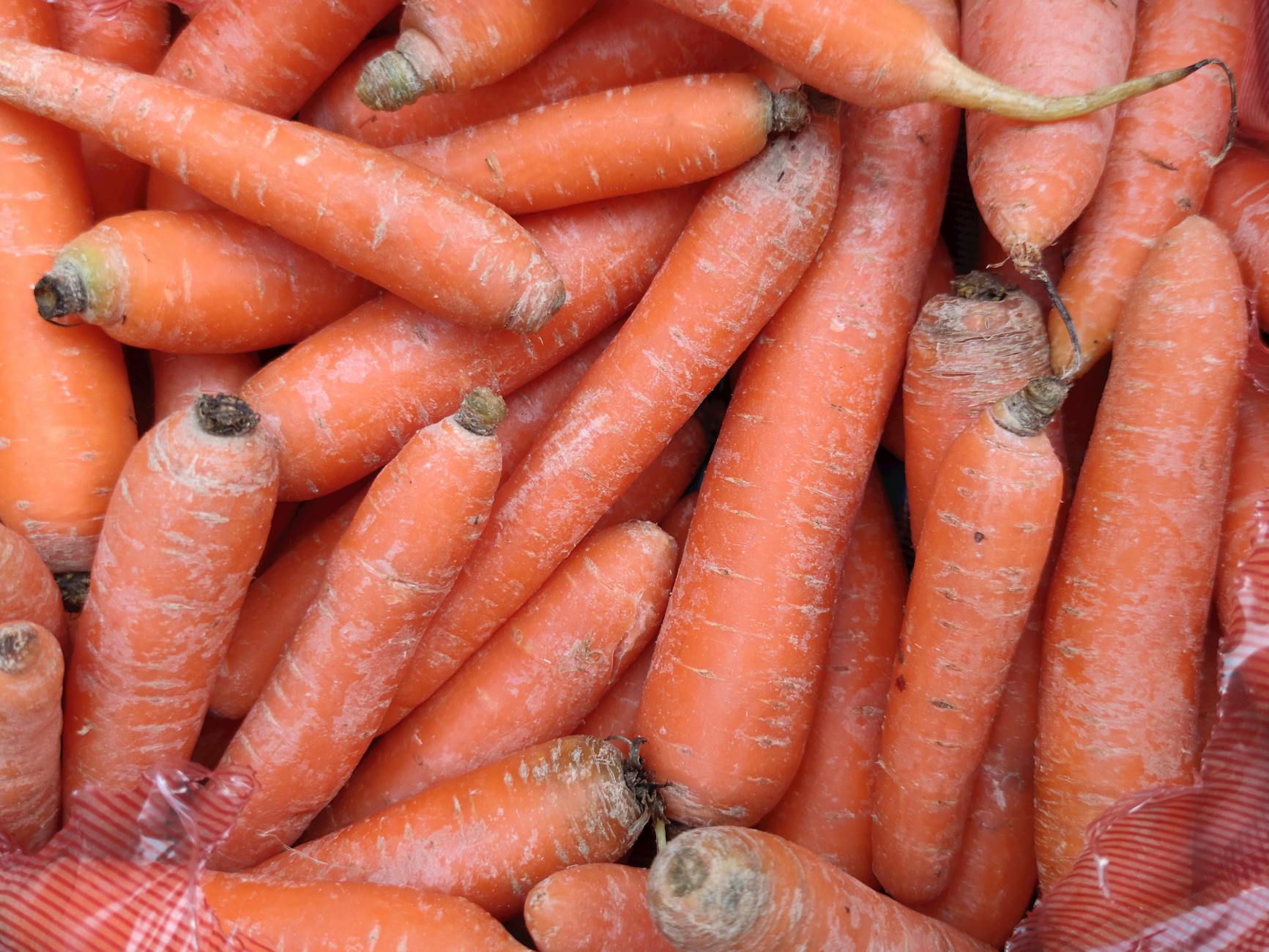
Raw carrots present a genuine choking hazard for cats. A hard, uncooked chunk of carrot is difficult for a cat to chew properly, and their teeth are designed for tearing meat, not grinding vegetables. Small raw pieces can also cause intestinal blockage in cats, particularly kittens or smaller breeds. If you want to share carrots with your cat, cooking them first is not optional — it is the only responsible way to do it. Steamed or boiled carrots that have been mashed or cut into tiny, soft pieces are the safest option. Do not add butter, salt, garlic, onion powder, or any seasoning.
Plain is the rule. Roasted carrots are acceptable as long as they were not cooked with oil or spices. Avoid canned carrots, which often contain added sodium that cats do not need and their kidneys should not have to process in excess. One comparison worth noting: a raw baby carrot is roughly the size of a cat’s esophagus. What seems like a small, harmless snack to a human can be a legitimately dangerous object for a ten-pound animal. The few extra minutes it takes to steam and dice a carrot could prevent an emergency vet visit.
What Nutritional Value Do Carrots Actually Offer Cats?
Carrots are rich in beta-carotene, fiber, and several vitamins that are beneficial to humans. The problem is that cats cannot convert beta-carotene into vitamin A the way humans and dogs can. Cats require preformed vitamin A, which they get from animal tissues like liver. So the headline nutrient in carrots — the one that makes them a superfood for people — is essentially useless to your cat’s biology. The fiber in carrots can have a mild benefit for cats with occasional constipation, but this is a blunt tool for a problem that usually has a specific underlying cause.
If your cat is constipated regularly, adding carrot to their diet is not a substitute for veterinary evaluation. However, if your vet has recommended increasing fiber intake and your cat happens to enjoy the taste of cooked carrot, it can serve as one small part of that strategy. The water content in cooked carrots is modest but real, and some cats that are reluctant drinkers may get a tiny hydration boost from watery foods. That said, wet cat food or a water fountain will always be more effective solutions for a cat that does not drink enough. Relying on carrots for hydration is like relying on a thimble to fill a bathtub.
Which Cats Should Not Eat Carrots at All?
Diabetic cats should not be given carrots. Carrots have a relatively high sugar content compared to other vegetables, and while the amount in a small treat-sized portion is minimal, cats with diabetes need carefully controlled diets. Introducing unregulated carbohydrate sources — even natural ones — can complicate blood sugar management. If your cat is diabetic, check with your vet before offering any food outside their prescribed diet. Cats with inflammatory bowel disease, chronic gastrointestinal issues, or a history of food sensitivities should also skip the carrot experiment.
Introducing new foods to a cat with an already irritable digestive system can trigger vomiting, diarrhea, or a flare-up that takes days to resolve. For example, a cat being treated for IBD with a hydrolyzed protein diet should not be getting random vegetables on the side, no matter how harmless those vegetables seem. Kittens under one year old are another group to be cautious with. Their digestive systems are still developing, and their nutritional needs are extremely specific. Kittens need calorie-dense, protein-rich food to support rapid growth. Filling any portion of their tiny stomachs with low-calorie carrot means they are getting less of what they actually need.
How to Introduce Carrots to Your Cat’s Diet Safely
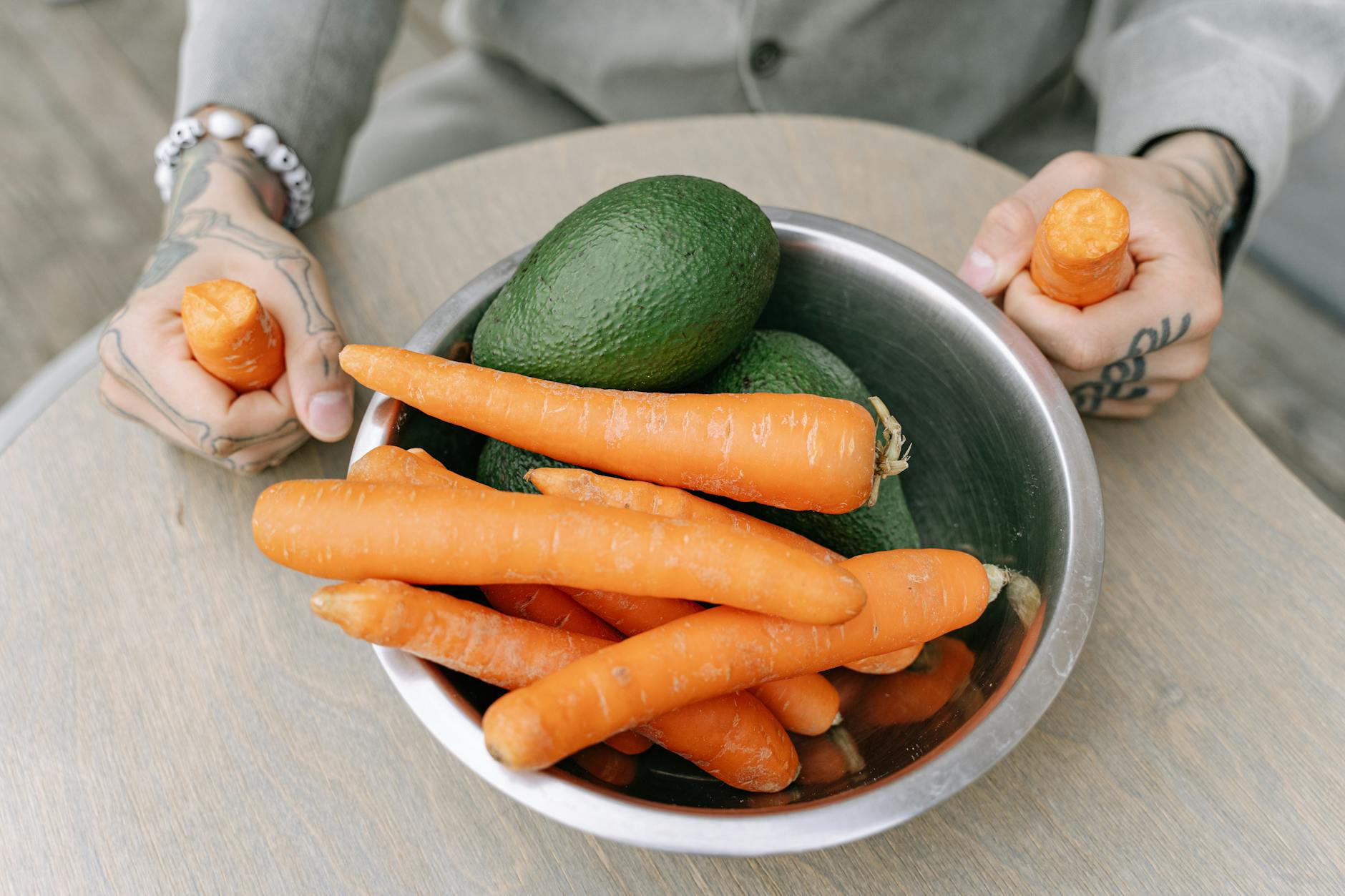
Start with a piece no larger than your pinky fingernail. Offer it once and then wait 24 hours to watch for any signs of digestive upset — vomiting, diarrhea, loss of appetite, or lethargy. Most cats will tolerate cooked carrot without any issues, but individual reactions vary. If your cat shows no adverse effects, you can occasionally offer a similarly small portion, but never more than once or twice a week. The tradeoff with any treat — carrots included — is caloric displacement. Every calorie your cat gets from a non-nutritive source is a calorie not coming from their balanced cat food.
Veterinary nutritionists generally recommend that treats of all kinds make up no more than ten percent of a cat’s daily caloric intake. For an average indoor cat eating roughly 200 calories a day, that is about 20 calories of treats. A tablespoon of cooked carrot contains roughly 4 calories, so the math works out fine as long as you are not also giving cheese, tuna, and commercial treats on top of it. Compared to commercial cat treats, a bit of plain cooked carrot is lower in calories, contains no artificial additives, and costs almost nothing. The downside is that most cats simply will not care about it. Do not be surprised or offended if your cat sniffs the carrot and walks away. Unlike dogs, cats do not have taste receptors for sweetness, so the appeal that makes carrots a popular snack for other species is largely lost on felines.
Common Mistakes When Feeding Cats Human Foods
The most frequent mistake is assuming that foods safe for dogs are automatically safe for cats. Dogs and cats have fundamentally different metabolisms. Dogs are omnivores with more flexible digestive systems, while cats are strict carnivores with specific and unforgiving nutritional requirements. A food that is healthy for your dog might be pointless or even harmful for your cat. Another common error is offering too much, too often. A well-meaning owner who discovers their cat likes steamed carrots might start adding them to every meal, gradually increasing the portion.
Over weeks, this displaces enough balanced nutrition to create subtle deficiencies. The cat may look fine outwardly while developing problems that do not surface until a vet visit reveals unexplained weight changes or bloodwork abnormalities. Seasoning is the silent danger. Many people cook carrots with garlic, onion, or butter as a matter of habit and then share from the same batch with their pets. Garlic and onion are toxic to cats even in small quantities, causing oxidative damage to red blood cells that can lead to anemia. A carrot glazed with brown sugar and butter is not a cat treat — it is a health risk. Always set aside a plain portion before seasoning if you plan to share.
How Do Carrots Compare to Other Cat-Safe Vegetables?
If your cat enjoys the occasional vegetable and you want to offer variety, a few other options are considered safe in small cooked amounts: peas, green beans, zucchini, and pumpkin. Pumpkin, in particular, has a longer track record as a feline digestive aid and is more commonly recommended by vets for cats with mild constipation or diarrhea. Plain canned pumpkin (not pie filling) is easier to serve than carrots and tends to be better accepted by cats.
Green beans offer a similar low-calorie, high-fiber profile to carrots but with less sugar, making them a marginally better option for cats that need to lose weight. That said, none of these vegetables should be treated as a regular dietary component. They are all occasional extras at best, and a cat that eats high-quality commercial food formulated for their life stage does not need any of them.
Should You Bother With Vegetables for Your Cat?
The honest answer for most cat owners is probably not. If your cat is healthy, eating a nutritionally complete diet, and maintaining a good weight, vegetables add nothing meaningful to their life. The appeal is largely psychological — it feels good to share “healthy” food with a pet. But projecting human nutritional values onto an obligate carnivore is a misunderstanding of how their bodies work.
Where vegetables like carrots can play a small legitimate role is in weight management plans supervised by a veterinarian. Substituting a tiny amount of low-calorie cooked vegetable for a portion of high-calorie commercial treats can help reduce overall intake without making the cat feel deprived. But this should be part of a structured plan, not a freelance decision. As feline nutrition research continues to advance, the consensus remains clear: meat-based proteins are the foundation of feline health, and everything else is a footnote.
Conclusion
Carrots are safe for cats in small amounts when cooked plain and cut into manageable pieces. They are non-toxic, low in calories, and unlikely to cause problems for healthy adult cats as a rare treat. However, they offer almost no nutritional benefit to an obligate carnivore, and they come with real risks if served raw, seasoned, or in excessive quantities. Cats with diabetes, gastrointestinal conditions, or very young kittens should avoid them entirely.
The best approach is straightforward: if your cat shows interest in a bit of steamed carrot, let them have a small taste occasionally. If they ignore it, do not force the issue. Focus your energy on providing high-quality, species-appropriate food and fresh water. Those basics matter far more than any vegetable ever will for a cat.
Frequently Asked Questions
Can cats eat carrot cake or carrot muffins?
No. Baked goods contain sugar, butter, spices, and often ingredients like nutmeg or raisins that are harmful to cats. Only plain cooked carrots with no additives are safe.
Will carrots help my cat’s eyesight?
This is a myth even for humans, and it is doubly misleading for cats. Cats cannot convert beta-carotene into vitamin A, so carrots provide zero vision benefit to felines. Cats get the vitamin A they need from meat-based diets.
How much carrot can I give my cat per day?
No more than one to two small pieces (roughly a teaspoon of mashed cooked carrot) and not every day. Once or twice a week is sufficient. Treats of all kinds should stay under ten percent of daily caloric intake.
My cat ate a raw carrot — should I be worried?
If it was a small piece and your cat chewed it without choking, monitor for vomiting or signs of digestive discomfort over the next 24 hours. If your cat is gagging, drooling, or showing signs of an obstruction, contact your vet immediately.
Do any cats actually like carrots?
Some do, though it is not common. Cats lack sweet taste receptors, so the flavor appeal is limited. Cats that enjoy carrots are likely attracted to the texture rather than the taste. Preferences vary widely between individual animals.