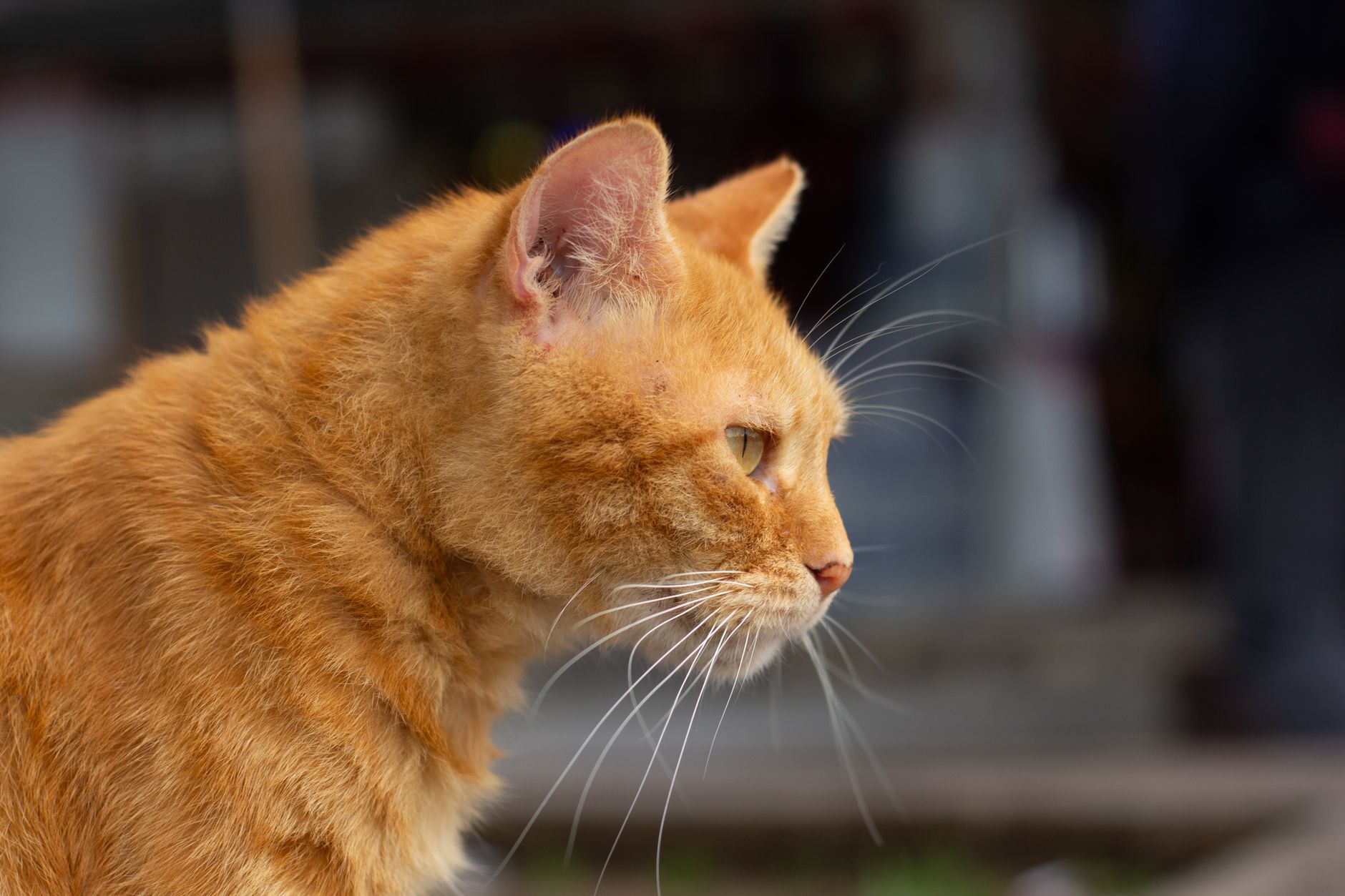
Cat diabetes is high blood sugar from faulty insulin action, and current care combines insulin or new oral drugs with diet and weight control. Watch for extra thirst and urination, weight loss despite hunger, lethargy and weakness, and ask your vet about diagnosis, safety limits, and monitoring. Cornell University College of Veterinary Medicine identifies obesity as the most common predisposing cause in its Cornell feline diabetes overview. Early review matters because food, dose, and monitoring must stay matched to keep blood sugar stable.
Table of Contents
- What signs should prompt a vet visit?
- How do vets confirm diabetes?
- What care options will your vet discuss?
- How do you keep daily care safe?
- Can diabetes go into remission?
What signs should prompt a vet visit?
Thirst and urine output often rise first. Owners notice a fuller water bowl and heavier, more frequent litter clumps. Appetite may stay strong or grow while weight falls.
Energy drops and muscles weaken. Cats sleep more, jump less, and may walk flat on back hocks. These changes deserve prompt testing rather than a wait-and-see diet switch.
- more thirst and larger urine clumps
- weight loss despite good appetite
- lethargy, weakness, or flat-footed hind steps
How do vets confirm diabetes?
The Merck Veterinary Manual describes diagnosis as persistent high blood glucose plus glucose in urine, matched to clinical signs. Stress alone can briefly raise feline blood sugar.
That is why vets repeat tests instead of treating one high reading. Bring notes on water intake, urine volume, food amount, weight change, and energy. Ask whether results show persistence, whether urine was checked, and what recheck timing rules out stress effects.
What care options will your vet discuss?
Standard care remains twice-daily insulin plus diet, weight control, and regular glucose and fructosamine checks. Protamine zinc insulin for cats is listed in FDA Green Book records and ProZinc labeling. Fructosamine is a blood test that reflects average sugar over prior weeks. For some newly diagnosed, insulin-naive cats, FDA approved once-daily oral non-insulin drugs. Elanco announced bexagliflozin tablets on Dec.
8, 2022 in its Elanco FDA approval notice for bexagliflozin tablets. Boehringer Ingelheim received approval for velagliflozin oral solution on Aug. 16, 2023, described in its Boehringer Ingelheim approval notice for velagliflozin oral solution. These pills are not for every cat, so eligibility screening matters. The American Association of Feline Practitioners Diabetes Toolkit recommends low-carbohydrate, high-protein food for most diabetic cats, generally under 12-15% of calories from carbohydrate. It also advises lifelong low-carbohydrate feeding after remission.
How do you keep daily care safe?
Changing food without veterinary dose review is unsafe, according to International Cat Care and AAHA dietary guidance. Lower carbohydrate intake can lower insulin needs and trigger hypoglycemia. Signs include trembling, weakness, disorientation, seizures, or collapse. The Florida Veterinary Medical Association warns about euglycemic diabetic ketoacidosis with SGLT2 pills in its Florida Veterinary Medical Association guide to euglycemic DKA.
Dangerously ill cats may show near-normal glucose. Ask about ketone monitoring and sick-day stop rules before starting. PetMD describes diabetic ketoacidosis as a medical emergency needing immediate veterinary care. Do not wait at home if these signs appear.
- vomiting or refusal to eat
- extreme lethargy
- rapid breathing, dehydration, or sweet fruity-smelling breath
Can diabetes go into remission?
Remission means insulin can be stopped for a time. EveryCat Health Foundation and Cornell link higher chances to early diagnosis, low-carbohydrate diet, and weight loss.
About 30% relapse, so monitoring and weight control must continue. Keep rechecks, steady meals, and monthly weight notes even after shots stop.