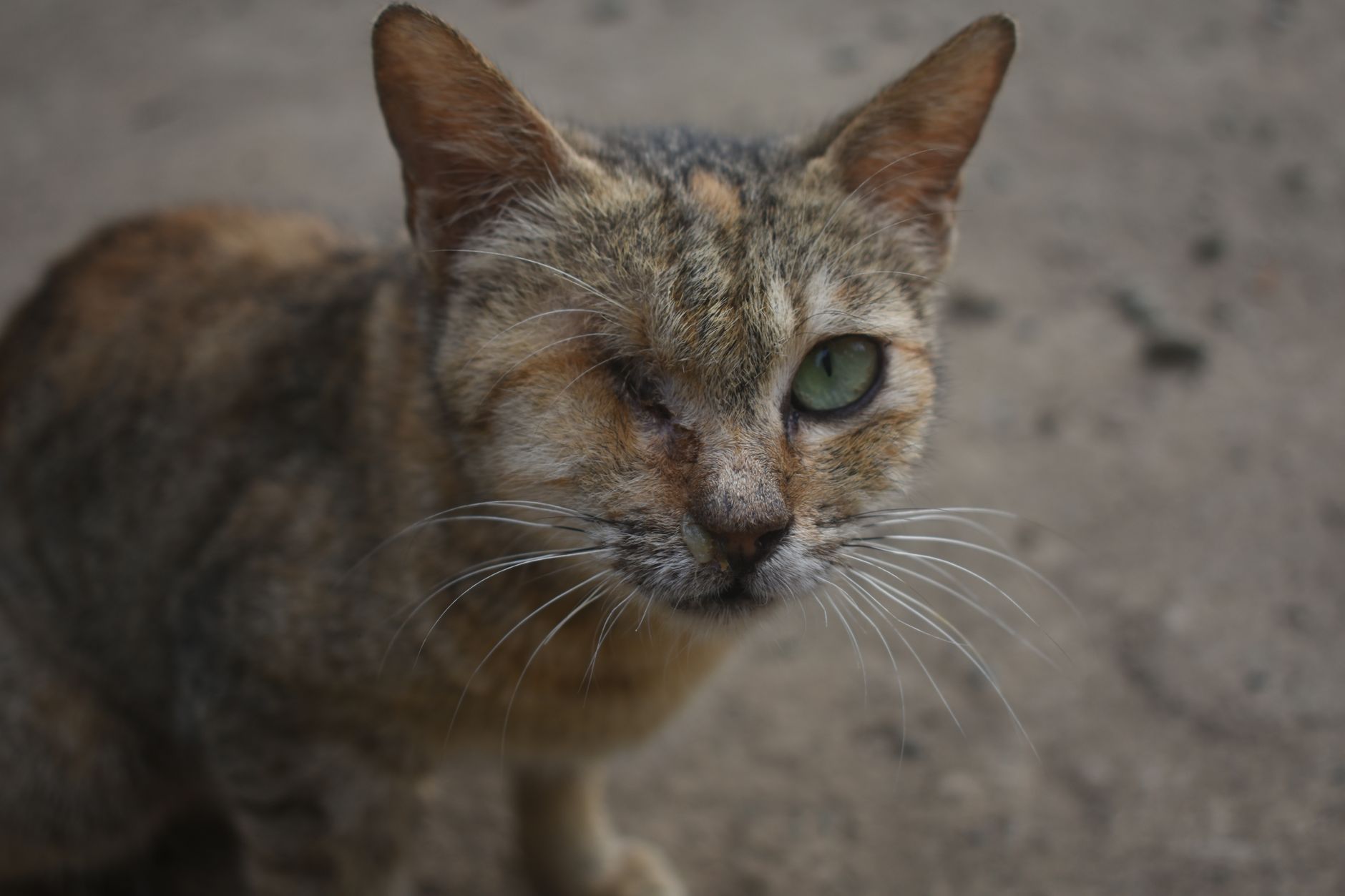
A cat in California survived an extraordinary ordeal when it became trapped in the undercarriage of a truck and remained clinging to the vehicle’s frame as it traveled approximately 30 miles down an interstate highway. The cat endured the noise, vibration, wind, and physical stress of the journey before being discovered and rescued. This incident stands as a remarkable testament to the unexpected capacity of cats to survive severe trauma when circumstances align—and a stark reminder of dangers that most pet owners never consider possible. The survival of this cat defies what many would expect.
A 30-mile ride beneath a truck involves extended exposure to extreme conditions: the heat generated by friction and engines, the deafening roar of traffic and machinery, rocks and debris kicked up from the road, and the constant threat of being dislodged at any moment. Yet the cat held on, driven by an instinct to survive that overrode the obvious dangers. When the cat was finally discovered and brought to a veterinary emergency facility, it had injuries and trauma that required immediate medical intervention—but the injuries were survivable, and the cat received the care it desperately needed. Similar incidents, though rare, have occurred in various locations when pets have hidden in vehicle compartments or become wedged in dangerous positions before traveling. The outcome in each case depends on duration, the specific conditions of the ride, the animal’s initial health, and how quickly veterinary care is obtained after discovery.
Table of Contents
- How Does a Cat Become Trapped Beneath a Moving Vehicle?
- The Physical and Physiological Toll of Extreme Vehicle Travel
- Veterinary Trauma Assessment After Extreme Exposure
- Prevention: Securing Your Cat When Vehicles Are Present
- Behavioral Changes and Long-Term Consequences After Trauma
- The Role of Luck and Individual Variation in Survival
- What Every Cat Owner Should Know About Hidden Vehicle Dangers
How Does a Cat Become Trapped Beneath a Moving Vehicle?
cats commonly hide in vehicle wheel wells, under bumpers, or within engine compartments when they’re startled, seeking warmth, or exploring an unfamiliar space. A truck parked in a driveway, parking lot, or street can be an irresistible refuge for a curious cat. Unlike enclosed spaces such as the interior of a car, these external compartments offer no obvious danger to an animal seeking shelter—a cat cannot distinguish between a stationary truck and one that might suddenly start moving. The moment the engine starts and the vehicle begins driving, the cat’s presence becomes unknown to the driver and the situation transforms into a survival emergency. The grip a cat maintains comes from its remarkable claw structure and climbing ability.
Cats can dig their claws into metal, rubber, and textured surfaces with surprising effectiveness. When frightened or clinging for survival, a cat’s natural grip response becomes activated. The exact physics of how a cat maintains position during a 30-mile drive likely involves a combination of claw grip, weight distribution across a relatively stable section of the undercarriage, and the specific aerodynamic forces that either push or pin the animal against the vehicle. High-speed highway driving creates wind forces that, counterintuitively, may have worked in the cat’s favor by pressing it against the frame rather than tearing it away. Cats hidden in vehicles are one of the hidden risks of pet ownership that rarely appear in standard safety guidelines. A cat that goes missing or whose whereabouts are unknown should never be assumed safe, particularly if a vehicle or truck was in the area where the cat was last seen.
The Physical and Physiological Toll of Extreme Vehicle Travel
A cat enduring 30 miles of highway travel beneath a truck experiences physiological stress that most animals cannot tolerate. Body temperature regulation becomes compromised by exposure and fear. Heart rate elevates to dangerous levels as the cat remains in a state of acute stress. The repeated impacts from road surface irregularities, the vibration of the engine and undercarriage, and the noise create a sensory environment designed to trigger maximum panic in an animal adapted to quiet domestic spaces. Muscle fatigue becomes significant as the cat uses every bit of strength to maintain its grip. Dehydration occurs rapidly in a frightened animal.
Although the journey may last only 30-45 minutes at highway speeds, the cat’s body loses moisture through rapid breathing and stress response. Hypothermia or heat stress can develop depending on weather conditions and engine temperature exposure. A cat wedged near hot components such as an exhaust manifold faces burn risk, while a cat exposed to wind and motion loses core heat rapidly. Injuries from flying road debris, scraping against metal edges, or impact from undercarriage components cause bleeding and tissue damage that may not be immediately visible when the cat is finally discovered. The limitation of cat physiology in this scenario is that even a young, healthy cat operates near the edge of what it can tolerate. An older cat, a very young kitten, or a cat with any pre-existing health condition could easily succumb to such trauma where a robust adult might survive. The survival of any individual cat in this situation involves significant luck alongside physiological resilience.
Veterinary Trauma Assessment After Extreme Exposure
When a cat is recovered after surviving such an ordeal, immediate veterinary assessment is critical because injuries may not be apparent to an untrained observer. A cat that appears responsive and relatively uninjured may have internal bleeding, fractured ribs that puncture lungs, abdominal trauma affecting the liver or spleen, or spinal injuries that cause partial paralysis. The stress of the ordeal itself can trigger fatal complications such as blood clots, organ failure, or severe shock in the hours following rescue. A veterinary examination following extreme trauma typically includes X-rays or ultrasound to visualize internal organs and detect bleeding or fractures. Blood work reveals whether the cat’s organs are functioning or if damage has been done.
Pain management becomes essential, as does fluid therapy to address dehydration and begin reversing shock. Antibiotics are often administered because even small lacerations that contacted contaminated road surfaces carry infection risk. The cat may require several days of intensive monitoring and support care before the full extent of injuries becomes clear. The expenses associated with trauma care of this severity can exceed $2,000 to $5,000 depending on the extent of injuries and the duration of hospitalization required. Pet owners who find themselves in this situation face both the emotional relief of their cat’s survival and the financial burden of emergency and ongoing care. Recovery, if it occurs, may extend weeks or months, with some cats experiencing lasting behavioral changes or chronic pain from injuries sustained.
Prevention: Securing Your Cat When Vehicles Are Present
The primary defense against this scenario is awareness of where your cat is at all times when vehicles are in use nearby. Before starting any vehicle, checking underneath is impractical for most people, but establishing a routine where your cat is indoors or in a secure location away from parked vehicles significantly reduces risk. Cats that are allowed outdoor access should be monitored during the time period when vehicles are being loaded, parked, or prepared for use. Microchipping your cat provides identification if it goes missing, though it doesn’t prevent the primary disaster.
Creating an environment where your cat is less likely to hide in vehicle spaces involves minimizing the appeal of such spaces—a cat that has access to an indoor shelter, adequate attention, and enrichment is less likely to seek refuge beneath a truck. Outdoor cats, while they face many risks, should have identification, vaccination records, and ideally a microchip, because the scenario in this article could happen to any cat in any vehicle-accessible location. The tradeoff of outdoor versus indoor cat management is complex, and the risks extend far beyond vehicle entrapment. Cats that remain indoors exclusively avoid this particular hazard entirely, along with traffic accidents, predators, diseases, and parasites. Cats allowed outdoor access gain stimulation and exercise but face multiple environmental hazards, of which vehicle entrapment is merely one.
Behavioral Changes and Long-Term Consequences After Trauma
A cat that survives extreme trauma often experiences psychological aftereffects that last months or years. The incident involving sensory overload, inability to escape, and physical pain creates a profound fear response in an animal. Post-traumatic stress in cats manifests as excessive hiding, reluctance to go near vehicles, aggression when frightened, or regression in litter box habits. Some cats become hypervigilant, startled by sounds that remotely resemble engine noise or traffic. Trust may take months to rebuild if the cat associated its owner or the owner’s vehicle with the traumatic event.
A cat trapped under the owner’s truck faces the added confusion of a betrayal—the safe space of home was associated with the vehicle that caused the trauma. Patience and consistent, gentle handling help, though some cats never fully recover their previous personality or confidence. Behavioral medications prescribed by a veterinarian may be necessary during the recovery period. A limitation to understand is that even with excellent care and time, some cats never return to their pre-trauma baseline. The neurological and emotional impact of extreme survival events in animals leaves permanent marks. An owner should have realistic expectations that a previously social, confident cat may become withdrawn or anxious permanently.
The Role of Luck and Individual Variation in Survival
Why does one cat survive while another might not in identical circumstances? Several factors create dramatic variation in outcome. A cat’s age, pre-existing health conditions, size, weight distribution, exact positioning on the vehicle, weather conditions during travel, and road conditions all influence survival probability. A kitten or elderly cat faces much worse odds than a healthy adult.
A cat positioned where it can maintain grip with minimal effort survives more readily than one clinging desperately to a steep surface. An incident that occurs on a 20-minute highway journey in mild weather produces radically different trauma than a 30-mile journey in extreme heat on congested roads. A cat that lands on a smooth surface with accessible handholds faces better prospects than one wedged in a confined space or repeatedly striking metal edges. The veterinary care available immediately after rescue also determines survival—a cat brought to an emergency facility within hours has a much better prognosis than one discovered only after sleeping in a garage for days.
What Every Cat Owner Should Know About Hidden Vehicle Dangers
Beyond undercarriage entrapment, vehicles present multiple lethal hazards to cats. A cat can hide in the engine compartment and suffer fatal burns when the engine reaches operating temperature. An engine starting with a cat nestled against a serpentine belt or fan results in catastrophic injury within seconds. Cats have died from pressing against windows and doors left partially open as vehicles accelerated on highways, leading to asphyxiation from wind-related pressure changes or impact injuries.
Open truck beds seem safe but present drowning risk if a cat falls into water or wind-related falls during driving. The ordinary behaviors of vehicles—the starting of engines, the closing of doors, the sudden movement—pose lethal risks to cats that have hidden nearby. An owner who suspects a cat may be hiding in or under a vehicle should never start the engine. Instead, checking every accessible space, making noise to scare the cat out, and using humane trapping if necessary protects the cat’s life. If a missing cat was last seen near a location where vehicles were present, checking the undercarriage of those vehicles should be a first action, not a last resort.