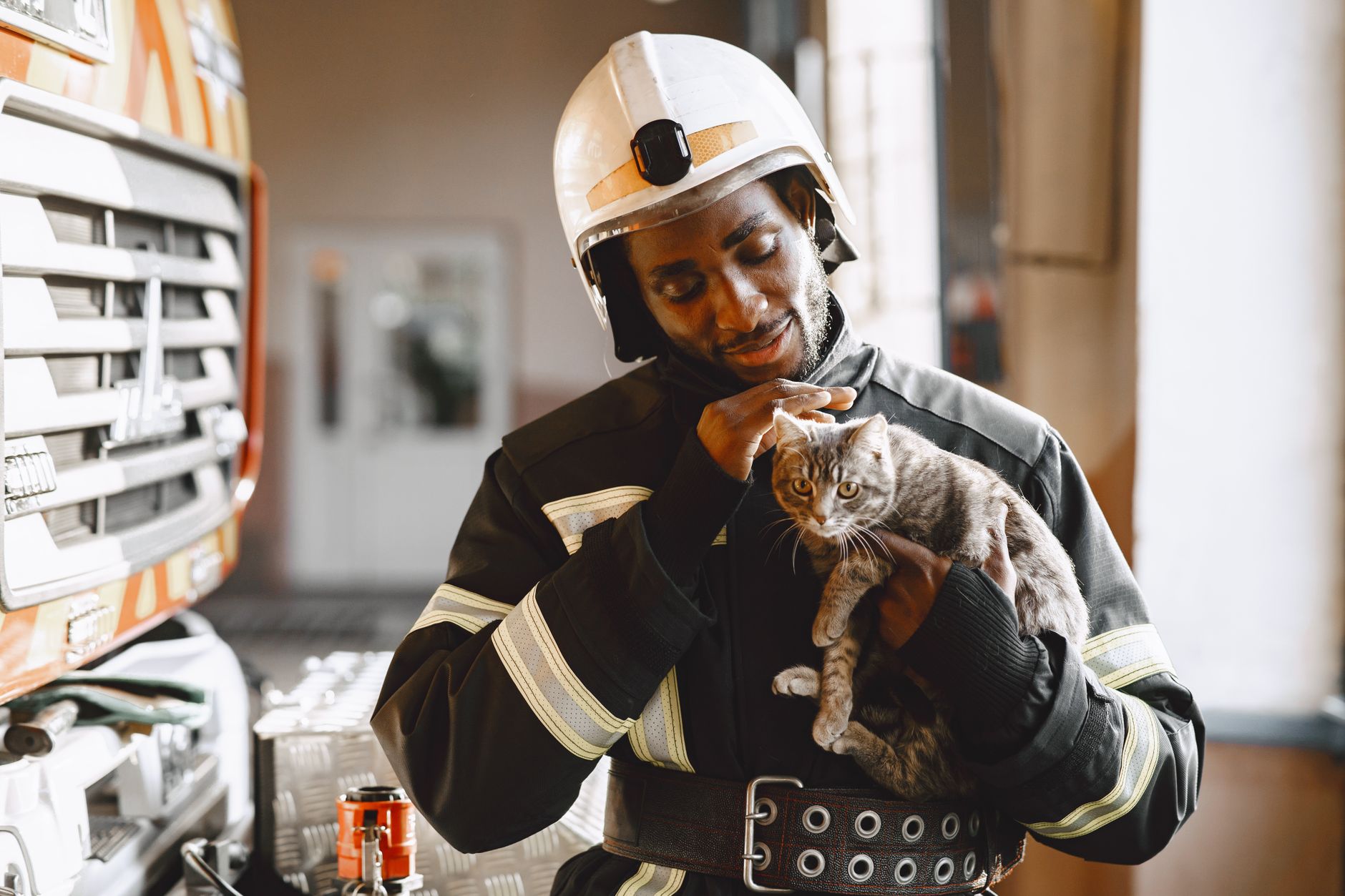
Rescuing and transporting feral kittens requires careful planning, appropriate equipment, and the right protective measures. The primary goal is to move frightened, unsocialized animals from potentially dangerous outdoor environments to safety—whether that’s a shelter, foster home, or rescue facility—without injury to either the kitten or yourself. A feral kitten under six weeks old that’s huddled under a deck, exposed to traffic and predators, must be approached as a wild animal first and a pet only after extensive socialization, which changes how you handle the rescue operation entirely. The techniques differ significantly from what most people expect when rescuing a stray kitten.
A feral kitten will not come to you willingly; it will fight, scratch, and bite as a survival mechanism, not out of aggression. This means that gentle coaxing won’t work, and neither will trying to pet or comfort the animal during capture. Instead, successful rescues rely on specific handling methods, containment strategies, and transportation protocols that professional cat rescuers have developed through years of managing frightened, unsocialized animals. Whether you’re responding to a litter of kittens spotted in a barn or helping a rescue organization round up outdoor cats before winter, understanding the practical steps involved separates an effective rescue from a chaotic one that stresses everyone involved.
Table of Contents
- Assessing the Situation and Preparing Your Approach
- Protective Gear and Personal Safety Measures
- Handling Techniques That Minimize Injury and Stress
- Choosing and Preparing Transport Containers
- Managing Common Complications During Rescue and Transport
- Medical Evaluation and Post-Transport Care
- Beginning Socialization After Safe Transport
- Frequently Asked Questions
Assessing the Situation and Preparing Your Approach
Before you attempt any rescue, spend time observing the kittens from a distance to understand their temperament, location, and immediate hazards. A kitten that actively avoids you and runs away is definitely feral; one that tolerates your presence from a few feet away might be a stray that was once someone’s pet. This distinction matters because a socialized stray kitten may be easier to place directly in a temporary home, while a true feral will need a rescue-experienced foster or shelter. Look for signs of injury, illness, or extreme malnutrition—a kitten with obvious wounds or flies around its rear end needs immediate veterinary care upon capture. The environment where the kittens are located will determine your approach.
Kittens trapped in an open field have fewer places to hide and may cluster together, making group capture more feasible if you have help. Conversely, kittens hiding under porches, in storm drains, or inside car engines require more patience, different equipment, and sometimes professional intervention. A kitten wedged deep under a deck may need you to remove boards or use a humane trap placed at the opening rather than attempting a physical grab that could cause panic and result in deeper hiding. Gather all your equipment before you begin so you’re not scrambling mid-rescue. You’ll need carrier boxes with secure latches, leather gloves or heavy work gloves, a cat net if you have access to one, towels, and possibly a humane live trap baited with food. Having everything ready reduces the duration of stress on the kittens and minimizes the chance you’ll have to abandon the rescue partway through.
Protective Gear and Personal Safety Measures
Feral kittens have sharp claws and teeth, and they will use both when frightened. Leather work gloves rated for animal handling are essential—regular winter gloves aren’t heavy enough to prevent puncture wounds. Some experienced rescuers use welding gloves or heavy-duty leather gauntlets that extend partway up the forearm, which sounds excessive until a kitten’s claws rake across your wrist. Long sleeves and long pants made of heavier fabric also reduce skin exposure, though don’t rely on them as your only protection. A critical limitation to understand: protective gear doesn’t make a feral kitten safe to handle with bare hands for extended periods. Bites from any wild animal carry rabies risk, especially in areas where rabies in wildlife is documented.
If a kitten draws blood, you should seek medical attention and report the incident. Some rescue organizations ask volunteers to be current on tetanus and rabies post-exposure prophylaxis before handling unknown feral animals—a precaution that reflects the real risk involved. The psychological toll on the kitten of being physically restrained shouldn’t be ignored either. A feral kitten in full panic will thrash, yowl, and may harm itself trying to escape. The faster and more efficiently you can secure the animal without prolonged struggle, the better for everyone. This is why technique matters more than brute strength.
Handling Techniques That Minimize Injury and Stress
The most effective method for capturing a frightened feral kitten is using a humane trap—a wire cage with a door that closes when the kitten steps on a pressure plate inside. Bait the trap with wet food or fish and place it where the kitten frequents, then wait. This approach takes patience but avoids the stress and danger of direct confrontation. A trapped kitten is already contained, and you simply cover the trap with a towel to calm it and reduce visibility, then transfer it to a secure carrier. If direct capture is necessary, the scruff-and-support method is standard: grasp the kitten firmly by the loose skin at the back of its neck and immediately support its rear legs and hindquarters with your other hand.
This prevents the kitten from arching its back and reaching around to bite your hand, and it distributes the kitten’s weight so you’re not just suspending it by its neck. A kitten held this way has limited mobility but feels more secure than a kitten dangling or being squeezed. One comparison that helps: imagine the difference between picking up a frightened child around the torso and holding one only by the collar. The full-body support reduces panic. Never squeeze; firm but gentle contact works better than aggression, even though the kitten’s defensive response might feel like it warrants force. Squeezing risks internal injuries, broken ribs, or injury to the lungs.
Choosing and Preparing Transport Containers
The carrier you select determines whether a rescue stays contained or becomes a chaotic scene inside a vehicle. Standard cat carriers with plastic bottoms and metal bars work, but a collapsible wire cage with a secure door latch is better for feral animals because there are fewer areas for a desperate kitten to find gaps and fewer ways a frightened animal can injure itself trying to escape. The carrier must be large enough for the kitten to turn around and lie down; a cramped container increases stress. Prepare the carrier before transport by lining it with newspaper or puppy pads—a frightened kitten may eliminate during the journey, and you want containment that’s easy to clean. Some rescuers line carriers with dark towels that cover most of the bars, creating a den-like space that calms frightened animals.
Covering the carrier reduces visual stimulation and helps the kitten feel more secure. The practical tradeoff: a covered carrier is calmer for the kitten but makes it harder for you to monitor its condition during transport. If the journey is short (under thirty minutes), the dark cover is generally preferable. For longer transports, or if the kitten is very young or showing signs of distress, periodically uncovering part of the carrier to monitor breathing and behavior is wise. Never transport multiple kittens in the same small carrier unless absolutely necessary, as they may injure each other during the vehicle’s motion.
Managing Common Complications During Rescue and Transport
One significant challenge is that feral kittens, especially very young ones under four weeks old, may not survive extended stress. A kitten in severe panic can develop shock, suffer heat exhaustion if the environment is warm, or stop eating and drinking if stressed for too long. This creates urgency—rescue should be completed as quickly as possible, and transport to a safe location or veterinary care should not be delayed. Hypoglycemia is another risk, particularly in very young or sickly kittens. A stressed, hungry kitten can experience a dangerous drop in blood sugar during transport.
Some rescue protocols include offering a small amount of kitten formula or a sugar source like honey on the kitten’s gums before or during transport, though this only works if you can administer it safely without getting bitten. Mother kittens that are nursing may refuse food and become dehydrated if separated from their offspring; if you’re rescuing a nursing mother, prioritize finding and rescuing her kittens quickly to reduce distress for everyone. A limitation many people underestimate: you may not catch all the kittens in a litter the first day. If kittens scatter and some run into inaccessible areas, you may need multiple rescue attempts over days or even weeks. This is where patience and ongoing monitoring become critical. Leaving food out, checking regularly, and using humane traps as a fallback is more effective than chasing panicked kittens through yards and creating additional stress.
Medical Evaluation and Post-Transport Care
Once a feral kitten reaches safety, a veterinary exam is essential—even if the kitten appears healthy. Outdoor kittens frequently carry parasites, have ear mites, ringworm, upper respiratory infections, or injuries not immediately visible. A kitten brought indoors with parasites or contagious illness can spread disease to other animals.
Schedule a vet visit within twenty-four hours of rescue if possible. During the first few days after rescue, keep the kitten in a quiet, small space—a single room or large dog crate—with food, water, and a litter box. This prevents escape attempts and allows the kitten to adjust without the overwhelming stimulus of a large environment. A scared feral kitten may hide under furniture for hours or even days; this is normal, not a sign something is wrong.
Beginning Socialization After Safe Transport
Successful transport is just the beginning. A feral kitten that’s been safely captured and transported now faces a long period of socialization—the process of becoming comfortable with human contact and indoor life. Some kittens under eight weeks old will socialize relatively quickly over several weeks with consistent, patient handling. Older feral kittens may never fully trust humans and may need to live as semi-feral pets or in a barn environment where they can use their outdoor instincts safely.
A real example: a four-week-old feral kitten transported to a foster home might spend the first week hiding, emerge on the second week to eat when no one is watching, and by week three begin to accept brief contact and play. An eight-month-old feral kitten may require months of patient work and might never sit in a person’s lap, despite being safe and fed. Understanding this timeline prevents the frustration and failure that comes from expecting a newly transported feral kitten to behave like a hand-raised pet immediately. The transport itself was only successful if the kitten survived the journey uninjured and reached a place where ongoing care and socialization can happen. That’s the measure of an effective rescue.
- —
Frequently Asked Questions
Can I rescue a feral kitten by hand if I’m very careful?
It’s possible but not recommended. Feral kittens will fight and scratch, and hands-on capture creates stress and injury risk. A humane trap is slower but safer and less traumatic for the animal.
How long can a kitten stay in a carrier during transport?
Most healthy kittens tolerate an hour or two. Very young or sickly kittens should be transported for the shortest time possible—ideally under thirty minutes. Never leave a kitten in a closed carrier in a parked car where temperature can fluctuate.
Do I need special training to rescue feral kittens?
Professional rescuers have experience, but you can handle a single rescue with proper equipment, protective gear, and willingness to move slowly. Larger rescue operations involving multiple animals or difficult locations benefit from professional involvement.
What if the mother cat is with the kittens?
A protective mother is more dangerous than the kittens. If possible, focus on capturing kittens first, then manage the mother separately. Some rescue organizations prefer trapping and transporting mother and kittens together to reduce separation stress.
Will a feral kitten ever become a normal pet?
Kittens under six to eight weeks have a much better chance of socialization than older ones. Very young ferals can become affectionate indoor cats with patient handling. Older ferals may remain wary or semi-feral for life, but many live contentedly in barn or outdoor environments.
What should I do if I get scratched or bitten during rescue?
Wash the wound immediately with soap and water, then seek medical attention. Report the incident to a doctor and ask about rabies post-exposure prophylaxis. Any bite from a wild animal carries potential disease risk. —