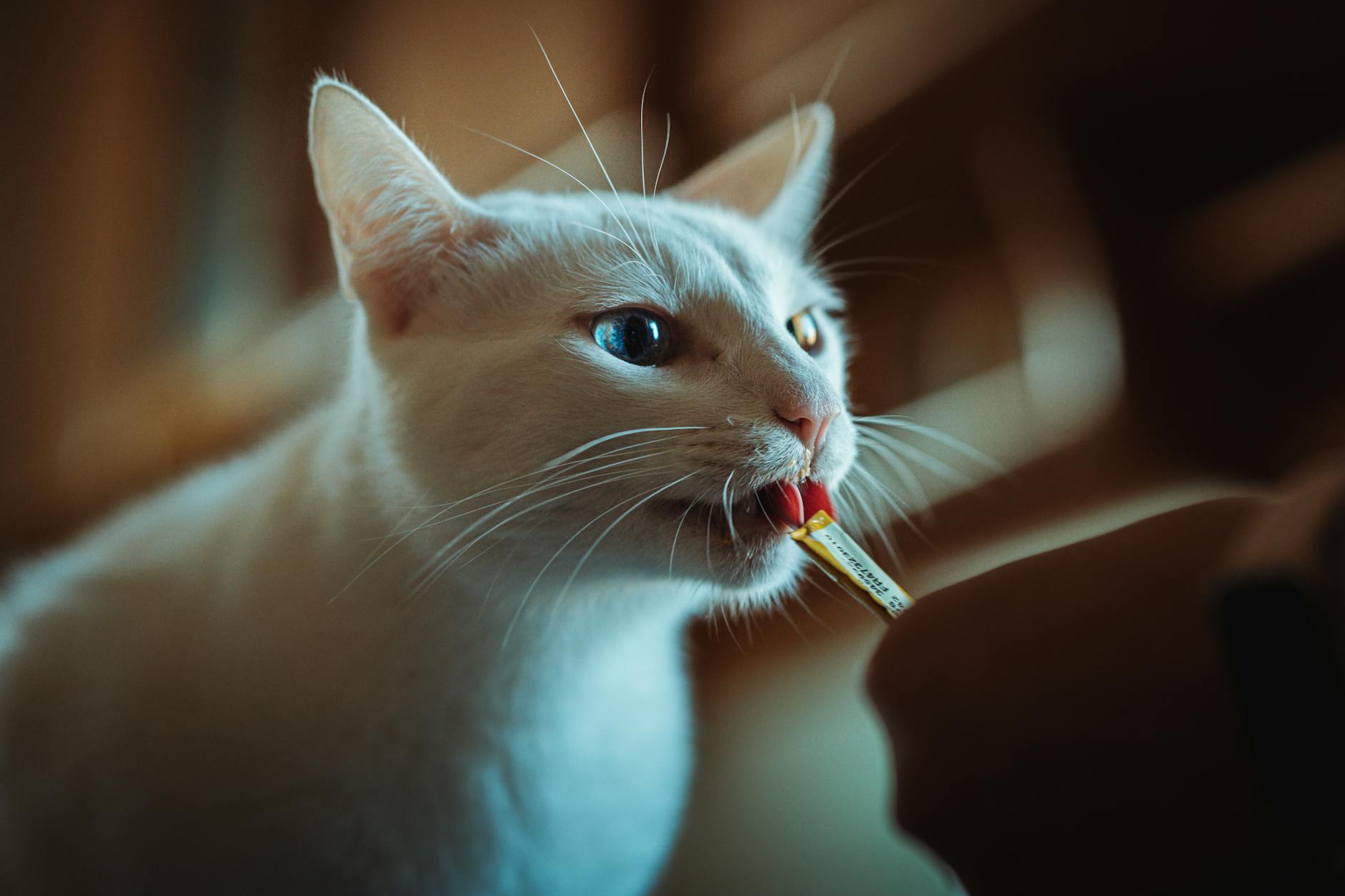
No, it is not safe for cats to eat jam. The primary ingredients in most jams—sugar, fruit, and additives—can cause digestive upset, weight gain, and other health problems in cats. If your cat manages to consume a small amount of jam during a moment of kitchen distraction, it’s unlikely to cause immediate serious harm, but regular consumption or large quantities can lead to significant health issues. Cats lack the taste receptors for sweetness that humans have, which means they don’t actually enjoy the sweet flavor of jam the way we do. Their interest in jam is typically driven by the smell of fruit or the texture rather than the sugar content.
Unlike humans, cats have strict nutritional requirements centered around protein, and their digestive systems aren’t designed to process the high sugar content found in jam. A cat that consumes jam may experience vomiting, diarrhea, or loss of appetite within hours. The risks extend beyond immediate digestive upset. Regular jam consumption can contribute to obesity, which is already a widespread problem in domestic cats and can lead to diabetes, joint problems, and reduced lifespan. Additionally, some jams contain ingredients that are toxic to cats, such as xylitol (an artificial sweetener), certain fruits, or preservatives.
Table of Contents
- Why Is Jam Problematic for Cats?
- Sugar Content and Long-Term Health Effects
- What If Your Cat Ate Jam?
- Safe Alternatives to Jam for Your Cat
- Common Misconceptions About Cats and Sweets
- Recognizing Signs of Digestive Upset in Cats
- Building Healthy Feeding Habits
- Conclusion
- Frequently Asked Questions
Why Is Jam Problematic for Cats?
The sugar content in jam is the most obvious concern. A typical tablespoon of jam contains 12-15 grams of sugar, which is significant for an animal that weighs only 8-12 pounds. Cats are obligate carnivores, meaning their metabolism is optimized for processing protein and fat, not carbohydrates. When cats consume sugary foods like jam, their bodies struggle to digest and metabolize it efficiently, often resulting in fermentation in the digestive tract and the uncomfortable symptoms that follow. Fruit is another consideration. While some fruits are safe for cats in small quantities, others are not.
Grapes and raisins, which appear in some jams or preserves, are toxic to cats and can cause kidney damage. Additionally, the high fiber content in fruit-based jams can trigger diarrhea in cats that aren’t accustomed to dietary fiber, especially if consumed in more than a trace amount. Strawberry jam, which is common in many households, is less likely to contain toxic ingredients but still poses the sugar and digestive issues. The preservatives and additives in commercial jams add another layer of concern. Some jams contain xylitol, an artificial sweetener used in sugar-free products, which is highly toxic to cats even in small amounts. Xylitol can cause rapid insulin release, leading to hypoglycemia, seizures, and liver failure. Always check ingredient labels if a cat has consumed any jam product, particularly sugar-free varieties.

Sugar Content and Long-Term Health Effects
A single serving of jam contains more sugar than a cat should consume in an entire day. For context, an average adult cat requires approximately 200 calories per day from their regular diet. Jam provides empty calories with no nutritional benefit, and these excess calories contribute directly to weight gain. Overweight cats face increased risk of diabetes, a condition that requires lifelong management with insulin injections and dietary changes. The metabolic consequences of repeated sugar consumption can be severe.
Cats that regularly consume sugary treats develop insulin resistance, where their pancreas works harder to regulate blood glucose levels. Over time, this can lead to type 2 diabetes mellitus, which affects approximately 1 in 200 cats in the general population but is much more common in overweight cats. A diabetic cat requires twice-daily insulin injections and frequent veterinary monitoring, making it a costly and complex condition to manage. Beyond diabetes, excess sugar consumption contributes to dental problems in cats. While cats don’t develop cavities the way humans do, sugar still feeds harmful bacteria in the mouth and can accelerate tooth decay and periodontal disease. Additionally, weight gain from high-calorie treats places strain on joints and increases the risk of arthritis, which causes chronic pain and reduced mobility in older cats.
What If Your Cat Ate Jam?
If your cat has consumed a small amount of jam—say, a lick or a few grams—and shows no immediate signs of distress, observation at home is typically sufficient. Monitor your cat for vomiting, diarrhea, lethargy, or loss of appetite over the next 24 hours. Most cats will recover without intervention from a small accidental exposure to jam. However, if your cat has consumed a larger amount, shows signs of distress, or ate sugar-free jam that may contain xylitol, contact your veterinarian or an animal poison control center immediately.
Xylitol poisoning can develop within 10-30 minutes of ingestion and requires emergency treatment. If you know the brand and type of jam consumed, have that information available when you call, as it will help your veterinarian assess the risk based on specific ingredients and quantities. Some cats may experience mild gastrointestinal upset that resolves on its own within a day or two. If your cat vomits or has diarrhea but is otherwise acting normally, eating, and drinking, you can manage this at home by temporarily offering bland food like plain boiled chicken or a prescription digestive diet. However, if symptoms persist beyond 24 hours or worsen, professional evaluation is warranted to rule out more serious complications.
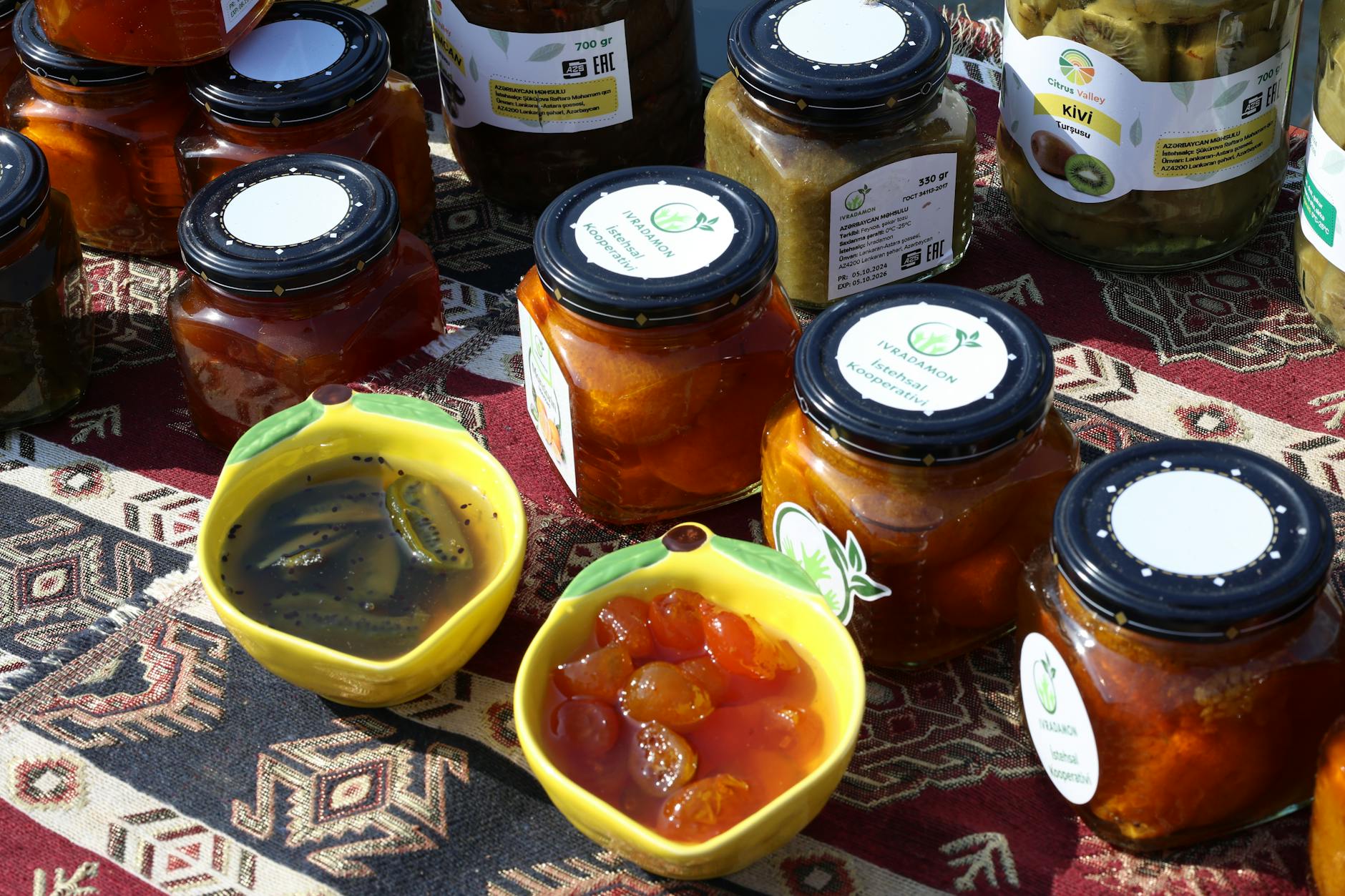
Safe Alternatives to Jam for Your Cat
If you’re looking to give your cat a special treat or reward, numerous safe options exist that won’t compromise their health. Plain cooked meat—chicken, turkey, or beef—provides protein and satisfies cats’ natural food preferences without any of the downsides associated with jam. A small piece of cooked salmon offers omega-3 fatty acids that support coat health and cognitive function. These protein-based treats are genuinely appealing to cats and align with their dietary needs. Some cats enjoy small pieces of watermelon or cantaloupe, which are low in calories and provide hydration.
However, fruits should only be offered as rare treats in tiny quantities, never as a regular part of the diet. A safer approach is using commercial cat treats formulated to meet feline nutritional requirements. These treats are portion-controlled, formulated with cats’ digestive systems in mind, and come in flavors that genuinely appeal to cats. The best approach is praising and petting your cat rather than using food rewards for bonding. Many cats respond enthusiastically to interactive play with toys, brushing sessions, or simply sitting together quietly. This approach strengthens your relationship without adding unnecessary calories to your cat’s diet.
Common Misconceptions About Cats and Sweets
Many people assume that because cats don’t taste sweetness, they’ll automatically avoid sweet foods. In reality, cats are curious creatures that investigate food based on aroma, texture, and novelty rather than taste alone. A cat may investigate jam because it smells interesting, finds the texture appealing, or simply wants to see what you’re eating. This curiosity can override any natural food preferences and lead them to consume something harmful. Another misconception is that a small amount of jam occasionally won’t cause harm.
While a single, tiny exposure is unlikely to cause immediate serious damage, repeated small exposures accumulate over time. The sugar adds up, the extra calories contribute to weight gain, and the digestive irritation becomes chronic. This is similar to the human tendency to underestimate the impact of small treats eaten frequently. Some people believe that “natural” jams made from pure fruit are safe for cats. While these may be better than jams containing xylitol or excessive additives, they still pose the same sugar and digestive concerns as any other jam. The fruit content, while natural, doesn’t make the product appropriate for cats.
Recognizing Signs of Digestive Upset in Cats
When a cat has consumed something problematic like jam, the signs typically develop within 1-12 hours. Vomiting is the most common response and may occur once or multiple times. Diarrhea often follows within a few hours and may persist for a day or two. Some cats become lethargic or lose interest in their regular food.
These symptoms are the cat’s way of eliminating the irritating substance from their system. If your cat shows any of these signs after jam consumption, ensure they have access to fresh water, as vomiting and diarrhea can lead to dehydration. Withhold food for 6-12 hours to allow the digestive system to settle, then gradually reintroduce bland food. If symptoms worsen or persist beyond 24-48 hours, contact your veterinarian, as ongoing digestive issues may indicate a more serious problem or an allergic reaction.
Building Healthy Feeding Habits
The most effective way to protect your cat from jam and other inappropriate foods is preventing access in the first place. Store jam and other sweet foods in sealed containers on high shelves or in closed cabinets where your cat cannot investigate. If you eat jam at the table, be mindful of your cat’s interest and don’t share your food, no matter how appealing those big eyes seem.
Creating a household culture that views human foods as off-limits for cats reduces confusion and keeps everyone safe. When all family members understand that cats have different nutritional needs and that feeding them human foods—even “just a taste”—can cause health problems, accidental exposures become less likely. This mindset naturally extends to protecting your cat from other harmful substances in the home, creating a safer overall environment for your feline companion.
Conclusion
Jam is not a safe food for cats and should be kept away from your feline companion. The combination of high sugar content, digestive irritants, and potential toxic ingredients makes it unsuitable for feline consumption. Even small amounts can cause digestive upset, and regular consumption contributes to obesity and serious conditions like diabetes.
If your cat has consumed jam, monitor them closely for signs of digestive distress, and contact your veterinarian if symptoms develop or if the jam contained xylitol. Focus instead on providing cats with species-appropriate treats—plain cooked meat, safe fruits in tiny amounts, or commercial cat treats—and use non-food rewards to strengthen your bond. By understanding why jam is harmful and keeping it securely stored, you can protect your cat’s health and longevity.
Frequently Asked Questions
How much jam would be toxic to a cat?
A small lick (less than 1 gram) is unlikely to cause serious harm in most cats. However, toxic ingredients like xylitol can be harmful in very small amounts, so the specific jam type matters more than the quantity.
Is any type of jam safer than others for cats?
Jams made from cat-safe fruits like strawberries or blueberries without xylitol or excessive additives are less immediately dangerous than sugar-free jams containing xylitol. However, none are truly safe due to sugar content.
Can cats develop a taste for jam if exposed?
Cats can become curious about foods they’ve encountered before, but they don’t develop cravings for specific tastes the way humans do. Repeated exposure increases risk of accidental consumption but doesn’t indicate genuine preference.
What should I do if my cat ate sugar-free jam?
Contact your veterinarian or animal poison control immediately, as sugar-free jams often contain xylitol, which is toxic to cats. Have the product label available when you call.
Are there any health benefits to giving jam to cats?
No. Jam provides no nutritional benefits for cats and only introduces unnecessary sugar and empty calories to their diet.
How can I tell if my cat has developed diabetes from treat consumption?
Early signs include increased thirst, increased urination, weight loss despite normal appetite, and lethargy. If you notice these signs, schedule a veterinary examination and blood work to check glucose levels and kidney function.