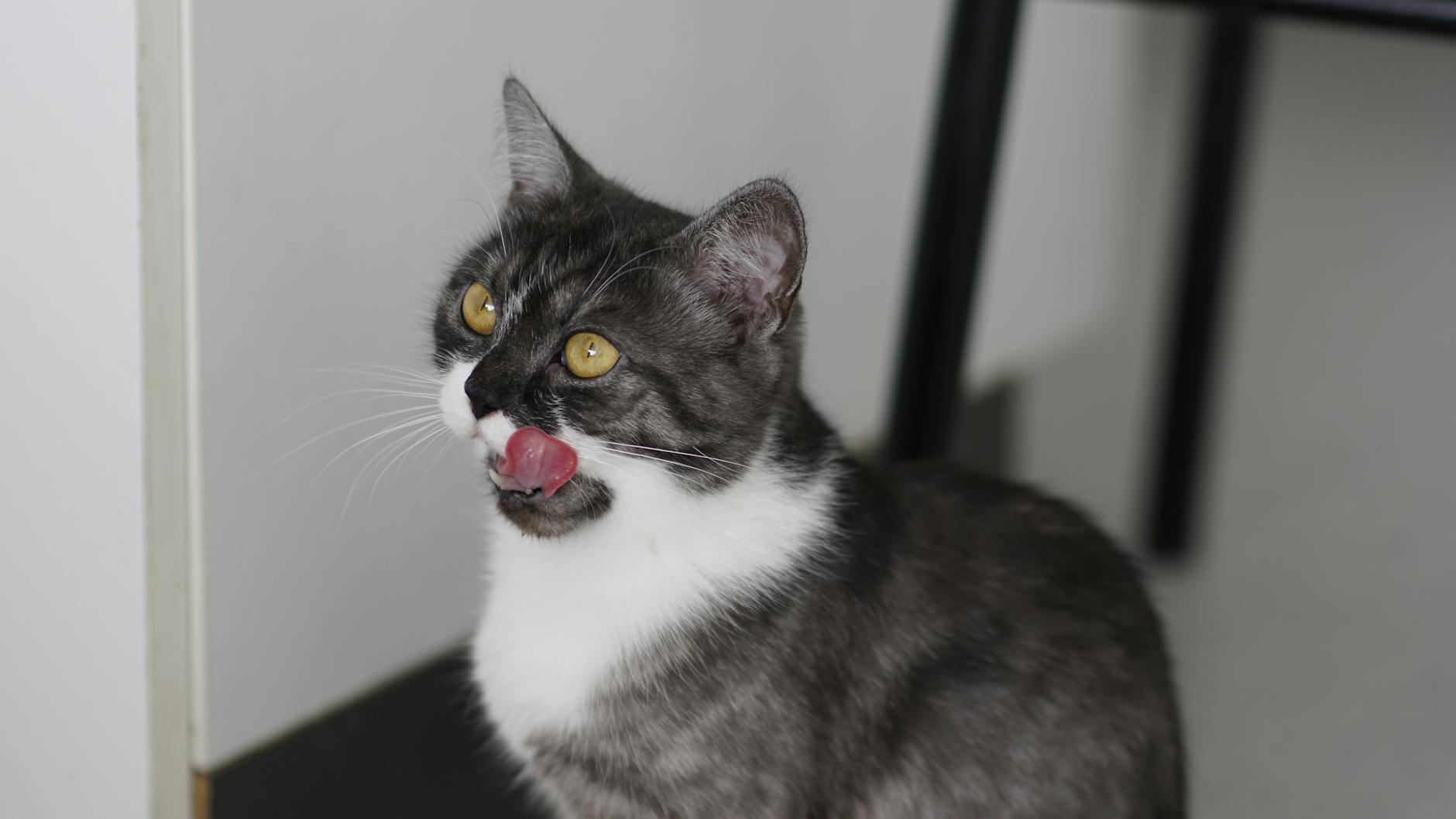
No, it is not safe for cats to lick plates with ranch dressing. Ranch dressing contains several ingredients that are toxic to cats, including garlic and onion powder, which can damage their red blood cells and cause hemolytic anemia. Even small amounts of ranch residue on a plate can pose a health risk, especially for kittens and cats with underlying health conditions. If your cat has licked a ranch-covered plate, monitor them closely for the next 24 to 72 hours.
The concern goes beyond just the dressing itself. Many store-bought ranch products contain preservatives, excess salt, and fats that are problematic for cats’ digestive systems. While a single lick of a plate may not cause an immediate emergency in a healthy adult cat, repeated exposure or larger quantities could lead to serious complications. Prevention is always better than managing potential poisoning.
Table of Contents
- What Makes Ranch Dressing Dangerous for Cats
- Hidden Dangers in Store-Bought Ranch Products
- Recognizing Poisoning Symptoms in Your Cat
- Prevention Strategies and Safe Alternatives
- Emergency Response and Veterinary Care
- Comparing Homemade Versus Store-Bought Ranch
- Building Long-Term Cat Health Awareness
- Conclusion
- Frequently Asked Questions
What Makes Ranch Dressing Dangerous for Cats
Ranch dressing is fundamentally incompatible with feline physiology. The primary dangers come from garlic and onion powder, both members of the allium family that cats cannot metabolize properly. These compounds contain compounds called thiosulfates that attach to and destroy feline red blood cells, leading to hemolytic anemia. A cat eating even a tablespoon of ranch dressing may experience symptoms, though the severity depends on the cat’s size and individual sensitivity.
Beyond the allium content, ranch dressing typically contains high levels of salt and fat. Cats have different nutritional requirements than humans and lack the taste buds to detect salt, meaning they’re more likely to consume dangerous amounts if given the opportunity. Fat-heavy foods can trigger pancreatitis in cats, a painful condition where the pancreas becomes inflamed. Some ranch products also include garlic extract or additional seasonings that multiply the toxicity risk.
Hidden Dangers in Store-Bought Ranch Products
most commercial ranch dressings list garlic powder or onion powder among their first five ingredients, making them consistently dangerous for cats. Beyond these main concerns, many brands include artificial preservatives like sodium benzoate or potassium sorbate, which can cause gastrointestinal upset in cats. Some premium or specialty ranch dressings may tout “natural” ingredients but still contain the same toxic alliums in concentrated powdered form.
The buttermilk base in many ranch dressings presents another problem: most adult cats are lactose intolerant. While a lick or two might not trigger severe diarrhea, larger quantities can cause digestive distress for hours. Additionally, the monosodium glutamate (MSG) or similar flavor enhancers in some ranch products can cause sensitivity reactions in certain cats, leading to nausea or vomiting. This means even a “harmless” plate lick could trigger multiple health issues simultaneously rather than a single toxicity concern.
Recognizing Poisoning Symptoms in Your Cat
If your cat has ingested more than a small taste of ranch dressing, watch for symptoms within 24 hours. Early signs of onion or garlic toxicity include lethargy, weakness, reduced appetite, and pale gums. Your cat may vomit or have diarrhea, sometimes with a noticeable smell on their breath. In more severe cases, cats develop hemolytic anemia, which causes difficulty breathing, rapid heart rate, and dark-colored urine as the body struggles to replace destroyed red blood cells.
Gastrointestinal symptoms may appear within 2 to 6 hours and can include excessive drooling, stomach pain indicated by a hunched posture, or repeated attempts to vomit. Some cats become unusually thirsty as their bodies try to compensate for cellular damage. If you notice any of these signs after suspected ranch ingestion, contact your veterinarian immediately. Waiting to see if symptoms resolve on their own can allow the toxin to cause irreversible damage to your cat’s blood cells.
Prevention Strategies and Safe Alternatives
The best approach is to prevent access to ranch-covered plates entirely. Establish a household rule that all dishes are loaded into the dishwasher or placed out of reach immediately after meals. Train family members, especially children, not to allow cats to “clean” plates or share their meals. Use baby gates to keep cats out of dining areas during mealtimes if necessary, and educate guests about the danger before they inadvertently offer your cat a taste of their meal.
If you want to provide your cat with flavorful treats, there are safe alternatives that satisfy their curiosity without the toxic ingredients. Plain cooked chicken, turkey, or fish provides protein and satisfaction without seasoning. Some cats enjoy the texture of small amounts of plain cooked vegetables like carrots or zucchini. You can even make cat-safe “dressing” by mixing a small amount of low-sodium chicken broth with plain yogurt, giving your cat a creamy, tangy experience without any of the dangerous ingredients. These alternatives respect your cat’s dietary needs while preventing accidental poisoning.
Emergency Response and Veterinary Care
If you suspect your cat has consumed ranch dressing, contact your veterinarian or an emergency animal hospital immediately, even if no symptoms have appeared yet. Do not wait for symptoms to develop—early treatment is critical. Bring the ranch dressing bottle or packaging with you if possible, so the veterinarian can assess exactly what your cat ingested. This information helps them determine the toxin load and decide on appropriate intervention.
Veterinary treatment for ranch poisoning typically involves inducing vomiting if the ingestion occurred within the last few hours, followed by activated charcoal to bind remaining toxins in the digestive tract. For more severe cases, your cat may need blood work to assess red blood cell count and function, IV fluids to support organ function, and potentially hospitalization for monitoring. The cost of emergency veterinary care for poisoning can exceed several hundred dollars, making prevention significantly more cost-effective than treatment. Some cats require follow-up appointments and blood work to ensure their red blood cells recover fully.
Comparing Homemade Versus Store-Bought Ranch
Homemade ranch dressing presents a lower risk than store-bought versions, but it’s still not safe for cats if it contains the traditional garlic and onion powder base. Some cat owners make “cat-safe” versions using only plain herbs like dried parsley or oregano, but even these should never be given to cats without veterinary approval. The fundamental issue remains: cats have no nutritional need for any dressing, homemade or not, and the risk-benefit analysis always favors avoidance.
If you regularly prepare homemade ranch dressing and own a cat, clearly label your storage containers and keep them elevated or in sealed, cat-proof spaces. Powdered ingredients in open containers on kitchen counters are particularly dangerous, as curious cats might investigate and inhale particles. The visual similarity between ranch seasoning packets and dried herbs means it’s easy for family members to forget the danger—consistency in storage and labeling prevents tragic accidents.
Building Long-Term Cat Health Awareness
Understanding why cats cannot safely consume ranch dressing is part of broader feline nutrition education. Many common human foods—grapes, chocolate, xylitol-containing products, and various seasonings—are toxic to cats in ways many owners don’t realize. Taking time to educate yourself about your cat’s specific dietary needs and dangers creates a safer household environment overall.
This knowledge also helps you make informed decisions if your cat accidentally ingests something questionable. As your relationship with your cat evolves and your household routines change, periodically revisit food safety practices. New family members, guests, and even well-meaning relatives may not understand the rules, so maintaining clear communication about what cats can and cannot eat is essential. The small effort of prevention and awareness protects your cat from unnecessary suffering and spares you the stress and expense of emergency veterinary care.
Conclusion
Ranch dressing is unsafe for cats due to toxic allium content, excessive salt and fat, and various additives that cats cannot safely process. While a single small lick might not cause immediate harm to a healthy adult cat, there is no safe threshold, and repeated exposure or larger quantities can cause serious, potentially life-threatening anemia. The safest approach is prevention through vigilant plate management and household education about feline food safety.
If your cat does ingest ranch dressing, monitor them closely for the next 72 hours and contact your veterinarian at the first sign of illness. Focus your energy on creating a cat-safe environment where plates are immediately secured, dining areas are managed, and all household members understand why this seemingly innocent food poses genuine danger. Your cat’s health and safety depend on the informed choices you make on their behalf every single day.
Frequently Asked Questions
Can cats taste ranch dressing?
Cats have far fewer taste receptors than humans and cannot taste saltiness like we do. They’re attracted to ranch-covered plates primarily by smell and the moisture content, not because they find it palatable. This actually increases the danger, as they might consume more without sensing the salt content warning us might provide.
How much ranch dressing is toxic to cats?
There is no established “safe” amount of ranch dressing for cats. Toxicity depends on the cat’s weight, the specific brand’s garlic/onion concentration, and individual sensitivity. Even small amounts carry risk, and larger quantities could cause severe poisoning. Always treat any ranch ingestion as potentially dangerous.
What if my cat only licked a plate, not drank the dressing?
Even small amounts of residue on a plate can contain enough garlic or onion powder to pose a risk. The toxins don’t need to be consumed in large quantities to cause cell damage. Monitor closely and contact your vet if any symptoms appear, even if the amount seems minimal.
Are there ingredients in ranch that are safe for cats?
The buttermilk base and herbs might seem harmless individually, but they’re inseparable from the garlic and onion powder that make ranch dangerous. Additionally, many cats are lactose intolerant, so the dairy component itself can cause digestive issues. The entire product should be avoided.
Can I give my cat a tiny bit of ranch as a special treat?
No. There is no safe amount of ranch dressing for cats, and “just a tiny bit” mentality leads to accidental poisoning. Instead, offer treats specifically formulated for cats or plain, unseasoned proteins. The risk of causing hemolytic anemia is never worth the momentary satisfaction of sharing your meal.
What should I do if my cat ate ranch dressing days ago and seems fine?
Contact your veterinarian anyway. Hemolytic anemia can develop over several days as toxins accumulate and red blood cells slowly deteriorate. A cat might seem fine initially, then suddenly collapse. Early blood work can detect cell damage before clinical symptoms appear, allowing for preventive treatment.