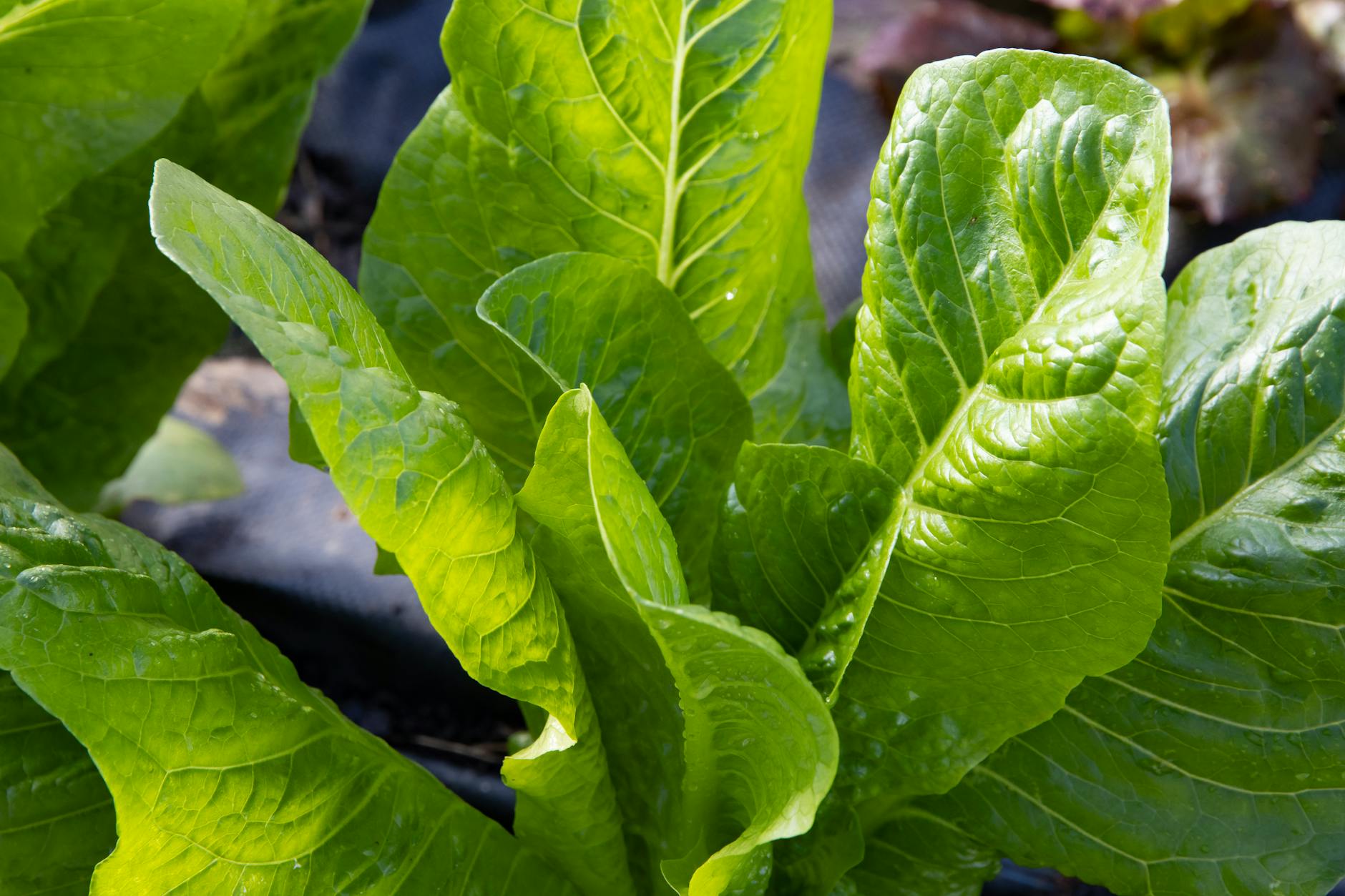
Yes, lettuce is safe for cats to eat. Lettuce is not toxic and contains no compounds that harm feline health. If your cat nibbles on a lettuce leaf from your salad or eats a small piece you’ve offered, there’s no need for concern.
Cats are obligate carnivores, meaning they derive their nutritional needs primarily from meat, so while lettuce poses no danger, it provides almost no nutritional value to them either. Many cat owners wonder about offering vegetables to their pets, and lettuce is one of the safer options if your cat shows interest in plant material. Some cats are attracted to the texture and crunch of leafy greens, while others ignore them entirely. This article explores why cats might be interested in lettuce, how to safely offer it if they are, potential digestive considerations, and what veterinarians recommend about vegetables in a cat’s diet.
Table of Contents
- Can Cats Eat Lettuce Without Risk?
- Why Do Some Cats Want to Eat Lettuce?
- Different Types of Lettuce and Safety Considerations
- How Much Lettuce Is Safe for Cats?
- Potential Digestive Issues and When to Be Cautious
- Lettuce as Part of Environmental Enrichment
- The Bigger Picture: Your Cat’s Nutritional Needs
- Conclusion
- Frequently Asked Questions
Can Cats Eat Lettuce Without Risk?
Lettuce contains no toxic compounds for cats, making it genuinely safe compared to many human foods that are dangerous for felines. The vegetable is primarily water (about 95%) with minimal fiber, calories, or nutrients that would concern a veterinarian. A small piece of lettuce will not cause poisoning, allergic reactions, or acute health problems in most cats. However, “safe” doesn’t mean “beneficial.” While lettuce won’t hurt your cat, it also won’t provide meaningful nutrition or health advantages.
Some owners offer lettuce thinking it will provide fiber or hydration, but cats meet these needs much more effectively through their regular diet and fresh water. If you have an indoor cat who seems perpetually interested in vegetation, lettuce is a far better choice than many houseplants, some of which are genuinely toxic to felines. The main consideration is choking risk with larger pieces. A whole lettuce leaf could potentially be a choking hazard for a cat that doesn’t chew properly before swallowing, though this is rare. For safe offering, tear lettuce into small pieces that are clearly manageable for your cat’s mouth size.
Why Do Some Cats Want to Eat Lettuce?
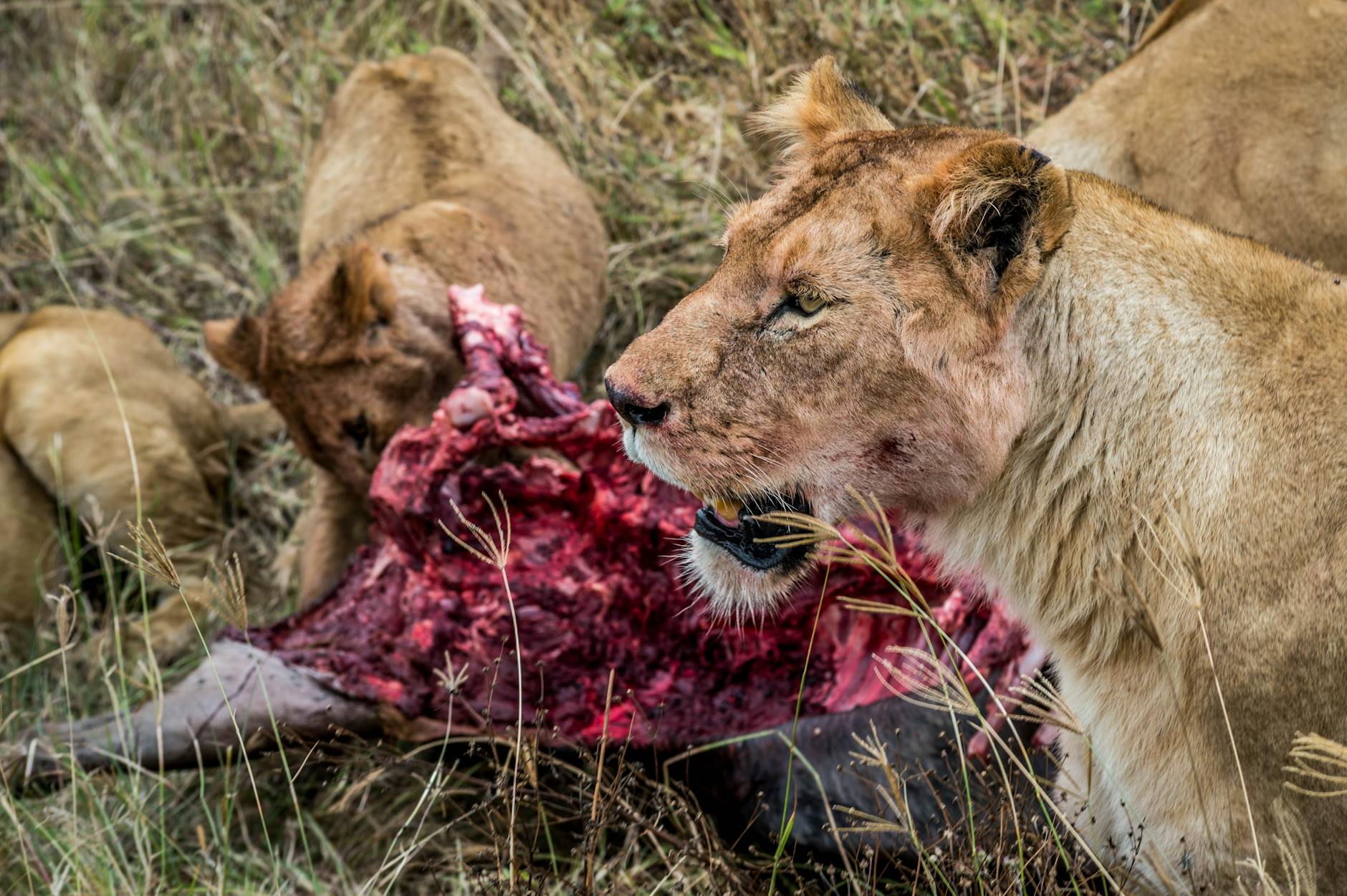
Some cats show genuine interest in lettuce and other green vegetables, which confuses owners who know cats are carnivores. This behavior likely stems from multiple factors. The texture and crunch of raw lettuce can appeal to cats who enjoy exploring different food sensations. Additionally, the movement of light lettuce pieces, when dropped or pushed around, can trigger a cat’s hunting instincts even though lettuce obviously isn’t prey. Cats may also eat lettuce out of dietary boredom or curiosity rather than any nutritional drive.
Indoor cats with limited environmental enrichment sometimes investigate food more broadly than they would outdoors. It’s worth noting that excessive interest in vegetables can sometimes indicate a mineral deficiency or nutritional imbalance in your cat’s main diet, though this is uncommon with high-quality commercial cat foods. If your cat suddenly becomes very interested in eating plant material when it previously showed no interest, discussing this shift with your veterinarian is reasonable. The temperature and freshness of lettuce also matter. Some cats prefer the cool crispness of fresh, chilled lettuce over room-temperature vegetables. Others may be responding to the smell of dressing or other ingredients on the lettuce if they’re investigating your salad bowl rather than plain lettuce itself.
Different Types of Lettuce and Safety Considerations
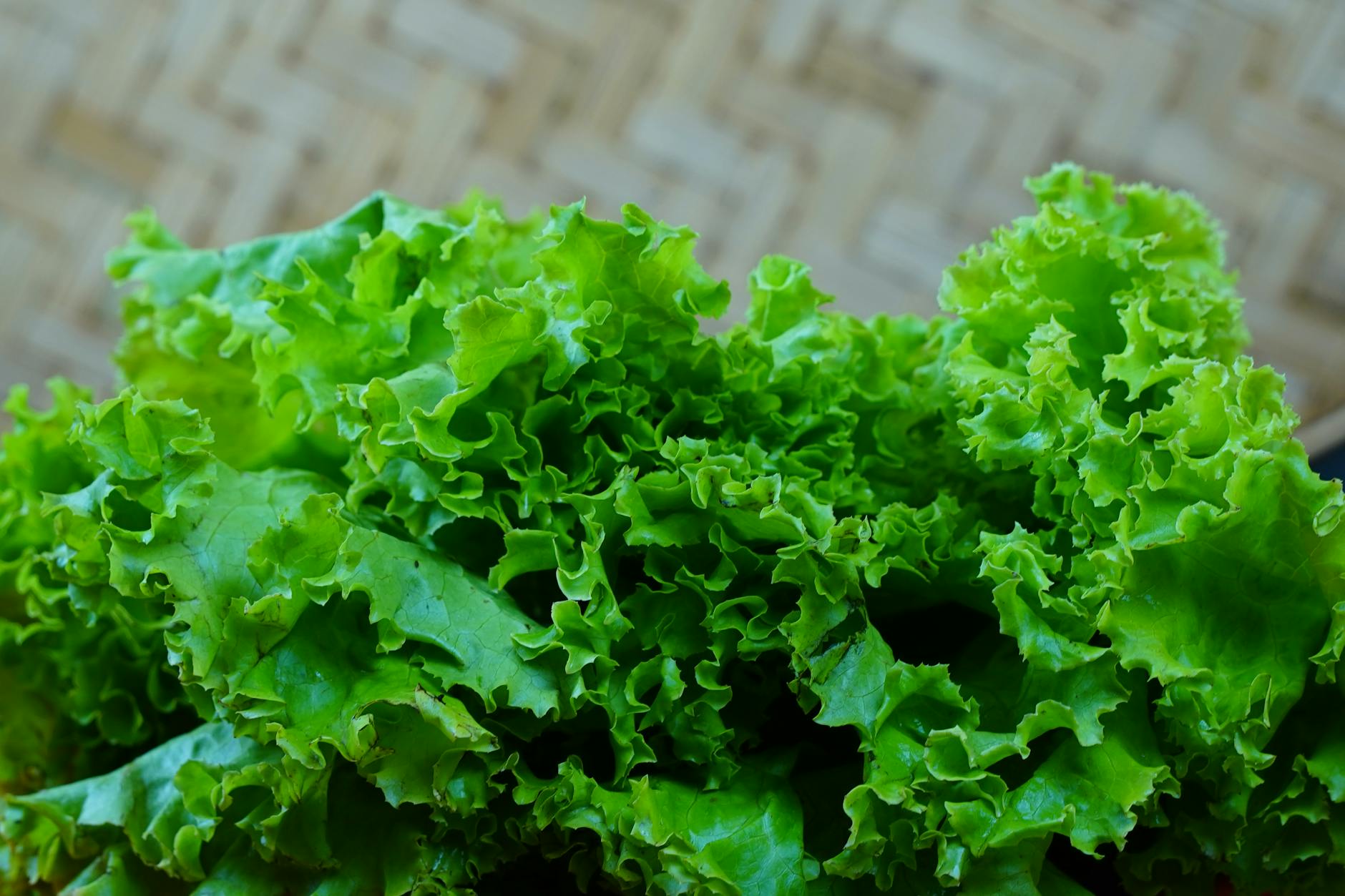
Most common varieties of lettuce—including iceberg, romaine, butterhead, and leaf lettuce—are equally safe for cats. Iceberg lettuce is the mildest and least nutritious, while romaine and other darker lettuces contain slightly more vitamins and fiber, though the amounts remain negligible for feline nutrition. The variety doesn’t significantly impact safety; all are non-toxic. The preparation method matters more than the lettuce type. Plain, washed lettuce is safe. However, lettuce dressed with salad dressing, oil, vinegar, garlic, or onions becomes problematic.
Garlic and onions are toxic to cats and can damage their red blood cells. Even small amounts in salad dressing are potentially harmful. Never offer your cat lettuce from your prepared salad bowl, and always rinse lettuce if you’re thinking of offering it to your cat after it’s been handled. For the safest approach, offer plain, thoroughly rinsed lettuce at room temperature or chilled. Small torn pieces are preferable to whole leaves. If you’re introducing lettuce to your cat for the first time, start with a tiny piece and observe for any digestive upset, though reactions are extremely unlikely.
How Much Lettuce Is Safe for Cats?
Moderation is the key principle. If your cat eats a single leaf of lettuce or a small piece occasionally, this causes no health problems. The appropriate amount is essentially whatever your cat will eat in a single sitting if they show interest—usually just a few small pieces before they lose interest. Lettuce should never constitute a meaningful portion of your cat’s daily caloric intake.
A practical guideline: lettuce should represent less than 5% of your cat’s total daily food intake, and realistically, it would likely be much less for most cats. Since lettuce provides no meaningful nutrition, it’s acceptable to offer small amounts as an occasional novelty or treat if your cat enjoys it, but it shouldn’t be a regular part of their diet. Your cat’s main nutrition should come from high-quality feline food that meets all their carnivorous needs. Most cats self-regulate with vegetables anyway—if offered lettuce, they typically eat a tiny amount and ignore the rest. This natural satiation makes it difficult for a cat to overconsume lettuce to the point of causing problems.
Potential Digestive Issues and When to Be Cautious
Most cats tolerate small amounts of lettuce without any digestive upset. However, some cats have more sensitive digestive systems and might experience mild diarrhea or vomiting if they consume lettuce. Cats’ digestive systems are optimized for meat, not plant matter, so their ability to process and break down vegetables is limited. If your cat vomits or has loose stools after eating lettuce, simply avoid offering it in the future. Additionally, if your cat has existing digestive issues, inflammatory bowel disease, or kidney disease, it’s worth checking with your veterinarian before introducing any new foods, including lettuce.
While lettuce itself is unlikely to cause problems, individual cats with specific health conditions may have different tolerance levels. Older cats or those with a history of digestive sensitivities should probably skip lettuce entirely as a precaution. One more consideration: some owners mistakenly believe offering lettuce will help with weight management because of its low calorie content. While technically lettuce is low-calorie, using it for weight management in cats is ineffective. Weight management requires proper caloric intake of nutritionally complete food, not replacing meals with vegetables.
Lettuce as Part of Environmental Enrichment
For indoor cats, offering safe vegetables like lettuce can be part of a broader enrichment strategy, even though the nutritional benefit is zero. The act of investigating, manipulating, and eating different foods provides sensory stimulation that some cats enjoy. You might offer lettuce alongside other safe cat enrichment to create variety in an indoor environment.
However, this doesn’t mean offering lettuce is necessary or recommended for every cat. Many cats show zero interest in vegetables, and their enrichment needs are better met through play, climbing structures, window perches, or interactive toys. If your cat eats lettuce happily and shows no digestive distress, offering small pieces occasionally is harmless. If your cat ignores lettuce or shows digestive issues, there’s no benefit to continuing.
The Bigger Picture: Your Cat’s Nutritional Needs
The question of whether to offer lettuce to your cat is less important than ensuring their primary diet is nutritionally complete. Cats require specific amino acids like taurine, appropriate levels of protein, and properly balanced minerals and vitamins that come from meat-based diets. High-quality commercial cat food—whether wet, dry, or raw—provides everything your cat needs.
Vegetables, including lettuce, are nutritional additions at best and unnecessary at worst. If you’re interested in offering your cat variety and enrichment through different foods, working with your veterinarian to identify other safe options or consulting feline nutrition resources ensures you’re making informed choices. The future of feline nutrition emphasizes whole-prey or whole-food diets for some cats, while others thrive on premium commercial formulations. Lettuce doesn’t fit meaningfully into either approach, but neither does it harm.
Conclusion
Lettuce is safe for cats and poses no toxicological risk. If your cat is interested in nibbling on a leaf occasionally, small plain pieces cause no health problems. The key considerations are ensuring the lettuce is washed, plain, and offered in small pieces, and watching for any individual digestive sensitivities.
What matters most is maintaining your cat’s primary diet as high-quality, nutritionally complete feline food that meets their carnivorous needs. Lettuce and other vegetables can be offered as an occasional novelty if your cat enjoys them, but they should never replace meat-based nutrition or constitute a significant part of your cat’s diet. If you have specific concerns about your cat’s diet or notice unusual interest in plant material, consulting your veterinarian ensures your cat’s long-term health and nutritional needs are being met properly.
Frequently Asked Questions
Is iceberg lettuce better or worse than other lettuce types for cats?
All common lettuce varieties are equally safe for cats. Iceberg lettuce is more water and less nutritious than romaine or leaf lettuce, but this difference is irrelevant since lettuce provides minimal nutrition to cats regardless of type. Choose whichever variety you have available if your cat shows interest.
Can cats eat lettuce if they have kidney disease?
Check with your veterinarian before introducing any new foods for a cat with kidney disease, even safe ones like lettuce. Individual cats with specific health conditions may require dietary restrictions, and your vet’s guidance supersedes general safety guidelines.
Will lettuce help my overweight cat lose weight?
No. While lettuce is low in calories, using it as a weight management tool is ineffective. Overweight cats need proper caloric reduction of complete feline nutrition combined with increased activity, not replacement with vegetables.
What should I do if my cat vomits after eating lettuce?
Some cats have sensitive digestive systems. If your cat vomits or has diarrhea after eating lettuce, simply discontinue offering it. Monitor your cat for a day, ensure they have fresh water available, and contact your vet if the vomiting continues or your cat shows other signs of illness.
Are there any vegetables more nutritious than lettuce for cats?
While vegetables like carrots or pumpkin are sometimes offered to cats and are also safe, they provide minimal nutritional benefit to obligate carnivores. If you want to offer enrichment through food variety, plain cooked pumpkin (helpful for digestive health) is more practical than lettuce, but meat-based treats are always the better choice for feline nutrition.
Can kittens eat lettuce?
Kittens can technically eat lettuce, but they have no reason to. Kittens need nutrient-dense food for growth and development. Lettuce provides no meaningful nutrients and can create unnecessary digestive stress in young cats. Focus kitten nutrition exclusively on high-quality growth-formula feline food.