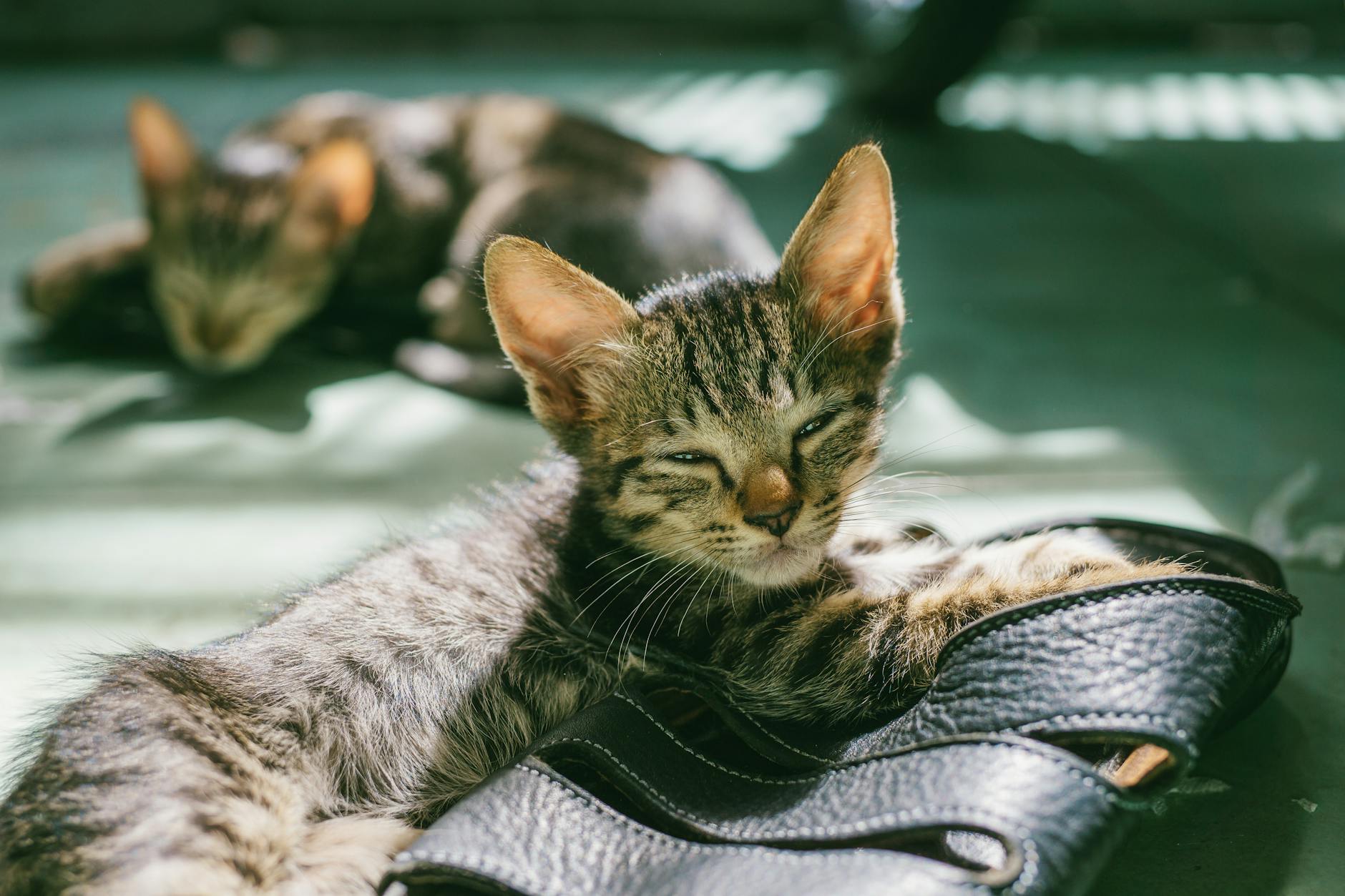
Yes, salt is bad for cats and can be toxic in quantities that seem surprisingly small. While cats need trace amounts of sodium for basic body functions, the salt content in most human foods and some pet products far exceeds what their bodies can safely process. A cat weighing 10 pounds only requires about 41 mg of sodium daily for basic health, yet a single salty snack like a potato chip can contain 100+ mg of sodium, making it easy to accidentally poison your cat with food meant for human consumption.
Salt toxicity in cats causes hypernatremia, a dangerous condition where sodium levels in the bloodstream become too high, disrupting proper cell function and organ health. This article explores what makes salt dangerous for cats, how much is too much, which everyday foods pose the biggest risk, and what to do if your cat accidentally consumes salt. Understanding these dangers helps you keep your cat safe from hidden sodium sources in your home.
Table of Contents
- How Much Salt Can Cats Safely Tolerate?
- Clinical Signs and Symptoms of Salt Poisoning in Cats
- Common Household Sources of Salt That Threaten Cats
- Practical Prevention: Reading Labels and Managing Your Home
- What to Do If Your Cat Eats Salt or Salty Food
- Commercial Cat Food and Sodium Content
- Long-Term Health Implications and When to Monitor
- Conclusion
- Frequently Asked Questions
How Much Salt Can Cats Safely Tolerate?
cats have a much lower salt tolerance than humans because they have smaller bodies and different kidney function. While humans can safely consume several grams of salt daily, a typical cat should consume no more than 42 mg of sodium per kilogram of body weight per day according to veterinary nutritionists. This means a 10-pound (4.5 kg) cat has a safe limit of roughly 190 mg of sodium daily, but most veterinarians recommend staying well below this threshold to account for individual variation.
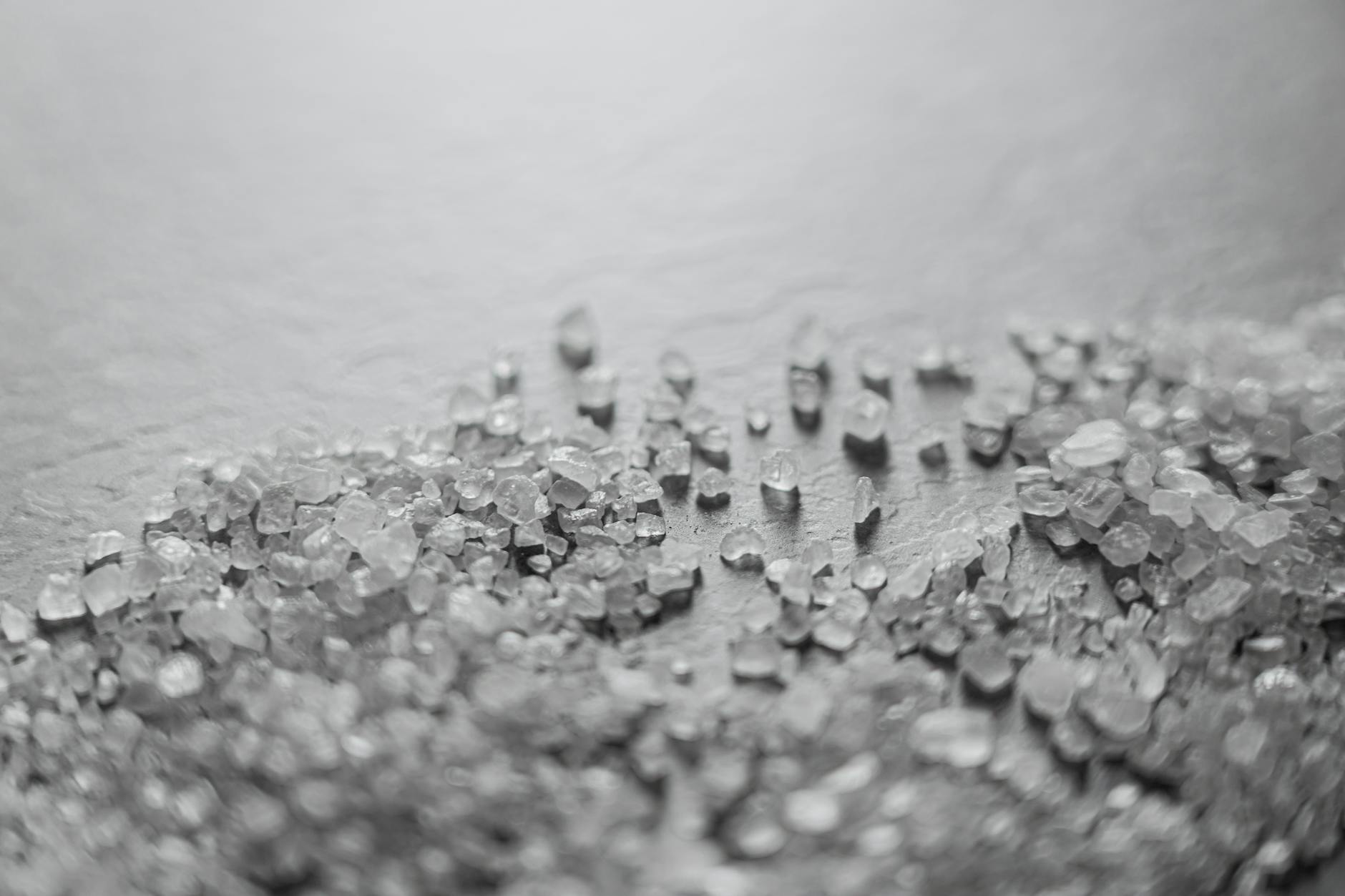
The toxic threshold is even lower. Studies show that cats begin experiencing clinical signs of salt poisoning at doses around 2.5 to 3 grams of salt per kilogram of body weight—meaning a 10-pound cat could show serious symptoms from consuming just 11-13 grams of salt at once. To put this in perspective, a single tablespoon of table salt contains about 6 grams of sodium chloride. However, the gap between the safe level and the severely toxic level is narrower in cats than in dogs, making accidental poisoning more likely.
Clinical Signs and Symptoms of Salt Poisoning in Cats
When a cat consumes excessive salt, hypernatremia develops as the sodium levels in their blood spike, drawing water out of cells including those in the brain. This causes neurological symptoms that can progress from mild to severe. Early signs include excessive thirst, increased urination, and lethargy—your cat may seem unusually tired and drink far more water than normal. Some owners mistake this for a sign of kidney disease rather than acute salt poisoning, which delays treatment.
More serious symptoms appear as poisoning worsens: vomiting, diarrhea, loss of appetite, confusion, tremors, and seizures. The neurological effects occur because the brain cells are literally shrinking from dehydration as water moves out of them to dilute the high sodium concentration in the blood. In severe cases, cats may become unresponsive, have seizures, or go into a coma. However, if salt poisoning is caught early and the cat receives veterinary treatment including IV fluids to gradually normalize sodium levels, many cats recover fully with no permanent damage.
Common Household Sources of Salt That Threaten Cats
The biggest danger is that salt hides in foods cats might steal or that owners accidentally share. Salty snacks like potato chips, pretzels, bacon, ham, cured meats, salted nuts, and cheese contain far more sodium than cats should ever eat. A single piece of bacon contains 300+ mg of sodium—more than a full day’s safe intake. Many cat owners don’t realize that sharing table food is dangerous because they underestimate the salt content in seemingly innocuous items. Beyond obvious salty snacks, salt lurks in unexpected places around the home.
Commercial cat food and treats can contain significant sodium if not carefully chosen. Butter, soy sauce, bouillon cubes, soup, pizza, bread, and processed pet treats may contain dangerous levels. Some cat parents leave dishes of salted water or salt-seasoned food within reach. Additionally, during winter, road salt and ice melt products pose a threat if your cat walks on treated surfaces and then licks their paws. Even small amounts of rock salt that cats ingest while grooming can accumulate quickly.
Practical Prevention: Reading Labels and Managing Your Home
The most effective prevention strategy is reading nutritional labels on any food product before giving it to your cat, paying specific attention to sodium content measured in milligrams. Cat food labels should show sodium content, and premium brands often keep this below 1000 mg per kilogram of food—safe when used as the cat’s only calorie source. If you’re unsure about a treat or food item, it’s far safer to assume it contains too much salt and avoid giving it to your cat than to guess.
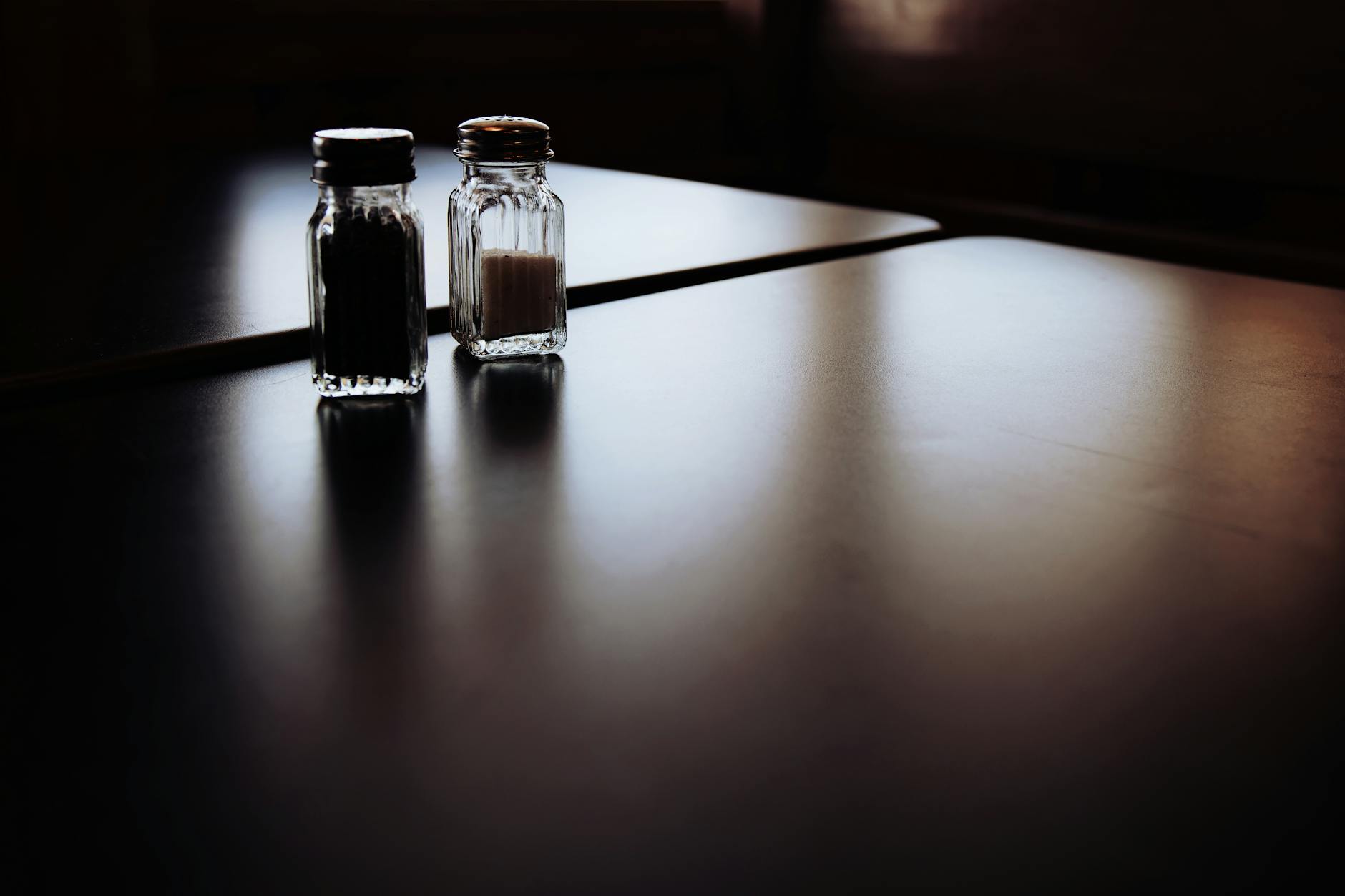
Managing your home environment means keeping obviously salty foods in closed containers or cupboards where your cat cannot scavenge. If you use salt to clean, season food, or de-ice surfaces, ensure your cat cannot access these materials. Many cats are curious and will investigate new substances, so storing salt in secure locations prevents accidental poisoning. For cat owners who live in areas with winter road salt, wiping your cat’s paws with a damp cloth after outdoor time removes salt residue before they groom themselves.
What to Do If Your Cat Eats Salt or Salty Food
If you suspect your cat has consumed a significant amount of salt, do not panic but act quickly. Call your veterinarian or emergency veterinary clinic immediately, providing as much information as possible about what your cat ate, how much, and when it happened. Veterinarians can calculate whether the dose poses a serious risk based on your cat’s weight and the specific salt content. If caught very early, some cases can be managed with observation and ensuring the cat has access to fresh water, though this depends on the dose.
Treatment for confirmed salt poisoning typically involves intravenous (IV) fluids that gradually normalize sodium levels over 24-48 hours. Attempting to hydrate your cat by forcing extra water to drink is actually counterproductive and dangerous—it can worsen hypernatremia in some cases. Veterinary treatment carefully controls fluid intake and sodium rebalancing to prevent complications like swelling of the brain. With prompt veterinary care, most cats with acute salt poisoning recover, but the condition can be fatal if untreated, particularly in kittens, senior cats, or cats with existing kidney disease.
Commercial Cat Food and Sodium Content
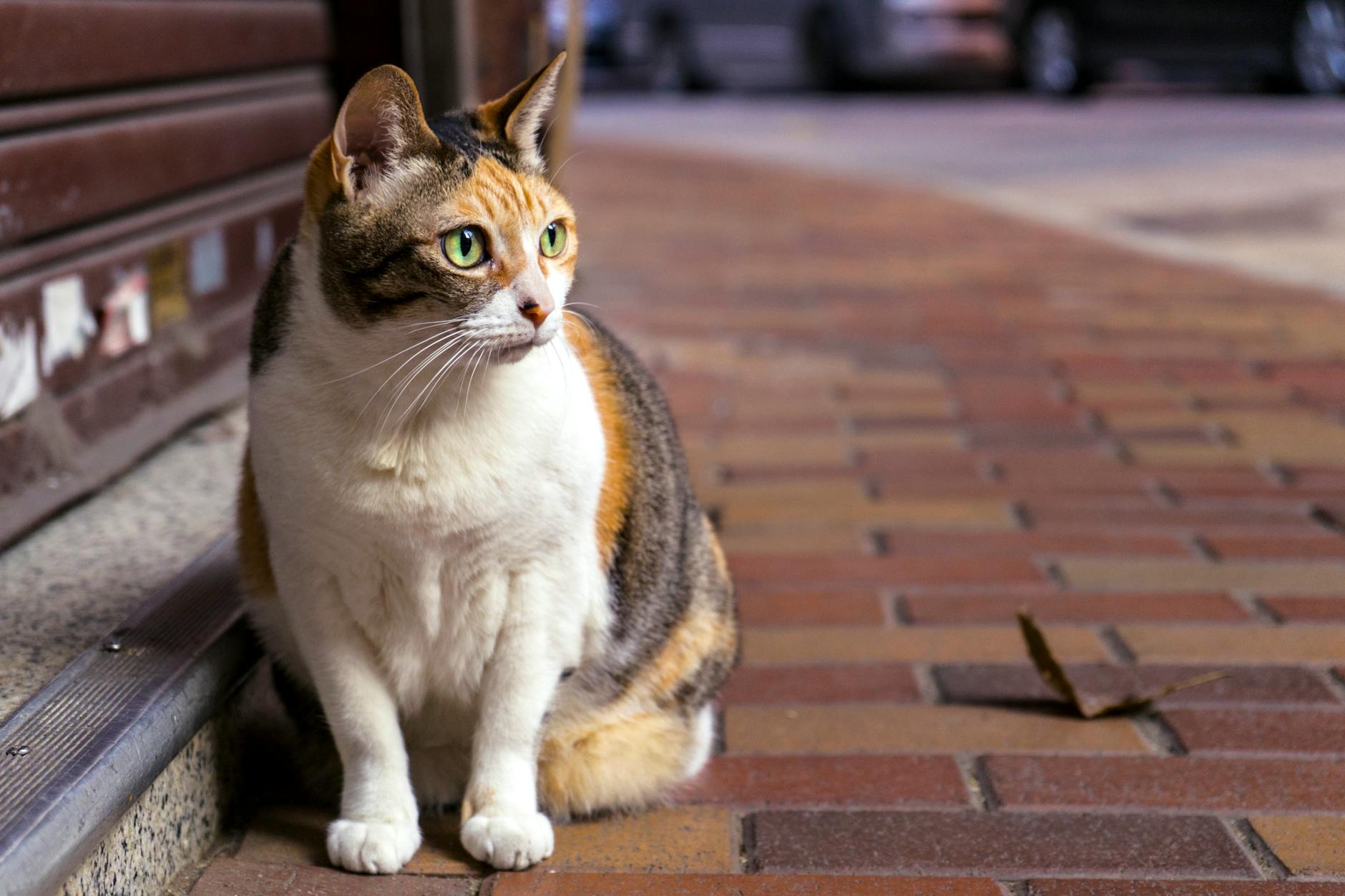
While commercial cat foods are formulated to meet cats’ sodium needs, the amount is often higher than the bare minimum cats require. Premium and prescription cat foods typically contain 800-1200 mg of sodium per kilogram of dry matter, which is appropriate for a balanced diet. However, some mass-market cat foods contain higher sodium levels, partly to enhance palatability and make the food more appealing to picky eaters.
An indoor, sedentary cat needs less sodium than an outdoor or active cat, so if you have a low-activity cat, choosing a lower-sodium formula may benefit long-term health. Some wet foods contain significantly more sodium than dry foods by weight, and some flavored treats are essentially salt delivery systems. If your cat has any existing health condition affecting the kidneys, heart, or thyroid, your veterinarian may recommend a low-sodium diet. Checking the AAFCO statement on cat food ensures it meets minimum nutritional standards, but comparing sodium content across brands of similar food types helps you choose one that’s not unnecessarily high in salt.
Long-Term Health Implications and When to Monitor
Repeated exposure to elevated sodium levels, even below the acute poisoning threshold, may stress a cat’s kidneys over time. Cats with chronic kidney disease are particularly vulnerable to sodium effects and may require a specially formulated low-sodium diet prescribed by their veterinarian. As cats age, their kidney function naturally declines, making them more susceptible to salt’s harmful effects. Senior cats (over 10 years old) should have sodium intake closely monitored and kept as low as reasonably possible while still meeting nutritional needs.
If your cat has experienced salt poisoning, your veterinarian may recommend baseline bloodwork and continued monitoring of kidney function even after recovery. Some cats develop lingering sensitivity to sodium after a poisoning incident. Going forward, managing your cat’s sodium intake becomes a permanent part of their care strategy, similar to managing any other health risk. Regular veterinary check-ups allow monitoring of sodium-related health markers and adjustment of diet as your cat ages.
Conclusion
Salt is genuinely dangerous for cats and represents a common poisoning risk in households where pets and human foods coexist. The key takeaway is that cats require far less sodium than humans and cannot tolerate salty foods that seem harmless to us. By reading food labels, storing salty items securely, and avoiding the temptation to share human snacks with your cat, you eliminate the majority of salt poisoning risk.
If you suspect salt poisoning, immediate veterinary attention is critical—do not wait to see if symptoms improve on their own. With awareness of common salt sources and careful food management, you can keep your cat safe from this hidden but serious threat. When in doubt about whether a food is safe, contact your veterinarian before offering it to your cat.
Frequently Asked Questions
Can cats have salt at all?
Yes, but only tiny amounts. Cats need trace sodium for nerve and muscle function, but this need is met by properly formulated cat food. They do not need added salt in their diet.
How much salt kills a cat?
Severe toxicity typically develops when cats consume more than 11-13 grams of salt per kilogram of body weight in a single dose. For a 10-pound cat, this is roughly 50-60 grams of salt, though symptoms can appear with lower doses in sensitive individuals.
Is sea salt safer for cats than table salt?
No. All forms of salt—sea salt, table salt, rock salt, kosher salt—contain sodium chloride and pose the same toxicity risk to cats. The source doesn’t matter; only the sodium content does.
Can I use salt as a cleaning product around my cat?
You can, but you must store it securely. Do not leave bowls of salt water or salt paste accessible to your cat, and clean up any spills immediately. Some cat owners find vinegar or pet-safe cleaners safer alternatives.
Will a small taste of salty food harm my cat?
A single lick or tiny taste of salty food is unlikely to cause serious poisoning, but any amount of unnecessary salt is best avoided. If your cat eats a whole salty snack or multiple pieces, contact your veterinarian.
Do kittens and senior cats have different salt tolerances?
Kittens and senior cats are more sensitive to salt’s effects than adult cats. Both have less efficient kidney function, so they’re at higher risk of poisoning from smaller doses. Extra caution is warranted with very young and very old cats.