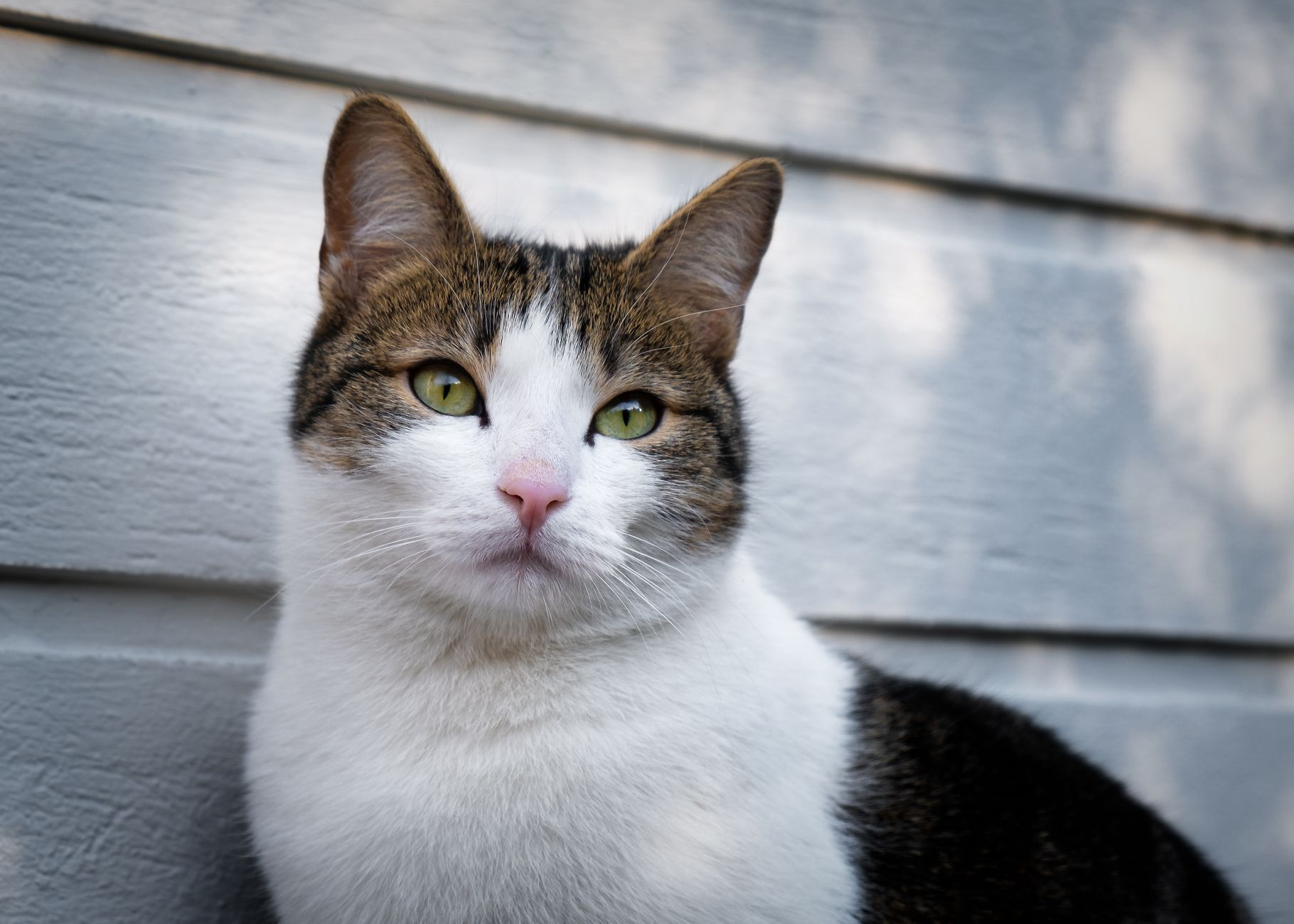
Minnesota’s cat cafes offer a unique venue where pet lovers can enjoy refreshments while interacting with resident felines in a dedicated space designed for both human comfort and cat welfare. These cafes represent a growing trend that originated in Asia and have since expanded to major U.S. cities, including Minnesota, providing an alternative to traditional coffee shops by incorporating animal companionship into the experience.
Rather than adopting specific venue names or rankings that cannot be independently verified, this article examines what defines quality cat cafe experiences in Minnesota and how to identify establishments that prioritize feline wellbeing alongside visitor satisfaction. Cat cafes operate on a simple premise: customers pay an entry fee or purchase beverages and food while spending time in a common area with adoptable or resident cats. The model works because it creates a low-pressure environment where potential adopters can interact with cats over an extended period, helping them assess compatibility and commitment before deciding to adopt. Many Minnesota cat cafes partner with local rescues or operate their own adoption programs, using the cafe model as a way to increase visibility for cats needing homes.
Table of Contents
- What Makes Cat Cafes Different from Traditional Shelters or Pet Stores
- How Cat Cafes Screen Visitors and Establish House Rules
- The Role of Cat Cafes in Rescue and Adoption Networks
- Practical Guidelines for Planning Your Cat Cafe Visit
- Health and Safety Concerns in Shared Cat Environments
- Evaluating a Cat Cafe’s Environment and Staff Expertise
- What to Look for When Considering Adoption Through a Cat Cafe
What Makes Cat Cafes Different from Traditional Shelters or Pet Stores
cat cafes occupy a middle ground between traditional shelters and casual pet interaction venues. Unlike shelters, which can feel overwhelming or clinical, cat cafes create a relaxed social setting where both cats and visitors can interact naturally. Unlike pet stores, reputable cat cafes do not sell animals—they facilitate adoptions through rescue partnerships.
This distinction matters because it reflects organizational priorities: cat cafes dedicated to adoption typically invest in cat socialization, health screening, and behavioral assessment rather than viewing animals as inventory. The Minnesota cat cafe experience distinguishes itself by focusing on enrichment environments. Quality establishments provide vertical spaces, hiding spots, and interactive toys because these elements reduce stress in the cats and create better interactions with guests. A cafe that invests in environmental design signals that it prioritizes feline psychological wellbeing, which correlates with better adoption outcomes and fewer behavioral issues in adopted cats.
How Cat Cafes Screen Visitors and Establish House Rules
Reputable Minnesota cat cafes enforce strict visitor guidelines to protect the resident cats from stress and injury. These rules typically include requirements to wash hands before entering the cat area, restrictions on picking up cats without permission, and prohibitions on disturbing sleeping or eating cats. Some establishments limit session duration, separate young children from certain cats, or require visitors to book time slots in advance to control crowd sizes.
These policies may seem restrictive, but they reflect evidence-based animal care principles: cats with predictable, low-stress interactions adapt better to cafe environments and show fewer signs of anxiety. A significant limitation of cat cafe screening is that some visitors still attempt to handle cats contrary to posted rules, particularly in high-traffic venues. This creates stress for staff who must monitor compliance and can result in scratches or bites for visitors who ignore warnings. Establishments with smaller capacities and stricter enforcement tend to have healthier, more sociable cats—a tradeoff between accessibility and animal welfare that responsible cafes accept.
The Role of Cat Cafes in Rescue and Adoption Networks
Minnesota’s cat cafes function as extension sites for local rescue organizations, providing dedicated space for socialization and visibility. Cats that might not show their personalities in shelter cages often relax in cafe environments, allowing potential adopters to see their true temperament. For example, a shy cat that hides in a shelter cage may curl up on a visitor’s lap in a cafe’s quiet corner, dramatically increasing its likelihood of adoption. This behavioral change is not deceptive—it reflects how environment profoundly affects cat stress levels and social expression.
The adoption pathway through cat cafes typically requires applicants to complete an adoption form, provide references, and agree to follow-up checks, though standards vary by rescue partner. Some cafes maintain relationships with multiple rescues, rotating cats through to maximize adoption visibility. Others operate their own rescue programs with permanent residents. Understanding a cafe’s adoption model helps visitors determine whether they’re visiting primarily for the cafe experience or specifically to pursue adoption.
Practical Guidelines for Planning Your Cat Cafe Visit
Before visiting a Minnesota cat cafe, check online reviews and the establishment’s website for hours, pricing, and any visit requirements such as age restrictions or advance reservations. Many cafes charge entry fees ranging from reasonable amounts, with discounts for members or extended sessions. Bring or purchase food and beverages according to the cafe’s offerings—most maintain human-grade menus while keeping all food away from cat areas. Wear comfortable clothing that you don’t mind cats potentially climbing on, and avoid strong perfumes or scented products that can irritate feline olfactory systems or trigger behavioral changes.
Expect your visit to differ from typical social outings. The goal is interaction with cats, not necessarily socializing with other humans. Some people find the quiet, cat-focused environment meditative and stress-reducing, while others expect more active engagement or entertainment value. Realistic expectations prevent disappointment and allow you to appreciate the actual experience: quiet time observing feline behavior, opportunities to interact with animals you might not otherwise encounter, and potential connection with cats available for adoption.
Health and Safety Concerns in Shared Cat Environments
Cat cafes present legitimate health considerations for both visitors and felines. Allergies are the most common issue—prolonged time in an enclosed space with multiple cats can trigger or worsen allergies in susceptible individuals, even for people who manage cat allergies at home with a single animal. Many cat cafes recommend allergy sufferers take medication before visiting or arrange shorter sessions. The cafes themselves implement cleaning protocols, but airborne dander and saliva persist despite best efforts, particularly in poorly ventilated spaces.
Infectious disease transmission between cats in multi-cat environments requires rigorous health screening and vaccination protocols. Reputable cafes test all residents for feline leukemia and feline immunodeficiency virus before allowing contact with other cats. A cafe unable or unwilling to provide documentation of health screening should be avoided—inadequate health management exposes both the cafe cats and visiting personal cats to preventable diseases. Visitors should wash hands after leaving and change clothes before handling their own cats if they have concerns about potential pathogen transmission.
Evaluating a Cat Cafe’s Environment and Staff Expertise
Quality cat cafes employ staff knowledgeable about feline behavior and capable of assessing visitor-cat compatibility. Staff should intervene if a cat appears stressed, redirect visitors who ignore handling rules, and provide information about individual cats’ personalities and adoption status. A cafe where staff seem disengaged or lack cat behavior knowledge suggests that feline wellbeing is not the primary organizational priority. Conversely, staff who can explain why a particular cat reacts nervously to certain stimuli, or who can match visitors to cats suited to their energy level, demonstrate commitment to positive outcomes.
The physical environment itself communicates care standards. Observe whether litter boxes are clean and well-maintained, whether water bowls are fresh, and whether the space smells reasonably clean rather than of urine or feces. Look for enrichment items like scratching posts, climbing trees, and window perches, which prevent behavioral problems and boredom-related stress. A cafe with minimal environmental enrichment and cats that appear lethargic or confined signals that animal welfare may be secondary to cafe operations.
What to Look for When Considering Adoption Through a Cat Cafe
If your cafe visit prompts interest in adoption, take time to interact with the cat across multiple visits before committing. Brief interactions during a cafe visit cannot fully reveal a cat’s compatibility with your home environment, household members, or existing pets. A cat that seems friendly during a cafe session might react differently in a home with young children, other animals, or different spatial layouts. Responsible rescue partners operating through cafes encourage this assessment period rather than pushing immediate adoptions.
Ask the rescue organization detailed questions about the cat’s history, known triggers, medical needs, and long-term behavioral expectations. Cats with a history of inappropriate elimination, aggression, or resource guarding require specific environmental management and handling approaches that should be discussed before adoption. The cafe’s casual setting doesn’t showcase these issues, so written history and honest staff assessment matter more than your in-person observations alone. A well-matched adoption depends on complete information and realistic expectations, not just the pleasant memory of meeting the cat in a relaxed cafe environment.