Is Cold Stone’s Cat in the Hat Treat Tie-In Safe for Cats to Eat?
Cold Stone’s Cat in the Hat desserts mix chocolate cookies, dairy, and sugar — a combination that’s risky for cats in real portions, not just a taste.
Cat food, diet, nutrition, and feeding guides
Browse →578 guidesCat safety, hazards, and poison prevention
Browse →228 guidesCat breeds, characteristics, and breed comparisons
Browse →134 guidesCat litter types, litter boxes, and bathroom habits
Browse →126 guidesCat health issues, diseases, symptoms, and veterinary care
Browse →92 guidesCat pregnancy, birth, and breeding information
Browse →Cat Health, Behavior and Care Guides
Cold Stone’s Cat in the Hat desserts mix chocolate cookies, dairy, and sugar — a combination that’s risky for cats in real portions, not just a taste.
Match your cat’s sneezing pattern and discharge to vet test options and urgent-care signs.
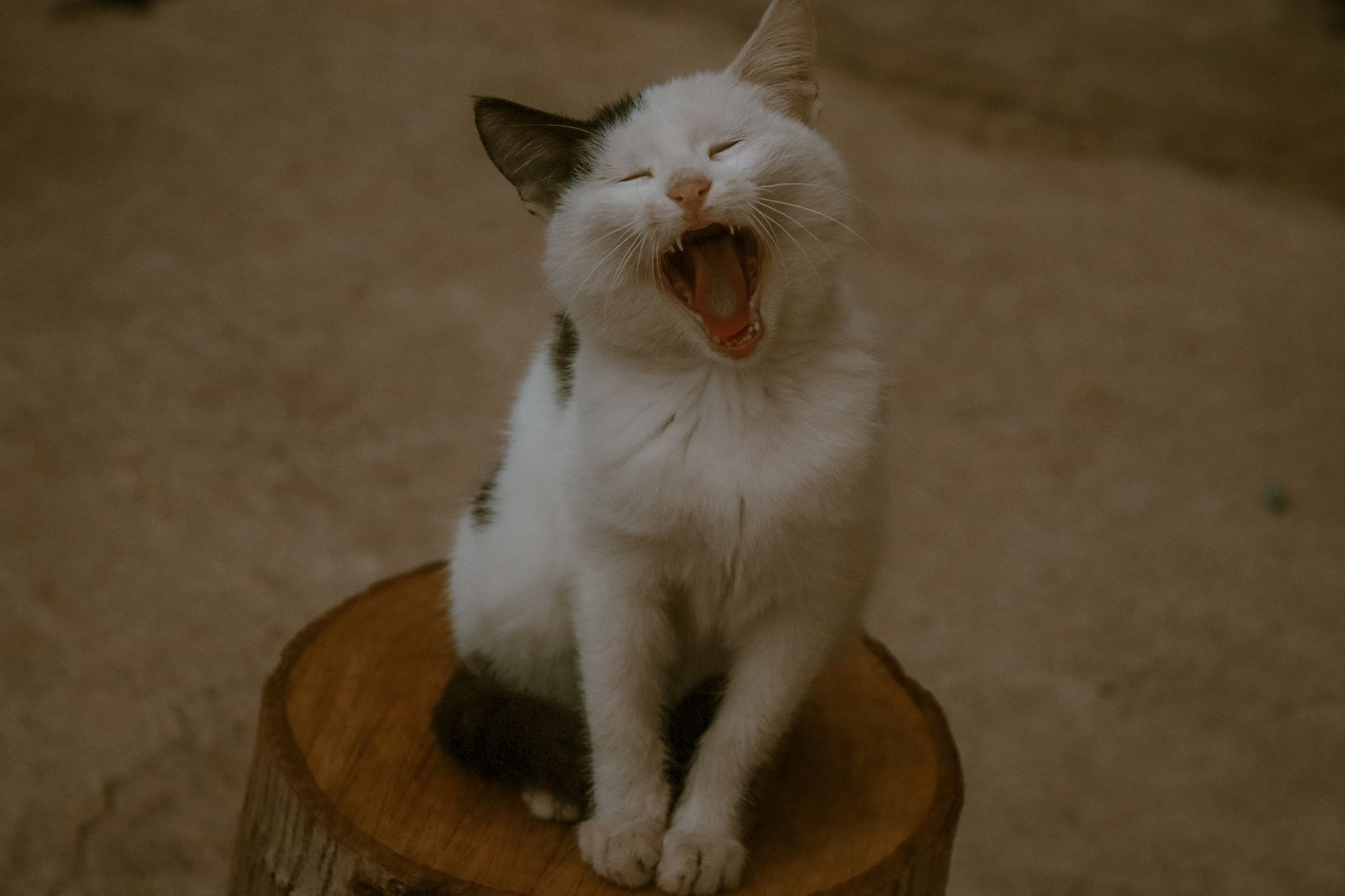
Learn when cat sneezing needs a vet visit, how viruses spread, and what vaccines cannot do.
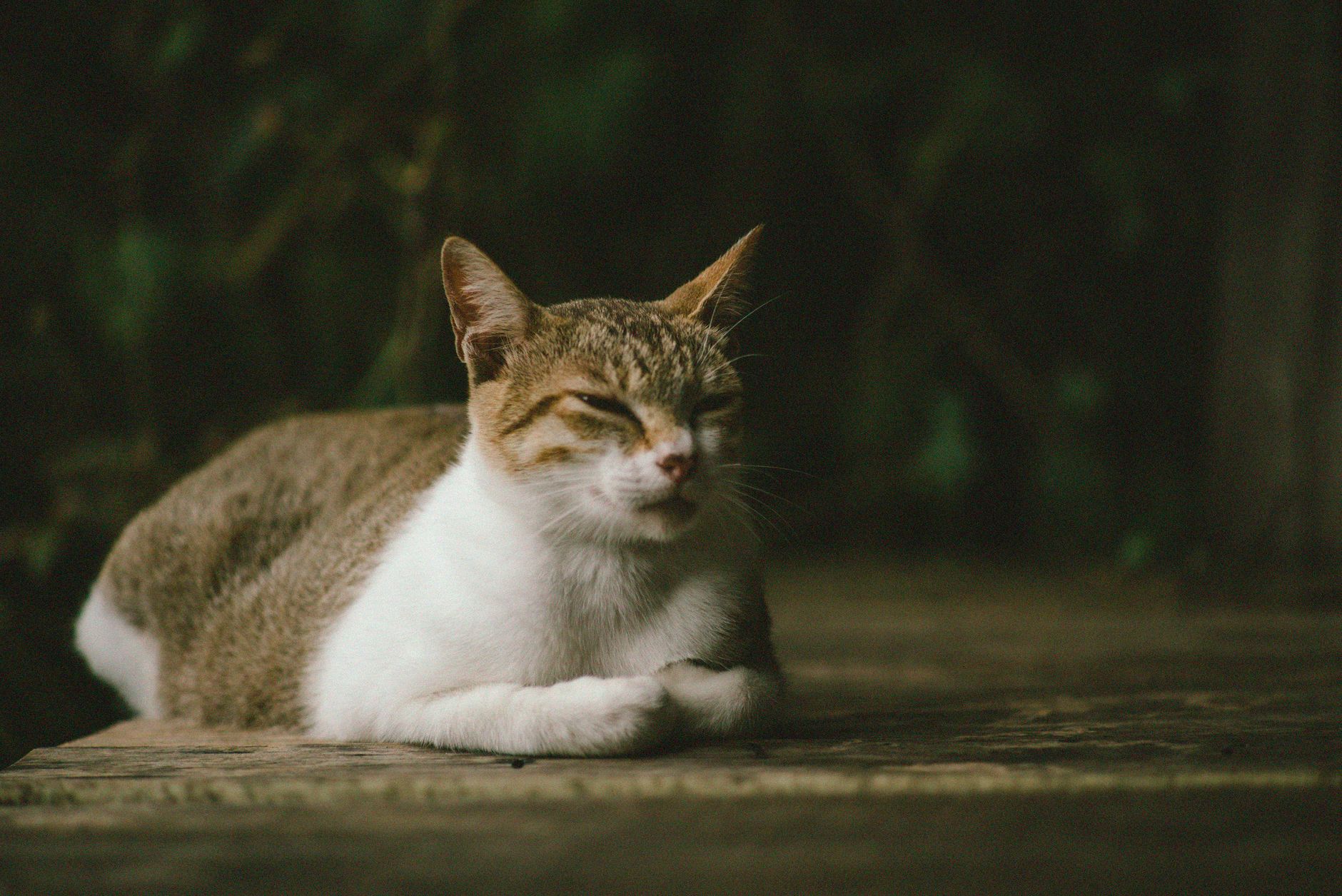
Learn which sneezing signs need a vet visit, what treatments help, and which questions to ask at the appointment.
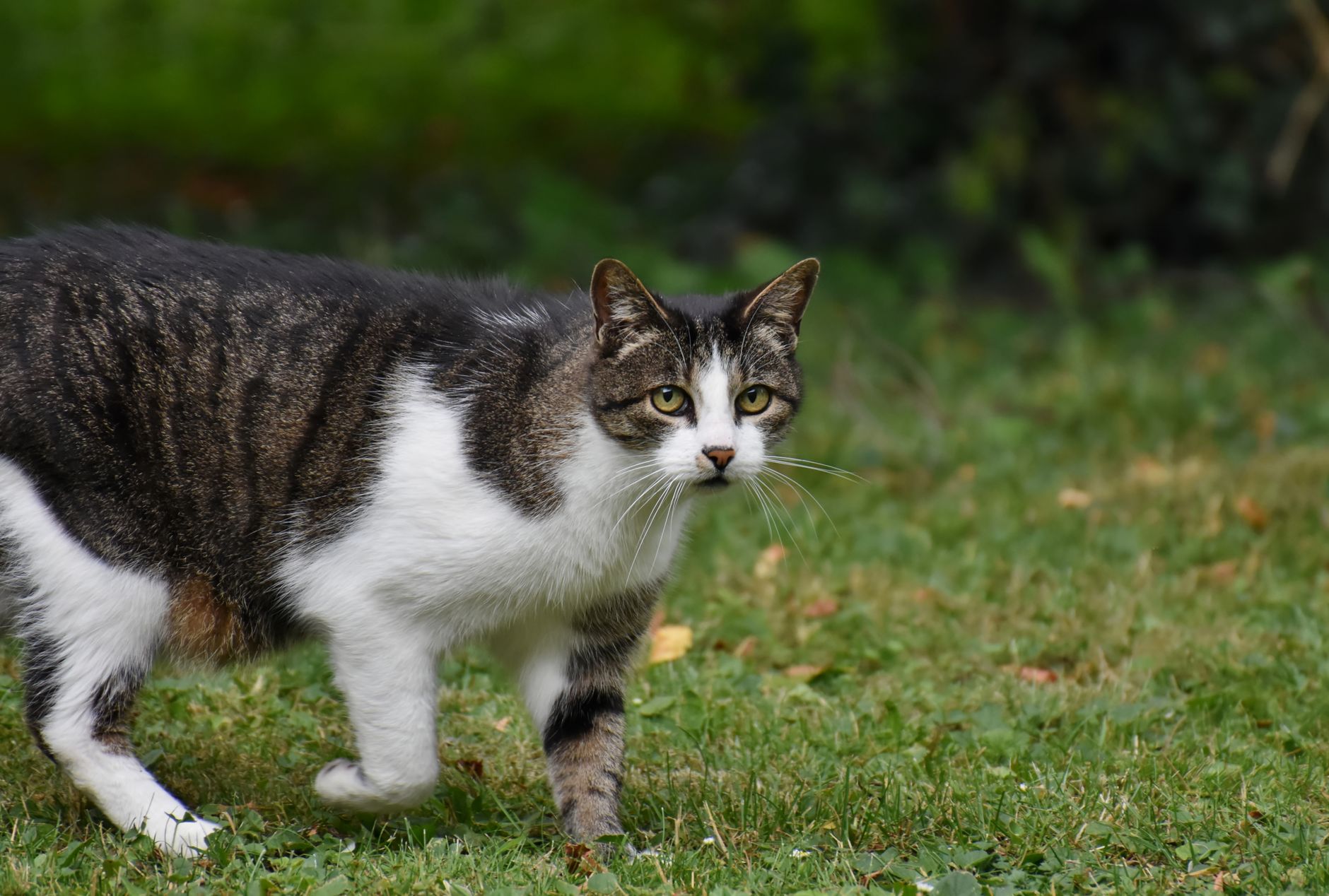
Learn which marking products help, what evidence shows, and how to clean safely around cats.
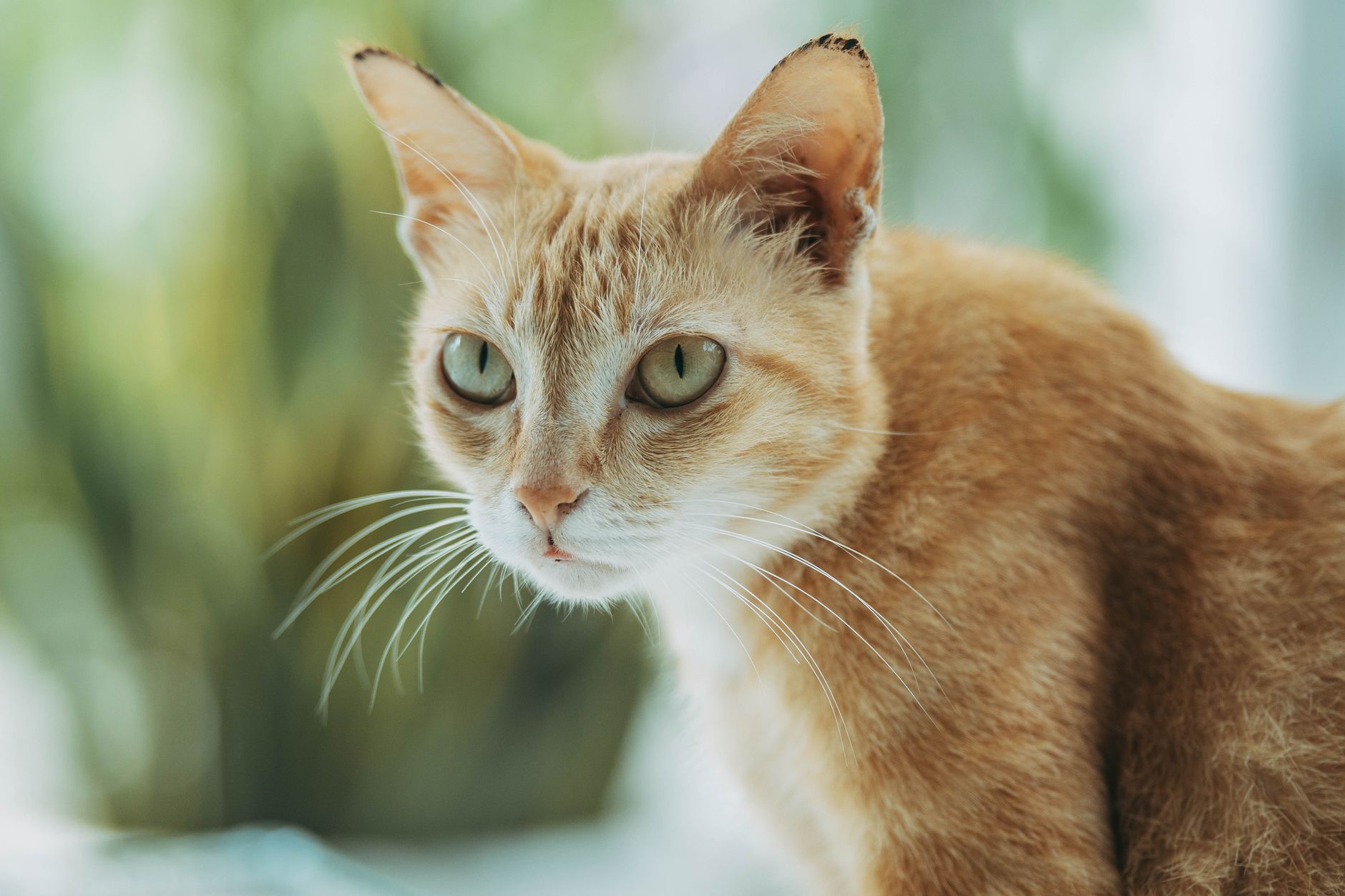
Learn which sneezing signs need a vet visit and how to keep a congested cat eating safely.
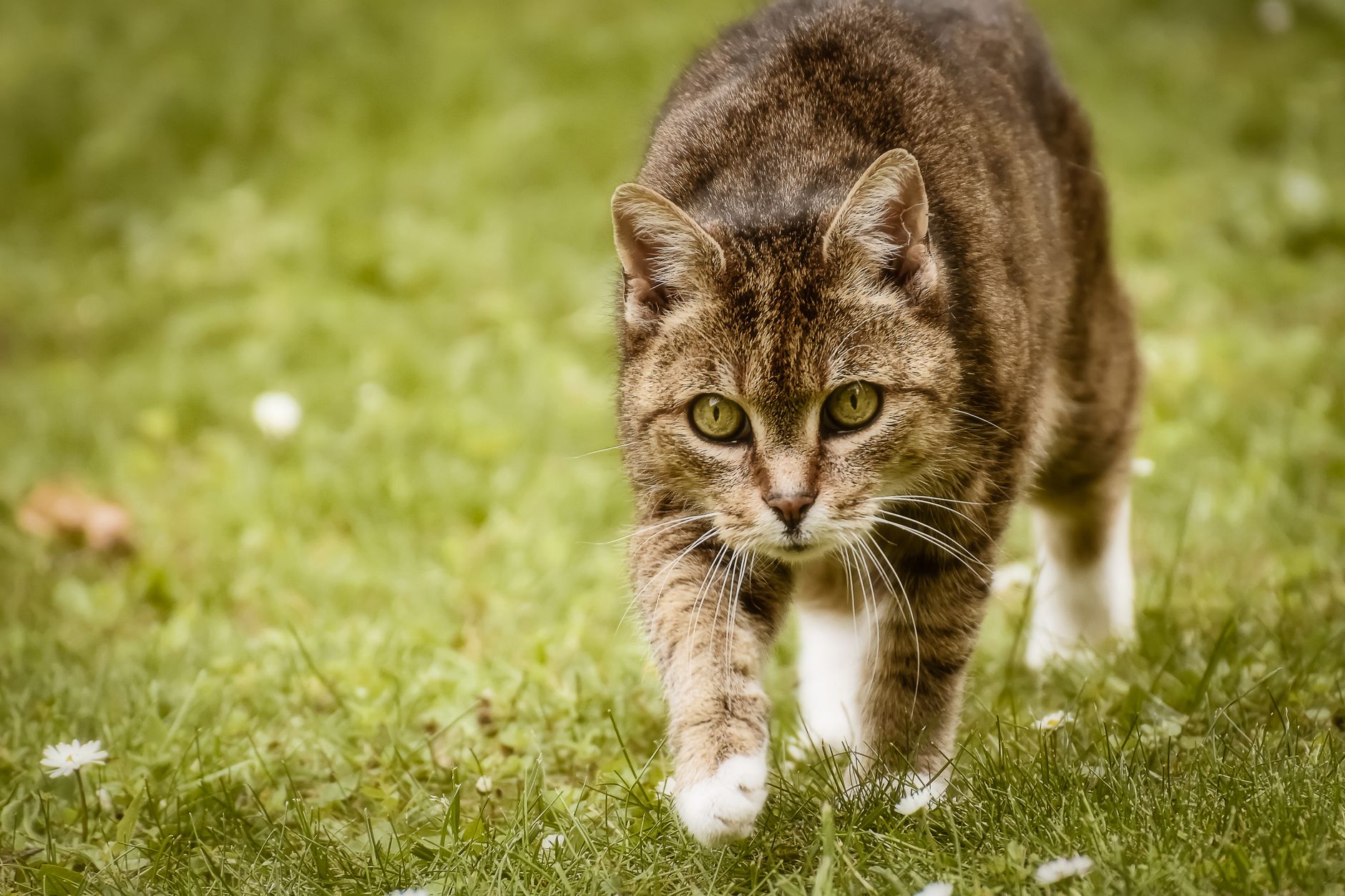
A posture check, a vet visit, and a lower-sided litter box often solve what looks like defiant spraying in an older cat.
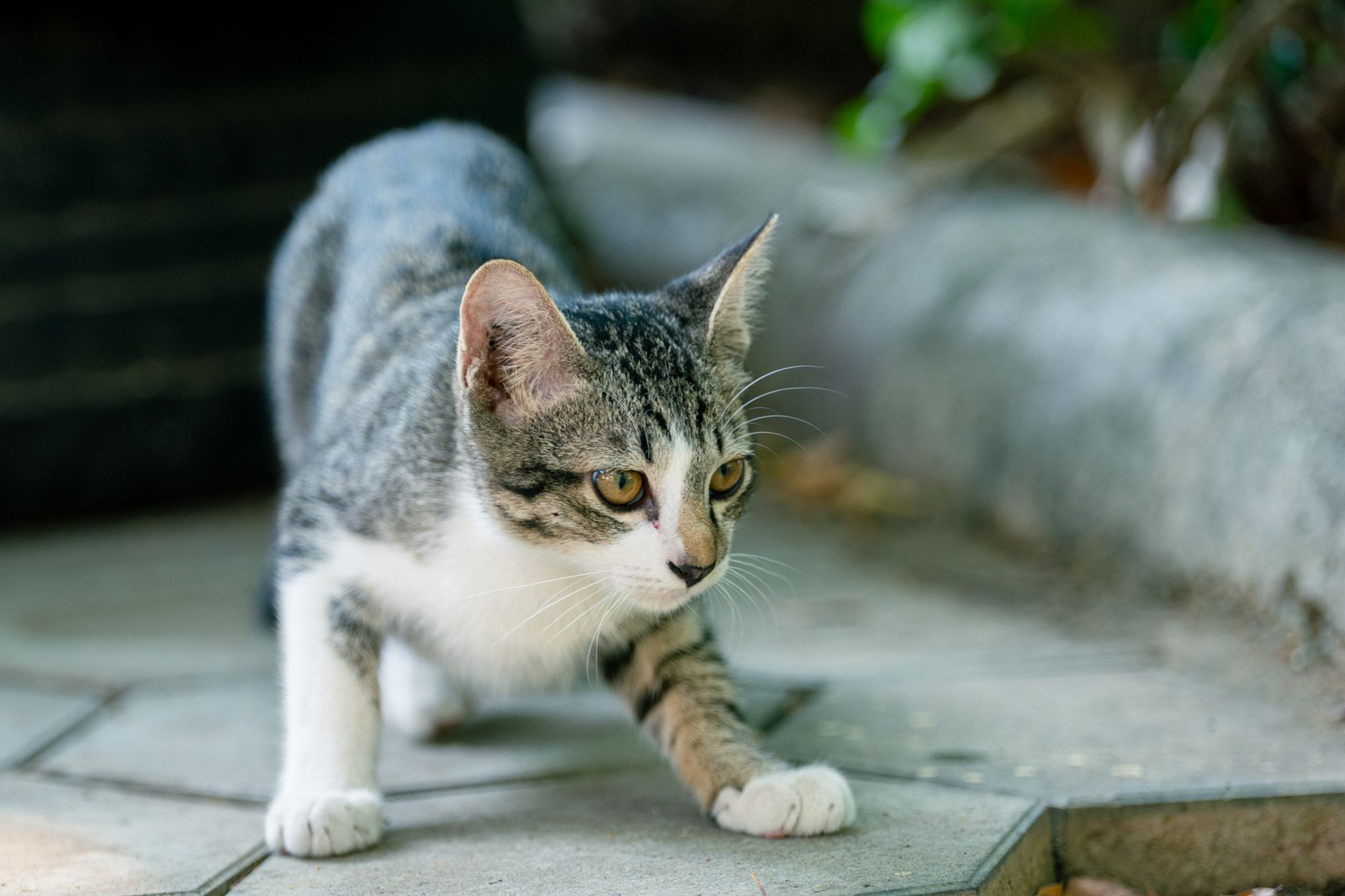
Explains why neutering doesn’t always stop spraying, what medical and social causes drive it, and the vet-backed steps to resolve it.
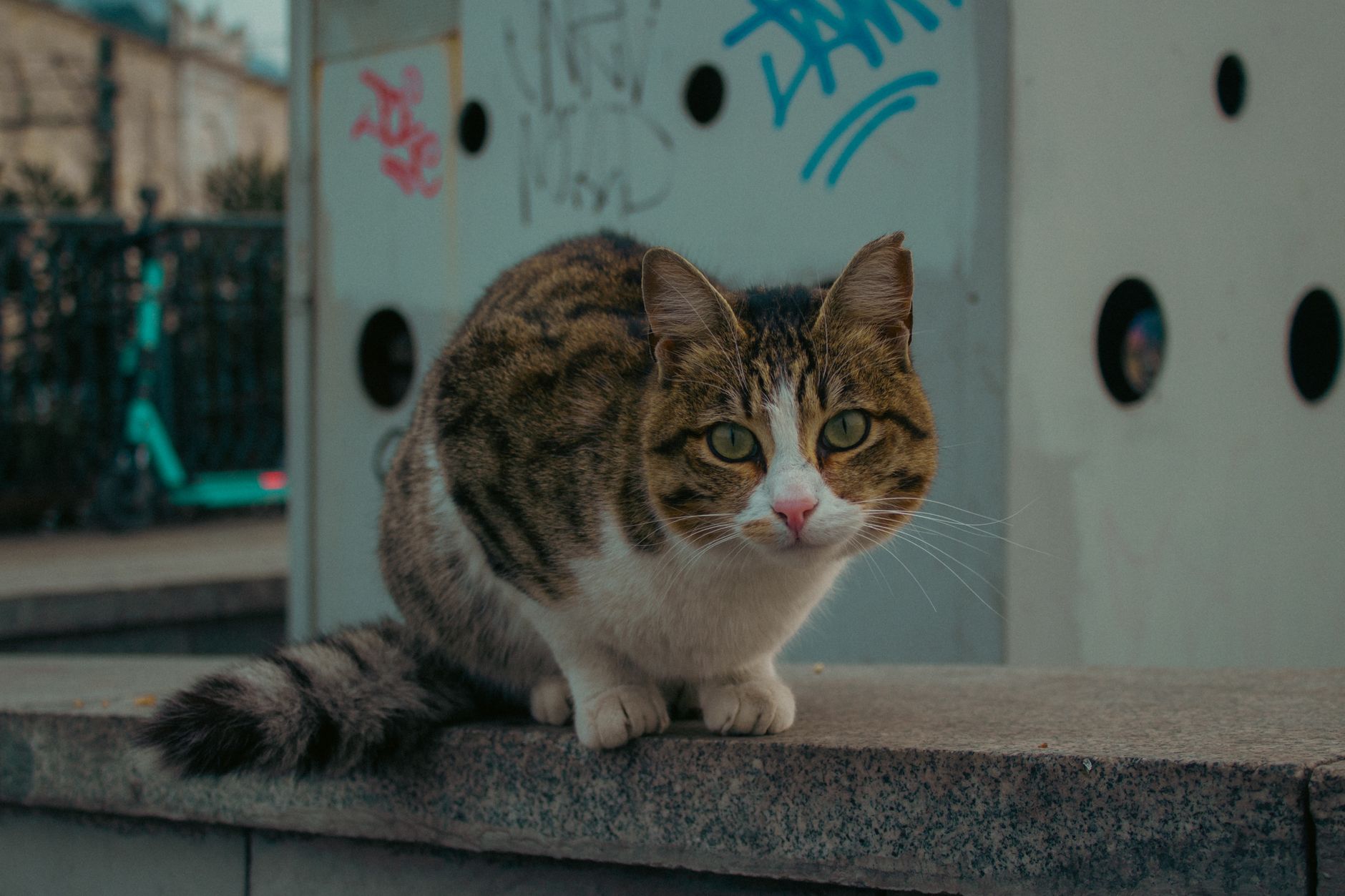
A posture-and-evidence checklist, backed by veterinary sources, for telling true spraying apart from litter box problems or medical emergencies.
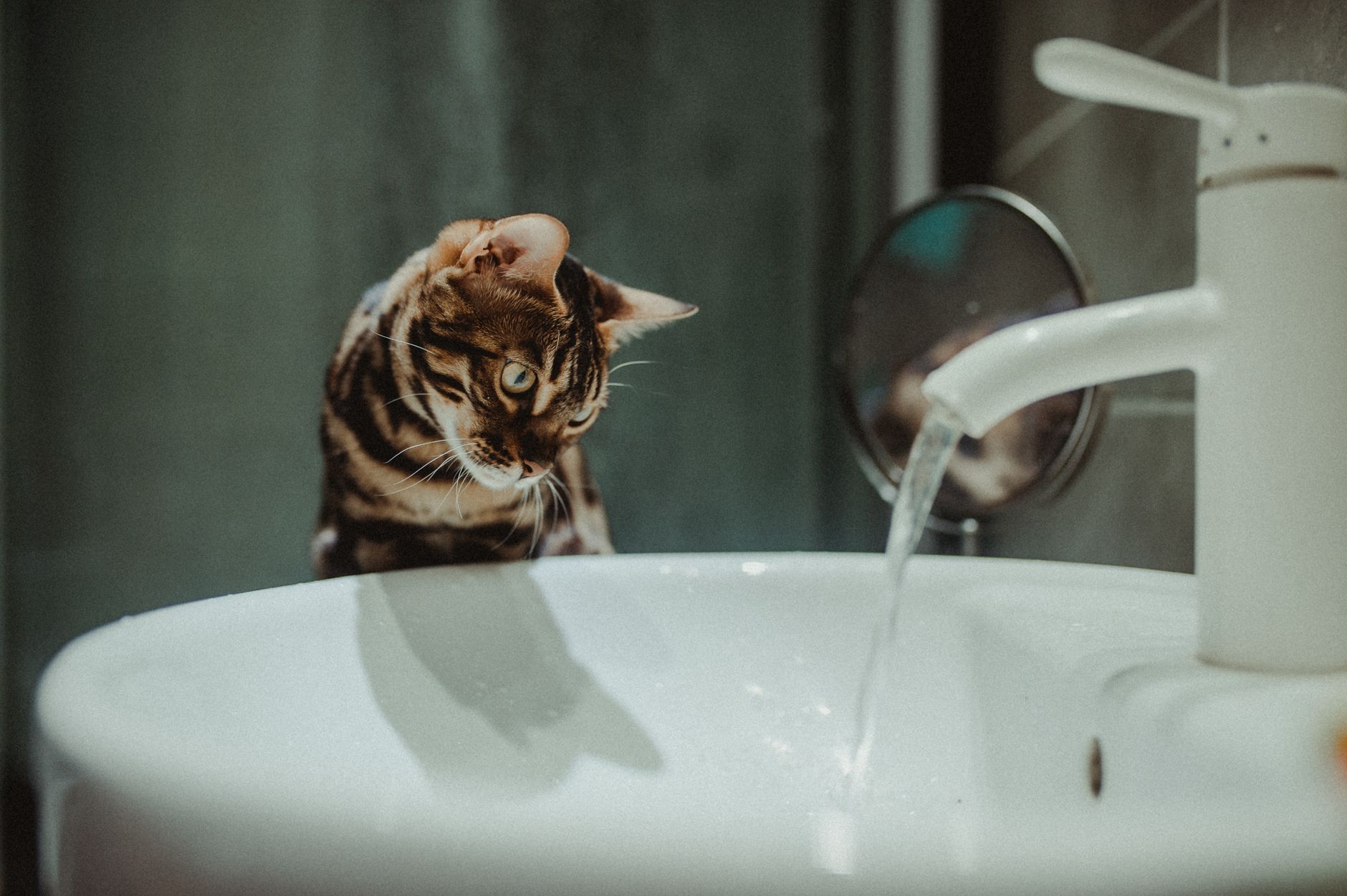
Sprayed urine and litter-box urine share the same chemistry — the stronger smell comes from a sticky protein, not a different scent.