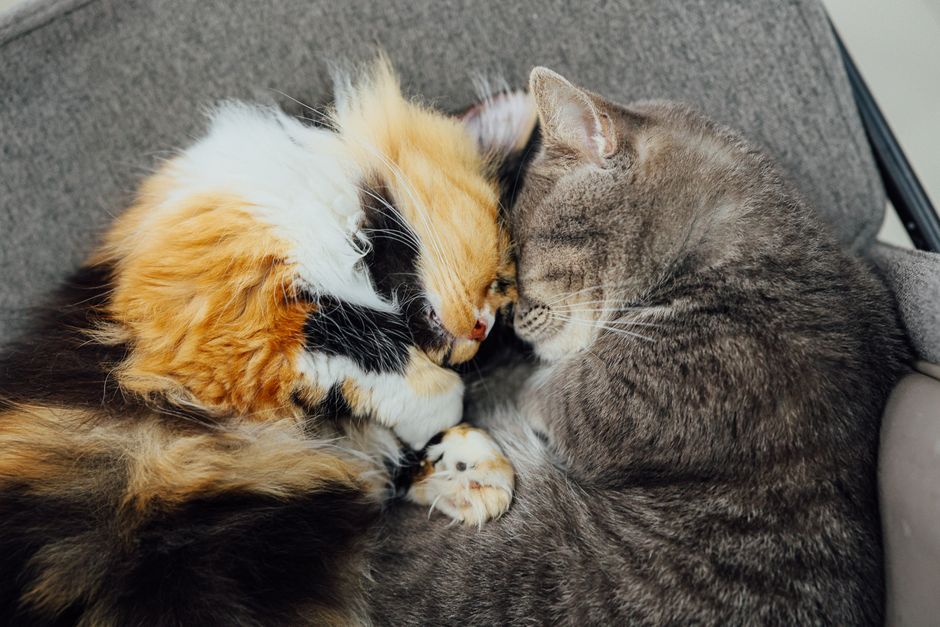
Does Diet Affect Cat Spraying Behavior?

Diet lowers urinary and stress triggers behind spraying, but neutering status and environment drive the behavior far more directly.
Cat food, diet, nutrition, and feeding guides
Browse →578 guidesCat safety, hazards, and poison prevention
Browse →228 guidesCat breeds, characteristics, and breed comparisons
Browse →134 guidesCat litter types, litter boxes, and bathroom habits
Browse →126 guidesCat health issues, diseases, symptoms, and veterinary care
Browse →92 guidesCat pregnancy, birth, and breeding information
Browse →Cat Health, Behavior and Care Guides
Diet lowers urinary and stress triggers behind spraying, but neutering status and environment drive the behavior far more directly.
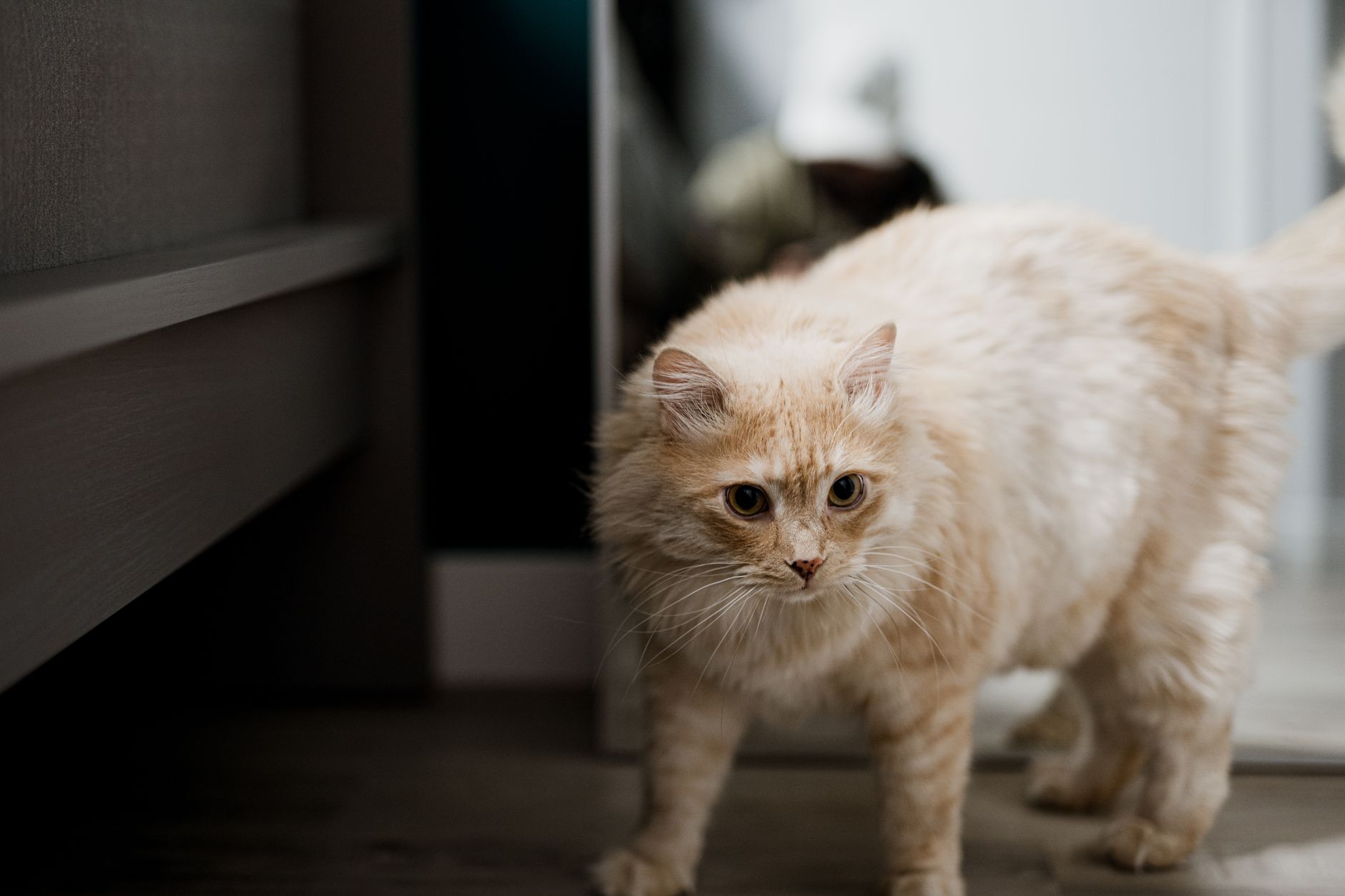
Posture, volume, and location separate a marking spray from a litter box problem — and one warning sign means it’s a vet visit, not a behavior fix.
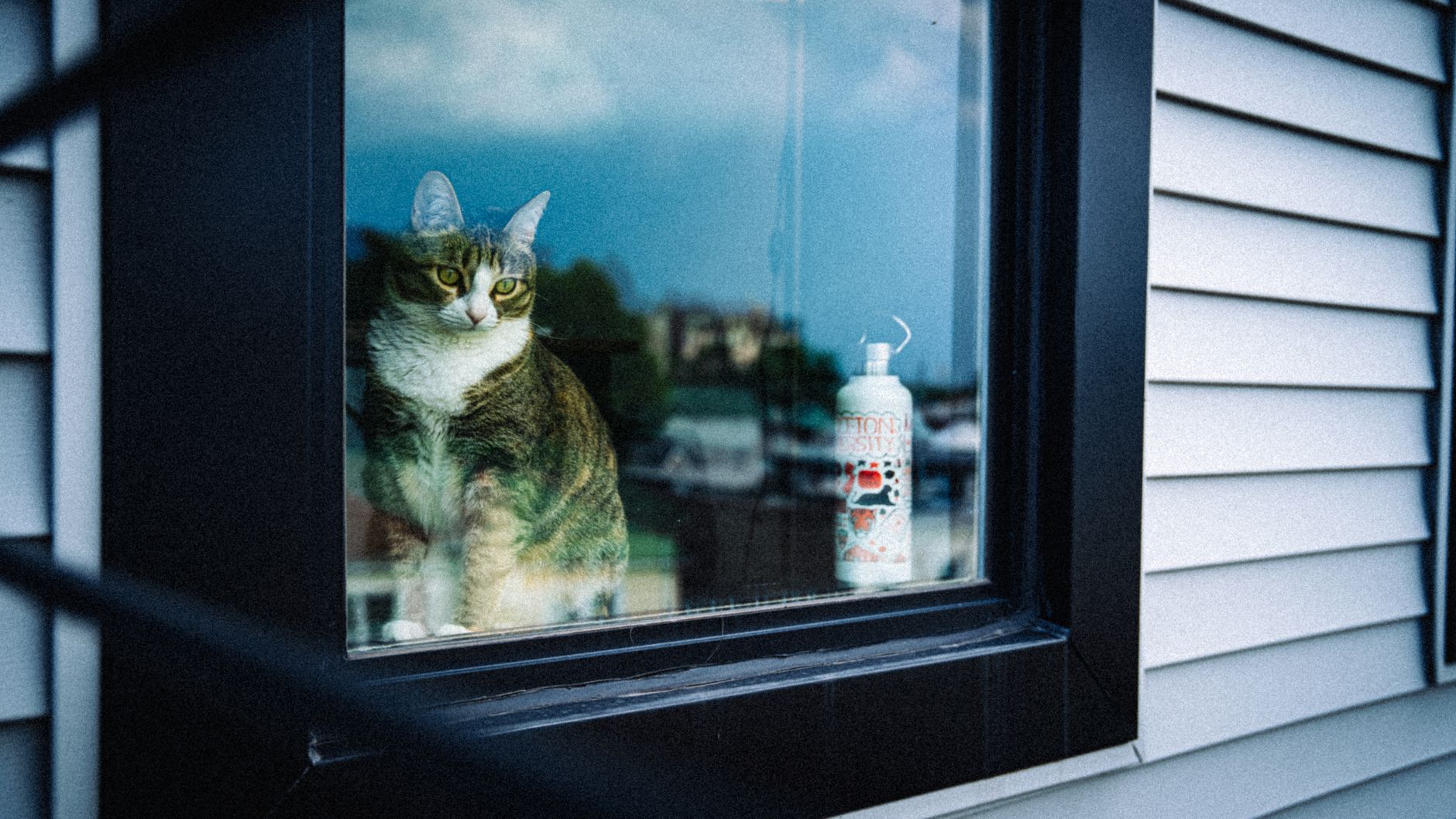
A newly introduced pet is a documented spraying trigger, and vets say calming the whole household works better than targeting one cat.

Blocking a cat’s view of outside cats at windows often stops marking that medication and cleaning alone cannot fully resolve.

Spraying’s duration depends less on time passed than on whether surgery, cleanup, and the stress trigger have all been addressed.

Learn when cat sneezing needs prompt vet care and which indoor and feeding habits lower H5N1 risk this fall.

Learn how litter dust, scents, and infection signs differ and which quick box changes may calm your cat’s sneezing.
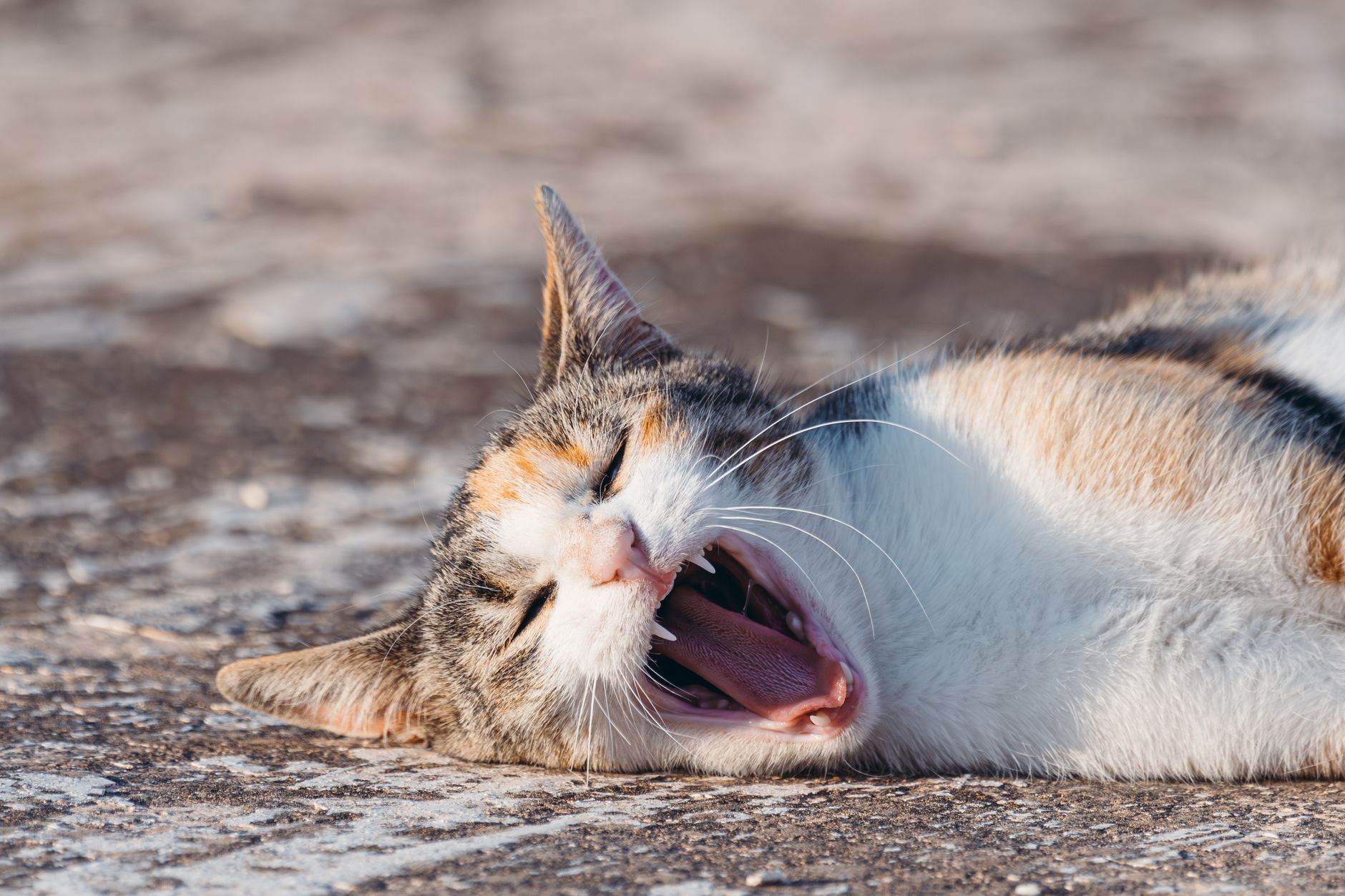
Learn the sneeze frequency, discharge changes, and appetite drops that mean your cat needs veterinary care today.
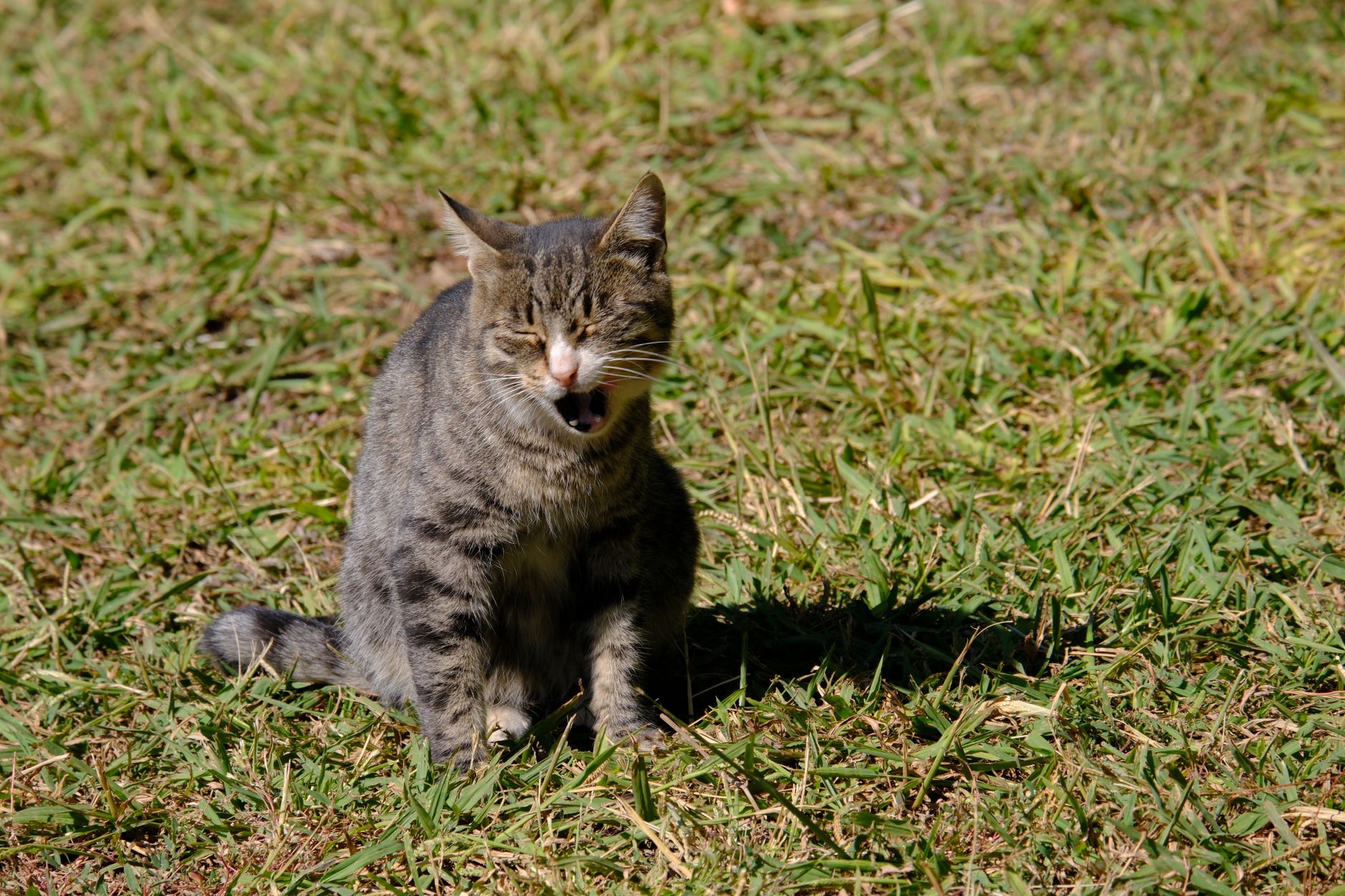
See what joint sneezing and watery eyes signal, how to tell infection from allergy, and when to seek care.
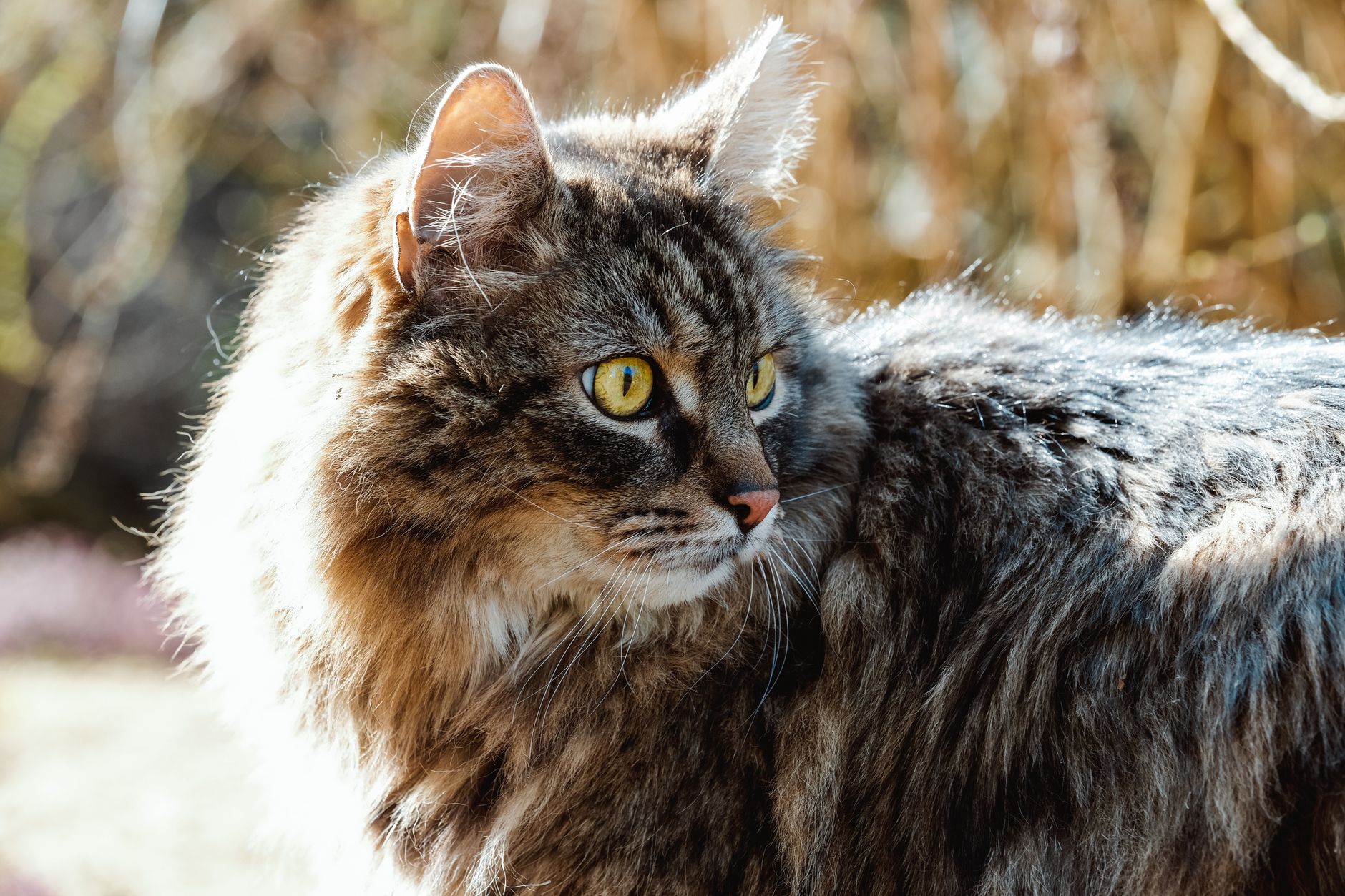
Track the 7-to-21-day sneeze timeline, know high-risk ages, and spot discharge colors that need a vet call.