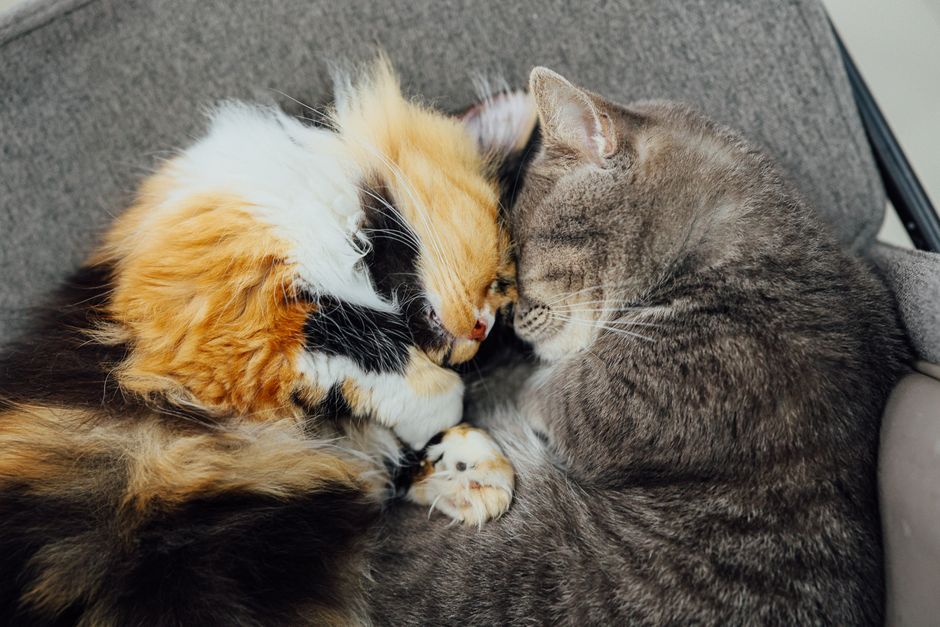
What Is New With Cat Treats in September 2026? Latest veterinary sources and Key Takeaways

Hydration-focused treats and meat-based formats dominate 2026, but the 10% daily calorie rule remains non-negotiable.
Cat food, diet, nutrition, and feeding guides
Browse →578 guidesCat safety, hazards, and poison prevention
Browse →228 guidesCat breeds, characteristics, and breed comparisons
Browse →134 guidesCat litter types, litter boxes, and bathroom habits
Browse →126 guidesCat health issues, diseases, symptoms, and veterinary care
Browse →92 guidesCat pregnancy, birth, and breeding information
Browse →Cat Health, Behavior and Care Guides
Hydration-focused treats and meat-based formats dominate 2026, but the 10% daily calorie rule remains non-negotiable.
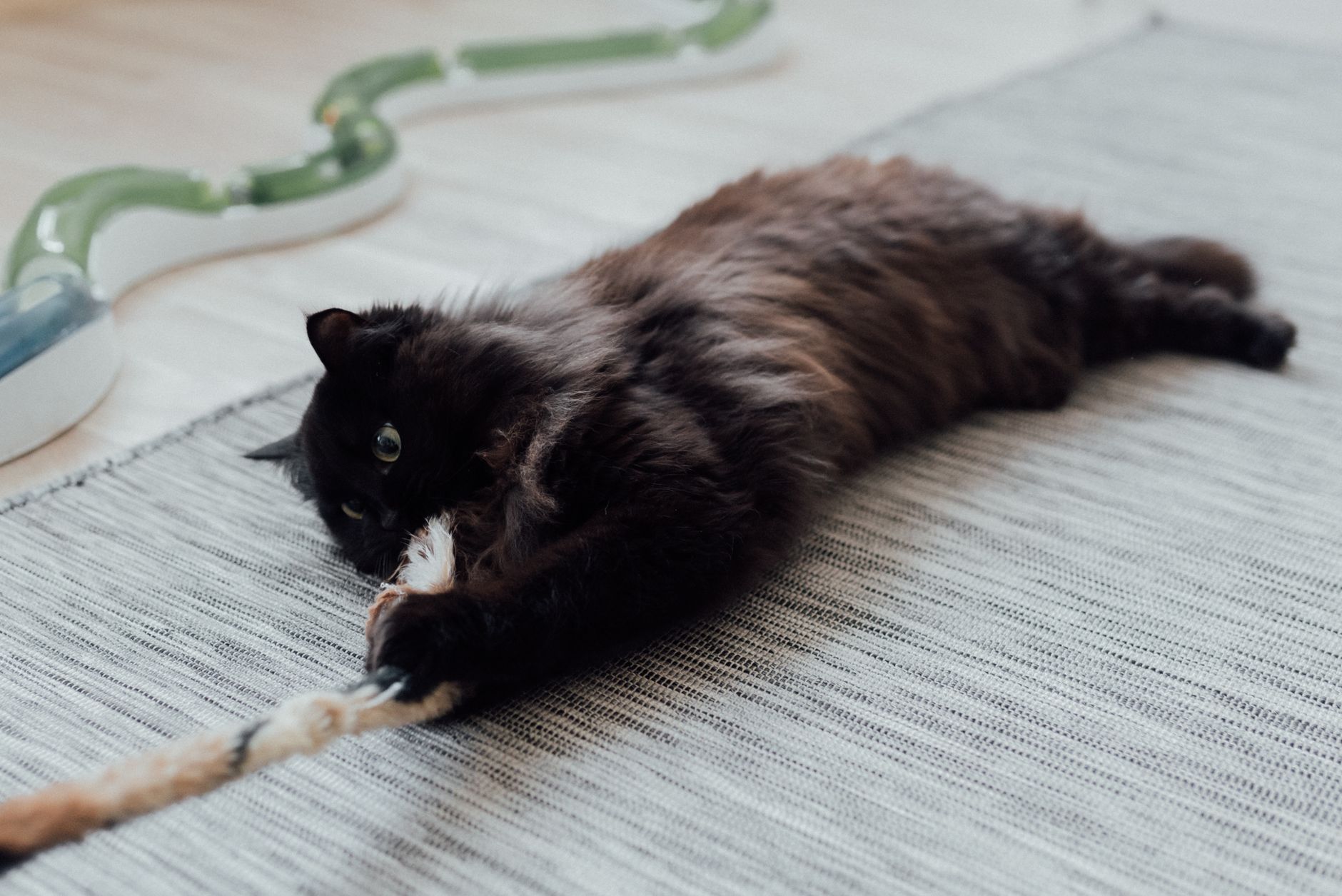
String and feathers can cause life-threatening intestinal blockages in cats—learn which toys are safe, what ingestion symptoms to watch for, and how to maintain toys properly.
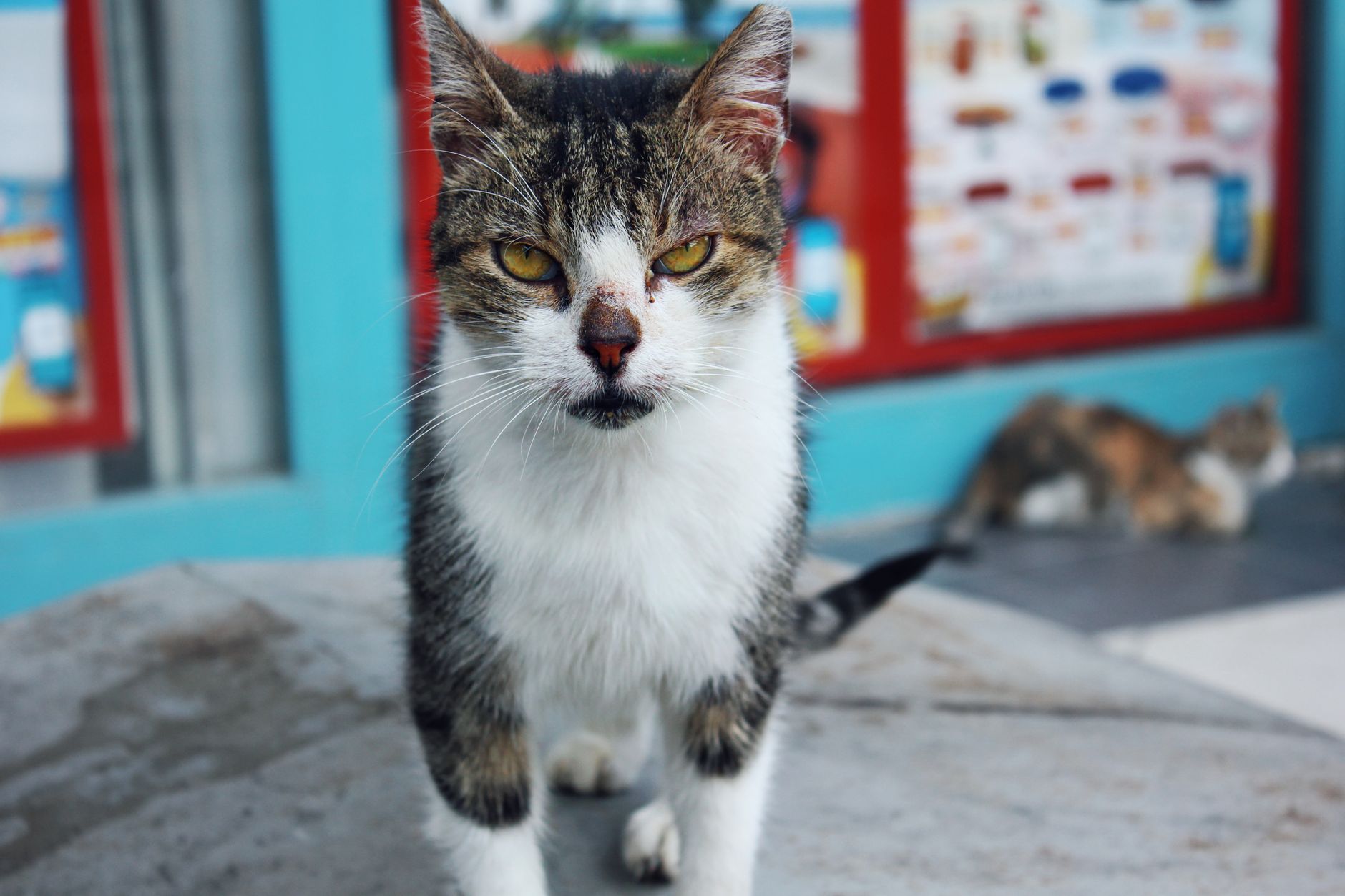
Stray cats pose real health risks and require caution, but most lost cats find their own way home without help.

Current veterinary research confirms cat spraying is territorial behavior treatable through medical screening, environmental management, pheromones, and selective medication.
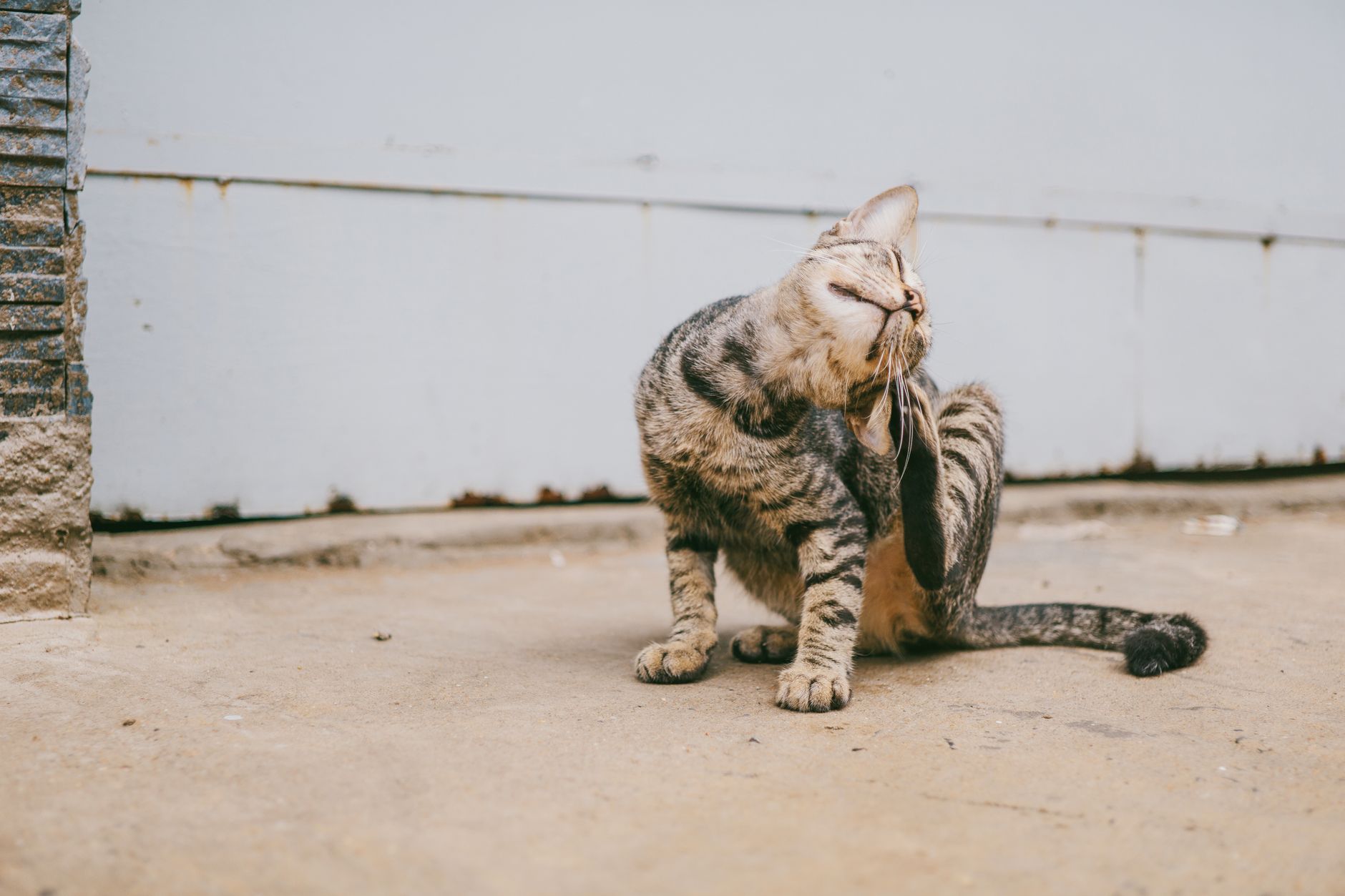
Excessive scratching in cats usually signals fleas, infections, or allergies and requires a vet diagnosis before treatment can work.
Scratching can signal fleas, allergies, fungal infection, behavioral stress, or even hidden systemic illness; knowing which type your cat displays determines whether it needs treatment or management.
Stress and household factors drive destructive scratching more than claw maintenance alone; punishment worsens the behavior, while post placement in high-traffic areas redirects it successfully.
Recent research shows 67% of cat owners report indoor transitions simpler than expected, with behavioral adjustment typically resolving within 2–3 weeks.
A clear read on what the April–May 2026 EU pet traceability rules, England’s existing duty and Defra’s database overhaul mean for cat owners now.
Cat premiums climbed about 12.6% to roughly $435 a year — here’s what drove it, which states changed the rules, and what to check at renewal.