is it safe for cats to eat from garbage
Cats lack the digestive defenses to safely eat spoiled food, bacteria-laden scraps, or toxic household items hidden in trash.
Cat food, diet, nutrition, and feeding guides
Browse →578 guidesCat safety, hazards, and poison prevention
Browse →228 guidesCat breeds, characteristics, and breed comparisons
Browse →134 guidesCat litter types, litter boxes, and bathroom habits
Browse →126 guidesCat health issues, diseases, symptoms, and veterinary care
Browse →92 guidesCat pregnancy, birth, and breeding information
Browse →Cat Health, Behavior and Care Guides
Cats lack the digestive defenses to safely eat spoiled food, bacteria-laden scraps, or toxic household items hidden in trash.
Raw meat poses serious bacterial risks to cats and anyone they live with, including immunocompromised family members.
Cooking creates multiple hazards for cats—from burns and toxic foods to accidental spills that make the kitchen an unsafe space.
Most plate licking is harmless, but certain foods and dishes pose real toxicity risks that cat owners should recognize.
Many common leftovers contain ingredients toxic to cats or trigger serious digestive and metabolic problems.
Some human foods are safe for cats in tiny amounts, but many are toxic—and you might not realize which ones until it’s too late.
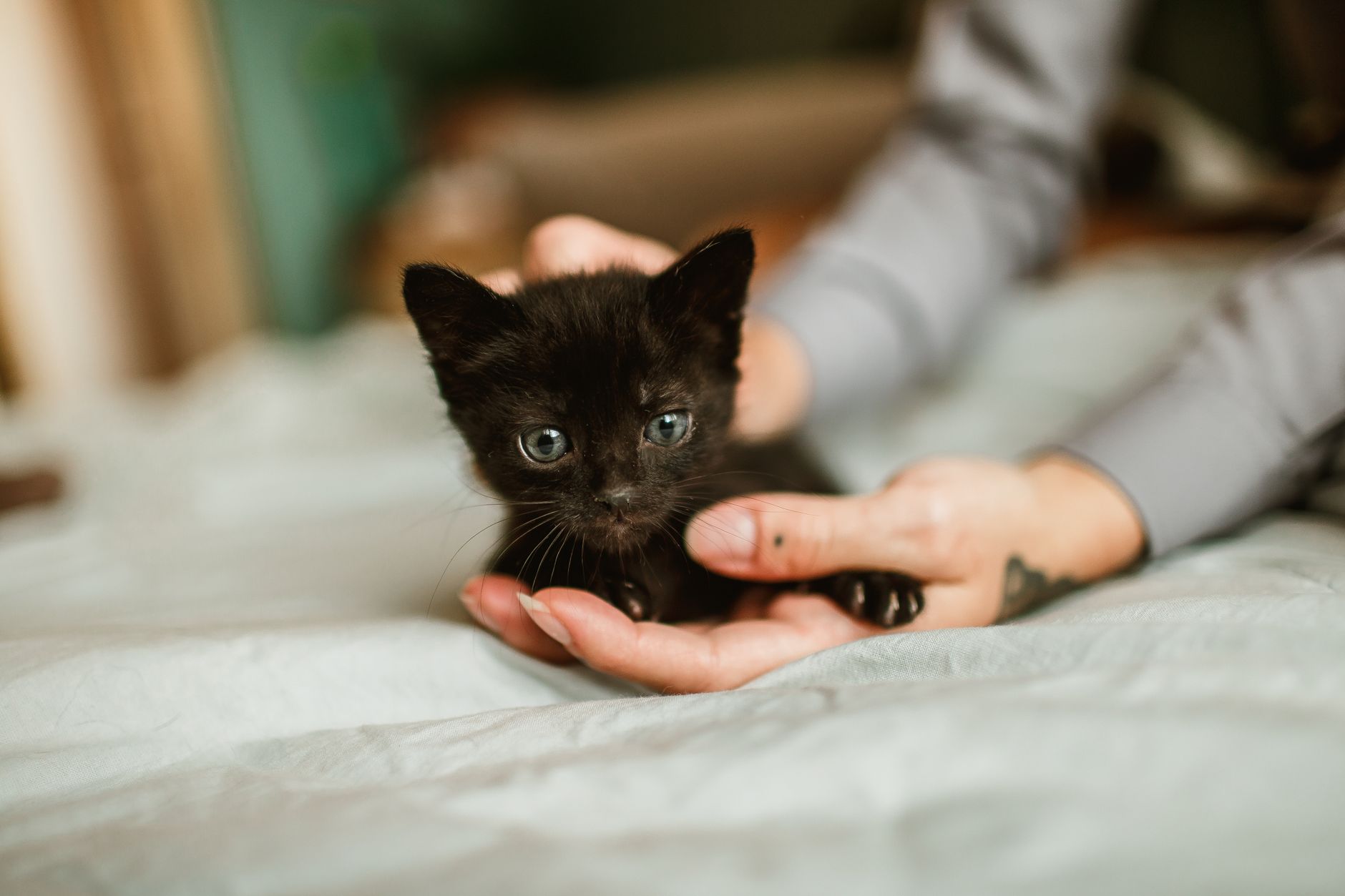
Multiple cats can thrive together, but only when their territory, resources, and personalities align properly.
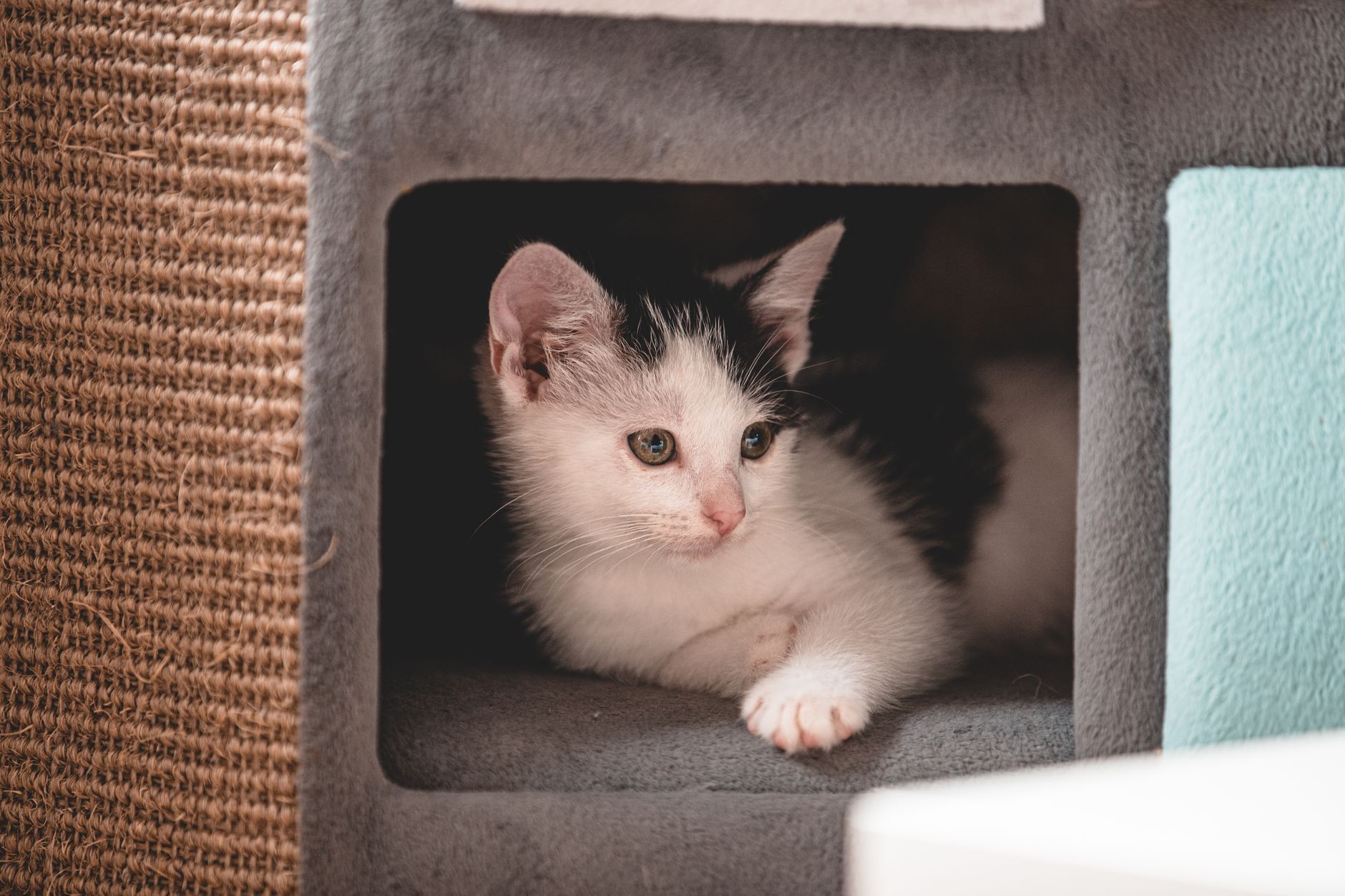
Cats can survive alone for short periods, but extended isolation causes serious health and behavioral problems that many owners underestimate.
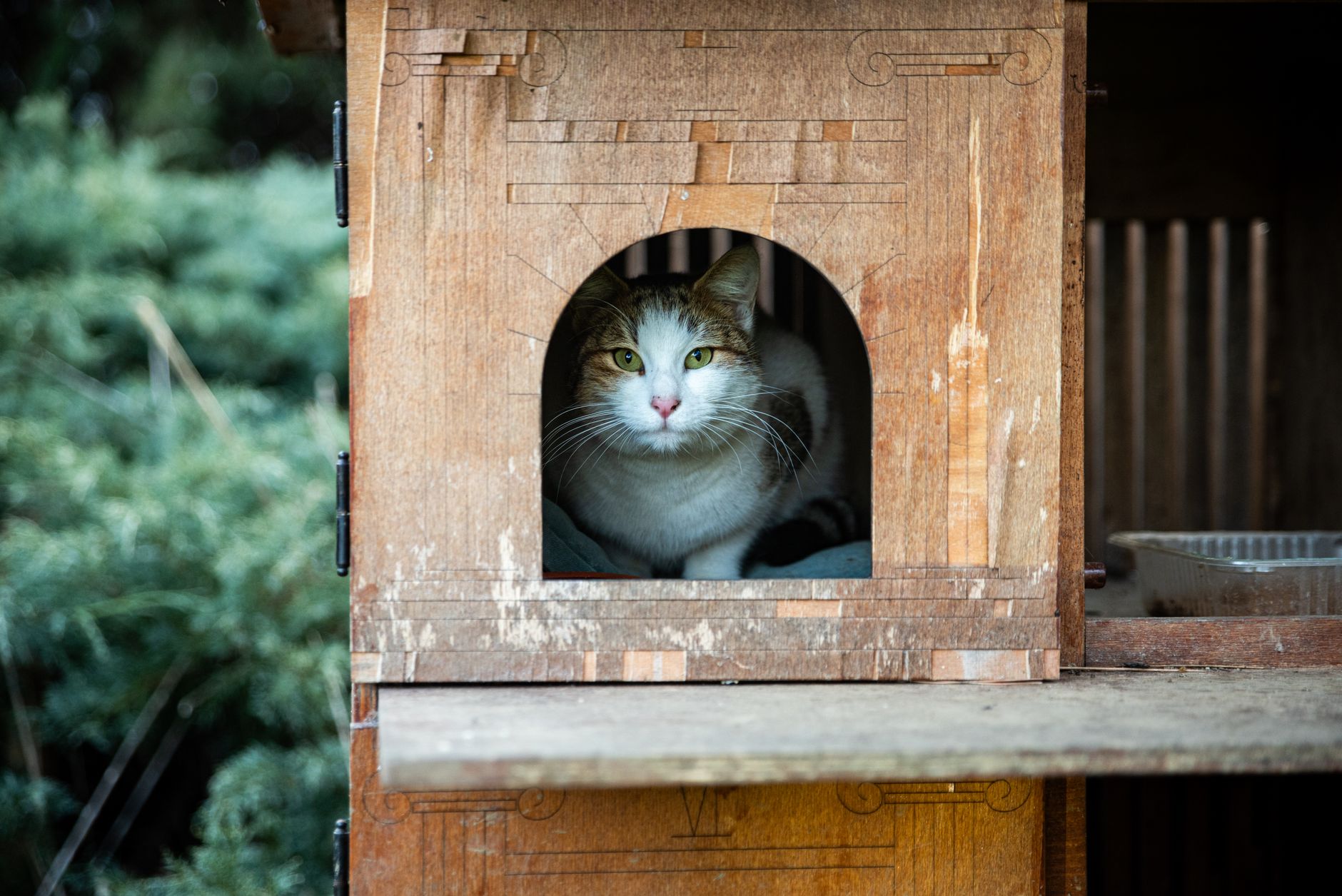
Big houses work for cats when hazards are managed and enrichment is distributed throughout the space.
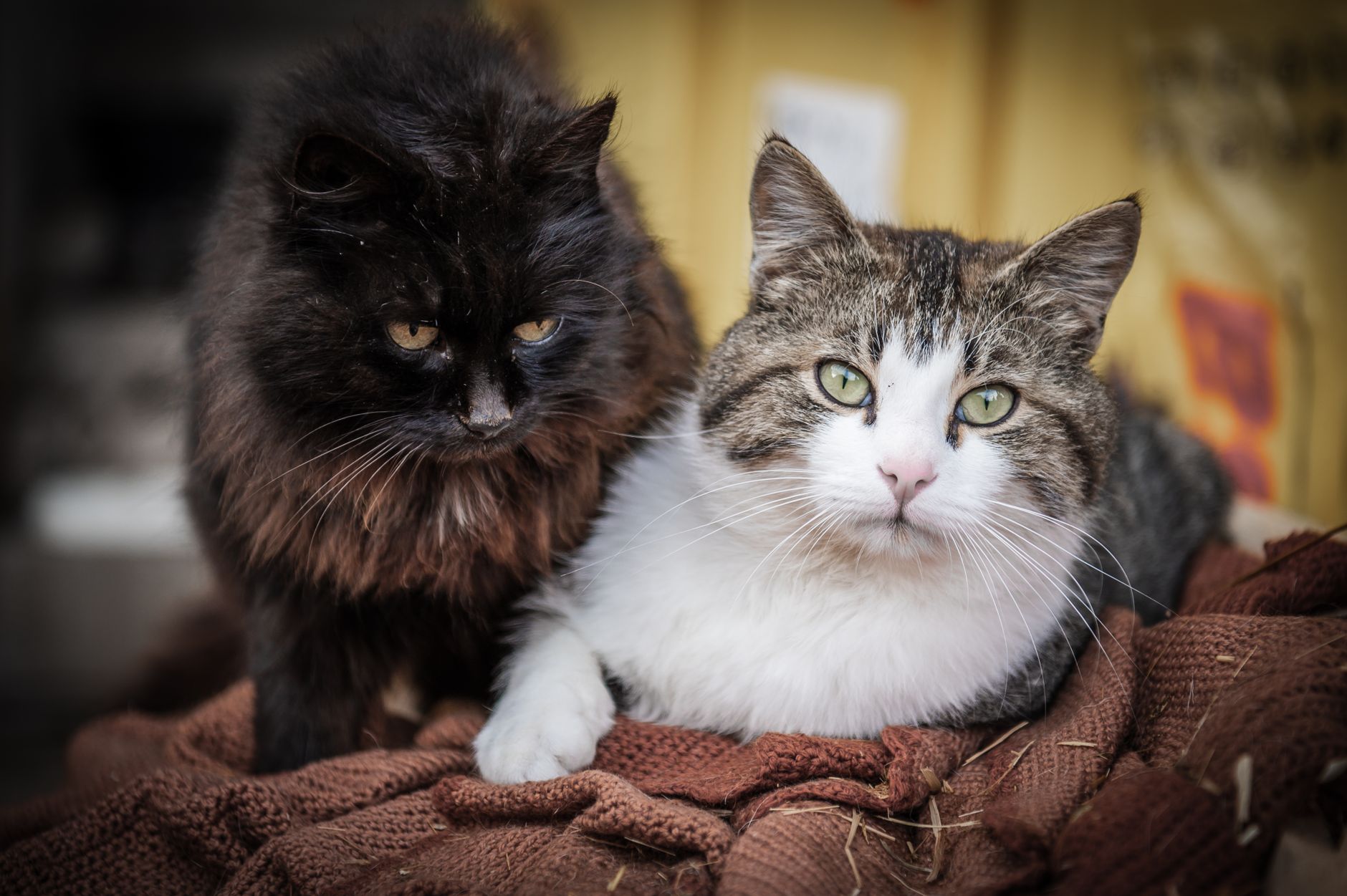
Cats thrive in small apartments when enrichment and owner engagement meet their behavioral needs, not based on square footage alone.