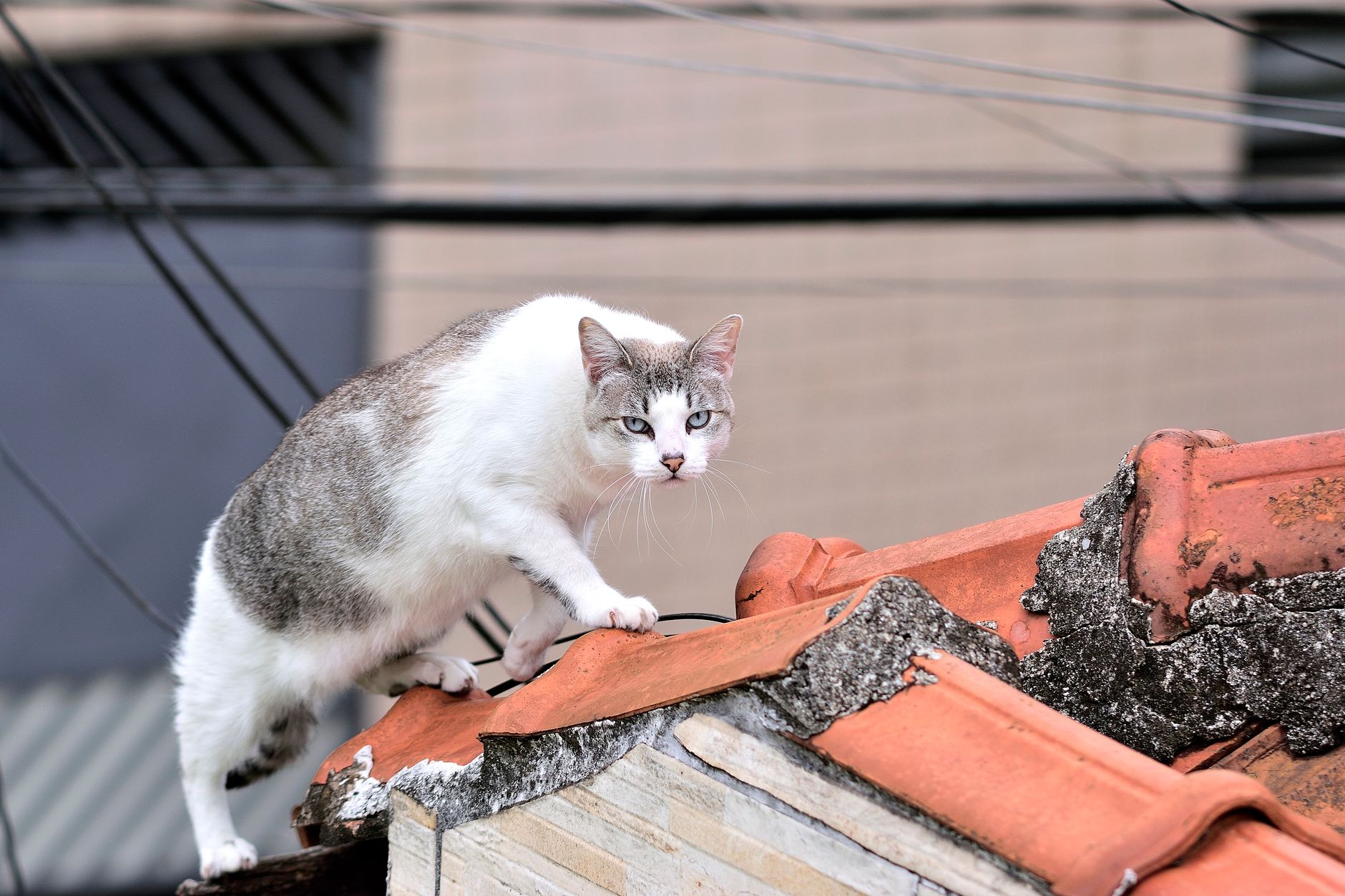
When a family pet finds itself caught in the path of a house fire, survival often depends on quick discovery and professional rescue response. Firefighters are increasingly trained to locate and safely extract pets from burning structures, using specialized techniques and equipment designed to protect animals from heat, smoke, and injury. In fire rescue scenarios involving cats, the animals’ small size, natural climbing instincts, and tendency to hide during emergencies present both challenges and advantages—cats may escape to high vantage points that seem unreachable, but trained rescue teams know how to navigate these hiding spots systematically.
The success of any pet rescue hinges on immediate action and coordination between concerned family members and emergency responders. When firefighters enter a structure to locate a missing cat, they rely on a combination of thermal imaging, systematic room searches, and knowledge of feline behavior to find animals that may be concealed in walls, attics, or other enclosed spaces. Many pets that initially appear lost in fires are successfully recovered because responders understand that cats often survive the initial flames by seeking shelter in unexpected locations, then remain hidden by fear rather than actual entrapment.
Table of Contents
- Why Cats Often Survive Fires When Given the Right Response
- Firefighter Rescue Techniques and Equipment for Locating Pets
- Recognizing Smoke Inhalation and Fire-Related Injuries in Rescued Cats
- Preparing Your Home to Improve Rescue Chances
- Emergency Medical Care After Fire Rescue
- Training and Certification for Pet Rescue Operations
- Long-Term Monitoring and Post-Fire Care Considerations
- Frequently Asked Questions
Why Cats Often Survive Fires When Given the Right Response
cats possess several physiological advantages in fire situations compared to other pets. Their lower body mass means they experience thermal effects differently than larger animals, and their reflexive responses to smoke and heat often cause them to move away from danger quickly. Cats are also more likely than dogs to avoid running toward open flames, instead retreating to higher ground or enclosed spaces that may protect them from the worst of the smoke and heat exposure in the early minutes of a fire.
However, cats face serious risks from smoke inhalation and carbon monoxide poisoning that can render them unconscious or disoriented before visible flames become a threat. A cat hiding in a closet or cabinet during a fire may lose consciousness from smoke exposure while physically unharmed by flames, making them difficult to locate without systematic searching or thermal detection equipment. Firefighters understand that the first minutes of a fire are critical—the longer a cat remains in a smoke-filled environment, the greater the risk of irreversible respiratory and neurological damage, even if rescue occurs before any burns develop.
Firefighter Rescue Techniques and Equipment for Locating Pets
Modern fire departments employ thermal imaging cameras that detect heat signatures through smoke and darkness, allowing responders to identify living animals by their body temperature. A thermal camera can reveal a cat’s location in a smoke-filled room in seconds, guiding firefighters directly to the animal rather than requiring them to search by sight or sound. This technology has dramatically improved rescue rates for pets in structure fires, particularly for animals that are unconscious or unable to vocalize their location. Firefighters also use systematic search patterns that account for known feline behavior during emergencies. Cats tend to hide in vertical spaces—upper shelves, wall cavities, attic areas—rather than running through open spaces like dogs might.
A trained rescue team will search high areas first, checking closet shelves, cabinets above head height, and attic access points before moving to floor-level locations. This behavioral knowledge saves precious minutes by directing the search where cats are statistically most likely to be found. A significant limitation of rescue operations is the time constraint imposed by conditions inside a burning building. Even with full protective equipment and breathing apparatus, firefighters can only remain in hot, smoke-filled environments for brief periods. If a cat is deeply concealed or unconscious, responders may need to make difficult decisions about how long to search in rapidly deteriorating conditions, weighing the risk to themselves against the diminishing likelihood of finding an animal alive.
Recognizing Smoke Inhalation and Fire-Related Injuries in Rescued Cats
Cats rescued from fires frequently suffer from acute smoke inhalation, which damages the delicate tissues lining the airways and impairs oxygen absorption in the lungs. Symptoms can develop gradually over hours after rescue—a cat may initially seem alert and active but then deteriorate as fluid accumulates in the lungs, a condition called pulmonary edema. Labored breathing, wheezing, coughing, or a bluish tint to the gums or tongue indicate severe respiratory compromise requiring immediate veterinary intervention.
Thermal burns are less common in rescued cats than smoke inhalation injuries, but they do occur, particularly to the face, paws, and underside of the body. Cats may have singed whiskers or nasal hair, or darker, more serious burns to exposed skin. Burns to the paw pads are especially problematic because cats cannot bear weight on damaged feet, and even minor-appearing burns can develop into serious infections if not properly managed. Any cat rescued from a fire should receive a complete physical examination from a veterinarian, even if the animal appears uninjured, because internal damage to airways and lungs may not be visually apparent.
Preparing Your Home to Improve Rescue Chances
Pet owners can take concrete steps to make their homes safer for cats during fires and to improve the likelihood of successful rescue if an emergency occurs. Installing smoke detectors in areas where cats spend time—bedrooms, living rooms, and basements—provides early warning that may give both the cat and the household minutes to evacuate before conditions become critical. Some fire departments recommend installing window decals or signs indicating that pets live in the home, helping responders prioritize rescue efforts and search systematically rather than assuming no animals are present. Creating a pet emergency kit and keeping current photos of your cat in an accessible location provides firefighters with crucial information if they must search for your animal.
Microchipping your cat is also essential; even if your cat escapes the fire and wanders in shock and confusion, a microchip enables animal shelters and veterinary clinics to identify and reunite a displaced pet with its family. Without a microchip, a frightened, burned, or disoriented cat may be impossible to match to its owners, becoming a stray rather than a rescue success story. One tradeoff to consider is that some fire prevention measures—like keeping doors closed to contain fire spread—can make it harder for firefighters to locate trapped cats, since animals hiding behind closed doors are less likely to be found quickly. A balanced approach involves knowing your cat’s typical hiding spots and communicating this information to emergency responders before they search, if you’re outside the home and in contact with arriving firefighters.
Emergency Medical Care After Fire Rescue
Any cat rescued from a fire requires emergency veterinary evaluation, even if the animal appears to be breathing normally and is conscious. Veterinarians will assess the cat’s respiratory status using pulse oximetry and sometimes bloodwork to check for carbon monoxide exposure, which can cause neurological damage even when oxygen levels are adequate. Oxygen therapy may be necessary for hours or days after rescue, as the cumulative effect of smoke exposure may continue to impair lung function. A cat that seemed to recover on the day of the fire may suddenly deteriorate 24 to 48 hours later as inflammation in the lungs worsens.
Recovery from smoke inhalation is often prolonged and costly, requiring hospitalization, medications, and careful monitoring. Some cats develop chronic respiratory problems after fire exposure, experiencing coughing or breathing difficulty for weeks or months. Pain management is also critical for burned cats, as burned tissue is extremely painful and healing progresses slowly. Infection is a serious risk with any burn wound, requiring antibiotics and meticulous wound care. The emotional recovery of the cat is equally important—many animals rescued from fires show signs of anxiety or behavioral changes, which may require time and sometimes medication to resolve.
Training and Certification for Pet Rescue Operations
Many fire departments now include animal rescue training as part of their standard curriculum, recognizing that the public increasingly expects emergency responders to search for and attempt to save pets during structure fires. Some departments work with local animal welfare organizations to develop specialized protocols, training firefighters to recognize and handle animals that may be frightened, injured, or aggressive due to fear and pain.
Certification programs exist for firefighters who specialize in animal rescue, teaching them how to safely approach, capture, and transport animals of various species. A specific example of coordinated rescue training is programs that use mannequins or models of animals in controlled fire simulations, allowing firefighters to practice search techniques and learn how to carry injured animals while maintaining their own safety. Some departments also conduct community education events where pet owners learn about fire safety specifically designed to protect animals, including how to keep emergency contact information accessible and how to train cats to respond to specific commands during evacuation.
Long-Term Monitoring and Post-Fire Care Considerations
Cats that survive fires should be monitored closely for months after the incident, as complications from smoke inhalation can emerge gradually. Some cats experience increased susceptibility to respiratory infections after fire exposure, requiring additional veterinary attention at the first sign of coughing, sneezing, or lethargy. Follow-up chest X-rays may be necessary weeks after the initial fire to ensure that the lungs are healing properly and that fluid is not accumulating.
Behavioral changes often persist longer than physical healing. A cat that hid in a wall during a fire may develop anxiety around loud noises, showing fear responses to sounds that resemble the emergency services vehicles or radio communications that occurred during the rescue. Reestablishing routine, providing safe spaces, and maintaining consistent handling by familiar people all contribute to psychological recovery. Some cats never fully overcome the trauma and may require environmental modifications—such as additional hiding spots, access to quiet areas, or prescription anti-anxiety medication—to maintain behavioral stability in their homes.
- —
Frequently Asked Questions
Can a cat survive in a completely smoke-filled room during a fire?
Cats can survive smoke exposure for longer than most humans because their lower body position means they initially experience less smoke concentration near the floor. However, the toxic gases in smoke—particularly carbon monoxide and hydrogen cyanide—accumulate quickly, and a cat will lose consciousness or suffer organ damage within minutes of exposure.
Should I try to rescue my cat myself during a fire, or should I evacuate and call firefighters?
Your safety is the priority. Exit the building and call firefighters immediately. Firefighters have protective equipment and breathing apparatus that allow them to search safely in conditions that would incapacitate you within seconds. A rescue attempt by a non-trained person often results in both the person and the pet being overcome by smoke.
How long will my rescued cat need veterinary care after a fire?
Acute care typically requires 24 to 72 hours of hospitalization for oxygen therapy and monitoring. Follow-up visits over the next 2 to 4 weeks are standard to assess lung healing. Some cats develop chronic respiratory issues requiring ongoing medication or management for months.
Can a microchipped cat that escapes during a fire be reunited with me?
Yes, if your cat is found and taken to a shelter or veterinary clinic, staff will scan for a microchip and contact you. However, if your cat wanders far from the fire scene or is found by someone who doesn’t bring it to a facility with a scanner, microchipping alone won’t help. A microchip combined with current ID tags and photos is the most effective reunion strategy.
What’s the biggest mistake people make when preparing for fire safety with cats?
Many pet owners assume their cat will come when called or will follow them out of the house during a fire. Frightened cats often hide rather than respond to humans, making it impossible to locate or evacuate them. Planning for this behavior—keeping carriers easily accessible, microchipping, and communicating with firefighters about hiding spots—is critical.