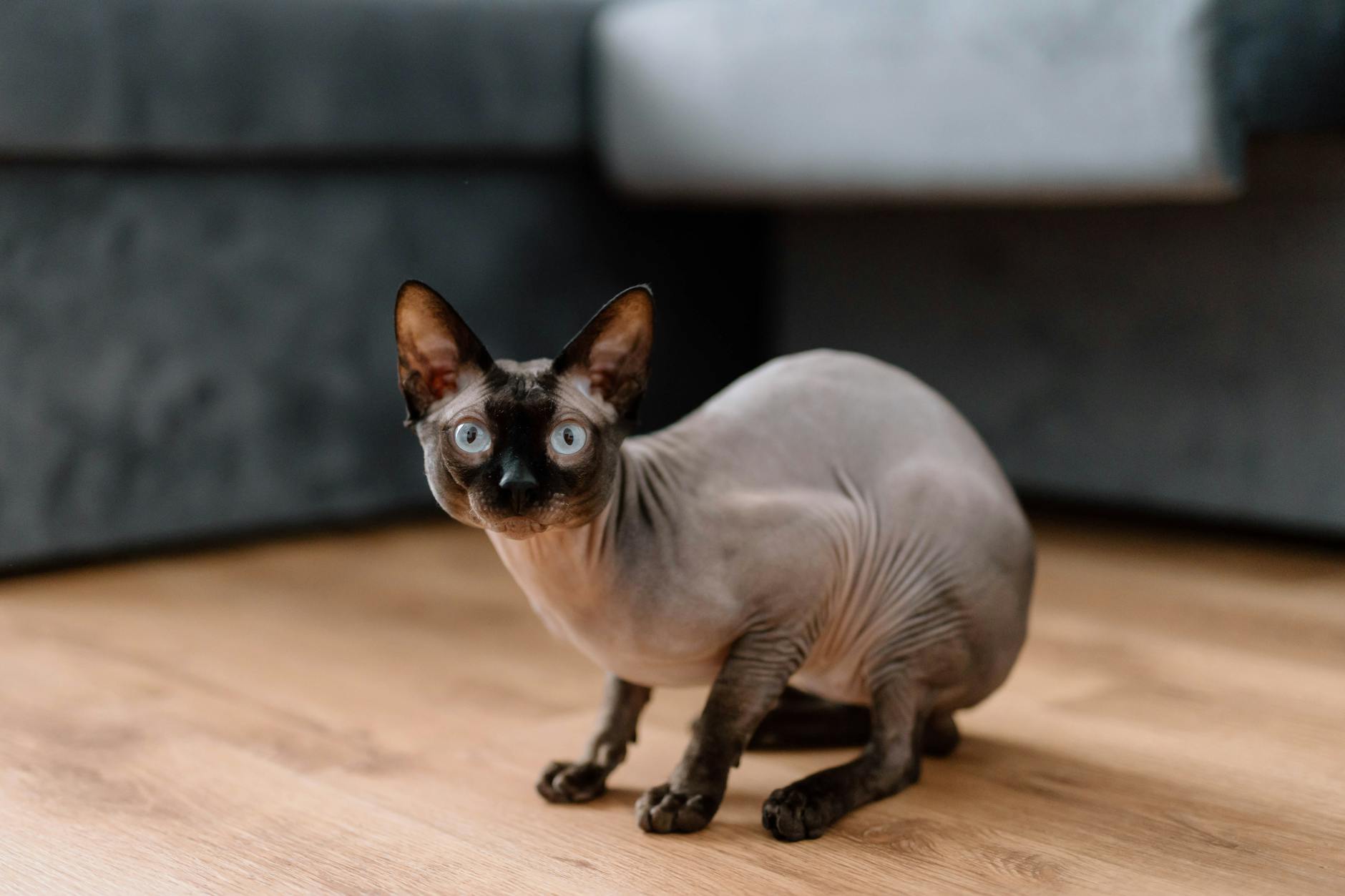
The Sphynx cat stands out as the best blue-eyed cat breed for allergy sufferers, though it requires important caveats. While most blue-eyed cat breeds—such as Siamese, Tonkinese, and Balinese—are not hypoallergenic, the Sphynx’s hairless coat eliminates the primary vehicle for allergen distribution, making it a more viable option for people with cat sensitivities. For example, someone with moderate cat allergies who previously couldn’t tolerate long-haired breeds may find they can coexist with a hairless Sphynx because there is no fur to shed and collect dander, saliva, and urine proteins throughout the home.
It’s crucial to understand that “hypoallergenic” is a misleading term when applied to any cat breed. Cat allergies stem primarily from the protein Fel d 1, which is found in cat dander, saliva, and urine—not from fur itself. A hairless cat still produces dander and still grooms itself with allergen-laden saliva. What changes with breeds like the Sphynx is the mechanism of allergen dispersal: without fur to trap and spread these proteins, allergen levels remain lower overall, though they are never zero.
Table of Contents
- Do Blue-Eyed Cat Breeds Tend to Have Lower Allergen Levels?
- Sphynx Cats and Their Unique Allergenic Profile
- Comparing Sphynx to Other Low-Allergen Options
- Practical Steps for Testing Breed Compatibility Before Commitment
- Risks and Warnings with Blue-Eyed Breeds
- Environmental and Lifestyle Factors Beyond Breed Selection
- The Future of Hypoallergenic Cats and Breed Development
- Conclusion
Do Blue-Eyed Cat Breeds Tend to Have Lower Allergen Levels?
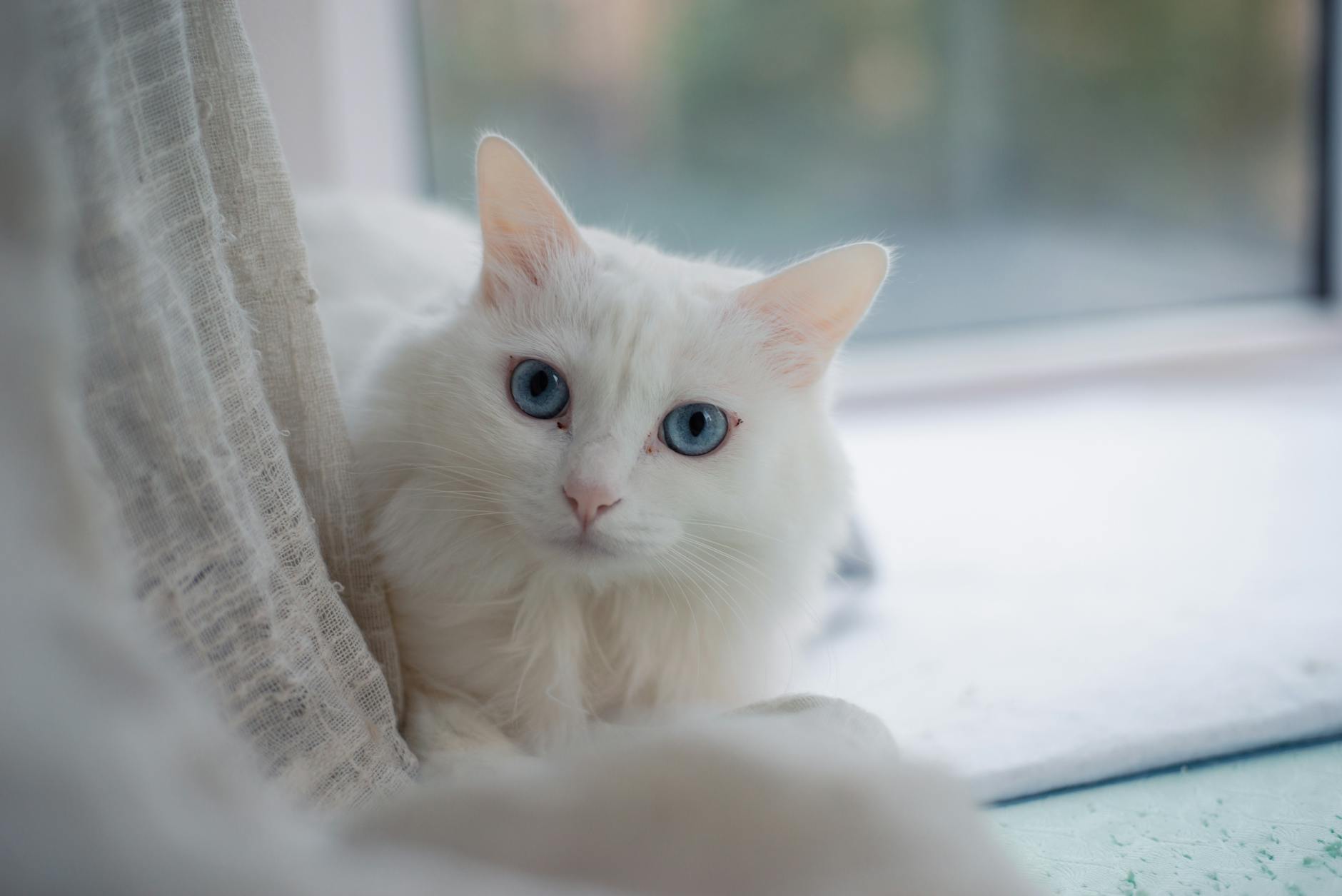
Eye color and allergen production are not linked genetically in cats. A cat’s blue eyes have no bearing on how much Fel d 1 protein it produces, making eye color an aesthetic rather than allergenic consideration. Many blue-eyed breeds—including some Siamese, Ragdoll, and Tonkinese cats—are actually high-shedding, long-haired breeds that are among the worst choices for allergy sufferers.
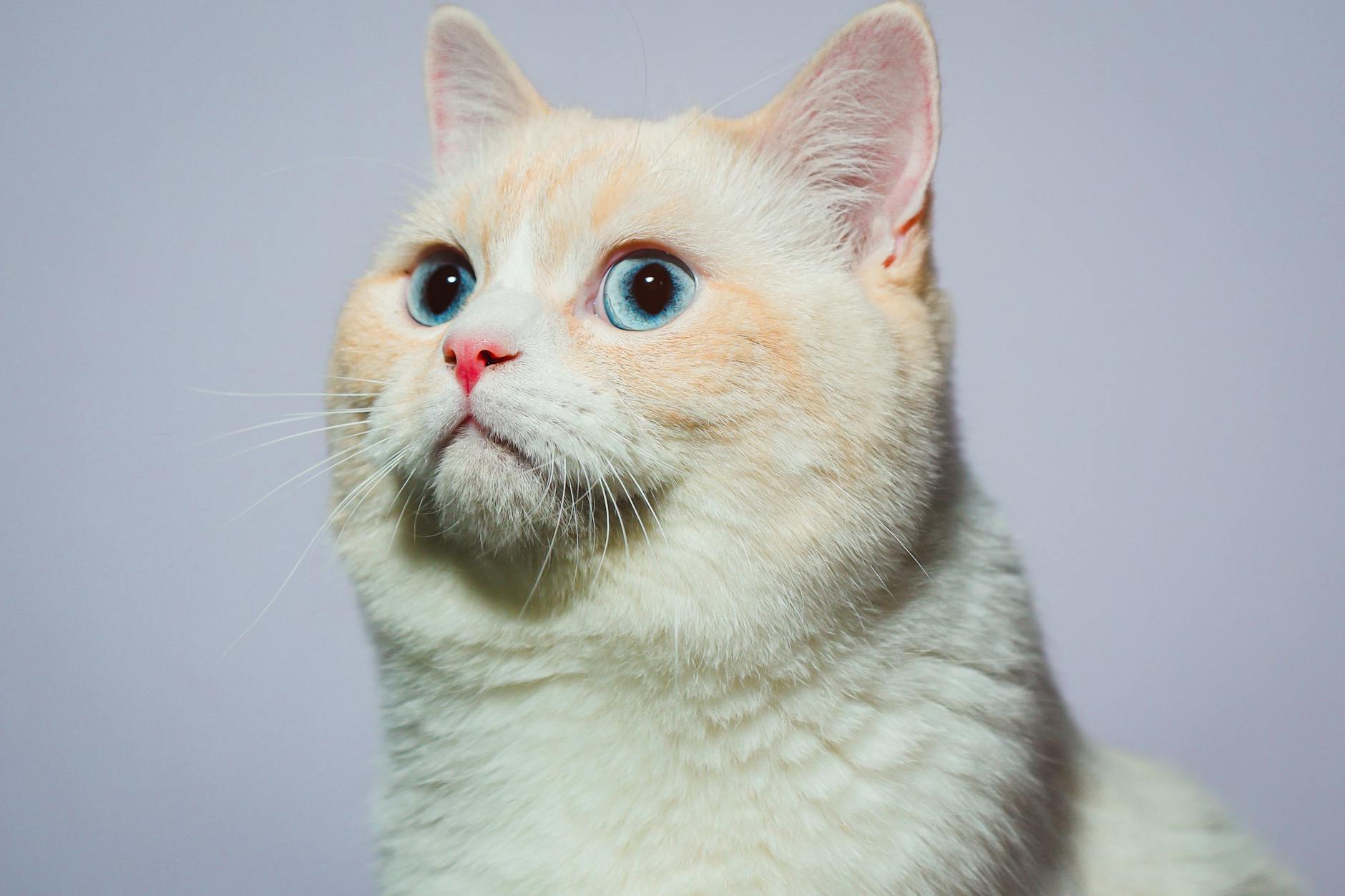
The misconception likely stems from the fact that certain breeds are known for both blue eyes and lower allergen profiles, but this is coincidental rather than causal. When evaluating a breed for allergy-friendliness, coat length and density matter far more than eye color. A short-haired, low-shedding cat with blue eyes is preferable to a long-haired, high-shedding cat with any eye color. The Devon Rex and Cornish Rex, for instance, have soft, wavy coats and some lines produce blue-eyed individuals, and these breeds do shed less than many others, making them somewhat better for allergic owners—but again, the benefit comes from their coat structure, not their coloring.
Sphynx Cats and Their Unique Allergenic Profile
The Sphynx breed presents a paradox: its complete hairlessness appears to solve the shedding problem, yet hairless cats still require intensive grooming and produce visible oily residue on the skin that contains concentrated allergens. Sphynx cats need weekly baths, frequent ear cleanings, and regular wrinkle-cleaning to prevent skin infections, and this maintenance actually increases human exposure to allergens during care routines. Some allergy sufferers report that the frequent bathing requirement makes ownership practical, while others find that the hands-on handling and skin contact intensify their allergic reactions despite the lack of fur.
A significant limitation of recommending Sphynx cats for allergy sufferers is that individual variation in allergen production is substantial. Not all Sphynx cats produce the same level of Fel d 1; some people with severe allergies still react strongly, while others with moderate allergies find they tolerate the breed well. This unpredictability means that choosing a Sphynx is a gamble even for potential owners who understand the breed’s challenges. Additionally, Sphynx cats are expensive (often $1,500-$3,000 from responsible breeders), genetically prone to health issues including heart disease and skin sensitivities, and demand a level of care and commitment that casual cat owners may not be prepared for.
Comparing Sphynx to Other Low-Allergen Options
If a Sphynx seems impractical or cost-prohibitive, the Devon Rex and Cornish Rex offer middle-ground alternatives with their soft, fine coats that shed significantly less than traditional long-haired breeds. Both breeds can have blue or blue-green eyes, and both are smaller, more affordable, and generally healthier than Sphynx cats. However, these breeds still do shed, still produce dander, and still require regular grooming—they’re simply less problematic than Persian, Maine Coon, or Ragdoll breeds.
An allergy sufferer might tolerate a Devon Rex living in their home but would struggle with a Ragdoll in the same environment, making breed selection a meaningful consideration even if no cat is truly safe. The Russian Blue is often touted as hypoallergenic because it produces lower levels of Fel d 1 and sheds less than many other breeds, but Russian Blues typically have green or yellow-green eyes, not blue, so they don’t fit the parameters of this discussion. This illustrates an important point: optimizing for eye color severely limits the pool of actually low-allergen breeds. For someone with allergies, choosing the best breed available is more practical than choosing a breed that is blue-eyed and then hoping it happens to be low-allergen.
Practical Steps for Testing Breed Compatibility Before Commitment
Before purchasing or adopting any cat breed, allergy sufferers should spend extended time around the specific breed, ideally in a home setting. Visiting a breeder’s home for several hours, fostering a breed temporarily, or borrowing a friend’s cat provides invaluable information about whether your allergies will be manageable long-term. Allergic reactions often escalate over weeks or months as exposure increases, so a few hours of contact isn’t sufficient—aim for at least a week of daily interaction. Someone considering a Sphynx should arrange to spend time in a Sphynx-owning household during feeding, bathing, and cuddle sessions to understand the full scope of allergen exposure.
Another practical measure is allergy testing and discussion with an allergist before bringing any cat home. Some people with cat allergies can manage symptoms with medication, air filtration, and strict household hygiene protocols, while others have reactions severe enough that cat ownership isn’t feasible regardless of breed. An allergist can help distinguish between true cat allergies and other triggers (like dust mites or mold in cat litter), and can recommend pharmaceutical or environmental interventions that make cohabitation possible. HEPA air filters, frequent vacuuming, and keeping the cat out of the bedroom are standard mitigation strategies, but their effectiveness varies dramatically depending on the individual and the breed.
Risks and Warnings with Blue-Eyed Breeds
Some blue-eyed cat breeds, particularly those with white or predominantly white coats, carry a higher risk of deafness. Sphynx cats occasionally have hearing issues, and white-coated, blue-eyed breeds like white Siamese or white Turkish Van carry a 30-65% chance of congenital deafness. While deafness itself isn’t an allergen issue, deaf cats require modified care, training, and environmental accommodation, adding complexity to a household already managing allergies. If you’re selecting a breed primarily based on allergen profile, don’t overlook other breed-specific health and genetic concerns that could compound your challenges.
Another warning involves the mental and physical health demands of certain breeds. Sphynx cats require warm environments (they cannot regulate body temperature like furred cats), can develop respiratory issues more readily than other breeds, and are prone to behavioral problems when not properly socialized or stimulated. Taking on an unusually demanding breed while managing allergies and their emotional or physical toll can lead to inadequate care or rehoming. Owners considering a Sphynx specifically because of allergies should honestly assess whether they have the resources, patience, and long-term commitment to meet this breed’s intensive needs beyond just the allergy question.
Environmental and Lifestyle Factors Beyond Breed Selection
Even with the “best” blue-eyed breed for allergies, household management matters as much as breed choice. A high-shedding breed in a home with HEPA filtration, frequent cleaning, and air purification might pose fewer problems than a low-shedding breed in a home with poor ventilation and neglected litter box maintenance. The litter box itself is a major allergen reservoir—clay litters generate significant dust and allergen particles, while clumping litters and pelleted alternatives may be preferable for allergy sufferers. A Tonkinese cat (blue-eyed, moderate shedding) in an allergen-managed home might actually be more feasible than a Sphynx in a cluttered, poorly maintained environment.
Regular cat grooming reduces allergen distribution markedly. Brushing a short-haired breed daily and bathing a Sphynx weekly removes loose hair, dander, and saliva-contaminated fur before these allergens spread throughout the home. Some allergy sufferers appoint another household member as the designated groomer and allergen handler, creating a practical division of labor. Washing hands immediately after petting, avoiding face contact with the cat, and maintaining a cat-free zone (particularly the bedroom) are hygiene measures that meaningfully reduce allergen exposure over time.
The Future of Hypoallergenic Cats and Breed Development
Genetic research into cat allergies has identified Fel d 1 as the primary culprit, but no commercially available breed has been successfully developed to produce zero allergens. A company called Allerca previously marketed genetically modified cats bred to produce lower Fel d 1 levels, but the project has stalled and no verified, independently validated low-allergen cats are available to consumers. Future breeding efforts or genetic modifications may eventually produce truly low-allergen cats, but as of now, managing allergies with existing breeds requires accepting that cohabitation with a cat remains a compromise rather than a perfect solution.
Looking forward, allergy sufferers considering cat ownership should remain skeptical of marketing claims that position any breed as completely safe or hypoallergenic. The best practice remains honest self-assessment, allergist consultation, extended trial periods with the specific breed, and a realistic understanding that living with a cat while managing allergies demands ongoing environmental management and, often, pharmaceutical support. The Sphynx remains the most logical choice for blue-eyed cat seekers with allergies, but only after acknowledging its care demands, cost, and the fact that individual compatibility varies widely.
Conclusion
If blue eyes are a non-negotiable aesthetic preference for you, the Sphynx cat is the most defensible choice for allergy sufferers, but only if you can afford the high purchase price, commit to intensive weekly care, accept the breed’s genetic health risks, and are willing to gamble on individual compatibility. The hairless coat mechanism genuinely does reduce allergen distribution compared to traditional furred breeds, making this breed measurably better for allergies than other blue-eyed options like Siamese, Tonkinese, or Ragdoll cats. However, understand that no cat is truly hypoallergenic, and many allergy sufferers will still experience reactions even with a Sphynx.
Your best path forward is to consult an allergist about your specific sensitivities, spend at least a week with the breed you’re considering, and establish realistic environmental controls regardless of which breed you choose. If Sphynx ownership seems impractical, the Devon Rex and Cornish Rex offer a far more affordable and less demanding compromise, and you may ultimately find greater compatibility with one of these breeds than with a Sphynx despite the lack of perfect allergen reduction. The breed with the best chance of success is the one that fits your household’s resources, your allergy severity, and your long-term commitment—not the one with the bluest eyes.