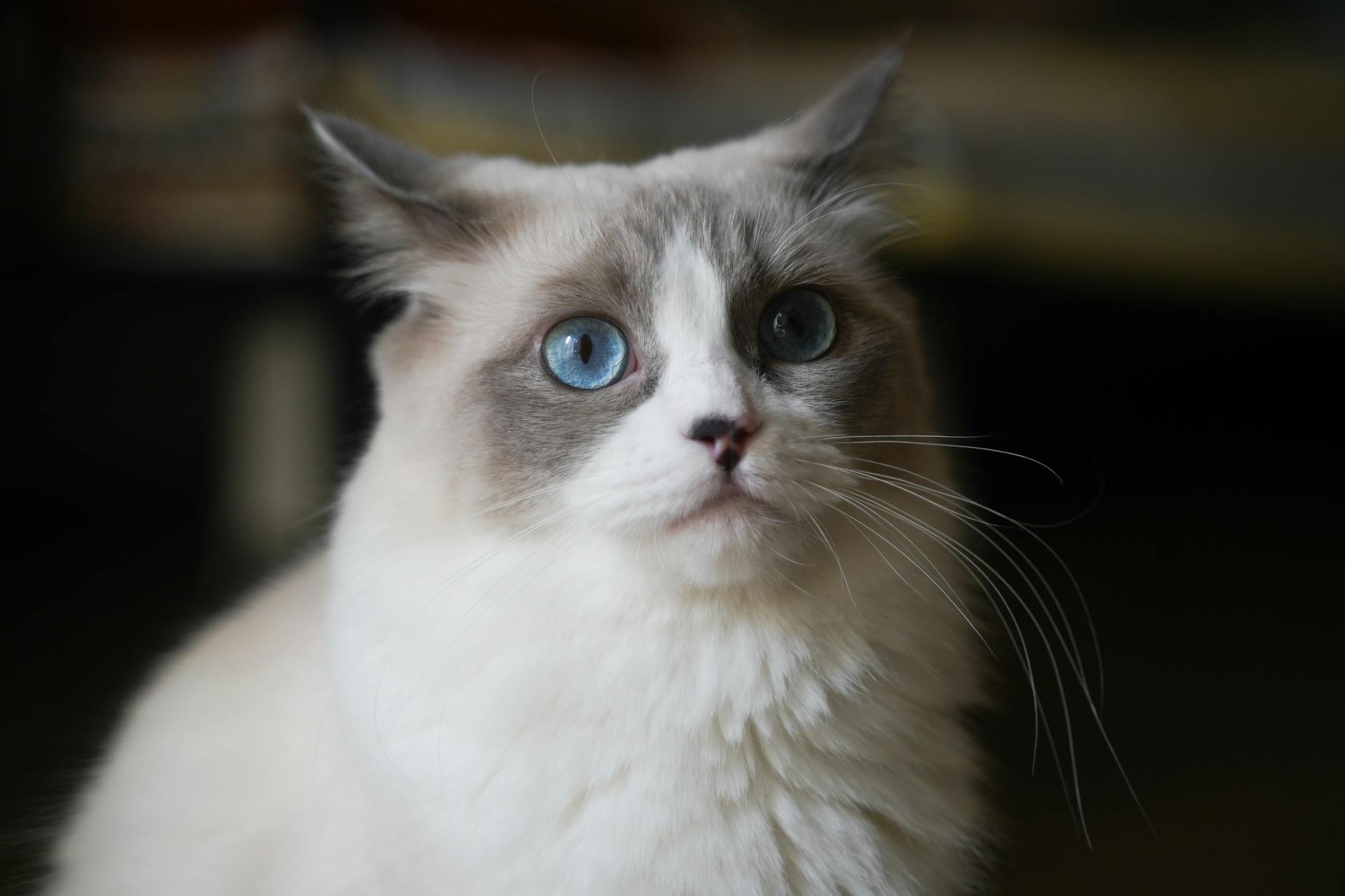
The Khao Manee is the most expensive blue-eyed cat breed in the world, with prices ranging from $7,000 to $11,000 for standard specimens, and reaching up to $12,000 depending on pedigree and breeder reputation. Known as “Diamond Eye” cats due to their stunning pure white coats paired with striking blue or gold eyes, Khao Manees command premium prices that far exceed other blue-eyed breeds like Ragdolls ($850 to $2,500) or Himalayans (around $1,300).
Their exceptional cost reflects both their rarity and the historical significance of this naturally occurring Thai breed, which was kept secret in Thailand for centuries before being recognized internationally. What makes the Khao Manee particularly valuable is not just the eye color itself, but the specific genetic combination and historical protection status that limits their availability globally. Even among cat enthusiasts prepared to invest thousands of dollars in a premium breed, finding a Khao Manee outside of Thailand requires patience, extensive breeder vetting, and often a waitlist of several months.
Table of Contents
- Why Does the Khao Manee Command Such High Prices?
- The “Diamond Eye” Characteristics and What They Mean
- Comparing Khao Manees to Other Blue-Eyed Breeds
- Health Considerations and Long-Term Costs Beyond Purchase Price
- The Ethical Considerations of Breeding for Price
- Finding a Legitimate Khao Manee Breeder
- The Future of Khao Manee Availability and Pricing
- Conclusion
Why Does the Khao Manee Command Such High Prices?
The Khao Manee’s astronomical cost stems from multiple factors, beginning with its extreme rarity outside of Thailand. This breed is naturally occurring from Thailand, where it was protected by the Thai government as a national treasure and kept largely secret from the international cat market for centuries. Thailand only began allowing exports relatively recently, which means the genetic pool available to Western breeders remains severely limited compared to more established breeds. This scarcity principle—combined with high demand from affluent cat lovers worldwide—drives prices to levels that seem difficult to justify compared to other pedigreed cats.
Beyond rarity, the breed’s distinctive appearance commands premium pricing. The combination of a pure white coat with striking blue or gold eyes is exceptionally rare in the cat world, and breeders must carefully select for these traits over multiple generations. The most coveted variant—odd-eyed Khao Manees with one blue eye and one gold or green eye—can cost up to $11,000 because heterochromia in this breed is particularly uncommon and genetically challenging to produce consistently. A practical limitation to consider: even with premium pricing, you may wait 6-12 months to obtain a Khao Manee from a reputable breeder, and the cost often doesn’t include travel expenses if sourcing from Thailand directly.
The “Diamond Eye” Characteristics and What They Mean
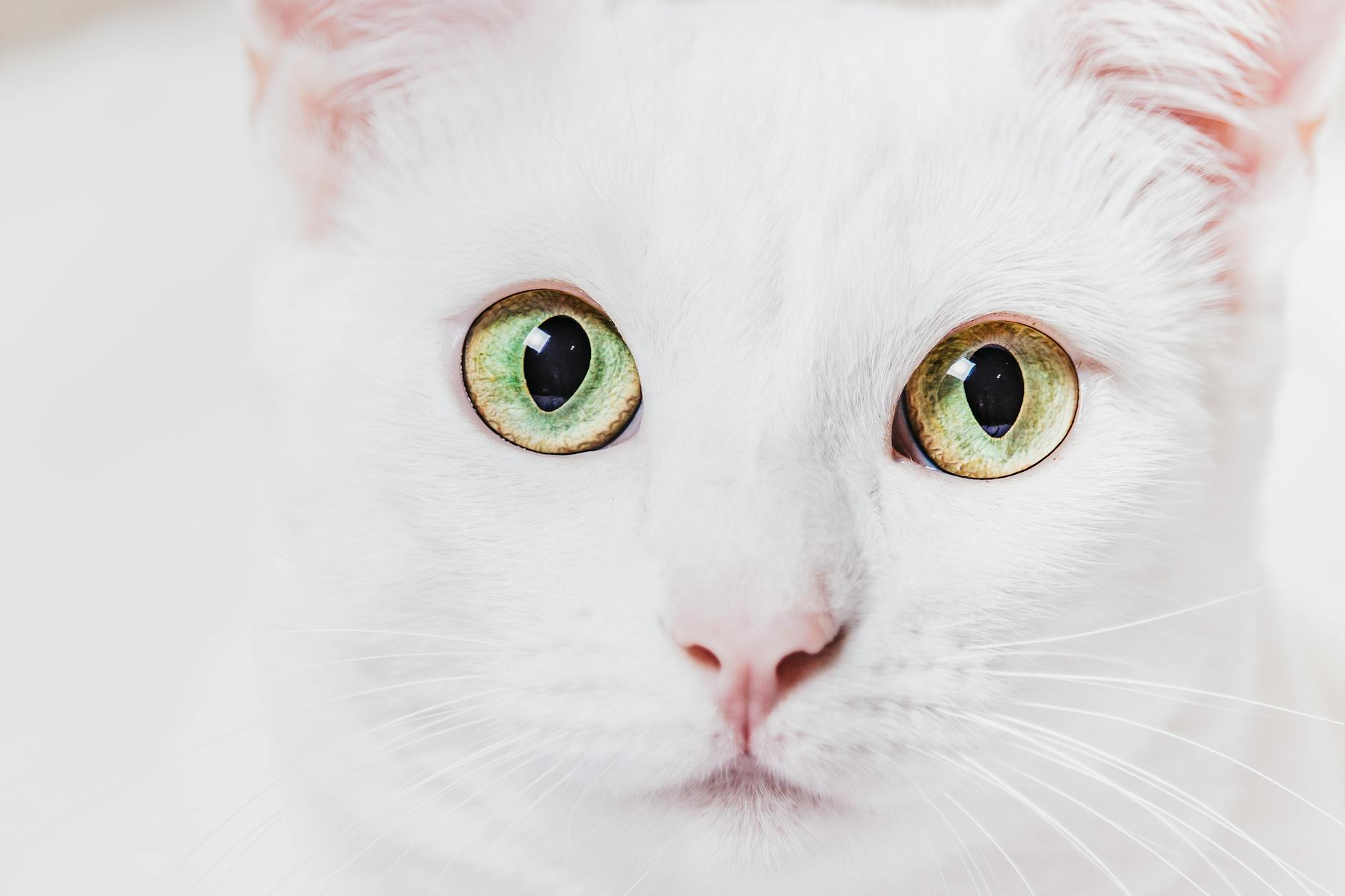
khao manees earned their nickname “Diamond Eye” cats because of their remarkable eye clarity and brilliance paired with their pristine white fur. This isn’t purely aesthetic—breeders have worked for generations to enhance these characteristics, and the breeding standards require strict adherence to coat color and eye clarity specifications. A true Khao Manee should have a pure white coat with no markings, and eyes that appear almost luminescent with their clarity and depth of color. The breeding requirements for achieving consistent eye color and coat quality contribute significantly to their cost.
Reputable Khao Manee breeders invest heavily in genetic testing, health screening, and maintaining bloodlines that preserve the breed’s distinctive appearance while avoiding hereditary health issues. This level of selective breeding and documentation adds substantial costs to each litter, which breeders pass along to buyers. One important warning: the scarcity of Khao Manees has unfortunately attracted unscrupulous breeders and scam operations, particularly online. Prospective buyers should only work with verified breeders who can provide extensive pedigree documentation, health certifications, and verifiable references from previous buyers. A significantly lower price than the $7,000-$11,000 range should raise immediate red flags about the breeder’s legitimacy or the cat’s actual breed authenticity.
Comparing Khao Manees to Other Blue-Eyed Breeds
When considering a high-investment blue-eyed cat purchase, understanding how Khao Manees compare to alternatives helps inform your decision. Ragdolls, while also expensive, typically cost $850 to $2,500 and offer similar striking blue eyes, though their body structure and personality differ significantly from Khao Manees. Ragdolls are larger, more social cats with color-point patterns, whereas Khao Manees are smaller and maintain their pure white appearance throughout life. Himalayans represent another comparison point at roughly $1,300, and they too feature blue eyes in their standard form.
However, Himalayans are a hybrid breed combining Persian and Siamese traits, resulting in different temperament and grooming requirements than Khao Manees. The dramatic price difference—sometimes $9,000 more for a Khao Manee—reflects the scarcity factor rather than superior health or longevity, since all three breeds have comparable lifespans of 12-17 years. A practical consideration: if your primary goal is owning a blue-eyed cat rather than specifically owning the world’s most expensive breed, a Ragdoll or Himalayan might provide 95% of the aesthetic appeal at a fraction of the cost. Reserve Khao Manee investment for those specifically drawn to the breed’s Thai heritage, distinctive appearance, or collector status.
Health Considerations and Long-Term Costs Beyond Purchase Price
While purchasing a Khao Manee represents a significant initial investment, prospective owners should understand that total ownership costs extend far beyond the purchase price. Khao Manees require specialized veterinary care, and finding a veterinarian experienced with this rare breed in areas outside major metropolitan centers can be challenging and expensive. Routine care—annual examinations, vaccinations, and preventive treatments—may cost 20-30% more than typical cat care due to the breed’s rarity and the specialized knowledge required. Genetic health screening becomes particularly important with Khao Manees due to the limited breeding pool. Reputable breeders screen for conditions like polycystic kidney disease and progressive retinal atrophy, but ongoing monitoring throughout your cat’s life is essential.
Some Khao Manees from certain breeding lines have shown increased sensitivity to certain ear and eye conditions, requiring additional preventive care. Budget for comprehensive health screening, high-quality specialized food if dietary sensitivities emerge, and potential genetic health issues that may require expensive treatment. Insurance presents another cost factor often overlooked by new Khao Manee owners. The breed’s high acquisition cost makes pet health insurance particularly valuable, though premiums for rare breeds typically exceed those for common breeds. A basic wellness plan might cost $30-50 monthly, but comprehensive coverage with genetic condition coverage could reach $100+ monthly for a Khao Manee.
The Ethical Considerations of Breeding for Price
The extremely high price of Khao Manees raises legitimate ethical questions about breeding practices and whether the market dynamics incentivize problematic selection. When a single cat can command $12,000, there’s financial incentive for breeders to prioritize traits that increase marketability—particularly eye color intensity and coat whiteness—potentially at the expense of other health and behavioral traits. This has historically led to concerning breeding practices in other premium cat breeds. Additionally, the limited genetic pool of available Khao Manees outside Thailand creates inbreeding risks if breeders aren’t extremely careful with pedigree selection.
Some rescue advocates argue that the premium breed market inflates demand for cats while thousands of blue-eyed domestic cats sit in shelters awaiting adoption. The counterargument from breed enthusiasts emphasizes that preserving rare breeds serves cultural and genetic diversity purposes, particularly for a breed as historically significant as the Thai Khao Manee. A critical limitation: transparency in breeding practices varies dramatically. Before purchasing, prospective owners should request complete health testing results for parents, review pedigree documentation independently, and verify that the breeder participates in breed registries like TICA or CFF that maintain ethical standards. Support for breeding practices that benefit the breed’s long-term health should take precedence over acquiring the most dramatically rare or expensive individual.
Finding a Legitimate Khao Manee Breeder
Locating a reputable Khao Manee breeder requires significantly more due diligence than purchasing a common breed. The most reliable sources are breed registries like The International Cat Association (TICA), which maintains a directory of registered Khao Manee breeders and enforces ethical standards. Breeders listed with TICA must meet specific health testing requirements, genetic screening protocols, and contractual standards for cat care. The Cat Fanciers’ Association (CFA) also maintains breed registries, though fewer Khao Manee breeders participate in CFA compared to other associations.
Legitimate Khao Manee breeders typically operate waiting lists of 6-12 months, conduct extensive interviews with prospective buyers to ensure appropriate homes, and provide lifetime support and guidance. They should provide comprehensive health documentation including genetic testing results, vaccination records, and a health guarantee. Be wary of breeders offering immediate availability, unwilling to discuss health screening, or requiring payment through untraceable methods. Reputable breeders will also encourage site visits to view breeding facilities before purchase, though some now offer virtual tours for international buyers.
The Future of Khao Manee Availability and Pricing
As more Khao Manees are bred outside of Thailand and the international breeding population grows, market dynamics may gradually shift pricing expectations over the coming years. If breeders successfully establish stable populations with diverse genetics in Western countries, supply could potentially increase, which would typically reduce prices. However, this assumes that breeding success scales proportionally—a significant assumption given the breed’s specific requirements and the limited genetic material available from Thailand.
The Khao Manee’s status as a symbol of Thai cultural heritage may also influence its long-term availability. Thailand continues to strictly regulate exports, meaning that genetic diversity will remain limited until Thai breeding programs choose to release more cats to international breeders. This artificial scarcity—whether maintained intentionally or through practical logistics—will likely keep Khao Manees among the world’s most expensive cat breeds for the foreseeable future. For buyers committed to this breed, viewing the purchase as a long-term investment in a rare genetic resource, rather than simply acquiring an exotic pet, provides appropriate perspective.
Conclusion
The Khao Manee represents the pinnacle of expensive blue-eyed cat breeds, with prices from $7,000 to $12,000 reflecting genuine scarcity rather than marketing hype. This Thai native breed’s limited availability outside its country of origin, combined with distinctive appearance and historical significance, creates market conditions that sustain premium pricing far exceeding other blue-eyed breeds like Ragdolls or Himalayans. Understanding that total ownership costs extend beyond purchase price—including specialized veterinary care, genetic health monitoring, and potential insurance expenses—helps prospective buyers make informed decisions.
If you’re seriously considering a Khao Manee purchase, invest time in finding a reputable, registry-verified breeder, expect a substantial waiting period, and be prepared for the complete financial and emotional commitment this rare breed represents. For those drawn primarily to blue-eyed cats without the specific requirement for a Khao Manee, exploring more affordable alternatives may deliver comparable aesthetic satisfaction. Ultimately, the decision should reflect your genuine connection to this particular breed’s heritage and characteristics, not simply the desire to own the world’s most expensive blue-eyed cat.