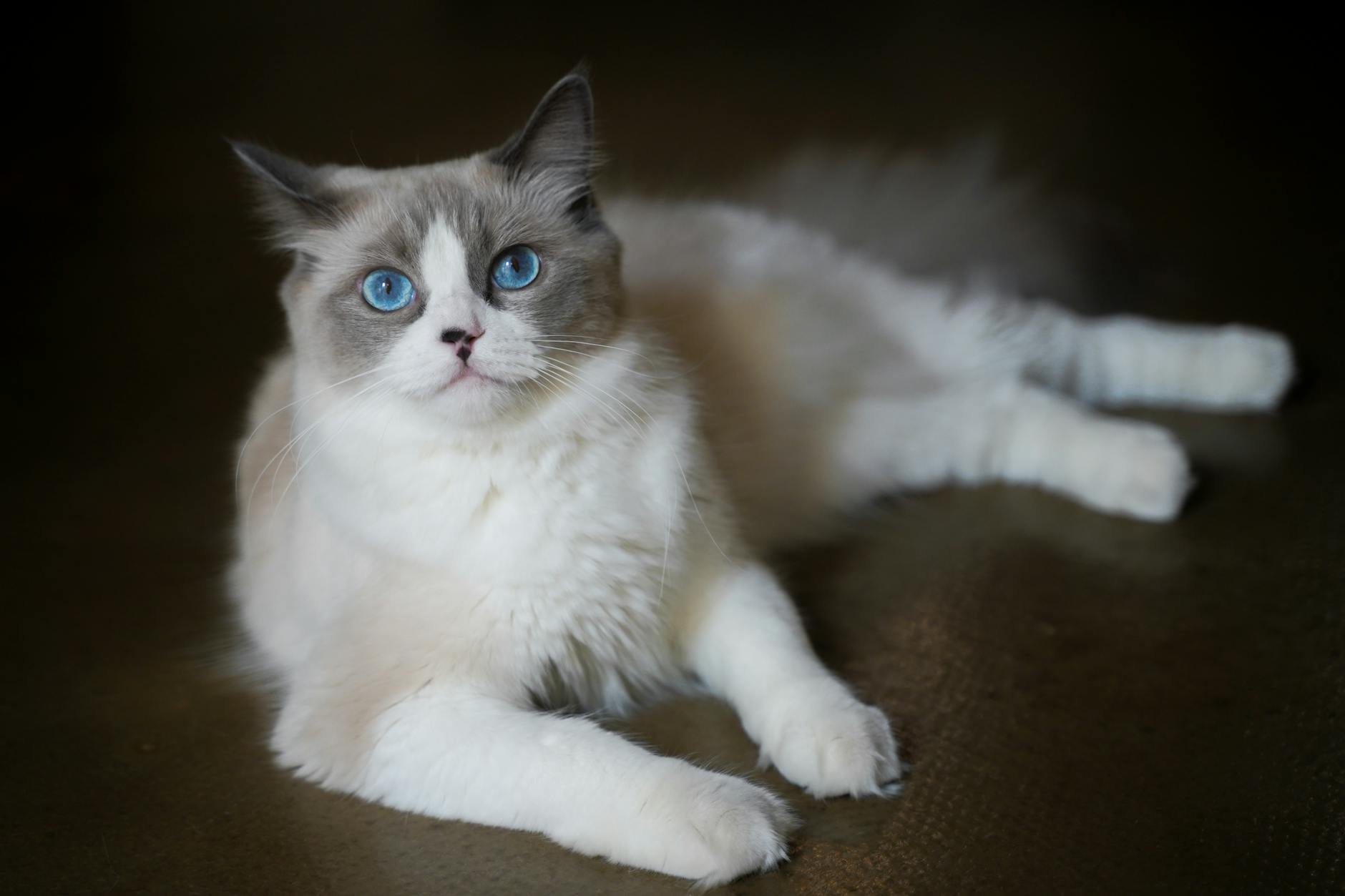
The blue-eyed cat breed you’re asking about is the Khao Manee, also known as the “Diamond Eye” cat—a pure white feline with striking large, almond-shaped eyes that can be vivid blue, emerald green, amber gold, or most prized of all, odd-eyed (one blue eye and one green or gold eye). This ancient Thai breed is one of the rarest and most expensive cats in the world, with breeding-quality specimens commanding prices up to $11,000. The name “Khao Manee” translates to “white gem” in Thai, perfectly capturing both the cat’s pristine white coat and its luminous, jewel-like eyes.
What sets the Khao Manee apart from other blue-eyed white cats is its documented ancient heritage and the specific eye characteristics prized by breeders and enthusiasts. Referenced in Thailand’s 14th-century Tamra Maew (a classical book of poetry about cats), the Khao Manee has been cherished by Thai royalty and aristocracy for centuries, considered sacred and a symbol of good fortune. Unlike many white cat breeds prone to deafness, the Khao Manee can carry this trait too, but responsible breeders test extensively to minimize genetic issues.
Table of Contents
- Where Did the Khao Manee Originate and Why Are They So Rare?
- What Do Khao Manees Look Like and What Makes Their Eyes So Special?
- What Is the Temperament and Personality of a Khao Manee?
- How Do You Care for a Khao Manee and What Are the Practical Considerations?
- What Health Concerns Should Khao Manee Owners Be Aware Of?
- What Is the Cultural and Historical Significance of the Khao Manee?
- How Do You Find a Responsible Khao Manee Breeder and What Should You Expect?
- Conclusion
Where Did the Khao Manee Originate and Why Are They So Rare?
The Khao Manee’s origins trace back centuries in Thailand, where the breed developed naturally among the Thai population rather than through deliberate Western breeding programs. This ancient lineage distinguishes it from many modern cat breeds created in Europe or North America over the past 100-150 years. The breed remained relatively unknown outside Thailand until the 1990s and early 2000s, when Western cat associations began recognizing and promoting it. Today, only a handful of breeders worldwide specialize in Khao Manees, making it one of the scarcest breeds globally—far rarer than Bengals, Sphynx cats, or even some Maine Coons.
The rarity stems from both limited breeding populations and the breed’s specific requirements. Breeders must maintain the pure white coat while also preserving the prized blue eye color or the highly coveted odd-eyed pattern. Unlike some rare breeds that can be developed relatively quickly through selective breeding, the Khao Manee’s ancient genetics and strict appearance standards mean responsible breeders focus on quality over quantity. This scarcity directly impacts price—a pet-quality Khao Manee may cost $1,500 to $3,000, while breeding cats command $5,000 to $11,000 or more.
What Do Khao Manees Look Like and What Makes Their Eyes So Special?
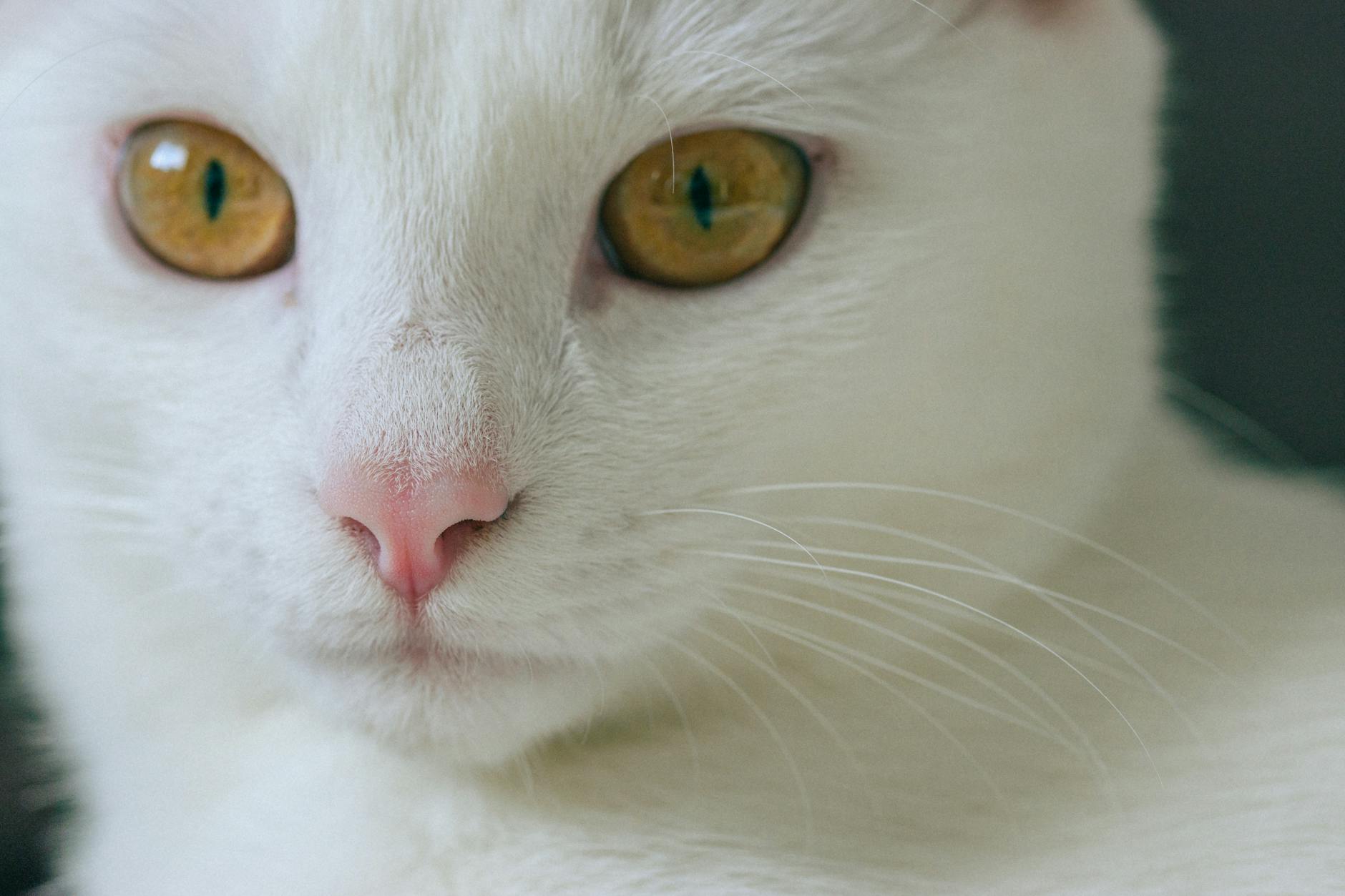
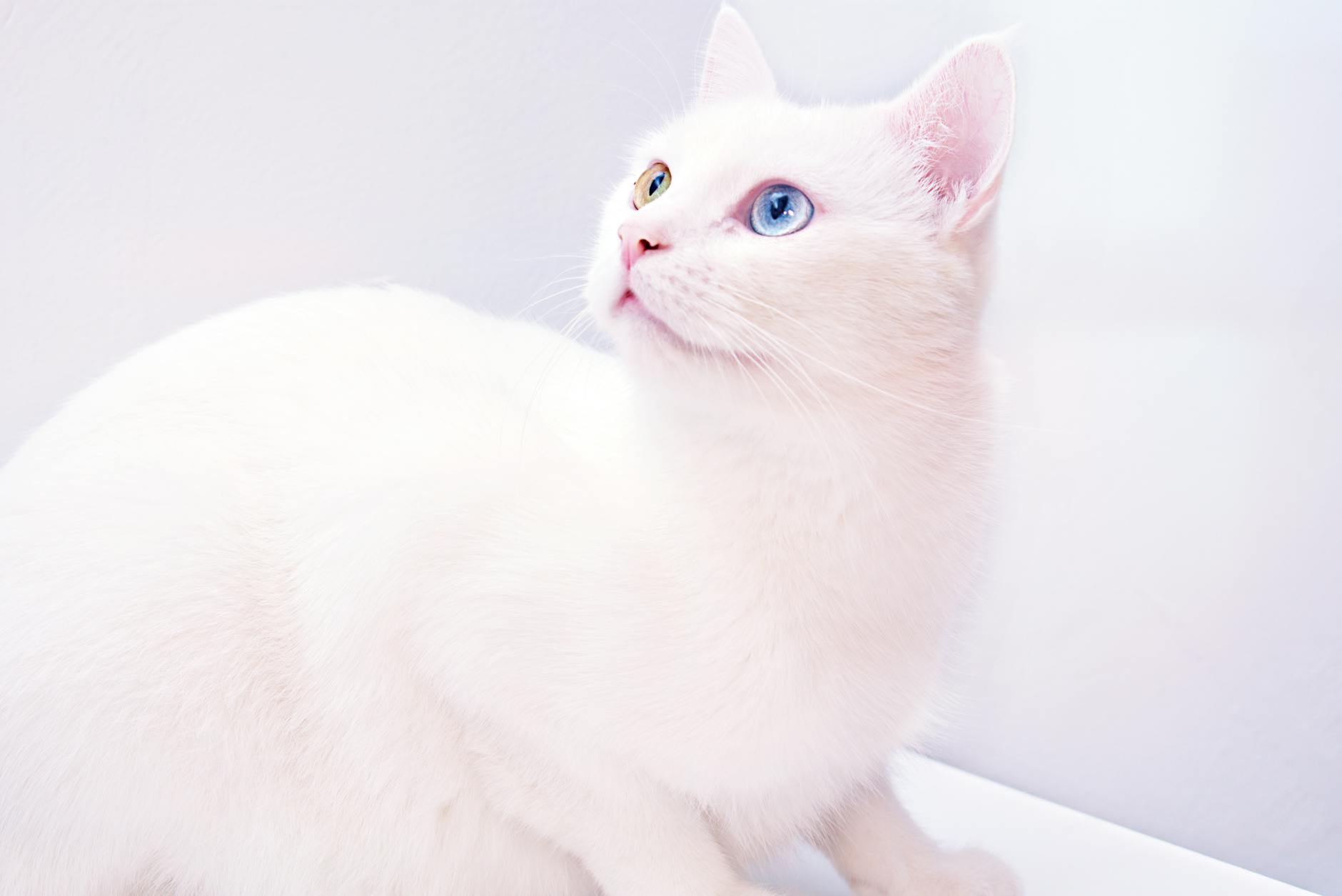
The Khao Manee presents an elegant, athletic appearance with a muscular but lithe body, long graceful legs, and a moderately proportioned head. The breed typically weighs 8 to 10 pounds and has a short, glossy white coat that requires regular grooming to maintain its lustrous appearance—though less intensive grooming than long-haired breeds. Their defining feature is undoubtedly their large, almond-shaped eyes set slightly wider apart than typical cats, giving them an alert and intelligent expression. The eyes can be various colors: blue (sapphire or ice-blue), green, gold, or copper, but the odd-eyed variation—where one eye is blue and the other is green, gold, or copper—is the most sought-after and genetically complex.
A critical limitation prospective owners must understand: the genes that produce white coats and blue eyes in cats are linked to a condition called congenital deafness. Many blue-eyed white cats are born deaf in one or both ears, and some Khao Manees inherit this trait. Reputable Khao Manee breeders conduct BAER testing (Brainstem Auditory Evoked Response) before selling kittens to identify deafness early. A cat deaf in one ear can live a normal life, but a completely deaf cat requires specialized care in a safe environment without outdoor access. When considering a Khao Manee, always request documentation of hearing tests and verify that the breeder conducts this screening.
What Is the Temperament and Personality of a Khao Manee?
The Khao Manee is renowned for being exceptionally social, affectionate, and people-oriented—more dog-like than many cat breeds in their attachment to their owners. These cats actively seek human interaction and can become emotionally dependent on their family members. Unlike aloof or independent breeds like the Russian Blue or Scottish Fold, Khao Manees may follow you from room to room, sit on your lap during work, and demand attention and playtime. They are highly intelligent and respond well to training, with many owners successfully teaching them to walk on harnesses, play fetch, or come when called.
This intense need for companionship comes with a tradeoff: Khao Manees are not ideal for people who work long hours away from home or travel frequently. Without adequate stimulation and social contact, they can develop separation anxiety, destructive behaviors, or depression. For example, a Khao Manee left alone eight hours daily while the owner works a standard office job may exhibit litter box avoidance, excessive meowing, or furniture destruction. Ideally, these cats thrive in households with flexible work arrangements, families with children, or homes where they receive consistent interactive play and mental enrichment.
How Do You Care for a Khao Manee and What Are the Practical Considerations?
Caring for a Khao Manee involves meeting both their physical and emotional needs more carefully than with some other breeds. Their short white coat requires brushing 2-3 times per week to prevent matting and maintain shine, and regular ear cleaning is essential since their large ears can accumulate wax. They need high-quality nutrition to support their lean, muscular physique and maintain coat health—premium, grain-free cat foods or breed-specific diets are recommended over budget grocery-store brands. Environmental enrichment is crucial: interactive toys, puzzle feeders, window perches for bird watching, and dedicated playtime with their owners help prevent behavioral problems.
The financial commitment extends beyond the initial purchase price. Veterinary care for a Khao Manee costs more than average because so few vets have experience with the breed’s specific health profiles and genetic testing needs. Annual wellness exams should include hearing assessments, eye health screening, and genetic testing if you plan breeding. Compared to adopting a common domestic cat from a shelter (which costs $50-$200), bringing home a Khao Manee represents a long-term investment in specialized care, quality nutrition, and veterinary support.
What Health Concerns Should Khao Manee Owners Be Aware Of?
Beyond congenital deafness, Khao Manees can inherit other health conditions linked to their white coat and breeding lineage. Some individuals develop polycystic kidney disease (PKD), a progressive condition that damages kidney function over time. Responsible breeders screen breeding cats for PKD using ultrasound before reproduction to minimize the incidence in offspring. Additionally, the genes for white coloring and blue eyes occasionally correlate with increased sun sensitivity in the skin and eyes, making prolonged outdoor exposure risky without protection or shade.
A Khao Manee sunbathing in a window for extended periods may develop solar dermatitis or solar keratosis on pink nose and ear tips. Another important consideration: breeding-quality Khao Manees face ethical concerns around line-breeding and genetic bottlenecks. Since the global population is so small, many reputable breeders work with limited genetic diversity to maintain breed standards, which can inadvertently concentrate recessive disease genes. When selecting a breeder, request genetic testing documentation for hereditary conditions, health guarantees, and evidence that they perform outcrosses to maintain genetic diversity. Always obtain a health contract from any breeder, clearly outlining what happens if genetic disease develops within a specified timeframe (usually 1-2 years).
What Is the Cultural and Historical Significance of the Khao Manee?
The Khao Manee holds profound cultural importance in Thailand, where it has been revered since at least the 14th century. The Tamra Maew (also spelled “Tam Ra Maeow”), a classical Thai manuscript describing various cat breeds and their qualities, specifically mentions white cats as auspicious and bringing good fortune to their households. Historically, Khao Manees were kept exclusively by Thai royalty, monks in temples, and wealthy aristocrats who believed the breed possessed spiritual significance and protective properties.
This sacred status meant that few Khao Manees ever left Thailand until the modern era. This historical exclusivity contributes to the breed’s mystique and value today. For Thai people and cat enthusiasts worldwide, owning a Khao Manee represents a connection to centuries of tradition and feline heritage. The breed’s rarity and cultural cachet mean that even non-breeding pet Khao Manees function as conversation pieces and status symbols in some circles—though serious breed advocates emphasize that the breed’s true appeal lies in its personality and beauty, not prestige.
How Do You Find a Responsible Khao Manee Breeder and What Should You Expect?
Finding a legitimate Khao Manee breeder requires patience and thorough vetting since so few exist worldwide. Reputable breeders are typically members of The Cat Fanciers’ Association (CFA) or similar international breed organizations, maintain waiting lists of prospective buyers, and may require months of communication before a kitten is available. They openly discuss genetic testing, health guarantees, and breeding practices.
Red flags include breeders offering kittens immediately, refusing to answer health questions, or claiming their lines have no genetic issues whatsoever (impossible in any breed). The future of the Khao Manee as a breed depends on responsible breeding practices that prioritize genetic health over maximizing numbers. As awareness of the breed grows, more breeders will likely emerge, hopefully increasing availability while maintaining ethical standards. For serious feline enthusiasts committed to proper breed representation, the Khao Manee offers a rare opportunity to own a piece of living feline history—one that demands respect for its heritage and dedicated, informed ownership.
Conclusion
The Khao Manee is the blue-eyed (or odd-eyed) white cat breed with ancient Thai origins, prized for its striking appearance, distinctive personality, and cultural significance. These rare gems are not impulse purchases or casual pets—they require experienced, committed owners who understand their high need for social interaction, specialized health screening, and significant financial investment.
The breed’s rarity, historical prestige, and exceptional temperament make them deeply rewarding for the right household, but potential owners must prioritize health screening, breeder reputation, and realistic expectations about the care these cats demand. Before pursuing a Khao Manee, thoroughly research breeders, learn about the deafness risk and other genetic health concerns, and honestly assess whether your lifestyle can accommodate a highly social, attention-demanding feline companion. If you’re ready for that commitment, connecting with a responsible breeder is your next step—a process that typically involves waiting lists, detailed questionnaires, and ongoing breeder support throughout your cat’s life.