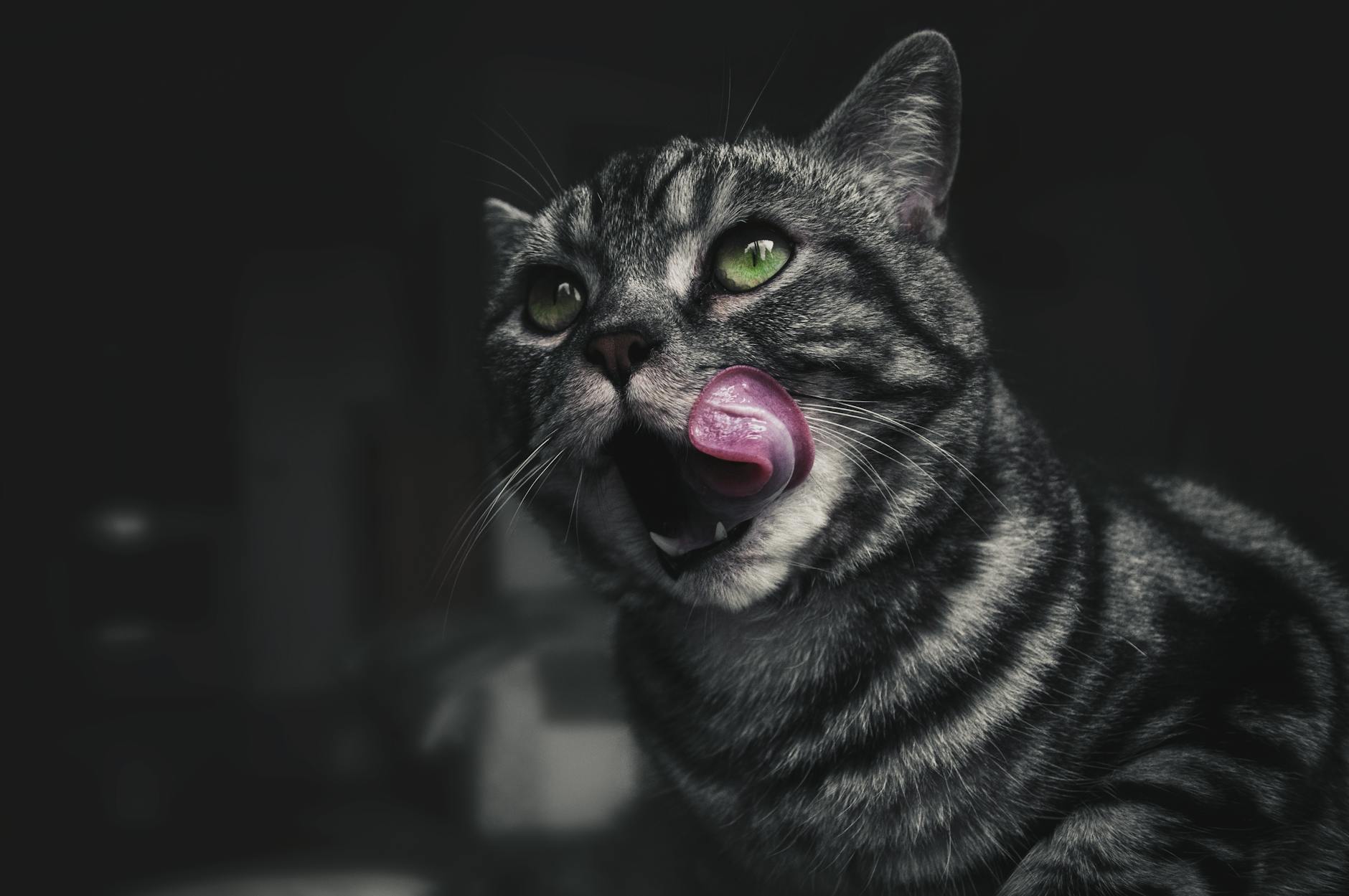
No, it is not safe for cats to lick plates with cheese sauce. While a small taste of plain cheese might not cause immediate harm to most cats, cheese sauce typically contains ingredients that are problematic for feline health, primarily lactose and high levels of fat and sodium. When your cat licks a plate left on the counter after a pasta dinner or takes an interest in your cheesy appetizer, they’re potentially exposing themselves to digestive upset, nutritional imbalances, and other health complications that can develop either immediately or over time. Cats lack sufficient lactase—the enzyme needed to digest lactose—and most become lactose intolerant after weaning.
A plate with cheese sauce represents a concentrated source of lactose along with added fats, seasonings, and sometimes garlic or onion powder, all of which cats should avoid. The combination is far more risky than a lick of plain cheese would be, and the sauce format increases the likelihood of your cat consuming a problematic quantity. If your cat has already licked a cheese sauce plate, there’s usually no need for emergency intervention unless they consumed a very large amount or the sauce contained toxic ingredients like garlic. However, understanding why cheese sauce poses risks and how to prevent future incidents is essential for responsible cat ownership.
Table of Contents
- Why Cheese Sauce Is Particularly Problematic for Cats
- Digestive and Metabolic Consequences
- Recognizing Symptoms and Monitoring Your Cat
- What to Do If Your Cat Has Consumed Cheese Sauce
- The Risk of Chronic Exposure and Obesity
- Safe Alternatives and Feline-Appropriate Options
- Building Better Habits and Long-Term Prevention
- Conclusion
Why Cheese Sauce Is Particularly Problematic for Cats
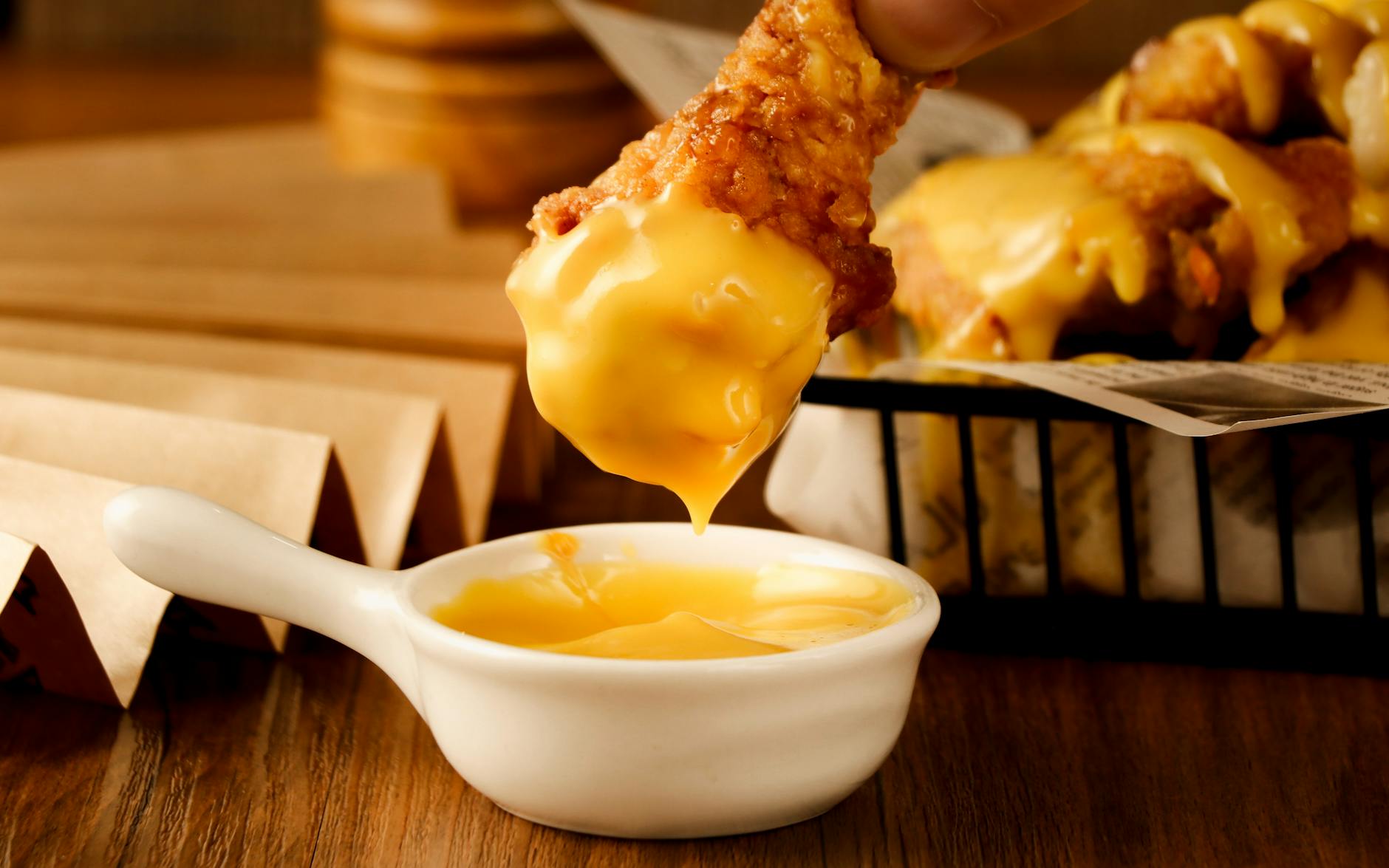
Cheese sauce differs significantly from a piece of solid cheese because it’s designed to be a pourable or spreadable dairy product with added ingredients that increase both palatability and potential harm. Most cheese sauces combine melted cheese with milk, cream, butter, and sometimes flour or cornstarch as thickeners. This concentration of dairy multiplies the lactose content compared to a single slice of cheese, making it more likely to trigger digestive issues in lactose-intolerant cats. Beyond lactose, cheese sauce often contains salt at levels that exceed feline dietary requirements. A cat’s kidneys are adapted to concentrate urine and conserve water, meaning they’re sensitive to dietary sodium.
Regular consumption of high-salt foods like cheese sauce can contribute to hypertension and strain on the kidneys, issues that are already common in aging cats. Additionally, the fat content in cheese sauce is significant—sometimes 8-15% by weight—which can overwhelm a cat’s digestive system and contribute to pancreatitis in susceptible individuals. The preparation method also matters. Restaurant or homemade cheese sauces may include white wine, Worcestershire sauce, or spices like cayenne pepper, all of which are inappropriate for cats. Even store-bought versions sometimes contain preservatives or flavor enhancers that aren’t formulated with feline nutrition in mind.
Digestive and Metabolic Consequences
When a cat consumes cheese sauce, the most common consequence is gastrointestinal upset. Lactose intolerance manifests as diarrhea, vomiting, bloating, or abdominal discomfort within 8-12 hours of consumption. A cat that licked a small amount of cheese sauce might experience mild, self-limiting diarrhea that resolves within a day or two. However, a cat that consumed several ounces—which is possible if a large plate was left accessible—could develop more severe symptoms requiring veterinary attention. The limitation here is that lactose intolerance severity varies dramatically between individual cats.
Some cats have more residual lactase and tolerate small amounts of dairy better than others, while some cannot tolerate any lactose whatsoever. You won’t know exactly how your cat will respond until they’re exposed, which is why prevention is far more practical than managing the aftermath. Additionally, repeated exposure to high-fat foods like cheese sauce can trigger feline pancreatitis, a serious inflammation of the pancreas that develops gradually and may not show obvious symptoms until it’s advanced. Some cats also experience behavioral or appetite changes after consuming rich foods like cheese sauce. They might vomit, become lethargic, or refuse their regular food for several hours. This is their digestive system essentially signaling that the food was inappropriate, and it serves as a natural consequence that may prevent future interest in similar foods.
Recognizing Symptoms and Monitoring Your Cat
If your cat has licked cheese sauce, watch for signs of digestive distress over the next 24-48 hours. Symptoms include loose or watery stools, vomiting, excessive drooling, abdominal pain (evidenced by a hunched posture or reluctance to move), decreased appetite, or lethargy. A cat with a sensitive stomach might show symptoms within hours, while others might take a full day to develop issues. Monitor your cat’s litter box habits closely if you suspect they consumed cheese sauce. A healthy stool should be firm and well-formed.
If you notice diarrhea that lasts more than 24 hours, or if it’s accompanied by vomiting, contact your veterinarian. Dehydration is a particular concern in cats, as they have a naturally low thirst drive and rely heavily on moisture from food. Diarrhea and vomiting can quickly lead to dehydration in vulnerable cats, especially kittens, elderly cats, or those with existing health conditions. The comparison worth making is that while a single lick of cheese sauce probably won’t cause lasting harm to a healthy adult cat, repeated exposure or larger quantities absolutely can contribute to chronic digestive issues and weight gain. One incident is usually manageable; a pattern of eating human food is not.
What to Do If Your Cat Has Consumed Cheese Sauce
Your first action should be to determine how much cheese sauce your cat actually consumed. If it was genuinely just a lick from a plate, monitor at home for signs of digestive upset. Provide fresh water and their regular food at normal times. Most cats will resolve mild cheese sauce-induced digestive issues without intervention within 24-48 hours.
If your cat consumed a larger quantity—more than a tablespoon or two—or if the cheese sauce contained ingredients like garlic, onions, or alcohol, contact your veterinarian immediately. These ingredients are toxic to cats in concentrated forms, and a veterinarian can advise whether monitoring is sufficient or if treatment is necessary. Avoid giving your cat any special foods or remedies; plain food and water are your best approach to allowing their digestive system to recover. The practical tradeoff is between acting quickly if you suspect something more serious versus avoiding unnecessary veterinary visits for minor incidents. Most veterinarians would rather you call with a question than have your cat suffer, so when in doubt, a quick phone call to your vet can provide clarity on whether a visit is needed.
The Risk of Chronic Exposure and Obesity
While a single incident with cheese sauce is usually not catastrophic, the real danger lies in patterns of behavior. If your cat regularly has access to human food plates, especially rich foods like cheese sauce, they face cumulative health risks. Chronic consumption of high-fat, high-calorie foods is one of the leading causes of feline obesity, which in turn predisposes cats to diabetes, joint problems, and reduced lifespan. A limitation of cat nutrition is that cats are obligate carnivores and have minimal ability to synthesize certain nutrients from non-meat sources. They don’t have a nutritional need for dairy at any life stage, including kittenhood.
Unlike humans, cats don’t benefit from calcium or other nutrients in cheese sauce because they obtain these elements more efficiently from a balanced commercial or homemade feline diet. Any calories from cheese sauce are essentially wasted calories that contribute to weight gain without providing nutritional benefit. Another warning worth emphasizing is that some cats develop a taste preference for human foods once they’ve sampled them. A cat that successfully obtained cheese sauce once is more likely to beg for similar foods in the future, and they may become more aggressive or persistent in their attempts to access human food plates. This behavioral issue can be harder to manage than the initial health risk.
Safe Alternatives and Feline-Appropriate Options
If you want to offer your cat a cheese-based treat occasionally, plain, unsalted cheese in very small amounts (roughly the size of a pea) is far safer than cheese sauce. Some cats tolerate aged cheeses better because the aging process reduces lactose content. Examples include small pieces of cheddar or Parmesan, though even these should be occasional treats, not regular offerings.
Better alternatives exist that are specifically formulated for cats. Many pet supply companies make cheese-flavored treats designed for feline digestion, with reduced lactose and appropriate nutrient ratios. You could also offer your cat small pieces of cooked chicken, turkey, or fish as occasional treats—foods that align with their carnivorous nature and provide actual nutritional value without digestive risk.
Building Better Habits and Long-Term Prevention
The most reliable way to prevent cheese sauce incidents is to establish clear boundaries around human food and cat access in your home. Don’t leave plates unattended on counters or tables where cats can reach them, even if you trust your cat’s discipline. Cats are opportunistic eaters, and a plate of pasta with cheese sauce left on the counter is an invitation they’re likely to accept.
Looking forward, understanding your cat’s individual health status and vulnerabilities will guide your food choices. If your cat has a history of pancreatitis, diabetes, or sensitive digestion, they need even stricter boundaries around human food. A conversation with your veterinarian about your cat’s specific dietary needs and any treats you’d like to offer can help you make informed choices that support their long-term health.
Conclusion
Cheese sauce is not a safe food for cats due to its high lactose, fat, and sodium content. While a single lick from a plate is unlikely to cause serious harm to a healthy adult cat, the risks increase significantly with larger quantities or repeated exposure. Understanding why cheese sauce poses problems—and recognizing that cats have no nutritional need for dairy—is the foundation for preventing incidents and keeping your cat healthy.
If your cat has consumed cheese sauce, monitor them for digestive upset and contact your veterinarian if symptoms develop or if the sauce contained toxic ingredients. The more important step is prevention: keep human food plates away from curious cats, establish clear boundaries around food sharing, and offer only cat-appropriate treats when you want to give your pet something special. These simple habits will protect your cat’s digestive system and help maintain a healthy weight throughout their life.