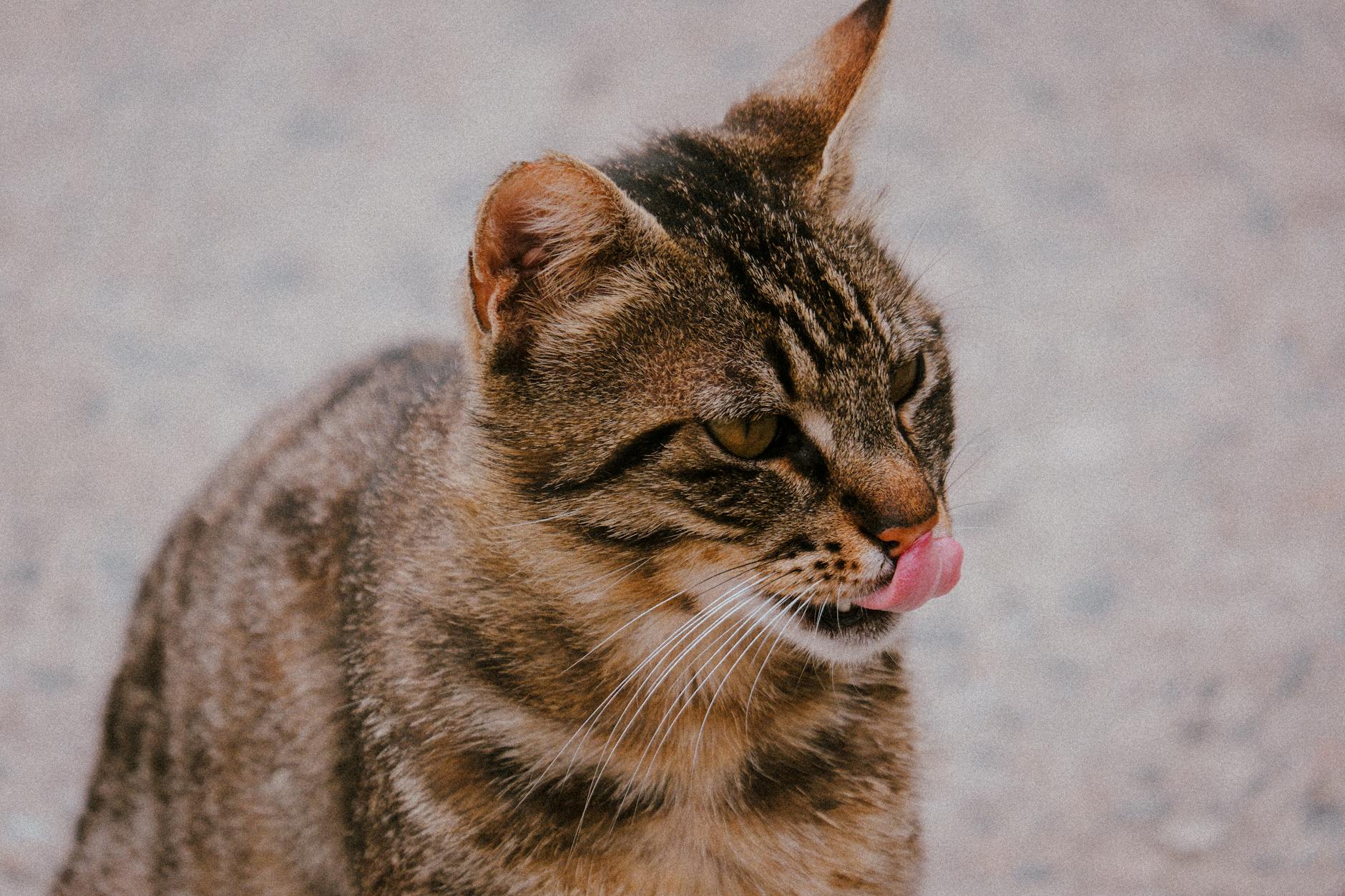
No, it is not safe for cats to lick plates with soy sauce. Even small amounts of soy sauce can pose health risks to your cat because it contains very high levels of sodium, which cats are extremely sensitive to. If your cat has licked a plate with soy sauce residue, the risk depends on the amount consumed—a single lick of a nearly-empty plate is unlikely to cause immediate harm, but repeated exposure or larger quantities can lead to serious complications including hypernatremia, a condition caused by excessive salt in the bloodstream.
The real danger with soy sauce lies in its salt concentration. A single tablespoon of soy sauce contains approximately 960 milligrams of sodium, while an average adult cat only needs between 200 to 400 milligrams of sodium per day. To put this in perspective, if your cat licked a plate that had just been used to serve soy sauce-based Asian cuisine, they could potentially consume weeks’ worth of their daily sodium requirement in a single incident.
Table of Contents
- Why Soy Sauce Is Dangerous for Cats
- Symptoms of Salt Toxicity in Cats
- How Much Exposure Is Actually Dangerous?
- Prevention Strategies and Household Safety
- What to Do If Your Cat Ingests Soy Sauce
- Hidden Sources of Soy Sauce in Your Home
- Building Long-Term Kitchen Safety for Cat Owners
- Conclusion
- Frequently Asked Questions
Why Soy Sauce Is Dangerous for Cats
Soy sauce is fundamentally incompatible with feline metabolism because cats have evolved as obligate carnivores with very low tolerance for processed, high-sodium foods. Unlike humans who have evolved with access to salt-preserved foods, cats have no evolutionary history consuming salt at high concentrations. Their kidneys, while efficient at processing meat-based proteins, struggle when faced with excessive sodium loads.
The danger becomes more acute when you consider that many commercial soy sauces also contain additional ingredients problematic for cats. Garlic and onions, which are often present in soy sauce-based condiments or dishes, are toxic to cats and can damage their red blood cells. Some soy sauce brands also contain alcohol from fermentation, which is directly toxic to felines. A cat that licks a plate from pad thai or teriyaki chicken isn’t just getting soy sauce—they’re potentially getting a combination of dangerous ingredients.

Symptoms of Salt Toxicity in Cats
If your cat has ingested a concerning amount of soy sauce, you should watch for symptoms of hypernatremia that typically appear within 6 to 24 hours. Early signs include excessive thirst, lethargy, vomiting, and diarrhea. Your cat may seem unusually tired or uninterested in their normal activities, which can be easy to miss if you’re not specifically watching for it.
More severe symptoms develop as sodium levels rise in the bloodstream. These include tremors, seizures, disorientation, difficulty walking, and in extreme cases, coma or death. The limitation here is that mild salt toxicity can sometimes go unnoticed until significant damage has occurred, which is why prevention is far more important than trying to treat the problem after the fact. If you know or suspect your cat has consumed a significant amount of soy sauce, contact your veterinarian immediately rather than waiting to see if symptoms develop.
How Much Exposure Is Actually Dangerous?
The toxicity threshold for sodium in cats is approximately 4,000 to 6,000 milligrams per kilogram of body weight per day, though poisoning can begin at lower levels with chronic exposure. For a typical 10-pound (4.5 kg) cat, this means somewhere between 18,000 and 27,000 milligrams of sodium consumed at once would be acutely toxic—far more than a lick or two of a plate. However, cats don’t need this much exposure to experience problems; even moderate overconsumption can cause electrolyte imbalances that damage the kidneys over time.
Consider this specific example: your cat licks a plate that had a small serving of soy sauce-glazed salmon, consuming approximately 200 to 400 milligrams of sodium. While this is well below acute toxicity levels, it still represents roughly half to a full day’s worth of recommended sodium intake in a single incident. If this happens multiple times per week, your cat’s kidneys begin to work harder than their physiology is designed to handle. The variable here is your cat’s individual sensitivity; an older cat with existing kidney problems is at significantly higher risk than a young, healthy cat.
Prevention Strategies and Household Safety
The most effective approach to keeping your cat safe is preventing access to soy sauce-containing foods in the first place. This means keeping plates, bowls, and food preparation areas away from curious cats during meal preparation and eating. If you cook regularly with soy sauce, consider feeding your cat in a separate room where they won’t be tempted by aromas or scraps.
When comparing different kitchen safety strategies, physical barriers work better than relying on your cat’s judgment. A closed door to the dining room is more reliable than hoping your cat won’t investigate the counter where you’ve placed an Asian-inspired dish. If you have guests who bring soy sauce-based dishes, the tradeoff of seeming overprotective of your cat is worth the certainty that they won’t accidentally consume something dangerous. Establishing a household rule that soy sauce-containing foods must be eaten in a cat-free area is the most practical approach.
What to Do If Your Cat Ingests Soy Sauce
If you catch your cat in the act of licking a soy sauce-covered plate or suspect they’ve consumed soy sauce, do not panic, but do take action. First, measure out approximately how much soy sauce was available and whether the plate was fresh or nearly clean. A cat that licked the last remnants of soy sauce from a cleaned plate has consumed far less than one that licked a freshly soy sauce-covered plate. Contact your veterinarian or an animal poison control center with specific information about the amount consumed and your cat’s weight.
Be honest about what happened—veterinarians aren’t there to judge your parenting but to determine whether your cat needs treatment. The limitation of waiting and watching is that by the time symptoms appear, damage may already be done. Your vet may recommend induced vomiting if the ingestion was very recent, activated charcoal to prevent absorption, or IV fluids to flush excess sodium from your cat’s system. Do not give your cat salt-water or any other home remedy without veterinary guidance.
Hidden Sources of Soy Sauce in Your Home
Soy sauce isn’t just in the obvious bottle in your pantry. Many common household foods contain soy sauce as a hidden ingredient, which means accidental exposure can happen in unexpected ways. Worcestershire sauce, some packaged instant noodles, certain barbecue sauces, and even some canned pet foods contain soy-based products.
Some cat treats and food brands use soy as a binder or flavoring agent, though pure soy sauce is different from soy as an ingredient in manufactured cat food. This hidden presence means you should read ingredient labels on all foods you bring into your home, not just obvious condiments. If you switch your cat’s food brand, check whether the new formula contains soy-based products, as this represents chronic low-level sodium exposure rather than an acute accident.
Building Long-Term Kitchen Safety for Cat Owners
Creating a cat-safe kitchen isn’t about eliminating all Asian cuisine from your home—it’s about being intentional about how and where you prepare and consume foods that may be problematic for your feline family member. Over time, establishing these habits becomes automatic, and your cat learns the boundaries of where they’re allowed during meal times.
As cats age, their sensitivity to salt and other dietary stressors increases, making prevention even more important in senior cats. Building these safety habits early means you’re investing in your cat’s long-term kidney health and reducing the likelihood of diet-related illness as they enter their senior years.
Conclusion
Soy sauce represents a genuine health risk for cats due to its extreme sodium concentration, but one that is entirely preventable through reasonable household management. The good news is that a single accidental lick of a mostly-empty plate is unlikely to cause lasting damage, but repeated exposure or larger amounts can lead to serious complications including kidney disease and electrolyte imbalances. Understanding why your cat’s body reacts so differently to salt than yours do is the first step toward making informed decisions about food safety in your home.
If you regularly cook with soy sauce, take the extra precaution of eating those meals in a separate room or establishing clear boundaries about where your cat can go during meal times. Keep your veterinarian’s emergency contact information easily accessible, and don’t hesitate to call if your cat has a concerning exposure. Your cat depends on you to keep their environment safe, and managing household condiments is one of the easiest ways to do that.
Frequently Asked Questions
My cat licked a plate with just a tiny bit of soy sauce on it. Is she going to be okay?
In most cases, yes. A single lick of residual soy sauce from a nearly-clean plate is unlikely to cause serious harm, though it’s still not ideal. Monitor your cat for any unusual behavior over the next 24 hours, including excessive thirst, vomiting, or lethargy, but acute toxicity typically requires much larger amounts. Contact your vet if you notice any concerning symptoms.
What’s the difference between soy sauce and soy sauce-based marinades?
Marinades are often diluted with other ingredients and may be less concentrated in sodium than pure soy sauce straight from the bottle. However, they still pose a risk because even diluted soy sauce maintains dangerous sodium levels for cats. The safest approach is to treat any soy sauce-containing food as off-limits for your cat.
Can cats develop a taste for soy sauce and want more?
While cats can develop preferences for certain flavors, soy sauce is not something cats naturally seek out. If your cat is showing unusual interest in foods containing soy sauce, they may be attracted to the protein-rich meat that’s often paired with it (like chicken or fish) rather than the sauce itself. Still, keep these foods clearly separated from your cat’s reach.
Is low-sodium soy sauce safer for cats?
Low-sodium soy sauce contains approximately 800 to 900 milligrams of sodium per tablespoon, compared to the standard 960 milligrams. While this is slightly better, it’s still dangerous for cats and should be avoided just as carefully as regular soy sauce.
What should I do if my cat regularly eats food with soy sauce?
If your cat has had repeated exposures to soy sauce, schedule a veterinary appointment to discuss this history. Your vet may recommend blood work to check kidney function and sodium levels, especially if the exposure has occurred over weeks or months. They can also discuss dietary changes to help manage any damage that may have already occurred.
Are there any cat-safe alternatives to soy sauce for flavoring cat food at home?
No. Homemade cat food should never include soy sauce or salt-based seasonings. Cats get all the flavoring they need from fresh meat proteins. If you want to make homemade cat food, consult with a veterinary nutritionist to ensure the recipe meets all your cat’s dietary requirements without potentially harmful additions.