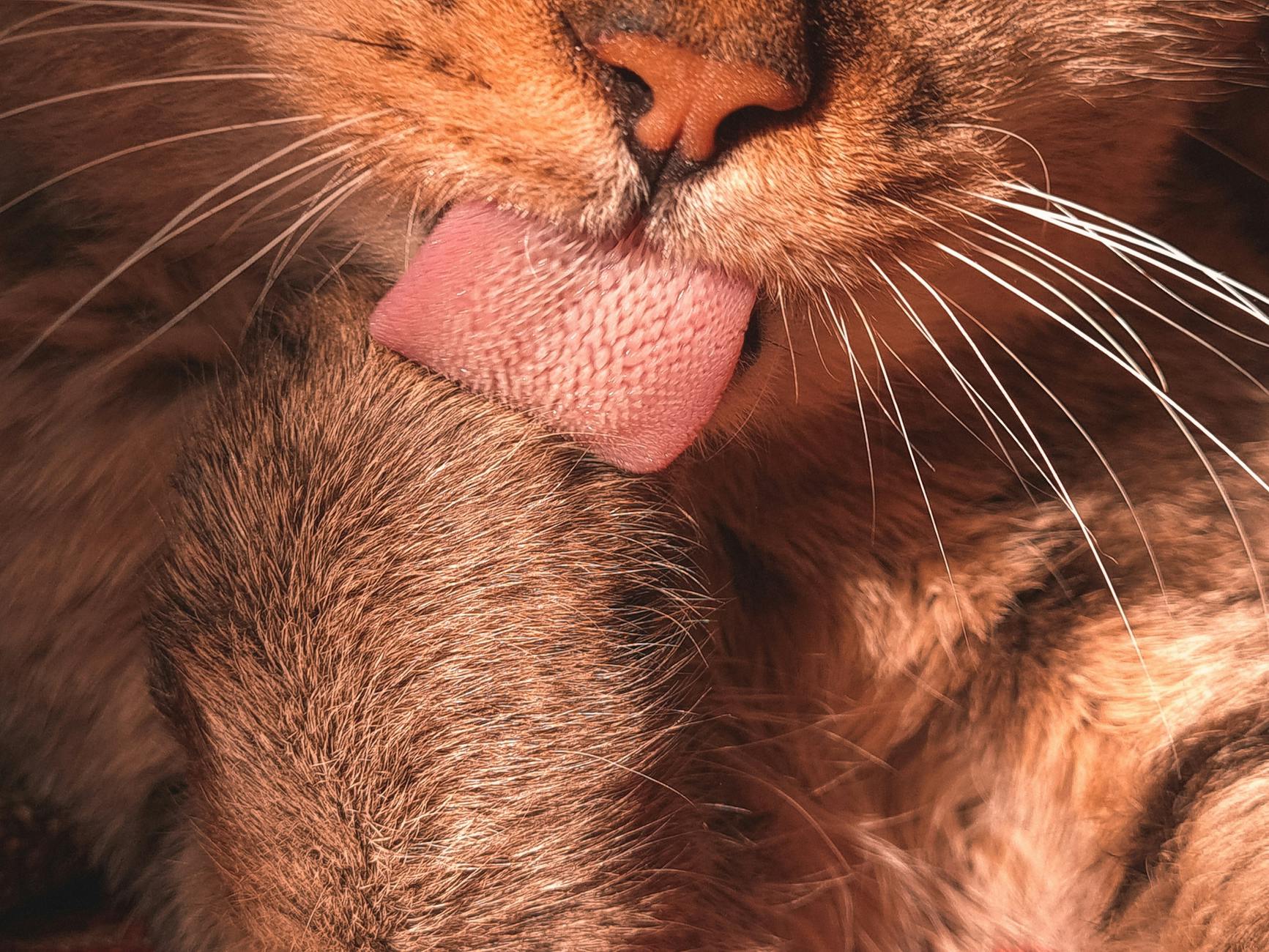
Yes, it is generally safe for cats to lick bowls with yogurt leftovers, but with important caveats. Plain, unsweetened yogurt in small amounts is not toxic to cats and can even provide some digestive benefits. However, most adult cats are lactose intolerant, meaning their digestive systems struggle to process the lactose in dairy products, including yogurt. If your cat steals a few licks from your breakfast bowl, there’s typically no need to panic—the risk comes with regular consumption or larger quantities.
Unlike kittens, who produce lactase (the enzyme that breaks down lactose), most adult cats lose this ability. When a cat named Whiskers laps up yogurt from her owner’s bowl, she may experience digestive upset within hours, ranging from mild gas to diarrhea. The severity depends on how much she consumed and her individual sensitivity level. This is why understanding the difference between occasional exposure and intentional feeding matters for your cat’s health.
Table of Contents
- Can Cats Safely Consume Yogurt from Bowls and Dishes?
- Understanding Lactose Intolerance in Adult Cats
- Different Types of Yogurt and Their Safety Profiles for Cats
- Practical Steps for Managing Yogurt Exposure in Your Home
- Potential Health Issues and Warning Signs
- The Potential Benefits of Plain Yogurt for Cats
- Making Informed Decisions About Dairy and Your Cat
- Conclusion
- Frequently Asked Questions
Can Cats Safely Consume Yogurt from Bowls and Dishes?
cats can technically consume small amounts of yogurt without immediate harm, but the safety depends on the type of yogurt and frequency of exposure. Plain, unsweetened yogurt contains less lactose than milk because the fermentation process breaks down much of the lactose naturally. This makes plain yogurt safer than a bowl of milk would be. However, “safer” doesn’t mean “ideal” for your cat’s digestive system. Many cats will experience bloating, gas, or loose stools within 12 to 24 hours of consuming even modest amounts.
The risk escalates with flavored yogurts, which often contain added sugars, artificial sweeteners, or fruit. Some yogurts contain xylitol, an artificial sweetener that is toxic to cats and can cause rapid insulin release, leading to hypoglycemia. A cat in your household could suffer serious consequences from a single bowl of xylitol-containing yogurt. Additionally, some cats have stronger lactose sensitivity than others—individual genetics and gut bacteria composition play a role. One cat might tolerate a small taste with no issues, while a littermate experiences significant gastrointestinal distress.
Understanding Lactose Intolerance in Adult Cats
Lactose intolerance in cats is a biological reality, not a myth or exaggeration. After weaning, most cats’ bodies reduce production of lactase, the enzyme responsible for breaking down lactose. This shift occurs because cats are obligate carnivores—their ancestors never relied on dairy as a long-term food source in nature. Unlike humans, who maintain some lactase production into adulthood, most cats lose this ability by adulthood. The lactose in yogurt remains undigested and passes into the intestines, where it draws water into the bowel and ferments, causing gas and diarrhea.
The limitation here is that lactose intolerance severity varies widely. Some cats tolerate small amounts of fermented dairy like yogurt better than fresh milk, while others react negatively to both. Testing how your individual cat responds requires careful observation. If you allow your cat to lick a yogurt bowl, monitor for diarrhea, vomiting, or digestive discomfort over the next 24 hours. Pre-existing digestive issues, food sensitivities, or inflammatory bowel disease make lactose intolerance symptoms worse. A cat with chronic digestive problems should never have access to yogurt bowls, as even small amounts could trigger a flare-up.
Different Types of Yogurt and Their Safety Profiles for Cats
Not all yogurts present the same risk level. Plain, unflavored yogurt made from milk is the safest option if your cat accidentally consumes some—it contains minimal added ingredients and less lactose than milk. However, Greek yogurt, which is strained to remove whey, contains even higher concentrations of remaining lactose per serving, making it a worse choice despite its high protein content. Flavored yogurts introduce sugars and additives that cats don’t need and can harm their health. Strawberry-flavored yogurt, for instance, might contain xylitol in sugar-free versions, which is extremely dangerous.
Coconut yogurt and other non-dairy yogurt alternatives are technically safer for lactose-intolerant cats because they contain no lactose at all. However, they often include added sugars, oils, or stabilizers that aren’t appropriate for feline diets. A cat that licks a bowl of coconut yogurt faces a different risk profile—not lactose upset, but potential stomach irritation from unfamiliar ingredients or excess fat. Probiotic yogurts marketed for digestive health contain live bacterial cultures that cats’ digestive systems weren’t designed to utilize in the same way humans use them. While these bacteria aren’t necessarily harmful, they provide no clear benefit to cats.

Practical Steps for Managing Yogurt Exposure in Your Home
The most straightforward approach is to prevent your cat from accessing yogurt bowls altogether. After finishing a yogurt cup, rinse it immediately rather than leaving it on the counter or sink where a curious cat can investigate. Many behavioral issues stem from accessible food sources—if your cat has never had the opportunity to develop a yogurt-licking habit, the problem is already solved. For households with persistent counter-surfers or bowl-lickers, establishing clear boundaries is essential. This prevents not only yogurt exposure but also other foods that may be toxic or inappropriate for cats.
If you do want to offer yogurt to your cat intentionally for digestive support, do so sparingly and only with plain, unsweetened varieties. A teaspoon or two mixed into her regular food once weekly is a world away from unsupervised bowl-licking. Some cat owners report that small amounts of plain yogurt seem to help their cat’s digestion, though scientific evidence is limited. The comparison is useful here: plain yogurt’s fermented nature makes it somewhat digestible for cats, whereas regular milk is harder to process. However, the benefit isn’t guaranteed and depends on your individual cat’s tolerance. If your cat shows any signs of digestive upset after yogurt, stop offering it immediately.
Potential Health Issues and Warning Signs
Diarrhea is the most common consequence of cats consuming yogurt, typically appearing within 12 to 24 hours. The diarrhea may be mild and self-limiting, resolving within a day or two, or it could persist and lead to dehydration. Watch for signs of dehydration: excessive thirst, dark urine, dry gums, or lethargy. A cat with chronic diarrhea from repeated yogurt exposure can develop anal gland problems or nutritional deficiencies over time. Kittens and elderly cats are more vulnerable to complications from digestive upset than healthy adult cats in their prime years.
Vomiting is another warning sign that shouldn’t be ignored, especially if it occurs shortly after your cat accesses a yogurt bowl. This could indicate that the yogurt caused severe gastric distress or that your cat consumed it too quickly. If your cat vomits after yogurt exposure, contact your veterinarian to rule out other causes. Allergic reactions, while rare, are possible if your cat has a pre-existing dairy allergy—you might observe itching, facial swelling, or hives. Sugar-based yogurts pose an additional risk: regular consumption contributes to obesity and dental problems in cats. If your cat repeatedly steals sweetened yogurt, this habit creates compounding health risks beyond simple lactose intolerance.
The Potential Benefits of Plain Yogurt for Cats
Some cat owners report that small amounts of plain yogurt seem to aid their cat’s digestion or help with constipation. The reasoning has merit: the live bacterial cultures in yogurt may provide a minor prebiotic effect or help balance gut flora. However, evidence specifically supporting yogurt for feline digestive health is limited compared to human studies. A cat named Max with chronic constipation might show modest improvement after her owner adds a tiny amount of plain yogurt to her food, but this outcome isn’t guaranteed and shouldn’t be expected without trial.
Veterinary-approved probiotics formulated specifically for cats are a safer, more reliable option if you want to support your cat’s gut health. Plain yogurt also contains protein and calcium, nutrients that cats need. However, cats receive these nutrients much more effectively from their primary diet of meat-based cat food, making yogurt an inefficient supplement. If your goal is to support bone health or muscle maintenance, maintaining a high-quality diet and appropriate exercise is far more important than occasional yogurt consumption.
Making Informed Decisions About Dairy and Your Cat
The broader context for understanding yogurt safety is recognizing that cats have evolved as obligate carnivores and don’t require dairy in their diet. Unlike humans, who can incorporate fermented dairy as part of a balanced diet, cats have no nutritional need for yogurt. This distinction is important when deciding whether to allow occasional access or keep yogurt completely off-limits. As research into feline nutrition continues, veterinarians increasingly recommend avoiding dairy altogether rather than trying to find “safe” amounts.
This forward-thinking approach prevents digestive issues before they start. Your cat’s individual tolerance matters more than general guidelines. Some cats genuinely seem to tolerate tiny amounts of plain yogurt, while others react negatively to any exposure. The trend in veterinary nutrition is moving toward respecting cats’ carnivorous nature and eliminating dairy from their diet entirely, even as a treat.
Conclusion
Cats can safely lick yogurt bowls if the yogurt is plain and unsweetened, and the exposure is minimal and occasional. However, most adult cats are lactose intolerant, making regular consumption risky for digestive health. The safest approach is to prevent access to yogurt bowls altogether by rinsing them immediately after use and keeping dairy products secured away from curious cats.
If your cat accidentally laps up small amounts, monitor for signs of digestive upset like diarrhea or vomiting over the next 24 hours. For cat owners interested in supporting their pet’s digestive health, veterinary-approved probiotics designed specifically for cats are a better choice than yogurt. Talk with your veterinarian before offering your cat any yogurt intentionally, especially if she has a history of digestive sensitivity or food allergies. Ultimately, remembering that cats are carnivores without a biological need for dairy helps keep them healthy and prevents unnecessary gastrointestinal issues.
Frequently Asked Questions
What happens if my cat eats yogurt and gets diarrhea?
Monitor her for dehydration signs (excessive thirst, dark urine, lethargy) and ensure she has access to fresh water. Most cases resolve within 24 to 48 hours. If diarrhea persists beyond two days or worsens, contact your veterinarian.
Is Greek yogurt safer than regular yogurt for cats?
No. Greek yogurt is strained and contains higher lactose concentration per serving, making it a worse choice than plain yogurt if your cat consumes some.
Can cats have yogurt as a probiotic?
While yogurt contains beneficial bacteria, cats’ digestive systems don’t utilize these cultures the same way humans do. Veterinary-approved probiotics made for cats are a better option.
Is it safe to give my kitten yogurt?
Kittens produce lactase and tolerate dairy better than adult cats, but it’s still not recommended. Stick to kitten formula or kitten-appropriate foods and treats.
What should I do if my cat ate yogurt with xylitol?
Contact your veterinarian or animal poison control immediately. Xylitol is toxic to cats and requires emergency treatment. Don’t wait to see if symptoms develop.
Can my cat have lactose-free yogurt?
Lactose-free yogurt removes the problematic sugar but may still contain added ingredients, sweeteners, or high fat content that isn’t ideal for cats. Plain, unsweetened regular yogurt is still a better choice if any yogurt is consumed.