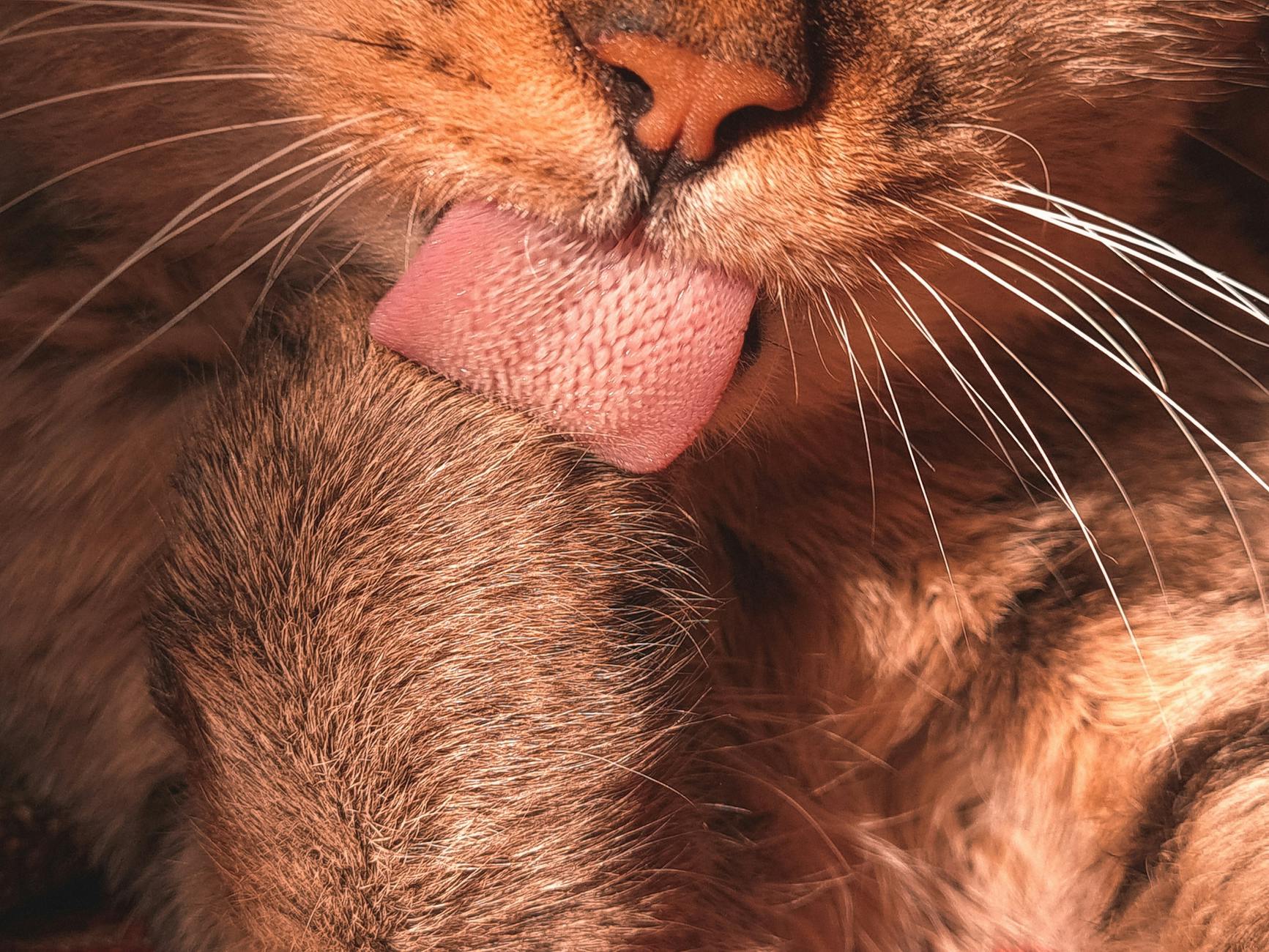
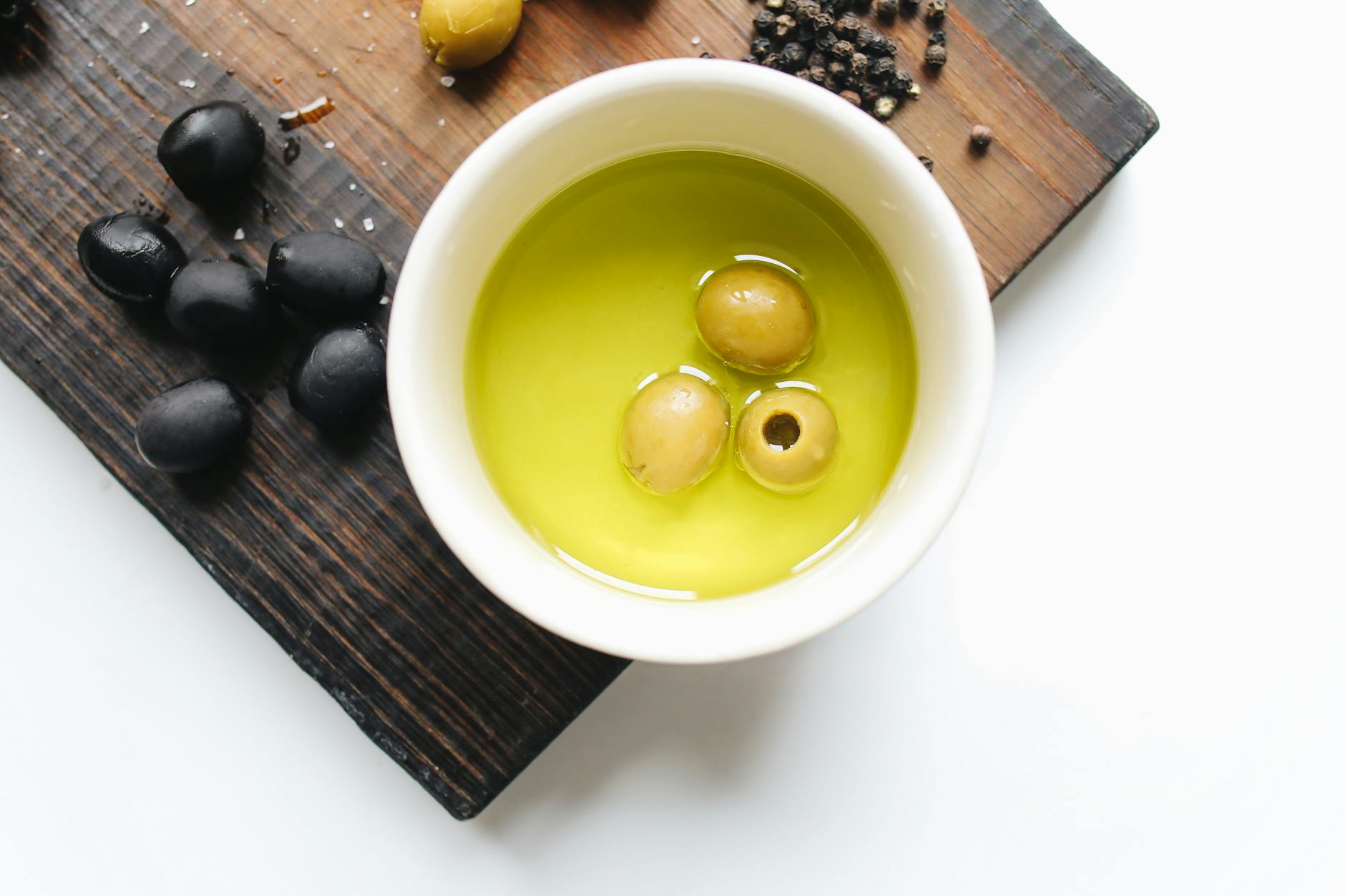
Yes, it is generally safe for cats to lick a bowl with olive oil residue, but this safety comes with important caveats. Unlike many human foods that are genuinely toxic to cats, olive oil itself is not poisonous according to veterinary consensus and the ASPCA. A single lick or small accidental exposure to an olive oil-coated bowl poses minimal risk to a healthy adult cat.
However, regular consumption of olive oil can create health problems that extend far beyond a one-time lick. Consider this scenario: you set down a salad bowl to rinse it, and your cat jumps up for a quick taste of the oily residue. While this occasional exploration typically won’t cause harm, the concern shifts dramatically if your cat repeatedly seeks out olive oil or if you’re intentionally offering it. The difference between a safe accident and a risky habit lies in frequency and quantity, which is where many cat owners run into trouble.
Table of Contents
- Is Olive Oil Actually Toxic to Cats?
- Digestive and Health Risks of Olive Oil for Cats
- Nutritional Impact and Caloric Load
- Safe Serving Guidelines for Cats
- Which Cats Should Absolutely Avoid Olive Oil
- Common Scenarios—When Your Cat Gets Into Olive Oil
- Better Alternatives for Coat and Digestive Health
- Conclusion
Is Olive Oil Actually Toxic to Cats?
Olive oil is not inherently toxic to cats in the way that chocolate, xylitol, or certain plants are. Veterinarians and feline nutrition experts agree that olive oil does not contain compounds that poison a cat’s system. This is perhaps the most important clarification to understand, because it means you don’t need to panic if your cat steals a lick from a cooking bowl or an olive oil-drizzled plate.
The ASPCA does not classify olive oil as a toxic substance for cats, and Dial A Vet confirms that small accidental exposures are generally safe for healthy cats. That said, “not toxic” does not mean “good for cats.” The absence of poison is very different from something being nutritionally appropriate or health-promoting. Your cat might physically survive a bowl of olive oil, but that doesn’t mean consuming it is beneficial or recommended. The lack of toxicity in olive oil has created a false sense of security for some cat owners who then begin offering it regularly—a practice that shifts from safe to problematic over time.
Digestive and Health Risks of Olive Oil for Cats
While olive oil won’t poison your cat, it frequently causes digestive upset. The most common side effects reported by veterinarians include diarrhea, vomiting, loose stools, greasy stools, and reduced appetite. These aren’t life-threatening reactions, but they create discomfort and can indicate that your cat’s digestive system is struggling with the fat content. A cat whose stomach is adapted to processing meat-based proteins isn’t equipped to handle sudden fat surges without consequence. Even small amounts can trigger loose stools in some cats, while others might vomit within hours of licking an olive oil bowl.
More concerning than temporary digestive upset is the pancreatitis risk. Cats are particularly susceptible to pancreatitis—inflammation of the pancreas—and excess dietary fat is a known trigger for this condition. Pancreatitis in cats can range from mild to life-threatening, and once a cat has experienced it, the pancreas becomes vulnerable to flare-ups. This means a cat with a history of pancreatitis faces genuine danger from even small amounts of olive oil, whereas a healthy cat with no pancreatitis history faces mainly discomfort rather than serious disease. The cumulative effect of regularly offering olive oil increases pancreatitis risk over time, even in cats without prior history.
Nutritional Impact and Caloric Load
Understanding the caloric density of olive oil is crucial to grasping why regular consumption is problematic for cats. One tablespoon of olive oil contains 14 grams of fat and approximately 119 to 120 calories. For a typical 10-pound cat, the daily caloric requirement hovers around 200 calories. This means a single tablespoon of olive oil represents 62 to 69 percent of your cat’s entire daily caloric intake. To put this in perspective, that’s equivalent to a human eating an entire day’s worth of calories in a single spoonful.
Beyond the caloric overload, olive oil offers zero nutritional value for cats. It contains no protein, and cats are obligate carnivores whose bodies are designed to extract nutrition exclusively from animal-based proteins and fats. When a cat consumes olive oil, those calories displace actual nutrition from their daily food intake. If your cat eats their normal meal plus steals olive oil from a bowl, they’re consuming excess calories without gaining any nutritional benefit. Over time, this contributes to weight gain and metabolic imbalance, particularly in cats predisposed to obesity or those already managing diabetes or inflammatory bowel disease.

Safe Serving Guidelines for Cats
If you’ve decided to offer olive oil to your cat—typically for coat health or digestive reasons, a practice some owners pursue with veterinary guidance—strict limits are essential. The maximum safe amount is 1/4 to 1/2 teaspoon per serving, and frequency should be limited to 2 to 3 times per week at most. This is notably different from dogs, for whom olive oil is sometimes recommended more regularly. Cats lack the digestive capacity that dogs have for processing regular fat supplementation, so treating them identically is a mistake.
These guidelines apply only to deliberate administration under owner control. When your cat licks a bowl on their own, you have no way to verify they haven’t already consumed olive oil earlier that week. The safest approach is to wash bowls immediately after use, rinse them thoroughly, and store them out of reach of curious cats. If you’re concerned about your cat’s coat health or digestion—the two reasons olive oil is sometimes recommended—discuss alternatives with your veterinarian. There are purpose-designed feline supplements that provide similar benefits without the pancreatitis and digestive risks.
Which Cats Should Absolutely Avoid Olive Oil
Certain cats face elevated danger from olive oil and should not receive it at all, even in minimal amounts. Cats with a history of pancreatitis should avoid olive oil entirely without veterinary supervision. The same applies to cats with inflammatory bowel disease, obesity, or diabetes. These conditions make cats significantly more vulnerable to the fat-related complications that olive oil triggers.
A cat in remission from pancreatitis should not be treated as “cured”—the condition can recur suddenly if fat intake spikes, and olive oil is exactly the kind of dietary trigger that causes flare-ups. Additionally, senior cats and cats with compromised digestive systems due to age or illness should avoid olive oil. Kittens, whose digestive systems are still developing, should also not receive it. If your cat falls into any of these categories and you’re interested in supplements for coat health or digestive support, ask your veterinarian about fish oil alternatives specifically formulated for cats, prescription digestive enzymes, or other options that don’t carry the pancreatitis risk. Attempting to provide a benefit (like improved coat condition) while simultaneously exposing your cat to disease risk is a poor tradeoff.
Common Scenarios—When Your Cat Gets Into Olive Oil
Picture this: you’re preparing a Mediterranean salad, and your cat hops onto the counter and licks the bowl before you can stop them. Or perhaps they drink from a dish you’ve left out while cooking. In these accidental one-time scenarios, healthy adult cats typically experience no consequences whatsoever. You don’t need to induce vomiting or rush to the veterinarian.
Monitor your cat for the next 24 to 48 hours—watch for vomiting, diarrhea, or lethargy—but most cats will show no ill effects from a single small lick. However, if your cat experiences repeated accidental exposures, the risk profile changes. If your cat has learned that bowls with olive oil residue are worth investigating and you don’t change your habits, they could be consuming olive oil multiple times weekly. This pattern shifts from accidental to habitual, and that’s when digestive problems and pancreatitis risk become real concerns. Prevention is simpler than management: wash bowls immediately, store cooking oils out of reach, and be mindful when your cat is nearby during food preparation.
Better Alternatives for Coat and Digestive Health
If your reason for considering olive oil is to improve your cat’s coat condition or support digestive health, better options exist. Fish oil supplements designed for cats provide omega-3 fatty acids without the pancreatitis risk or excessive caloric load. These products come in appropriate dosages for feline physiology and don’t trigger the same digestive upset. Wet food, which provides hydration and is often more digestible than dry kibble, is another approach to supporting coat health and digestion.
For cats with genuine digestive issues or dull coats, the first step should be consulting your veterinarian. Digestive problems sometimes signal underlying illness like inflammatory bowel disease, and a dull coat can indicate nutritional deficiency or thyroid issues. Treating the symptom with olive oil while missing the underlying condition is counterproductive. Your vet can recommend specific, evidence-based supplements or dietary changes tailored to your cat’s individual needs.
Conclusion
To summarize: a cat licking an olive oil-coated bowl once is not an emergency. Olive oil is not toxic, and small accidental exposures pose minimal risk to healthy adult cats. However, this doesn’t mean olive oil is something to offer your cat regularly or deliberately. The real danger lies in repeated consumption, which can trigger digestive upset, pancreatitis risk, unnecessary weight gain, and caloric displacement of nutritionally appropriate food.
The safest approach is prevention through habit and awareness. Wash bowls promptly, keep cooking oils out of reach, and monitor your cat if accidental exposure happens. If you’re looking to support your cat’s coat health or digestion, discuss safer alternatives with your veterinarian rather than relying on olive oil. Your cat doesn’t need olive oil, but they do need your vigilance to keep them safe from well-intentioned but risky foods.