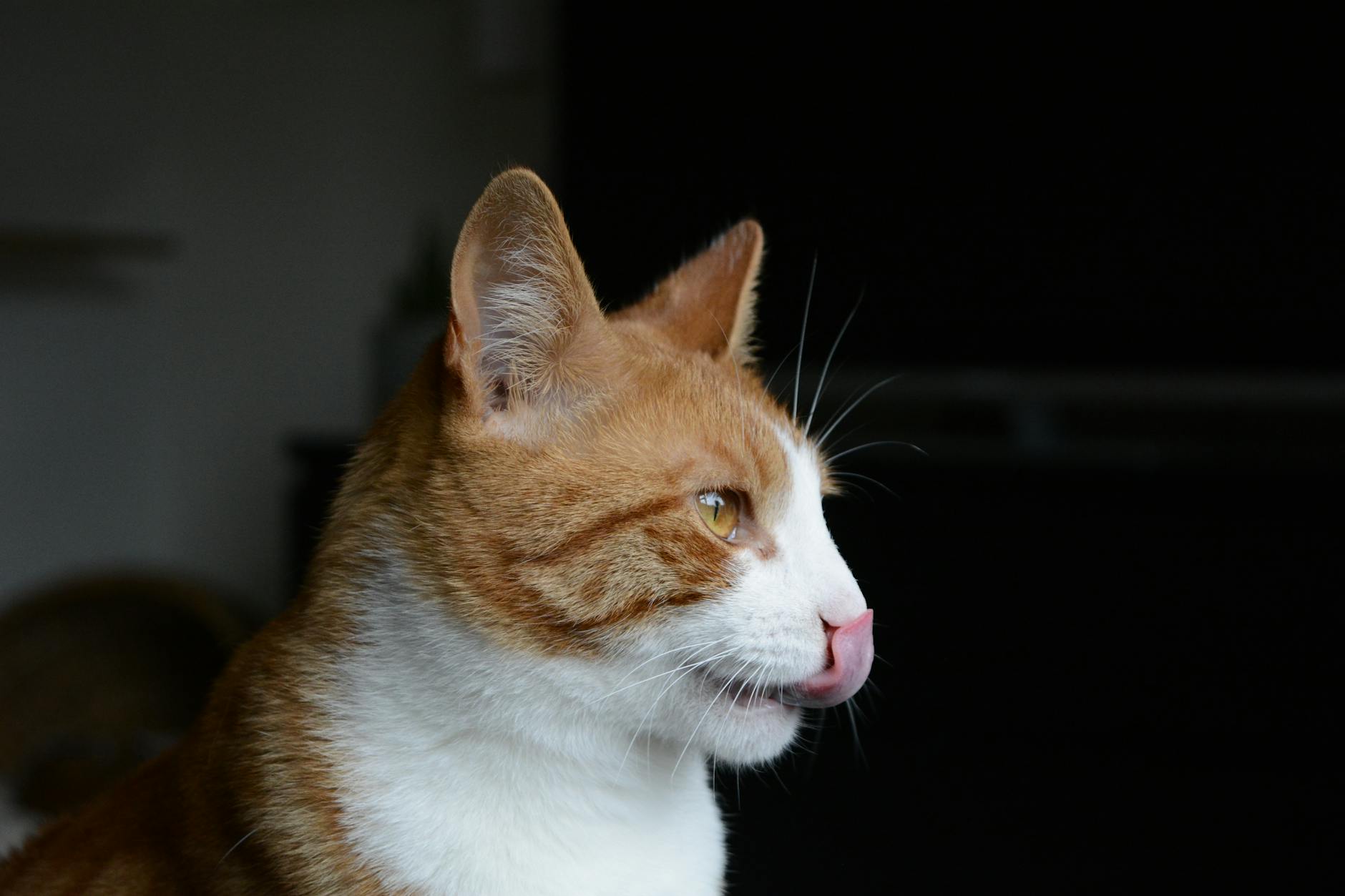
Yes, it is generally safe for cats to lick your nose in most cases, though there are some hygiene considerations worth understanding. A cat’s mouth contains bacteria that are typically harmless to humans, and a quick nose lick from your feline companion rarely poses a serious health risk.
However, your risk level depends on your immune system, any open cuts or sores on your nose, and your cat’s health status—so while the occasional nose lick is usually nothing to worry about, it’s worth being aware of when to be cautious. For example, if your healthy cat gives you an affectionate nose lick after grooming itself, the risk is minimal. The greater concern arises if your cat has been digging in the litter box or eating something questionable moments before making nose contact, or if you have a compromised immune system.
Table of Contents
- What Bacteria Does Cat Saliva Actually Contain?
- Real Infection Risks and When to Be More Cautious
- Why Do Cats Lick Your Nose in the First Place?
- How to Manage Nose Licking if You Prefer Not to Allow It
- Health Conditions That Increase Your Risk
- Special Considerations for Young Children and Vulnerable Family Members
- Building a Healthy, Safe Relationship With Your Cat
- Conclusion
- Frequently Asked Questions
What Bacteria Does Cat Saliva Actually Contain?
cat saliva contains a variety of bacteria, including species like Pasteurella multocida, which is naturally present in feline mouths and can occasionally cause infections in humans if introduced through a bite or deep wound. When a cat simply licks your nose or face, however, the bacteria stays on the surface of your intact skin, where your body’s natural defenses prevent infection. Your skin acts as a barrier that these bacteria typically cannot penetrate unless there’s a cut, scrape, or other break in the skin.
The actual bacterial load in cat saliva is not significantly different from what you encounter on your hands throughout a normal day. Studies have shown that the human body regularly comes into contact with far more numerous bacteria from door handles, handrails, and other surfaces than from a cat’s affectionate lick. In fact, your own mouth contains many of the same bacteria species found in cat saliva.
Real Infection Risks and When to Be More Cautious
While infection from a simple nose lick is rare, there are specific situations where you should avoid allowing nose licking. If you have an open sore, cold sore, or any break in the skin around your nose or mouth, a cat’s lick could potentially introduce bacteria into that wound.
Individuals with significant immunosuppression—such as those undergoing chemotherapy, taking immunosuppressant medications, or living with untreated HIV—face a higher risk and should be more careful about close facial contact with cats. Additionally, if your cat has recently been sick, has diarrhea, or you suspect it’s been eating feces or other contaminated materials, you should discourage nose licking until the cat’s health improves. A healthy cat that maintains good hygiene habits poses virtually no infection risk from a nose lick, but a cat with gastrointestinal issues or outdoor access that may include hunting rodents carries a higher bacterial load that could potentially cause problems if introduced into broken skin.
Why Do Cats Lick Your Nose in the First Place?
Cats lick human faces and noses for several behavioral reasons, primarily to show affection and establish social bonding. When a cat licks your nose, it’s often mimicking the behavior they engage in with other cats—grooming and bonding are core feline social activities. Your cat may also be scent-marking you as part of their family group, which is actually a sign that they consider you a close social companion.
Some cats lick noses as a greeting ritual, particularly if you’ve been away from home. Others may have learned that nose licking gets your attention or results in physical affection in return, so they repeat the behavior because it’s been reinforced. If your cat is a persistent nose-licker, it’s a sign of trust and affection—the behavior itself isn’t harmful, but understanding the motivation can help you manage it if you’d prefer less close facial contact.

How to Manage Nose Licking if You Prefer Not to Allow It
If you want to discourage nose licking without rejecting your cat’s affection, redirect the behavior to other forms of interaction. When your cat begins licking your nose, gently move your face away and offer your hand for licking instead, or engage them with a toy or treat. Cats respond well to consistent redirection, and over time they’ll learn that nose licking results in the interaction being paused, while other behaviors earn continued attention.
The key is to be gentle and not punitive—yelling at or roughly pushing away your cat will damage your relationship and may confuse them about what behavior you actually want. Positive reinforcement works better than punishment with cats. If your cat is particularly persistent, you can also apply a small amount of bitter spray (made for pets) to your nose area, as cats typically dislike the taste and will stop licking. However, for most people, simply allowing the occasional nose lick is easier and continues strengthening your bond with your cat.
Health Conditions That Increase Your Risk
People with uncontrolled diabetes face increased infection risk from any potential wound or bacterial exposure, including cat licks, because high blood sugar impairs immune function. Similarly, individuals with autoimmune conditions or those taking long-term corticosteroids have weakened immune responses and should be more cautious about facial contact with cats, particularly if they have any skin injuries.
Older adults and very young children (under 5 years old) have immune systems that are less robust and may be more susceptible to infection from cat bacteria. If you fall into one of these categories, a simple rule of thumb is to wash your face shortly after cat contact, keep any cuts or sores covered, and consult your healthcare provider if you develop any unexplained infections or inflammatory responses following close cat contact. For the vast majority of healthy adults, however, this level of caution isn’t necessary.
Special Considerations for Young Children and Vulnerable Family Members
If you have young children in your home, teaching them not to allow cats to lick their faces is a good practice, though not out of extreme concern—more as a general hygiene habit. Young children may touch their faces frequently and may not wash hands as diligently as adults, creating more opportunities for bacteria to reach mucous membranes.
Explaining to children that they should gently redirect the cat’s attention rather than roughhousing or frightening the cat creates a safer dynamic for both child and pet. For elderly family members or those with health conditions, you might want to increase the frequency of hand-washing after cat interaction and discourage nose or mouth licking specifically. These individuals may also want to keep their cat’s nails trimmed to minimize the risk of accidental scratches, which pose a greater infection risk than a simple lick.
Building a Healthy, Safe Relationship With Your Cat
Understanding that nose licking is a normal, usually harmless feline behavior allows you to enjoy your cat’s affection while making informed decisions about what close contact feels right for you. Most veterinarians agree that basic hygiene practices—regular handwashing, keeping your cat healthy and up-to-date on vaccinations, and maintaining your own health—are sufficient to keep cat-related infection risks minimal.
The safest approach is to view your cat’s nose lick as a normal part of cat ownership and respond based on your personal comfort level and health status. For healthy individuals with no open wounds, the risk is negligible, and many people consider a cat’s affectionate nose lick one of the joys of cat ownership. As long as you’re practicing good hygiene and your cat is healthy, there’s no reason to discourage this behavior.
Conclusion
Cats licking your nose is safe for most people and is a normal expression of feline affection and social bonding. The bacteria present in cat saliva are generally harmless to humans with intact skin and functional immune systems, and the risk of infection is vanishingly small in healthy individuals.
By understanding why your cat licks your nose and recognizing the few situations where you should be more cautious—such as when you have open wounds, a compromised immune system, or your cat is experiencing health issues—you can make informed decisions about this behavior. If you’re generally healthy, practice basic hygiene, keep your cat up-to-date on veterinary care, and allow your cat to express affection in this way, you’re engaging in a safe and normal part of the human-cat relationship. Should you have specific health concerns or risk factors, consult with your healthcare provider or veterinarian for personalized guidance, but for the vast majority of cat owners, the occasional nose lick is nothing more than your cat’s way of saying you’re part of their family.
Frequently Asked Questions
Can I get sick from my cat licking my nose?
It’s highly unlikely. While cat saliva does contain bacteria, infection from a simple nose lick is extremely rare in healthy individuals. The risk is only elevated if you have an open wound around your nose or a compromised immune system.
Should I wash my face after my cat licks my nose?
You don’t need to rush to wash your face, but incorporating handwashing and occasional face-washing into your regular hygiene routine is always good practice with any pet. For healthy people, this is a normal precaution rather than a response to specific risk.
Why does my cat lick my nose so much?
Your cat is likely showing affection, bonding with you, scent-marking you as family, or greeting you—all normal feline behaviors. It’s a sign your cat trusts and likes you.
Is nose licking safe for children?
For healthy children, occasional nose licking from a healthy cat poses minimal risk. Teaching children not to allow it is more about establishing good boundaries and hygiene habits than preventing disease.
What should I do if I have a weakened immune system?
Consult your healthcare provider about your specific situation. General precautions include discouraging facial licking, washing hands after cat contact, and keeping any cuts or sores covered. Your doctor can provide personalized guidance.
Can my cat catch something from licking my nose?
This is very unlikely. Your cat’s immune system and the protective barriers in their mouth are well-adapted to their natural bacterial environment, and human surface bacteria pose no threat to cats.