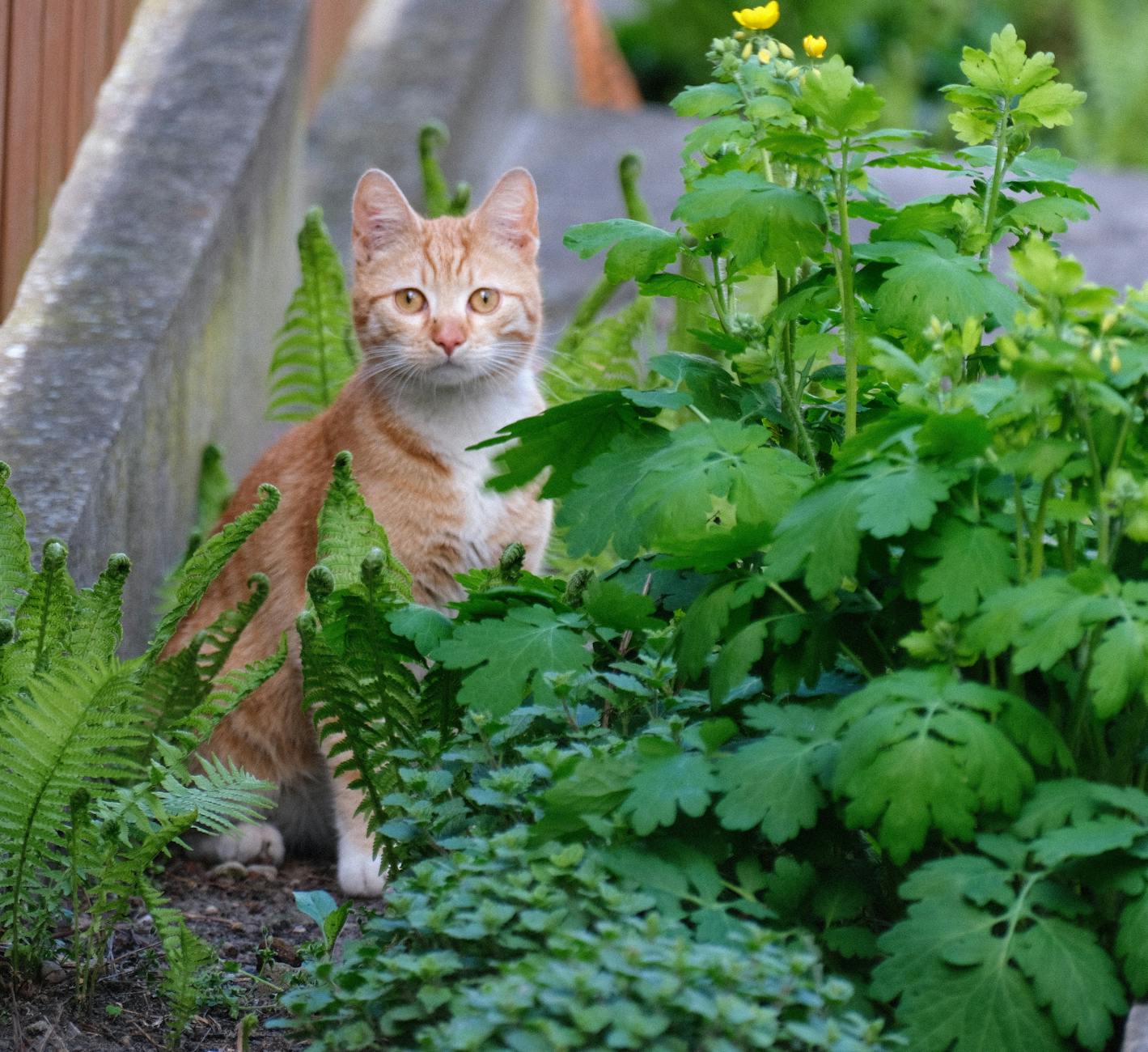
Garden hose water is generally safe for cats to drink in most situations, though it’s not ideal as a regular water source. The primary safety concern depends on your hose’s age, material, and how it’s been stored. If you have a newer hose made from drinking-water-safe materials and kept in good condition, an occasional drink won’t harm your cat. However, older vinyl hoses or those treated with chemicals can pose risks, and water sitting in a hose on a hot day may develop bacterial growth or become stagnant.
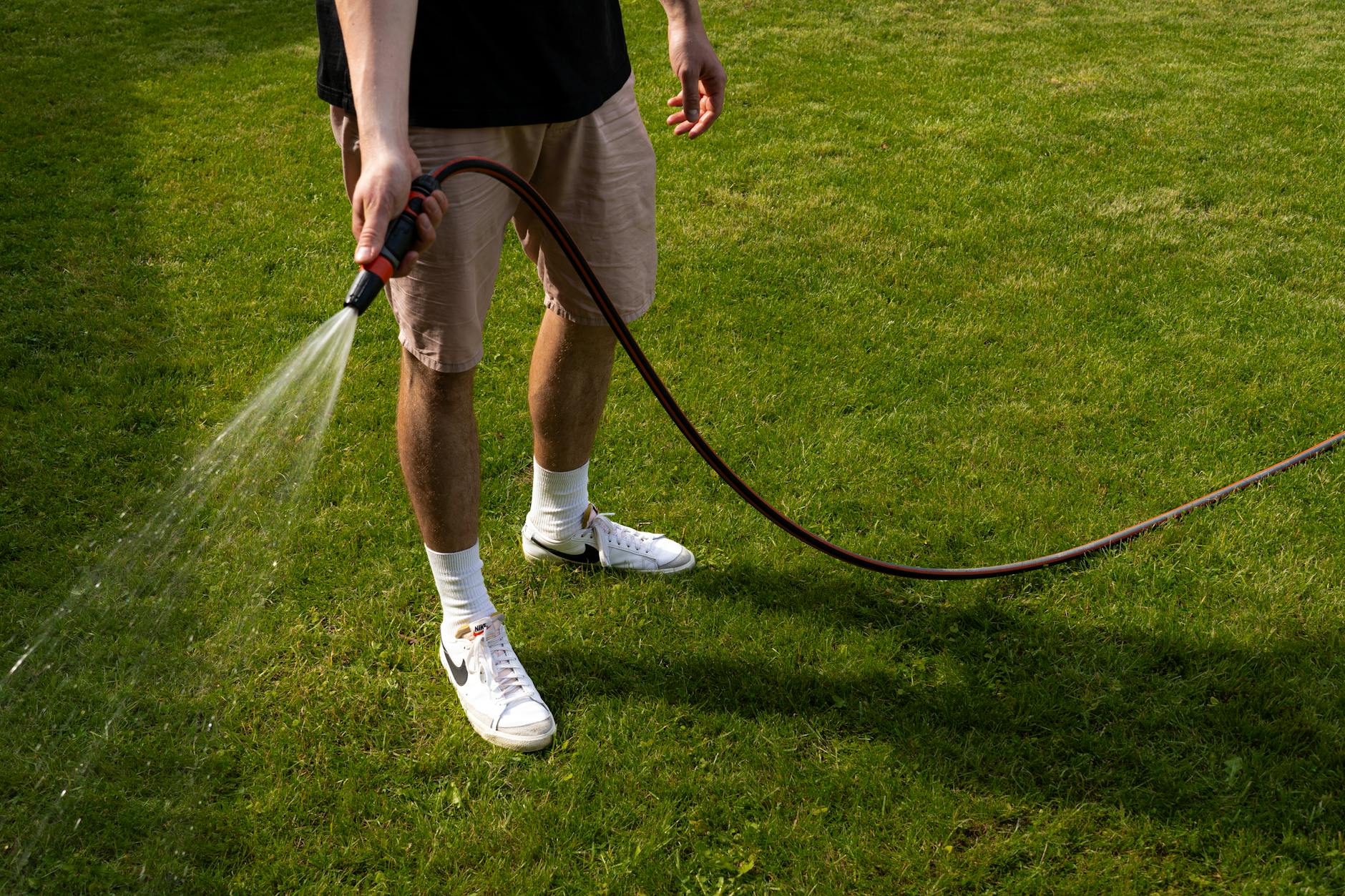
A typical scenario: You’re watering the garden on a warm afternoon, and your cat approaches the running hose, curious about the moving water. A few laps from a clean, modern hose in this moment poses minimal risk. However, allowing your cat to regularly drink from a hose left coiled in the sun, or from an old vinyl hose with visible cracks, creates unnecessary exposure to contaminants that could affect their health over time. The safest approach is to provide fresh, clean water indoors and limit hose drinking to occasional instances with newer equipment. Most cats prefer running water anyway—which is why many owners invest in cat water fountains—so understanding when hose water is acceptable and when it’s risky helps you keep your cat healthy while respecting their natural preferences.
Table of Contents
- What Contaminants Can Garden Hose Water Contain?
- Hose Materials and Chemical Risks
- Seasonal Variations in Hose Water Safety
- Safe Alternatives to Offering Hose Water
- Signs of Water-Related Illness in Cats
- Testing Your Hose Water
- Making the Right Choice for Your Cat’s Hydration
- Conclusion
What Contaminants Can Garden Hose Water Contain?
Garden hoses can harbor several contaminants depending on their construction and storage conditions. Most vinyl hoses, particularly older ones, contain plasticizers and other chemicals that leach into water, especially when exposed to heat or sunlight. These chemical compounds can accumulate in your cat‘s body over repeated exposure and contribute to digestive upset or other health issues. Additionally, the interior of hoses—whether vinyl, rubber, or reinforced plastic—can develop algae, mold, and bacterial colonies if left full or partially filled for extended periods. Water temperature plays a significant role in contamination levels. A hose that’s been sitting in direct sunlight can reach 140°F or higher inside, creating an ideal environment for bacterial proliferation like Legionella or common E.
coli strains. When your cat drinks warm, stagnant water from such a hose, they’re consuming water that has been slowly colonized by microorganisms. This is different from a fresh, cool drink from a hose that’s actively running and being used—the flowing water is less likely to harbor dangerous levels of bacteria. Lead is another concern with older hoses or brass fittings, though modern hoses are less likely to contain lead. If your home has vintage hose equipment or brass connectors, testing the water would be prudent before allowing regular hose drinking. Most contemporary hoses marketed as “drinking water safe” undergo testing to minimize these risks, but reading the label before purchase is important if you want your cat to have occasional access.

Hose Materials and Chemical Risks
The material composition of your hose directly determines its safety for drinking water. Hoses labeled “drinking water safe” or “safe for potable water” have been manufactured and tested to minimize chemical leaching. These typically include hoses made from food-grade rubber, polyurethane, or specific plastics designed to resist degradation. Conversely, standard vinyl hoses—the cheapest and most common type—contain phthalates and BPA-like compounds that migrate into water, particularly in warm conditions. A practical limitation to understand: even “drinking water safe” hoses aren’t equivalent to your home’s filtered tap water or the specially designed water you’d serve in your cat’s bowl. They’re simply safer than conventional hoses.
Letting your cat drink from a newer, drinking-water-approved hose occasionally is a reasonable risk calculus. However, making it a daily habit or the primary water source isn’t advisable. The chemicals leach more slowly from quality hoses, but repeated small exposures can accumulate—particularly concerning for cats, whose small body size means they process contaminants more intensely than large animals. Brass and copper fittings, common on many hoses, can also leach metals into the water. Copper is essential in small amounts but toxic in excess, and cats are more sensitive to copper accumulation than humans. If your hose setup includes brass connectors, running water for 30 seconds before allowing your cat to drink helps flush out any particles that may have accumulated overnight.
Seasonal Variations in Hose Water Safety
The season and outdoor conditions significantly impact how safe hose water becomes. During summer months, a hose left outside receives constant UV exposure and heat, accelerating both bacterial growth and chemical leaching. A hose that’s been coiled in the sun all afternoon should not be offered to your cat as a drinking source. Spring and fall present fewer risks since water doesn’t reach extreme temperatures, and hoses are typically less saturated with heat-altered chemicals. Winter presents a different scenario—cold temperatures actually inhibit bacterial growth, making hose water safer from a microbial standpoint.
However, frozen hoses or hoses left outside in freezing conditions may have contracted or cracked, and debris trapped inside during freeze-thaw cycles can contaminate the water. An example: a hose left outside through winter in a climate where temperatures fluctuate above and below freezing can develop internal damage invisible from the outside. When spring arrives and you use it again, that interior damage may harbor sediment or mold spores. If you live in a region with distinct seasons, consider storing your hose indoors or in a cool, shaded location during the hottest months. This practice alone significantly reduces the chemical leaching that makes summer hose water less ideal for regular drinking.
Safe Alternatives to Offering Hose Water
Rather than relying on garden hose water as a drinking source, several safer alternatives satisfy cats’ preference for fresh, moving water while eliminating contamination risks. Cat water fountains replicate the appeal of running water—cats are naturally drawn to moving water because, in the wild, it’s generally fresher than stagnant sources. A fountain keeps water cool, oxygenated, and continuously moving, providing all the appeal of a hose without any of the chemical or bacterial risks. The tradeoff is the initial cost and the need to clean and refill the fountain regularly. Another practical option is offering a fresh bowl of cold water whenever your cat is outside.
This removes any question about hose contamination entirely while still providing hydration. Some owners use a portable water bowl they carry while gardening, ensuring their cat always has access to fresh, clean water rather than encouraging them to drink from the hose. This approach takes more effort than letting them help themselves to the hose, but it eliminates health risks. If your cat is drawn to the hose specifically because of the moving water’s appeal, a fountain indoors combined with supervised outdoor time makes sense. You get the benefits of your cat spending time in the garden without the downsides of hose water consumption. For cats that are particularly insistent about drinking from the hose, letting them do so occasionally from a newer, drinking-water-safe hose is acceptable—just don’t rely on it as their primary hydration source.
Signs of Water-Related Illness in Cats
Understanding the symptoms of waterborne illness helps you recognize if your cat has consumed contaminated water and needs veterinary attention. Symptoms typically appear within 24 to 72 hours and include vomiting, diarrhea, loss of appetite, lethargy, or abdominal pain. Some cats may develop a fever or show signs of dehydration if they’ve lost fluids through vomiting or diarrhea. If your cat drinks from a questionable water source and develops these symptoms, mention it to your veterinarian so they can test for bacterial or parasitic contamination. A key limitation in assessing water safety: you cannot tell by sight or smell whether a hose contains harmful bacteria. A hose that looks clean and clear may still harbor Legionella or pathogenic E.
coli. This is why relying on appearance alone is insufficient. If your cat regularly drinks from hose water and develops recurring digestive issues, the hose may be the culprit—switching to bottled or filtered water can help determine whether the hose is the problem. Chronic low-level exposure to contaminants might not cause acute symptoms but can contribute to ongoing digestive sensitivity or poor coat condition. If your cat has a sensitive stomach or a history of gastrointestinal issues, minimizing their exposure to potentially contaminated water sources is especially important. In these cases, providing only filtered or boiled water is the safer choice.
Testing Your Hose Water
If you’re concerned about your hose water’s safety, testing it is straightforward. Many hardware stores sell inexpensive water-testing kits that detect bacterial contamination, pH levels, and some chemical compounds. You can also send a sample to a local water testing laboratory, which provides comprehensive analysis for a modest fee—typically $25 to $50.
This approach makes sense if your hose is old, if you’ve noticed cloudiness or discoloration, or if your cat has unexplained digestive problems. For example, if you have a hose that’s 10 or more years old and your cat has recently begun drinking from it and developing mild gastrointestinal upset, a simple bacteria test might reveal why. Testing removes guesswork and helps you decide whether to replace the hose, limit access, or continue allowing occasional drinking. Most people don’t test their hose water regularly, but doing so once—particularly for an older hose—provides valuable information that informs your cat’s health decisions going forward.
Making the Right Choice for Your Cat’s Hydration
Ultimately, deciding whether to allow your cat to drink hose water comes down to weighing convenience against health certainty. A modern, properly stored, drinking-water-safe hose poses minimal risk for occasional drinking. An old, cheaply made vinyl hose stored in the sun represents a genuine health risk that’s not worth taking.
Most cat owners fall somewhere in the middle—they have a reasonably maintained hose and allow their cat to drink from it occasionally while providing clean indoor water as the primary source. As you consider your cat’s outdoor time and water access, remember that cats don’t strictly need moving water to thrive; many cats are perfectly healthy drinking from still bowls. The appeal of hose water for many cats has more to do with novelty and the instinctive attraction to moving water than a nutritional requirement. By providing fresh water indoors and limiting hose exposure to well-maintained equipment, you’re giving your cat the best of both worlds—the outdoor enrichment they enjoy with minimal health risk.
Conclusion
Garden hose water is safe for cats to drink occasionally from newer, well-maintained hoses, but it shouldn’t serve as your cat’s primary water source. The risks—ranging from chemical leaching to bacterial contamination—increase with older equipment, poor storage, and hot weather conditions. Understanding your specific hose’s age, material, and condition allows you to make an informed decision about what risks, if any, you’re comfortable accepting.
To keep your cat healthy, prioritize fresh indoor water and reserve hose drinking for supervised moments with newer equipment. If your cat strongly prefers moving water, a cat fountain provides all the appeal without any contamination risks. By being deliberate about your cat’s hydration sources, you’re protecting their long-term health while still respecting their natural preferences for outdoor exploration and fresh-moving water.