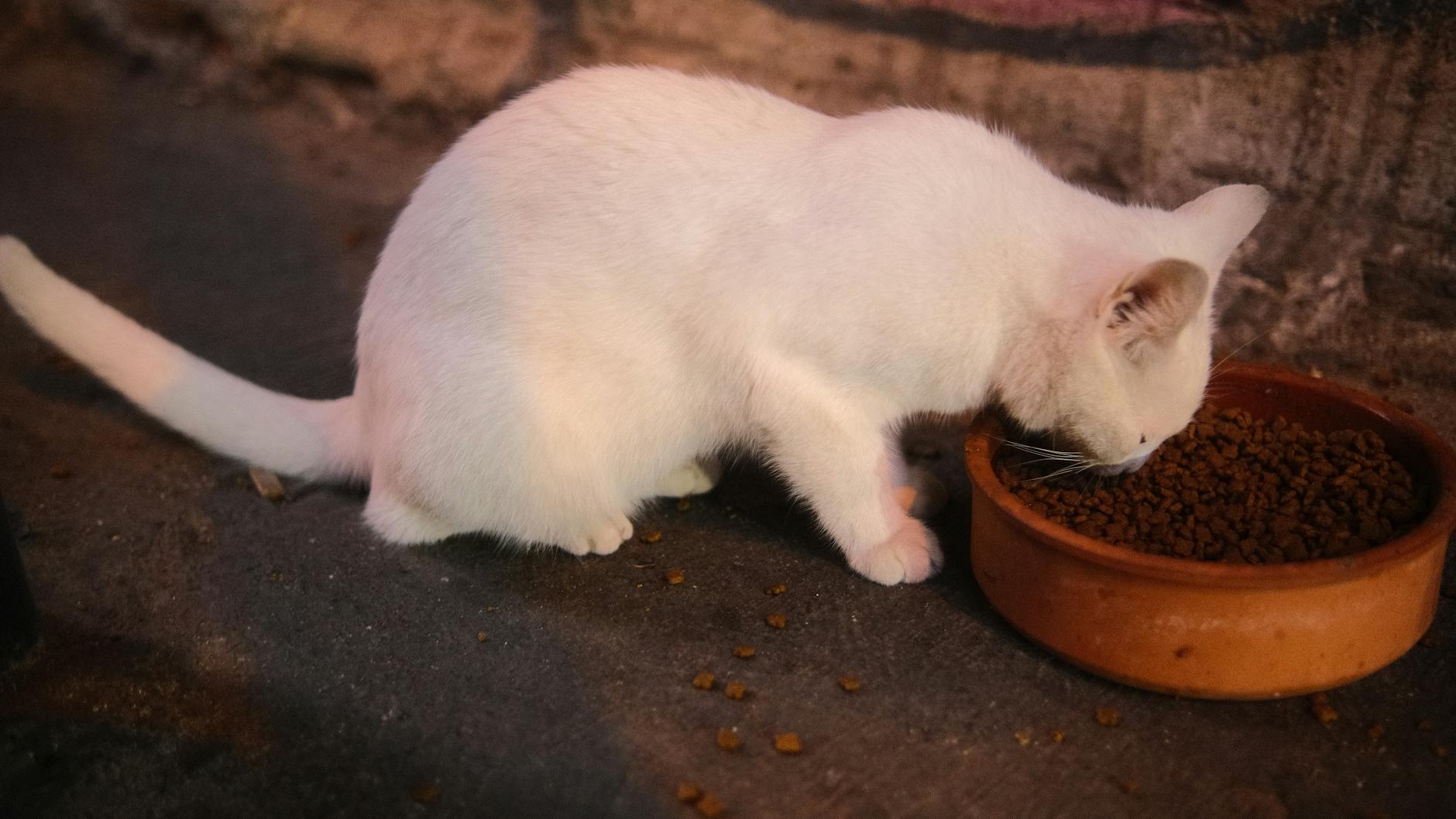
Yes, it is safe to share bowls with your cat if you wash them in a dishwasher with a high-temperature setting and heated drying cycle. According to the CDC, pet bowls can be safely washed alongside human dishes when using these proper settings, as the heat effectively eliminates pathogens from cat saliva. For example, if you feed your cat wet food at breakfast and then use the same bowl for your coffee that afternoon—after running it through a hot dishwasher cycle—you’re not exposing yourself to harmful bacteria. The key is understanding that your dishwasher, when operating at its standard temperature range, generates enough heat to kill the microorganisms that cats naturally carry. However, the safety of shared bowls depends heavily on three factors: the dishwasher’s temperature settings, the material of the bowl itself, and how frequently you wash it.
Most standard dishwashers reach between 130 and 180 degrees Fahrenheit—a range that exceeds the minimum temperature needed to eliminate the vast majority of cat-related pathogens. While sharing bowls is generally safe when done correctly, there are specific precautions and best practices that every cat owner should follow to minimize any potential health risks. The concern about sharing dishes with cats often stems from legitimate health considerations: cats naturally carry bacteria in their saliva, and some of these organisms can theoretically cause infections in humans. The good news is that modern appliances and proper hygiene practices make cross-contamination a minimal risk. Understanding the science behind why this works helps cat owners make informed decisions about their household routines without unnecessary anxiety.
Table of Contents
- What Temperature Does It Take to Kill Pathogens from Cat Saliva?
- Understanding Cat Saliva and the Bacteria Cats Actually Carry
- Which Bowl Materials Are Actually Safe for Sharing?
- Best Practices for Sharing Bowls with Your Cat
- Common Mistakes People Make When Sharing Bowls
- Special Situations and Health Considerations
- Building Long-Term Hygiene Habits and Safety Standards
- Conclusion
What Temperature Does It Take to Kill Pathogens from Cat Saliva?
Dishwasher heat is remarkably effective at eliminating the microorganisms present in cat saliva. Research shows that hot water reaching at least 150 degrees Fahrenheit eliminates 99.9 percent of germs from cat saliva, while Toxoplasma gondii—a parasite of particular concern for pregnant women and immunocompromised individuals—dies at 67 degrees Celsius (approximately 152.6 degrees Fahrenheit). Since standard dishwashers operate between 130 and 180 degrees Fahrenheit, they easily surpass these thresholds, making them an effective sterilization tool. The heated drying cycle matters as much as the water temperature.
A dishwasher with only hot water but no heated drying may leave some moisture where bacteria could persist, whereas the combination of high-temperature water and hot air circulation creates an inhospitable environment for pathogens. If your dishwasher has a “sanitize” or “extra hot” setting, using it when washing shared bowls provides an additional margin of safety, though standard cycles are generally sufficient. One practical consideration: if you hand-wash your cat’s bowl in lukewarm water, you won’t achieve the same level of pathogen elimination. Hand-washing with regular tap water only removes visible debris and reduces bacteria by a small percentage. This is why the dishwasher method is genuinely superior to manual washing for shared bowls—the consistent, high heat creates conditions that hand-washing cannot replicate.

Understanding Cat Saliva and the Bacteria Cats Actually Carry
cats are natural carriers of several bacteria that can potentially affect humans, though the risk of actual infection is quite low under normal circumstances. The most notable organism is Pasteurella multocida, a bacterium that typically lives in a cat’s mouth and can cause infection in humans only if it enters through broken skin—a cut, scrape, or existing wound. Bartonella henselae, which causes cat scratch disease, is transmitted through scratches or bites rather than saliva contact alone. The reality is that you’re exposed to cat bacteria every time your cat licks your hand, rubs its face against you, or shares your personal space.
The presence of these organisms in your cat’s saliva doesn’t mean infection is inevitable; it means the potential exists if there’s a pathway for the bacteria to enter your body. This is why people with cuts on their hands should be cautious about contact with cat saliva, but it’s also why Toxoplasma gondii poses a special concern for pregnant women—the parasite can cross the placental barrier, whereas most other cat-related pathogens cannot. A significant limitation to keep in mind: if you have open wounds on your hands or a compromised immune system, sharing a bowl with your cat presents a slightly elevated risk compared to someone without these conditions. Additionally, if your cat has a respiratory infection or is dealing with an illness, the concentration of harmful bacteria in its saliva may be temporarily higher. In these specific situations, it may be worth using separate bowls temporarily, or being extra diligent about using the sanitize cycle on your dishwasher.
Which Bowl Materials Are Actually Safe for Sharing?
Not all pet bowl materials are equally suitable for shared dishwashing. Stainless steel is the gold standard—it’s non-porous, which means bacteria cannot colonize microscopic crevices, and it withstands high dishwasher temperatures without degradation. Stainless steel bowls also resist scratching over time, eliminating small grooves where bacteria might otherwise accumulate. If you’re committed to sharing bowls with your cat, stainless steel is the material that requires the least vigilance and provides the most reliable sanitation. Glass is another excellent option, offering similar non-porous properties to stainless steel while being completely non-toxic and transparent so you can easily spot any residue.
Glass bowls are equally effective in high-temperature dishwasher cycles and are particularly useful if you want to monitor cleanliness visually. The main drawback is that glass can break, creating sharp edges that pose a safety hazard to both you and your cat. plastic bowls present a real limitation and should be avoided for shared use. Plastic is inherently porous at the microscopic level, meaning bacteria can settle into tiny crevices where dishwasher heat and detergent cannot fully reach them. Additionally, repeated exposure to high dishwasher temperatures can degrade plastic, causing microscopic particles to leach into food and water. Some plastic bowls will warp or become brittle after multiple dishwasher cycles, making them even less sanitary over time.
Best Practices for Sharing Bowls with Your Cat
If you’ve decided to share bowls with your cat, establish a consistent washing routine to minimize any risk. The CDC recommends washing bowls daily if your cat eats dry food, or immediately after each meal if your cat eats wet food. Wet food creates a more hospitable environment for bacterial growth because of its moisture content, so post-meal washing is non-negotiable in those cases. For dry food, a daily wash—preferably at the end of the day—keeps bacteria levels well below any concerning threshold. Always use the hot water and heated drying settings on your dishwasher rather than the quick or eco cycles.
While energy-efficient cycles are appealing from an environmental standpoint, they operate at lower temperatures and may not generate sufficient heat to adequately sanitize shared bowls. The trade-off here is worth considering: spending a few extra minutes and a negligible amount of extra electricity to ensure safety is a reasonable investment. A practical example: if you feed your cat breakfast at 7 AM and want to use its bowl for your lunch at noon, you should place the bowl directly in the dishwasher after your cat finishes eating, run the dishwasher on a hot cycle, and allow it to complete its full drying cycle before using the bowl again. Never rinse the bowl and set it aside for later washing, as this creates a window of time where bacteria can multiply. Immediate loading into the dishwasher interrupts the bacterial growth cycle and ensures maximum pathogen elimination.
Common Mistakes People Make When Sharing Bowls
One of the most frequent errors is placing a shared bowl in the dishwasher but using a quick or delicate cycle designed to protect glassware and reduce water usage. These gentler cycles don’t generate the heat necessary to achieve the pathogen elimination rates that the CDC recommends. People often make this choice because they’re concerned about the bowl’s longevity, but stainless steel and glass are more than durable enough to withstand standard and sanitize cycles indefinitely. Another mistake is hand-washing the bowl between the cat’s use and your use, assuming that soap and tepid water provides adequate protection.
Hand-washing does remove visible debris and reduces the bacterial count, but it doesn’t achieve the 99.9 percent elimination rate that high-temperature dishwashing does. If you’re committed to sharing bowls, the dishwasher is the only method that truly meets safety standards, which is why relying on hand-washing creates a false sense of security. A warning worth emphasizing: some people wash their cat’s bowl in the dishwasher but use the top rack, which can result in lower water pressure and temperature exposure. The bottom rack of most dishwashers receives more direct contact with the heating element and hotter water spray, making it the preferred location for shared bowls. This small placement difference can meaningfully affect how thoroughly the heat penetrates the bowl’s surface, especially if your dishwasher is older or operates at lower maximum temperatures.

Special Situations and Health Considerations
Pregnant women should take special precautions regarding Toxoplasma gondii, which can be shed in cat feces and, theoretically, in saliva, though transmission through saliva alone is quite rare. If you’re pregnant, sharing bowls with your cat is generally safe if proper dishwasher protocols are followed, but you may feel more comfortable using entirely separate bowls as a precaution. The CDC notes that the primary transmission route for Toxoplasma is through undercooked meat and contaminated soil, not through sharing dishware, so the actual risk from shared bowls is minimal. However, pregnancy is a time when many women choose to be extra cautious, and that’s a reasonable decision. People with weakened immune systems due to HIV, transplant medications, or chronic illness should consult their healthcare provider about their specific risk level.
For most immunocompromised individuals, the CDC still confirms that shared bowls are safe when properly dishwashed, but individual circumstances vary. Some individuals may prefer the peace of mind that comes with using separate bowls, even if the medical risk is low. Children sometimes put their hands in their mouths after touching a cat or its belongings, which technically creates a theoretical pathway for bacteria transmission. However, this is true whether bowls are shared or not—a child petting a cat and then eating lunch faces the same exposure as one who uses the cat’s dishwashed bowl. The dishwashing process actually reduces this risk compared to allowing saliva to dry naturally on a surface, where bacteria can survive longer.
Building Long-Term Hygiene Habits and Safety Standards
The decision to share bowls with your cat is ultimately a personal choice that should align with your comfort level and household circumstances. What matters most is that if you choose to share, you commit to the practices that make it genuinely safe: using only non-porous materials, running high-temperature dishwasher cycles with heated drying, and washing immediately after the cat eats. These aren’t burdensome requirements—they’re simply part of maintaining basic hygiene standards that most households already practice.
Looking forward, maintaining these habits becomes easier once they become routine. Many cat owners who initially worried about sharing bowls find that the process is seamless once they’ve established the pattern. Setting a reminder to load the dishwasher immediately after feeding, or designating specific stainless steel or glass bowls for shared use, removes the mental burden of deciding whether it’s safe on any given occasion. The science is clear, the methods are straightforward, and the risk—when proper precautions are taken—is minimal enough that countless households safely share bowls with their cats every day.
Conclusion
Sharing bowls with your cat is safe when you follow the CDC’s guidelines: use a high-temperature dishwasher cycle with heated drying, choose non-porous materials like stainless steel or glass, and wash immediately after each meal or daily for dry food. The science supports this approach, as dishwasher temperatures exceed the threshold needed to eliminate 99.9 percent of pathogens in cat saliva, including Toxoplasma gondii. There’s no need to maintain separate dishes purely for health reasons if you’re willing to commit to proper sanitation practices.
The key takeaway is that safety isn’t about avoiding shared bowls entirely—it’s about understanding how to make sharing bowls safe. By selecting the right materials, using appropriate dishwasher settings, and maintaining consistent washing routines, you can confidently share dinnerware with your cat without compromising your family’s health. This approach respects both the practical realities of household management and the actual science of pathogen elimination.