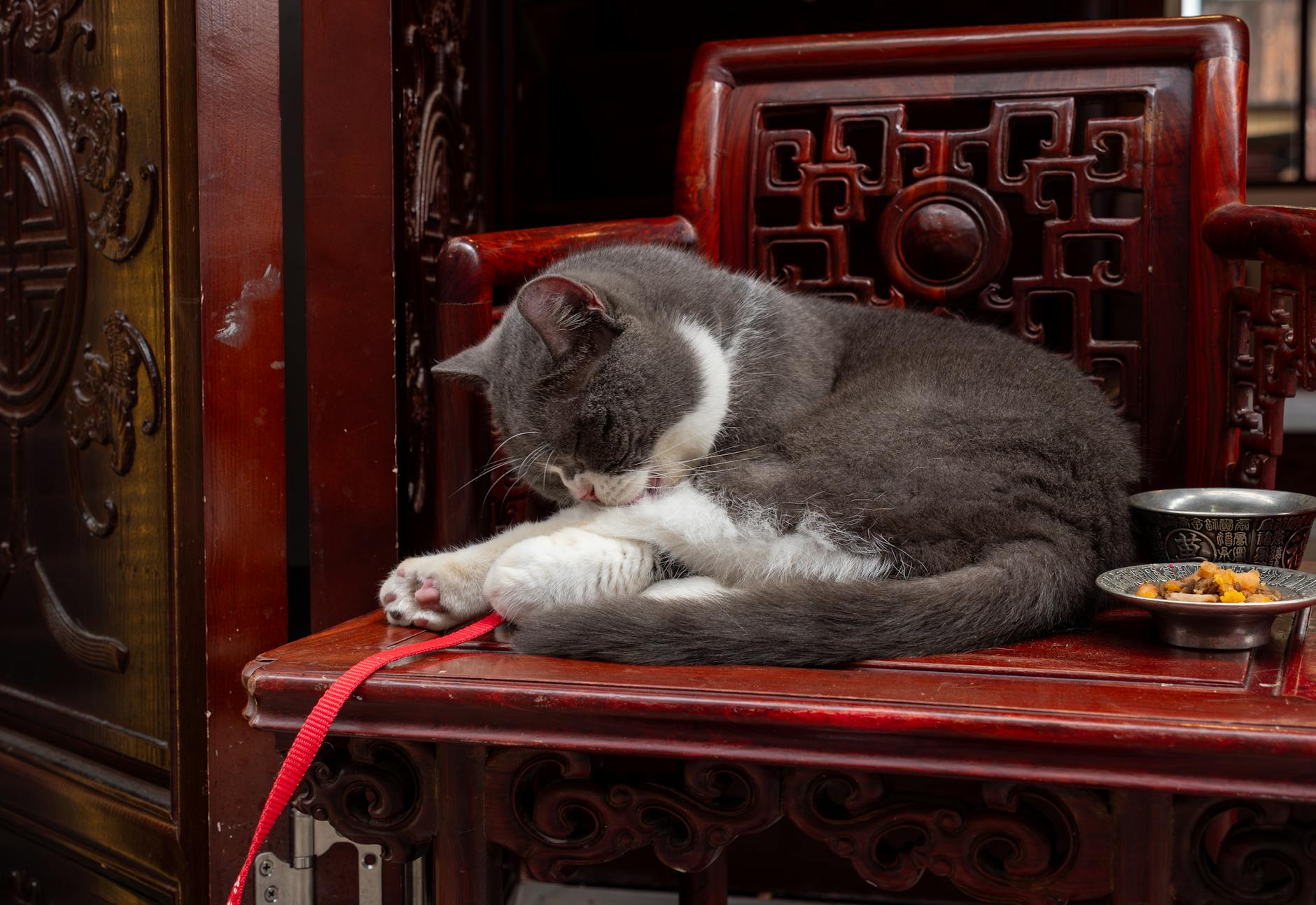
Most cats should not lick bowls with soup residue, as many soups contain ingredients that are toxic to felines. Common soup components like onions, garlic, excessive salt, and certain spices can cause gastrointestinal upset or more serious health issues in cats. If your cat licked a single bowl of chicken soup as a one-time incident, they’re unlikely to experience severe effects, but regular exposure to soup residue or consumption of soups with high garlic or onion content poses a genuine health risk.
The danger depends heavily on the soup’s ingredients and the quantity consumed. A small lick of a chicken broth with no seasonings presents minimal risk, but cream-based soups with onions, broths seasoned with garlic powder, or highly salted broths can cause real harm to your cat’s health. Even soups that seem innocent—like vegetable or tomato-based varieties—may contain problematic ingredients that accumulate in your cat’s system over time.
Table of Contents
- What Soup Ingredients Are Actually Toxic to Cats?
- What Happens if a Cat Consumes Soup Residue?
- How Do You Know If Your Cat Needs Veterinary Care?
- Preventing Access to Soup Bowls at Home
- Broths and Bone Broths: A Specific Warning
- Soup Alternatives and Safe Options for Your Cat
- Teaching Guests and Family Members About Soup Safety
- Conclusion
- Frequently Asked Questions
What Soup Ingredients Are Actually Toxic to Cats?
Onions and garlic are the primary culprits in most soups that threaten cats. Both contain sulfur compounds that damage feline red blood cells and can cause hemolytic anemia, a condition where red blood cells break down faster than the body can replace them. A cat doesn’t need to consume a large amount; even the residue from a few bowls over time can trigger this problem. Powdered garlic and onion are even more concentrated and dangerous than fresh versions, meaning a creamy mushroom soup with “garlic powder” listed in the ingredients can be riskier than homemade chicken soup made with whole garlic cloves. Salt and sodium are secondary concerns in soup bowls.
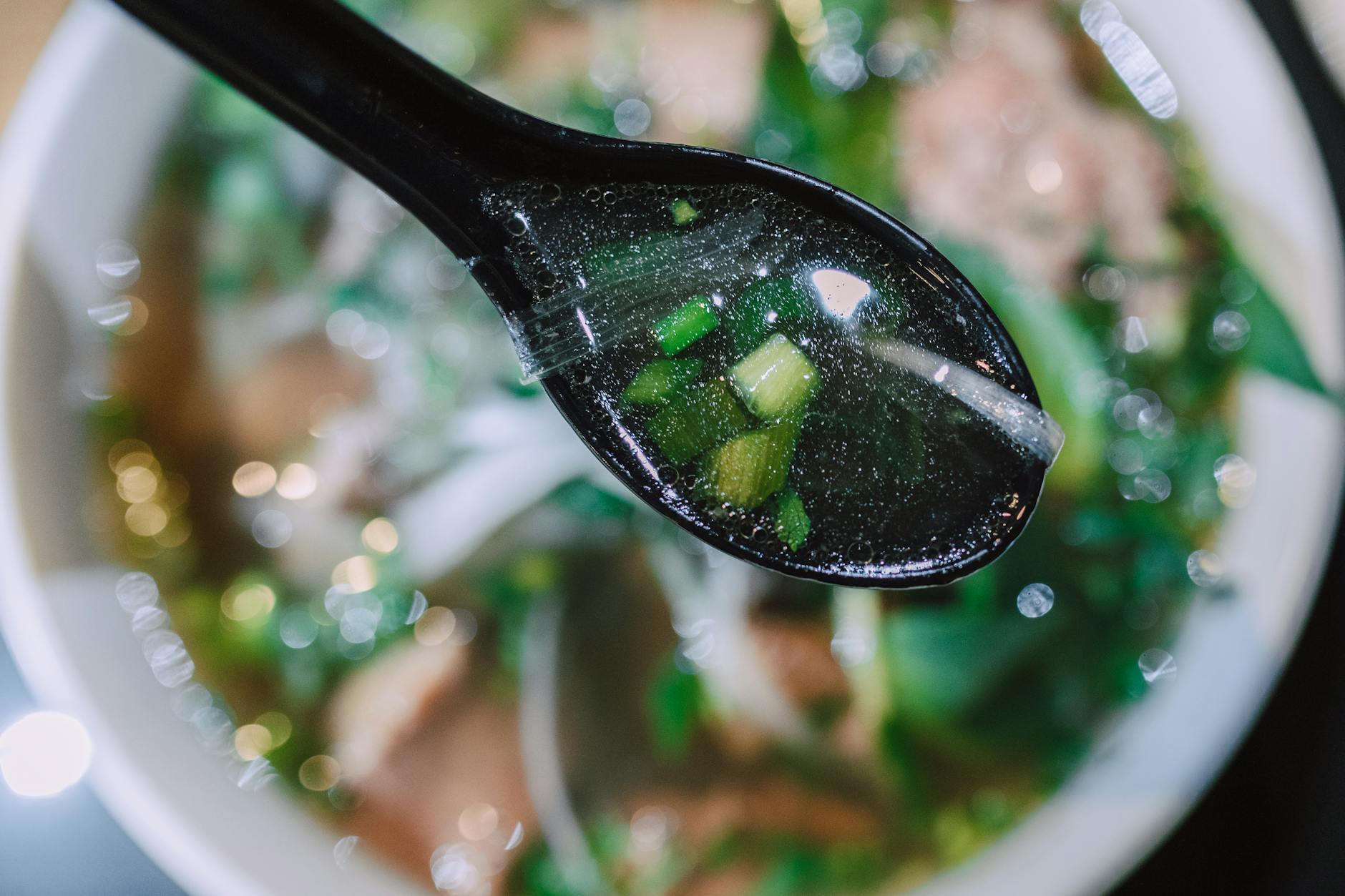
Cats have no dietary need for salt, and high-sodium content can lead to hypernatremia (elevated sodium levels in the bloodstream), causing dehydration and neurological symptoms. Certain broths and canned soups contain 500-800 mg of sodium per serving—far above what your cat needs. Additionally, many soups contain spices like cayenne, black pepper, or artificial flavor enhancers that irritate a cat’s digestive tract. Some soups pose hidden risks through their base ingredients. Tomato-based soups contain solanine when the tomatoes are green or unripe, and while fully ripe tomato broth is less problematic, the acidity can still upset your cat’s stomach. Cream-based soups often contain xylitol (a sugar alcohol) in some brands, which is acutely toxic to cats and can cause liver failure even in small amounts.
What Happens if a Cat Consumes Soup Residue?
The effects of soup consumption in cats vary by ingredients and amount, but symptoms typically appear within 6-24 hours of ingestion. Early signs include vomiting, diarrhea, abdominal pain, loss of appetite, and lethargy. If the soup contained significant onion or garlic content, you might notice pale or yellowish gums, decreased activity, or in severe cases, difficulty breathing—all signs of anemia. One concerning limitation is that symptoms often develop gradually, so you might miss the connection between your cat licking the bowl this morning and the vomiting that occurs tonight. Chronic low-level exposure to soup residues (a lick here and there) can cause cumulative damage that doesn’t present obvious symptoms until significant harm has occurred.
By the time you notice your cat is anemic, the red blood cell destruction has already been underway for days or weeks. This is particularly dangerous because owners often don’t realize their cat has been stealing soup bowl licks until a health crisis prompts a vet investigation. The duration and concentration matter enormously. A single lick of chicken broth with minimal seasoning likely causes no harm, but if your cat has regular access to soup bowls with onions or garlic—such as getting into bowls left on the counter—the risk escalates sharply. Kittens and senior cats have more fragile systems and are at greater risk for serious complications from the same soup exposure that an adult cat might tolerate better.
How Do You Know If Your Cat Needs Veterinary Care?
If your cat licked a soup bowl, the first step is determining what ingredients were in that soup. If you can’t identify the exact contents, contact your veterinarian or the ASPCA Animal Poison Control Center (888-426-4435) with details about the soup ingredients, your cat’s weight, and the estimated amount consumed.
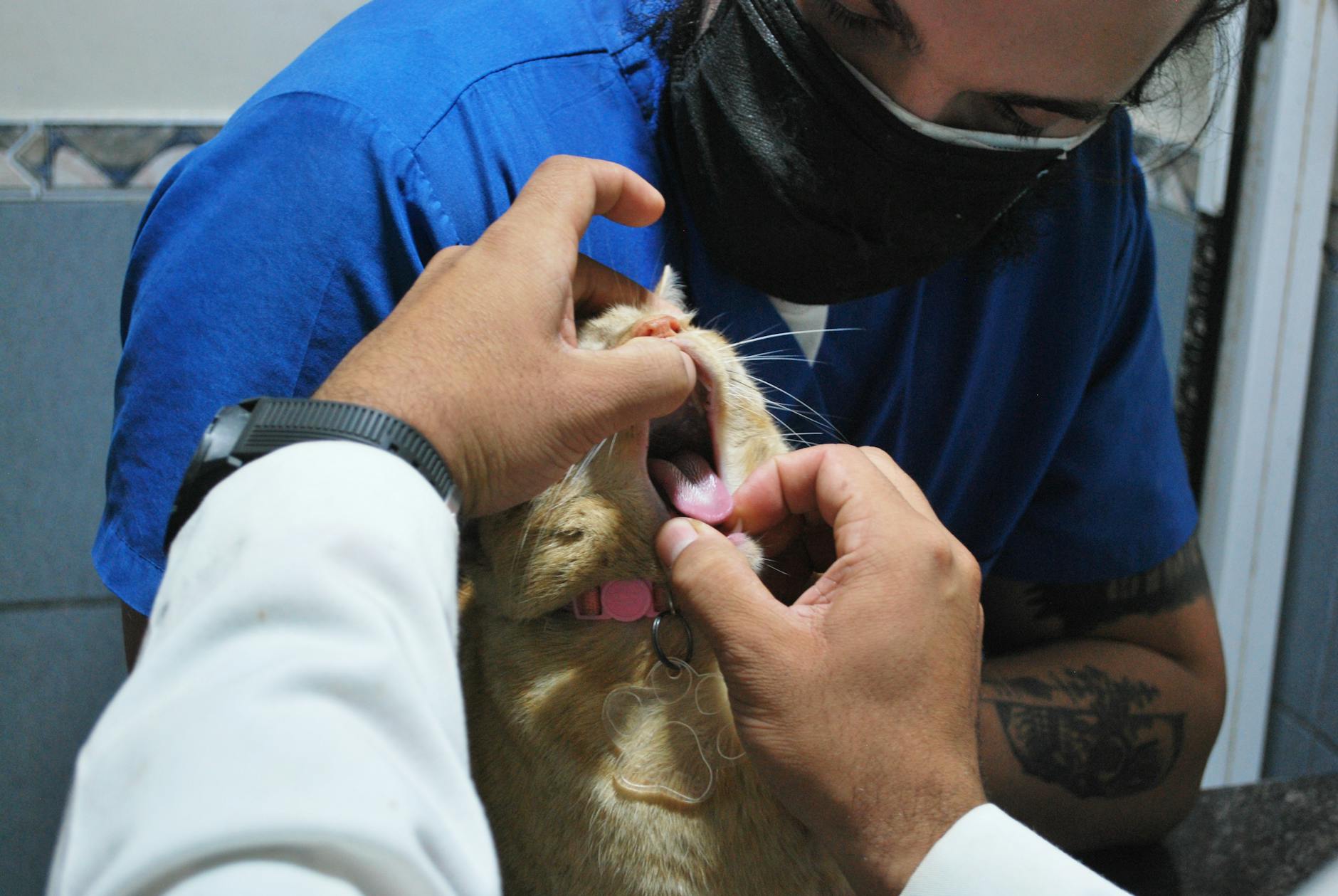
most vets ask these questions: How much soup? What type (chicken, vegetable, cream-based)? When did the exposure occur? Has your cat shown any symptoms? Immediate veterinary attention is warranted if your cat shows vomiting, diarrhea, abdominal pain, or collapse within a few hours of exposure, or if you know the soup contained xylitol, excessive onion/garlic, or other confirmed toxins. Your vet may recommend activated charcoal to bind toxins, IV fluids to support kidney function, or blood work to check liver and kidney values. A blood test might reveal the presence of hemolytic anemia if garlic or onion toxicity is suspected, though anemia can take days to develop fully.
Preventing Access to Soup Bowls at Home
The most practical solution is simply not allowing cats access to soup bowls. This means clearing dishes immediately after meals, not leaving partially finished bowls on counters or tables, and teaching household members (especially children) not to offer cats bites of their soup. Many owners underestimate how curious cats are about human food; a cat that can jump on the dinner table will investigate a soup bowl given the opportunity.
Compare this to simply removing the temptation entirely—it’s far easier than monitoring your cat’s every activity and hoping they don’t sneak a lick. If you have a cat that’s particularly food-motivated or that has a history of counter-surfing, consider closing doors to the kitchen or dining area during meals and for 30 minutes afterward, giving you time to wash dishes. Some owners use motion-activated sprays or double-sided tape on counter edges to discourage cats from jumping up. The tradeoff is that these methods require consistent enforcement and may frustrate cats that are used to exploring counters, but the payoff is preventing accidental toxin exposure.
Broths and Bone Broths: A Specific Warning
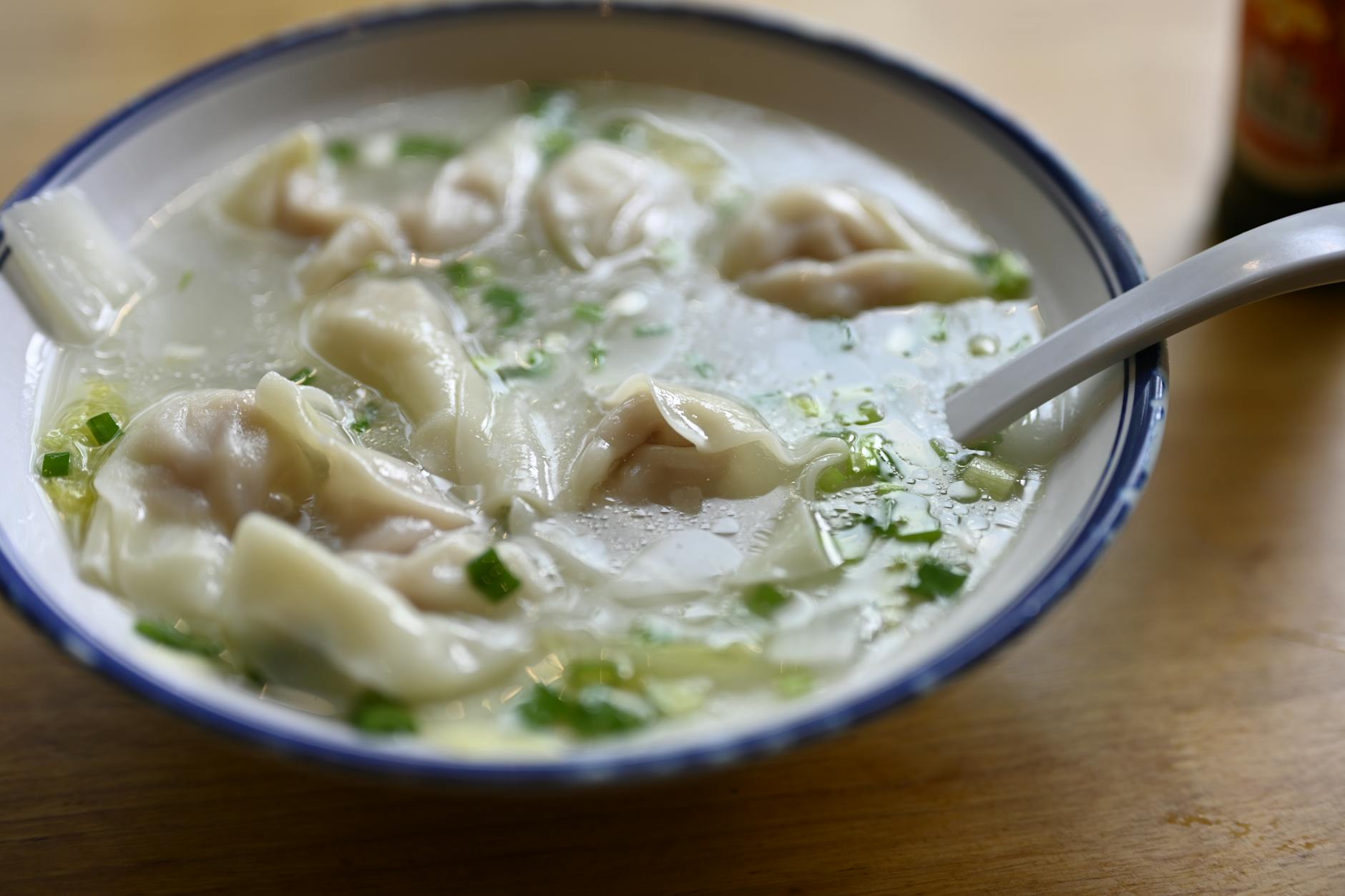
Many owners assume homemade bone broth or “cat-safe” broths are fine to share with their cats. While unseasoned, homemade broths made purely from bones and water with no added salt or seasonings can be given in small amounts, the problem is that most broths prepared for human consumption include garlic, onions, or salt. Even store-bought “no salt added” broths often contain cellular content from vegetables used in the simmering process, including potential onion and garlic fragments. A major limitation of relying on broths is that you can’t always verify the exact preparation method, especially with broths served at restaurants or made by houseguests.
Some pet food companies market “broth supplements” or “bone broth treats” specifically formulated for cats, with no dangerous seasonings. These products are distinct from human-consumption broths and are safe options if you want to offer your cat a broth. If you’re interested in supplementing your cat’s diet with broth, always purchase products specifically labeled for feline consumption rather than sharing from your own pot. The warning here is straightforward: human broths, even those that seem mild or healthy, frequently contain ingredients that pose a real risk to cats.
Soup Alternatives and Safe Options for Your Cat
If you enjoy sharing food with your cat and want to offer them something broth-like, plain cooked chicken (no skin, bones, or seasoning) mixed with a small amount of water creates a safe “soup” that mimics the appeal without the risks. Some cats also enjoy very diluted tuna water (from canned tuna in water, not oil) as an occasional treat. These alternatives provide the flavor and moisture that attracts cats to soup bowls without introducing toxins.
A specific example: one cat owner who wanted to share meals with their senior cat switched to offering small portions of plain boiled chicken and low-sodium vegetable broth designed for feline use, eliminating the worry entirely. Commercial cat broths and bone broths made specifically for pets offer another safe option if you want to provide something more “soup-like.” These products are formulated without onions, garlic, excessive salt, or other harmful additives. They’re available at most pet supply stores and online retailers.
Teaching Guests and Family Members About Soup Safety
One of the most overlooked aspects of keeping cats safe from soup exposure is communicating expectations to other people in your home or visiting your home. Children, guests, and even casual housesitters may not understand that offering a cat a taste of their soup can cause harm. A forward-looking approach is establishing a clear household rule: no sharing soup or other human foods with cats, period.
This eliminates the gray area where someone thinks they’re being kind by offering the cat a lick. As awareness of pet food safety grows, more people are recognizing that many traditional “safe” human foods carry hidden risks for cats. The shift toward species-appropriate feeding is gradually changing how households approach sharing meals with pets. Future cat care recommendations will likely emphasize even stronger boundaries between human food and feline diets, particularly as we better understand cumulative toxin exposure and long-term health impacts.
Conclusion
In summary, most soups are unsafe for cats because of ingredients like onions, garlic, salt, and various spices that can damage their health. While a single small exposure to a mild soup might not cause immediate harm, the cumulative risk and the presence of highly toxic ingredients in common soups mean that the safest approach is prevention—simply not allowing cats access to soup bowls. The occasional lick from a completely unseasoned, no-salt broth is likely harmless, but soups prepared for human consumption are not suitable for feline consumption.
Your next step should be reviewing which soups and broths your cat might have access to at home and removing that temptation. If your cat has already consumed soup and shows any signs of illness, contact your veterinarian immediately. For ongoing enrichment and food bonding with your cat, invest in cat-specific broths or simple cooked chicken without seasonings. This approach eliminates the worry and ensures your cat stays healthy.
Frequently Asked Questions
My cat licked one soup bowl one time. Will they get sick?
Probably not from a single exposure to a mild soup. If it was unseasoned broth, the risk is minimal. However, if the soup contained significant amounts of garlic, onion, or xylitol, contact your vet or poison control to be safe. Watch for vomiting, diarrhea, or lethargy over the next 24-48 hours.
Is homemade chicken soup safe for cats?
Only if it’s made with plain chicken and water—no onions, garlic, salt, or seasonings. Most homemade soups prepared for humans contain at least some of these ingredients, making them unsafe for cats. When in doubt, don’t share it.
Can cats drink bone broth?
Only if it’s a commercial product formulated specifically for cats, or homemade broth made with absolutely no seasonings, salt, or vegetables like onions and garlic. Human-grade bone broth typically contains ingredients unsafe for feline consumption.
What are the signs my cat was poisoned by soup ingredients?
Vomiting, diarrhea, loss of appetite, lethargy, pale gums, or difficulty breathing within 6-48 hours of exposure. Some symptoms develop slowly over days. Contact your vet if you notice any of these signs after your cat has consumed soup.
How long does it take for soup toxins to affect a cat?
Gastrointestinal effects like vomiting usually appear within 6-12 hours. Systemic effects like anemia from onion or garlic exposure develop over 24-72 hours, though the damage begins immediately upon ingestion.
Should I call poison control if my cat licked a soup bowl?
Call if you know the soup contained onions, garlic, xylitol, or other confirmed toxins, or if you’re unsure of the ingredients. The ASPCA Animal Poison Control Center is 888-426-4435. They can quickly assess risk based on your cat’s weight and soup details.