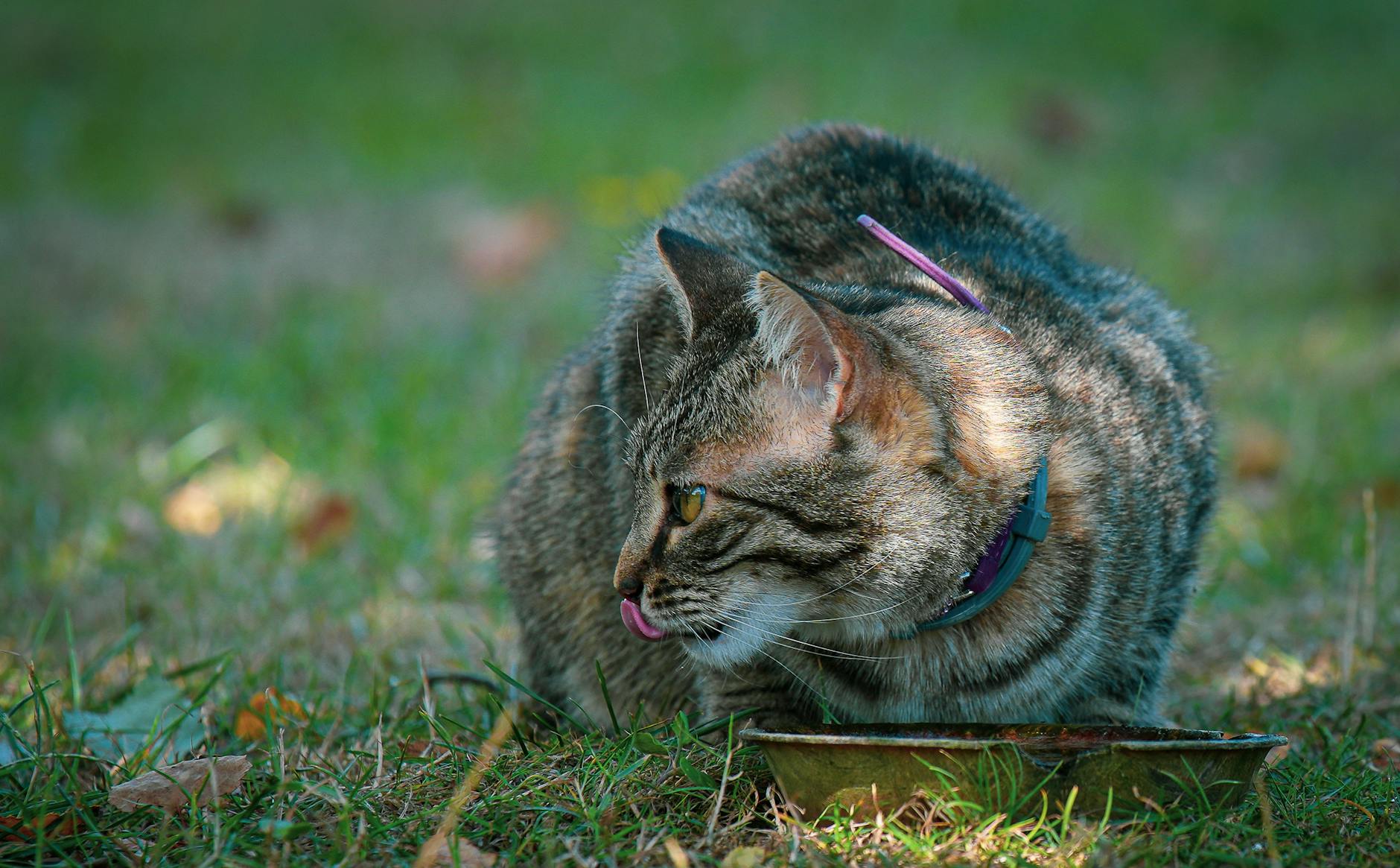
Yes, it is safe for cats to lick a small amount of mayonnaise from a plate—a single lick will not poison your cat or cause serious health complications. However, mayonnaise should never become a regular part of your cat’s diet, and allowing repeated access to mayo-covered plates can create behavioral and health problems down the line. Most accidental exposures to mayonnaise are not emergencies, but understanding the risks helps you make informed decisions about plate safety and your cat’s long-term wellbeing.
The concern isn’t that mayonnaise is acutely toxic to cats like chocolate or xylitol. Rather, mayonnaise presents a constellation of subtle but real health risks: its extremely high fat content, lack of nutritional value, potential to upset the digestive system, and tendency to create strong taste preferences that encourage cats to seek human food. Imagine your cat licking a mayo-covered plate after lunch—no immediate harm occurs, but if this becomes a pattern, the cumulative effect on your cat’s weight and health can be significant.
Table of Contents
- What Happens When Cats Lick Mayonnaise?
- Fat Content and Digestive Concerns
- The Hidden Danger: Building Bad Habits
- How to Protect Your Cat From Mayonnaise
- Recognizing Signs of Mayonnaise Ingestion
- Nutritional Value and Cat Dietary Needs
- Beyond Mayonnaise: Other Common Plate Foods
- Conclusion
What Happens When Cats Lick Mayonnaise?
When a cat licks mayonnaise from a plate, the primary concern is not acute poisoning but rather the food’s composition and how it affects your cat’s body. Mayonnaise is an emulsion of oil and eggs, and while neither ingredient is toxic to cats, the sheer concentration of fat makes it problematic. A single lick or small taste will pass through your cat’s system without causing visible problems in most cases, but this doesn’t mean it’s harmless to repeat.
The absence of toxicity is different from safety. Your cat’s digestive system is adapted for processing proteins and moderate amounts of fat from prey-like food sources, not from an ultra-caloric condiment designed for human palates. One lick may cause no reaction at all, or your cat might experience mild stomach upset that resolves within hours. The risk increases dramatically with quantity and frequency—the difference between an occasional accident and a cat who regularly intercepts mayo-covered plates at dinnertime.
Fat Content and Digestive Concerns
Mayonnaise is approximately 80 percent fat, making it one of the most calorie-dense foods your cat might encounter in a household setting. To put this in perspective, a single tablespoon of mayonnaise contains roughly 100 calories and 11 grams of fat—a significant portion of many cats’ daily caloric needs in a minuscule amount of food. This extreme fat concentration is the core reason veterinarians caution against mayonnaise, regardless of the absence of toxic compounds.
Large amounts of mayonnaise can trigger gastrointestinal upset with visible symptoms: nausea (shown through excessive lip licking or drooling), vomiting, and diarrhea. Even moderate amounts consumed regularly can irritate the digestive system over time. This is not a case where “a little bit can’t hurt”—even small repeated exposures bypass your cat’s digestive tolerance thresholds. The limitation here is that we can’t precisely predict how much mayonnaise a particular cat can tolerate; individual sensitivity varies, and a cat who shows no signs from one incident might develop symptoms from repeated small exposures.
The Hidden Danger: Building Bad Habits
The most insidious risk of allowing your cat to lick mayonnaise-covered plates is behavioral and metabolic. Cats develop strong taste preferences, and exposure to highly palatable foods like mayo can create a lasting desire for human condiments. If your cat successfully begs for or steals mayo-covered plates on multiple occasions, you’re not just risking one episode of digestive upset—you’re training your cat to actively seek this food and establishing a preference that can persist for years.
This taste preference problem becomes compounded when combined with obesity. Regular exposure to mayonnaise and similar high-fat human foods contributes directly to weight gain in cats, and feline obesity is linked to serious health consequences including diabetes, joint disease, liver disease, and shortened lifespan. A cat who licks mayo-covered plates weekly faces a different risk profile than one who had a single accidental exposure. The downside is that obesity develops gradually and often goes unnoticed until it becomes severe, making prevention through limiting access far easier than management through diet later.

How to Protect Your Cat From Mayonnaise
The most straightforward protection is preventing access to mayo-covered plates in the first place. This means rinsing plates immediately after eating rather than leaving them on low tables or counters, loading the dishwasher promptly, and being mindful during meals when cats are present. If your cat has shown interest in human food or has successfully stolen from plates before, you may need to wash plates right after eating rather than waiting until a full load accumulates. When accidents happen—and they inevitably do in multi-cat households—the comparison to other common foods is instructive.
A single lick of mayo is far less concerning than accidental exposure to onions, garlic, or chocolate. If your cat has licked a mayo-covered plate, monitor for signs of digestive upset over the next 12-24 hours. Mild appetite changes or softer stools are not uncommon but typically resolve without intervention. You only need to contact your veterinarian if your cat shows repeated vomiting, persistent diarrhea, or signs of abdominal pain. In most cases, a single accidental exposure requires no veterinary intervention at all.
Recognizing Signs of Mayonnaise Ingestion
If your cat has consumed more than a small lick of mayonnaise, watch carefully for digestive symptoms. Nausea often appears first and may be subtle—excessive lip licking, drooling, or reluctance to eat their regular food. Vomiting can occur within a few hours or may be delayed until the next meal.
Diarrhea typically develops within 6-12 hours and may persist for 24-48 hours as the digestive system processes the fatty meal. The limitation in recognizing these symptoms is that they’re non-specific—the same signs appear in cats with many different digestive issues, so you can’t definitively link them to mayonnaise consumption without knowing exposure occurred. However, the timeline is informative: if symptoms appear within hours of a known mayo exposure and resolve within 48 hours without other signs of illness, the mayonnaise is likely the culprit. Contact your veterinarian if symptoms persist beyond 48 hours, if your cat shows signs of abdominal pain, or if they refuse to eat their regular meals for more than one feeding.
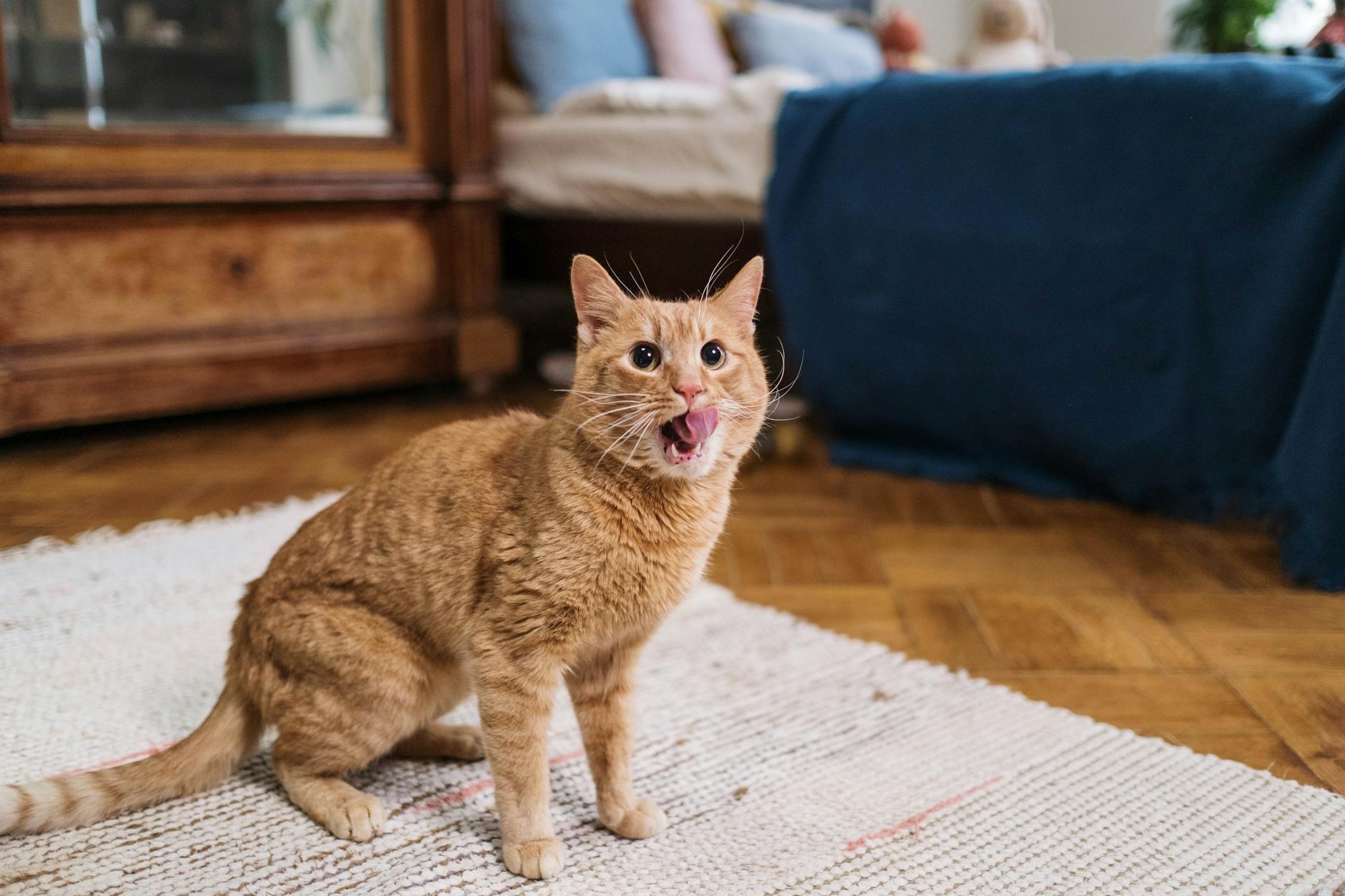
Nutritional Value and Cat Dietary Needs
Mayonnaise provides zero nutritional benefit to cats. It contains no essential amino acids, taurine, vitamins, or minerals that cats require. The only thing mayonnaise offers is calories and fat—both things your cat likely receives in adequate or excessive amounts already. Compare this to a piece of plain chicken or cooked fish, which provides high-quality protein and actual nutritional value, and the contrast is stark.
This makes mayonnaise fall into the category of “empty calories,” the worst possible type of accidental food for a companion animal. Your cat’s nutritional needs are met through a complete and balanced commercial diet formulated specifically for feline metabolism. These diets are engineered with precise ratios of protein, fat, and micronutrients optimized for cats. Every calorie of mayonnaise displaces opportunity for actual nutrition, and if mayo becomes a regular part of your cat’s intake, it chips away at their overall nutritional status while increasing their calorie load. This is why veterinarians are more concerned about frequency than isolated incidents—occasional licks are harmless, but regular access to mayo represents a dietary liability.
Beyond Mayonnaise: Other Common Plate Foods
Mayonnaise is far from the only human food that ends up on cats’ whiskers at dinnertime. Many common condiments and kitchen foods pose different risks, and understanding the spectrum helps you make better decisions across the board. Oils in general, butter, sour cream, and other high-fat condiments carry similar fat-related concerns. Foods containing garlic, onions, or excessive salt carry more serious toxicity risks than mayonnaise does, making them genuinely dangerous rather than merely inadvisable.
Moving forward, the safest approach is to treat all human food as off-limits for cats unless specifically approved by your veterinarian. This doesn’t require paranoia—a single lick of almost any human food is unlikely to cause harm. But building household patterns where plates are promptly cleaned, leftover food is secured, and cats don’t have regular opportunity to sample human meals prevents both acute accidents and the behavioral problems that come from rewarding cats for begging at the table. The broader lesson is that when cats have reliable access to human food, they’re being set up to make poor food choices for the rest of their lives.
Conclusion
A single lick of mayonnaise will not harm your cat, and you don’t need to panic if your cat sneaks a taste from a plate. However, mayonnaise should never be offered intentionally or allowed as a regular part of your cat’s diet. The high fat content, lack of nutritional value, potential to cause digestive upset, and risk of developing problematic taste preferences all argue against repeated exposure.
The best approach is straightforward: prevent access through good kitchen habits, don’t panic if accidental exposure occurs, and monitor for mild digestive symptoms that typically resolve without intervention. If you’re concerned about your cat’s weight, diet, or eating behaviors, your veterinarian can provide personalized guidance. For routine questions about whether specific foods are safe for cats, ask your vet before offering them—it’s far easier to maintain good dietary boundaries proactively than to manage the health consequences of poor food choices over years.