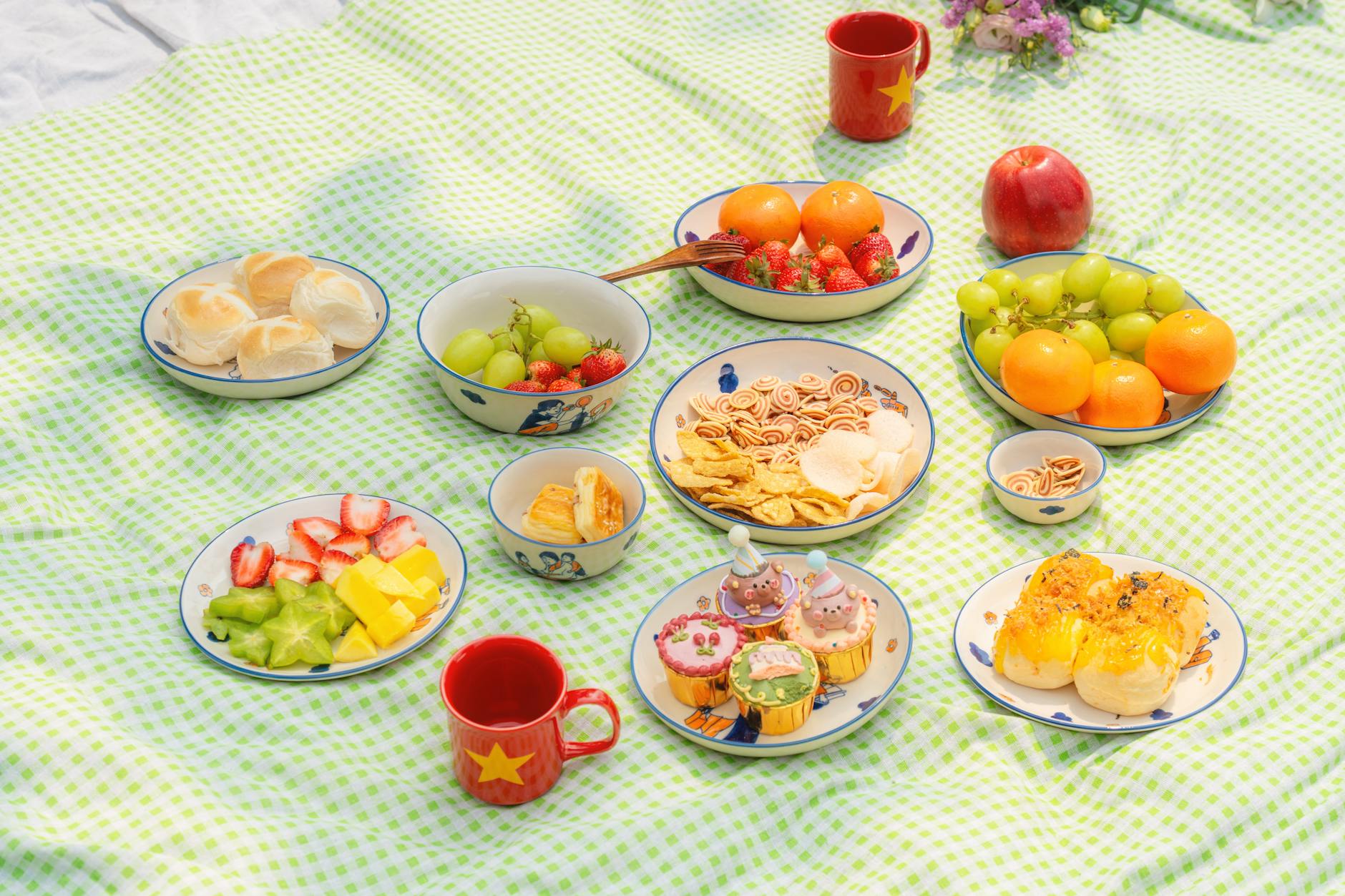
Yes, it is safe to share dishware with your cat after washing with soap, but only if you rinse the dishes thoroughly to remove all soap residue. When dish soap isn’t completely rinsed away, cats that lick or eat from the bowl can ingest residual chemicals that may cause stomach upset. The key safety factor is understanding that while a properly rinsed dish poses no risk, incomplete rinsing can lead to problems ranging from minor discomfort to more serious digestive upset. For example, if you wash your cat’s bowl with the same dish soap you use for dinner plates and rinse it just once under running water, some soap residue will likely remain.
If your cat licks that bowl, they might experience drooling, nausea, or mild vomiting. However, if you rinse the same bowl multiple times until there’s no soapy film visible and no slippery feeling when you touch the surface, your cat can safely use it without concern. Many cat owners worry about this issue because they want to maintain cleanliness while keeping their feline companions healthy. The good news is that with proper rinsing technique, you don’t need to maintain separate dishware or invest in special cleaning products just for your cat.
Table of Contents
- Can Dish Soap Residue Make Your Cat Sick?
- Why Rinsing Matters: The Critical Safety Factor
- Soap Types and Safety: Is Dawn Better Than Other Brands?
- How to Safely Wash Shared Dishware: A Step-by-Step Approach
- Common Mistakes That Put Your Cat at Risk
- Natural Alternatives to Commercial Dish Soap
- Best Practices for Creating a Safe Feeding Routine
- Conclusion
Can Dish Soap Residue Make Your Cat Sick?
Dish soap residue can absolutely be toxic to cats if ingested in sufficient amounts. When a cat’s digestive system encounters soap particles, it may trigger various symptoms including drooling, nausea, vomiting, and diarrhea. The severity depends on how much residue is present and your individual cat’s sensitivity to chemical irritants. Some cats are more prone to digestive upset than others, similar to how certain people have sensitive stomachs. To put this in perspective, consider a bowl that was washed in dish soap and rinsed once.
A cat licking that bowl repeatedly over several minutes could ingest a meaningful quantity of soap residue. In contrast, a bowl that receives thorough rinsing—where you run water over it multiple times, rubbing the surface with your fingers to ensure no soapy film remains—poses virtually no risk because the residual amount is negligible. The important distinction is that dish soap itself isn’t inherently dangerous to cats when used in your home cleaning routine. Rather, it becomes a concern only when residue is left on surfaces your cat contacts regularly. This is why rinsing becomes the critical factor in determining whether sharing dishware is safe.
Why Rinsing Matters: The Critical Safety Factor
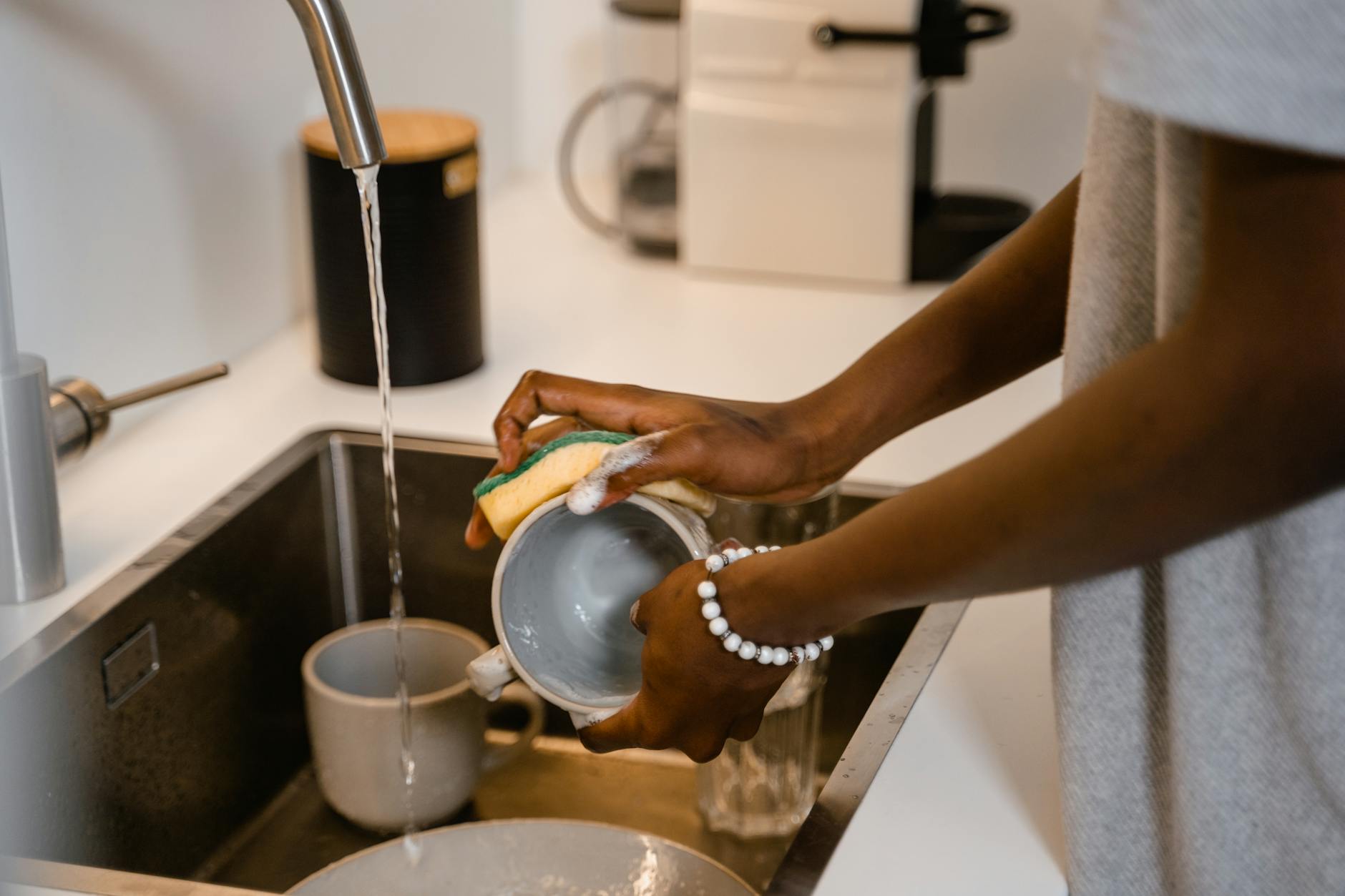
Thorough rinsing under running water is genuinely the most important step in making shared dishware safe for your cat. A single rinse is simply not sufficient to remove all soap molecules from a bowl’s surface. Professional guidelines recommend multiple passes under running water, rubbing the dish with your hands each time to dislodge soap residue from the ceramic, plastic, or stainless steel surface. The challenge with rinsing is that soap film isn’t always visible to the naked eye, even after what feels like adequate rinsing. You might rinse a bowl and see no visible soapy water, yet microscopic residue remains on the surface.
This is a limitation many cat owners don’t realize—you can’t always see when a dish is truly soap-free. A reliable approach is to rinse until the water runs completely clear, then rinse at least two or three more times. If you rub your fingers on the dish and it feels slippery at all, more rinsing is needed. Your best defense is to make rinsing automatic and thorough in your routine. Don’t rush the process or assume one rinse is enough. Treat your cat’s dishware rinsing with the same care you’d use if you were preparing food for a human family member with a severe cleaning product allergy.
Soap Types and Safety: Is Dawn Better Than Other Brands?
Dawn dish soap has earned a particular reputation for safety, even being used by wildlife rescue organizations during oil spill cleanups because it’s gentle enough to use on animals and their skin. This mild formulation makes it a reasonable choice for washing cat dishes if you’re concerned about soap brand specifically. However, the brand of soap matters far less than your rinsing technique—even mild soaps like Dawn can leave residue that causes digestive upset if not rinsed away completely. Some cat owners specifically choose Dawn because of its reputation for gentleness and the reassurance that wildlife experts trust it.
While this confidence is understandable, it shouldn’t create complacency about rinsing. A generic, less expensive dish soap that’s thoroughly rinsed is safer for your cat than premium or branded soap that’s only partially rinsed. The protection isn’t in the product itself but in the removal process that follows. If you’re particularly worried about soap residue despite good rinsing habits, this concern is worth taking seriously even though it may be beyond what’s necessary. Some cat owners have found this worry-free approach helpful: they designate one specific bowl just for their cat and wash it with the same careful rinsing standard they’d use for baby bottles.

How to Safely Wash Shared Dishware: A Step-by-Step Approach
The safest approach to washing shared dishware involves using minimal soap and rinsing thoroughly. Start by using just a small amount of dish soap on your sponge or cloth—you don’t need much to get dishes clean. Wash the bowl thoroughly with this small amount, then begin rinsing. Run warm water over the dish while rubbing it with your fingers to break up any soap film. Continue rinsing for at least 30 seconds with a steady stream of water, then stop and feel the surface. If it still feels slippery or looks shiny, continue rinsing another 30 seconds or more.
A practical comparison: washing a dish you’ll eat from yourself might involve one or two rinses because your stomach can handle minor soap residue. Washing a cat’s dish should involve three to four thorough rinses because cats are smaller and their digestive systems are less equipped to handle chemical irritants. Some cat owners find it helpful to rinse, then repeat the entire process (apply water, rub, rinse again) a second time to ensure complete removal. The tradeoff of this approach is that it takes slightly more water and time than standard dishwashing. However, the investment of an extra minute prevents the possibility of your cat experiencing digestive upset. For most cat owners, this minor inconvenience is more than worthwhile for the peace of mind and your cat’s health.
Common Mistakes That Put Your Cat at Risk
One of the most common mistakes is assuming that because you rinsed the dish in soapy dishwater during the wash cycle, you’ve adequately rinsed it. Many dishwasher-rinsed dishes still contain soap residue because the rinse cycle in dishwashers isn’t always as thorough as hand rinsing under running water. If you use a dishwasher for cat dishes, run an additional hand rinse afterward, or better yet, hand wash cat dishes exclusively using the method described above. Another significant mistake is rinsing quickly while thinking about something else, which leads to inadequate rinsing time and incomplete removal of soap.
Cats eating from a bowl rinsed in this distracted manner might experience vomiting or diarrhea within a few hours of eating or drinking from the dish. This is particularly problematic because owners may not immediately connect the digestive upset to the dish itself, leading them to repeat the problem. A third common error is using too much dish soap initially, which means more residue to rinse away and a higher likelihood that some will remain no matter how thoroughly you rinse. Using a tiny squirt of soap instead of a generous amount cuts your risk significantly and makes thorough rinsing more achievable.
Natural Alternatives to Commercial Dish Soap
If you want to avoid commercial dish soap entirely, natural alternatives are genuinely effective for cleaning cat dishes. An equal-parts mixture of white vinegar and water creates a cleaning solution that cuts through grease and food residue without leaving chemical residue. Vinegar’s strong smell dissipates within minutes as it dries, leaving no trace on the dish. This approach requires no rinsing beyond a quick water rinse to remove the vinegar solution itself.
Baking soda paste offers another option: mix baking soda with a small amount of water to create a paste, scrub the bowl with it, then rinse thoroughly. Baking soda is a mild abrasive that cleans effectively without chemical formulations. Both of these alternatives eliminate the worry about soap residue entirely, though they may require slightly more physical scrubbing than dish soap for heavily soiled bowls. Many cat owners find these natural methods particularly reassuring because they eliminate the guesswork about rinsing adequacy. If you’ve tried thorough rinsing but still feel anxious about soap residue, trying vinegar or baking soda solution might provide the peace of mind and the certainty that your cat’s dishes are completely chemical-free.
Best Practices for Creating a Safe Feeding Routine
Moving forward, the safest approach combines awareness of why rinsing matters with consistent technique. Make rinsing cat dishware part of your standard routine with a specific mental note: “cat dish gets triple rinse.” This simple phrase can help you maintain the discipline needed to consistently rinse thoroughly rather than defaulting to whatever pace you use for your own dishes. Consider keeping your cat’s dish in a specific location or color to make it distinct from your own dishware.
This visual reminder helps you remember to apply your careful rinsing standard to that dish every single time it’s washed. By establishing this habit now, you’re building a safety system that requires no additional effort or expense, just intentionality and consistency. Your cat depends on you to maintain this care during a task—dishwashing—that happens multiple times per week, making it one of the most frequent opportunities to prioritize their health.
Conclusion
Sharing dishware with your cat is entirely safe when you understand the true safety requirement: thorough rinsing to remove all soap residue. This isn’t a situation where you need to buy special dishes, use different soaps, or dramatically change your cleaning habits. It’s about applying proper technique to the rinsing process and maintaining consistency. The minimal extra effort of multiple rinses under running water stands between your cat’s digestive health and potential upset.
Take this knowledge as reassurance rather than cause for worry. Thousands of cat owners successfully share dishware with their cats every day by following these straightforward principles. Your awareness of the importance of thorough rinsing already puts you ahead in keeping your cat safe. Moving forward, prioritize rinsing every time you wash your cat’s dishes, and you can confidently provide clean, safe dishware without needing to complicate your routine unnecessarily.