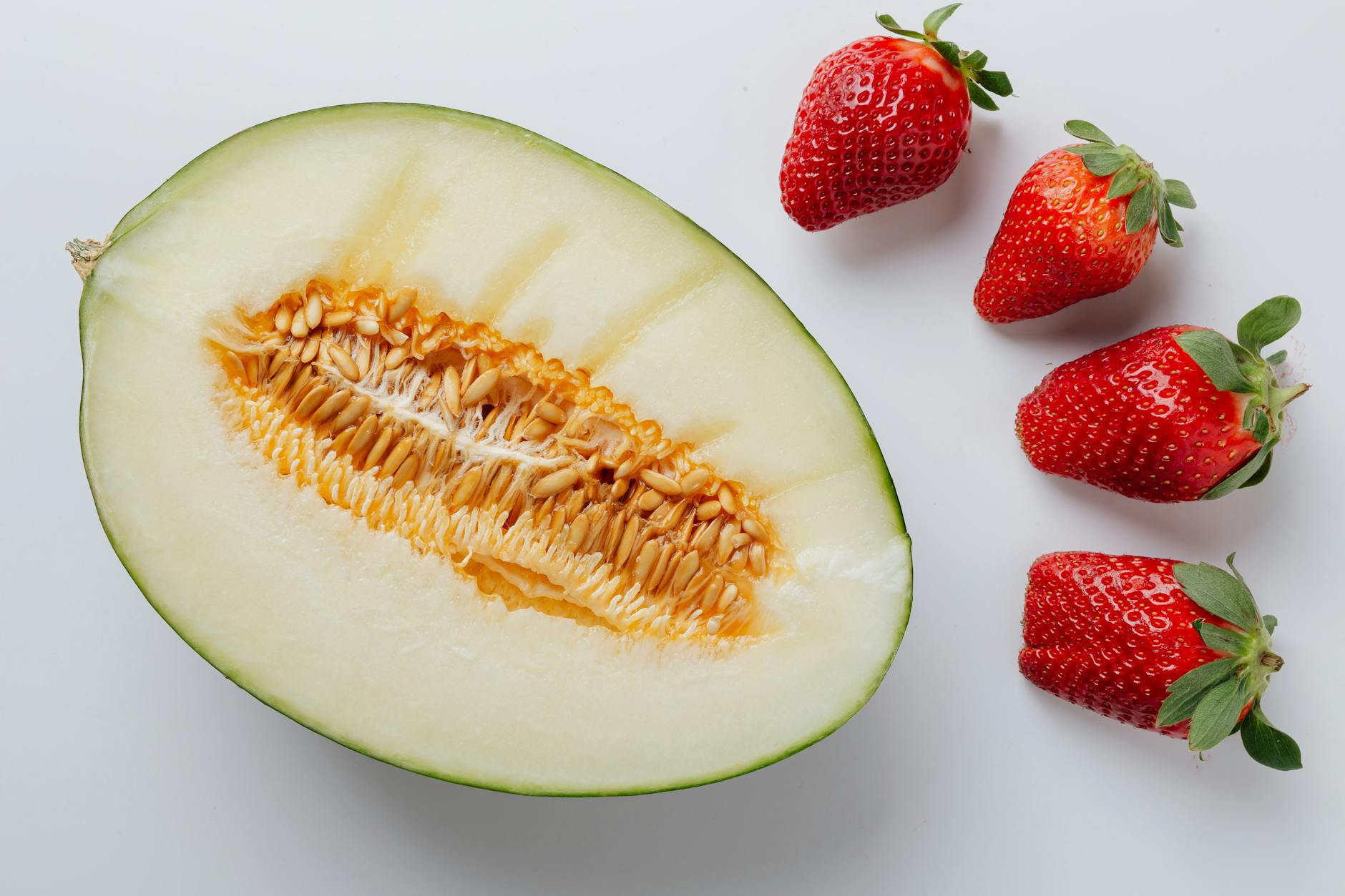
Yes, it is safe for cats to eat small amounts of honeydew melon, provided it’s prepared properly and offered only occasionally. The flesh of ripe honeydew melon contains no toxic compounds that would poison your cat, and in moderation, it can even provide hydration and minor nutritional benefits. However, honeydew should never become a regular part of your cat’s diet, and there are several important preparation rules you need to follow.
For example, if your cat takes a small lick or eats a one-inch cube of peeled, seedless honeydew on a hot summer day, there’s no cause for concern, but feeding your cat honeydew regularly or in large quantities could create digestive problems or nutritional imbalances. The key distinction is between “safe to eat” and “appropriate as food.” Most cats show little interest in honeydew melon anyway, since their taste receptors are wired differently than ours, and they lack taste buds for sweetness. Your cat’s nutritional needs are entirely different from yours, built around meat proteins and specific amino acids like taurine. While a small taste of honeydew won’t harm your cat, it offers virtually nothing that your cat needs nutritionally.
Table of Contents
- Can Cats Safely Consume Honeydew Melon Without Toxicity?
- Honeydew’s Nutritional Profile and Why It Doesn’t Benefit Cats
- Digestive Reactions and Stomach Sensitivity in Cats
- Safe Preparation and Portion Control for Cats
- Risks Associated with Choking, Blockage, and Allergic Reactions
- Honeydew as a Treat Compared to Cat-Appropriate Alternatives
- The Broader Picture of Feline Nutrition and Treat Philosophy
- Conclusion
Can Cats Safely Consume Honeydew Melon Without Toxicity?
Honeydew melon itself contains no substances toxic to cats. Unlike grapes and raisins, which can cause kidney damage in cats, or avocado, which contains persin that affects feline hearts, honeydew is not on any veterinary toxicity list. The melon’s flesh is roughly 90 percent water, with small amounts of natural sugars, fiber, and vitamins like vitamin C. None of these components are inherently dangerous to cats in the tiny quantities they might consume from eating a piece of melon. The real safety issue isn’t toxicity—it’s the parts of the melon your cat shouldn’t eat.
The seeds and rind pose different risks. Honeydew seeds are small enough that a cat could swallow them, though they’re unlikely to cause serious harm in small numbers. However, if your cat eats a significant amount of seeds, there’s a choking risk. The rind is harder and could cause intestinal blockage if eaten in larger pieces, or it could splinter and damage the mouth or digestive tract. A cat that chews on honeydew rind might develop mouth sores or irritation similar to what happens when a cat gnaws on rough plant material.
Honeydew’s Nutritional Profile and Why It Doesn’t Benefit Cats
Even though honeydew is safe, it has almost no nutritional value for your cat. Cats are obligate carnivores, meaning they evolved to derive all their essential nutrients from meat. Their digestive systems are optimized for breaking down and absorbing animal proteins, fats, and specific compounds like taurine that occur naturally in muscle tissue. Vitamins like C, which honeydew contains in modest amounts, are substances cats can synthesize themselves—they don’t need dietary sources the way humans do.
The water content of honeydew might seem hydrating, but this is actually a limitation rather than a benefit for cats. Cats naturally drink less water than many other animals and instead obtain much of their hydration from their prey. Offering water-rich foods like melon can create a false sense that your cat is staying hydrated when in reality they’re getting fluid without the nutrients their body requires. A cat that fills up on honeydew is a cat that’s not eating food with the taurine, arginine, and arachidonic acid they genuinely need.
Digestive Reactions and Stomach Sensitivity in Cats
Even small amounts of honeydew can trigger digestive upset in some cats. Cats have sensitive digestive systems that are adapted to process meat-based foods, and introducing fruits or vegetables can cause diarrhea, vomiting, or stomach cramping. Some cats handle a small taste without issue; others react immediately. There’s no way to predict your specific cat’s reaction without trying, which is why any introduction of a new food should be extremely cautious and in the smallest possible portion.
The sugar content of honeydew, while not extreme, can be another factor. A cup of honeydew chunks contains about 13 grams of natural sugars. For a cat eating primarily protein, consuming even this amount of sugar represents a significant shift in their diet’s composition. This can cause fermentation in the intestines, leading to gas, bloating, and uncomfortable digestion. Some cats that consume too much sugar-containing fruit can develop diarrhea that lasts for several hours or even a full day.

Safe Preparation and Portion Control for Cats
If you’ve decided to offer honeydew to your cat despite its lack of nutritional value, proper preparation is essential. First, wash the entire melon under running water to remove any pesticide residue or bacteria from the surface. Cut the melon in half, and scoop out all seeds completely using a spoon. Then cut a thin slice of the flesh—no rind—and cut that into very small cubes or a one-inch piece. This should be the absolute maximum amount you offer.
The difference between a safe taste and a dangerous amount is largely about portion size. A cat weighing 10 pounds should not consume more than a tablespoon of honeydew flesh. Compare this to a human eating the same food: a tablespoon for a 10-pound cat is proportionally equivalent to a human eating several cups of melon. Most cats don’t need this offering at all, and many owners find that their cats show zero interest once they see the melon is inedible. If your cat has never had honeydew and has no particular reason to try it—like overheating on a very hot day with no other water access—there’s simply no compelling reason to introduce it.
Risks Associated with Choking, Blockage, and Allergic Reactions
The choking hazard from honeydew seeds is real, particularly for kittens or cats that don’t chew their food thoroughly. A kitten playing with a piece of melon might swallow seeds without properly breaking them down. While honeydew seeds are not typically toxic, a blockage in the intestines from swallowing multiple seeds could become a surgical emergency. Signs of blockage include lethargy, repeated vomiting, refusal to eat, abdominal pain, and constipation.
Any of these symptoms in a cat that recently ate honeydew warrants immediate veterinary attention. Additionally, some cats may have sensitivities or mild allergies to honeydew, though this is uncommon. If your cat has a history of food sensitivities or a sensitive digestive system, introducing any new food—including honeydew—carries a higher risk. Always inform your veterinarian about any food your cat has eaten if unusual symptoms develop.
Honeydew as a Treat Compared to Cat-Appropriate Alternatives
If your goal is to offer your cat a hydrating treat on a hot day, there are far better options than honeydew. Plain, unsalted cooked chicken or turkey provides hydration, protein, and taurine. You could also offer a small amount of wet cat food, which contains natural moisture and is formulated for feline nutrition.
Plain, cooled broth (without onions, garlic, or excessive salt) is another hydrating option that cats find appetizing. If you’re specifically interested in giving your cat something to chew on for enrichment or to help with digestion, cat grass is a much more appropriate choice. It’s sold at most pet stores, is safe for cats, and many cats enjoy nibbling it. This provides the textural satisfaction and potential digestive benefits without the sugar content or nutritional imbalance of fruit.
The Broader Picture of Feline Nutrition and Treat Philosophy
The question of whether cats can eat honeydew is part of a broader understanding of how to keep your cat healthy. Pet nutrition trends often blur the line between human and animal nutrition, leading owners to believe that foods healthy for people are healthy for pets. This isn’t how feline biology works.
Your cat’s ancestor, the African wildcat, ate small mammals, birds, and insects—never honeydew, apples, or carrots. While cats can survive small amounts of these foods, they don’t contribute to health the way a quality meat-based diet does. As research in pet nutrition advances, veterinarians increasingly recommend keeping treats to less than 10 percent of a cat’s daily caloric intake, with the rest coming from complete and balanced commercial cat food or carefully formulated homemade diets. Honeydew and similar foods would count against that treat allowance while providing virtually no nutritional return.
Conclusion
Honeydew melon is not toxic to cats, making it technically safe in very small amounts, but that’s different from saying it’s good for your cat or that your cat should eat it. The melon offers minimal nutritional value for an obligate carnivore, can cause digestive upset, and carries minor risks of choking or intestinal irritation. If your cat has accidentally eaten a piece of honeydew and seems fine, there’s no reason to panic.
If you’re considering offering honeydew to your cat, understand that you’re giving your cat sugar and water instead of the nutrients they actually need. Focus your cat’s diet on high-quality cat food formulated for feline nutrition, reserve treats for species-appropriate options like cooked chicken or cat grass, and consult your veterinarian about any new foods before introducing them. Your cat’s health depends on meeting their specific nutritional needs, not on offering them a taste of your summer snack.