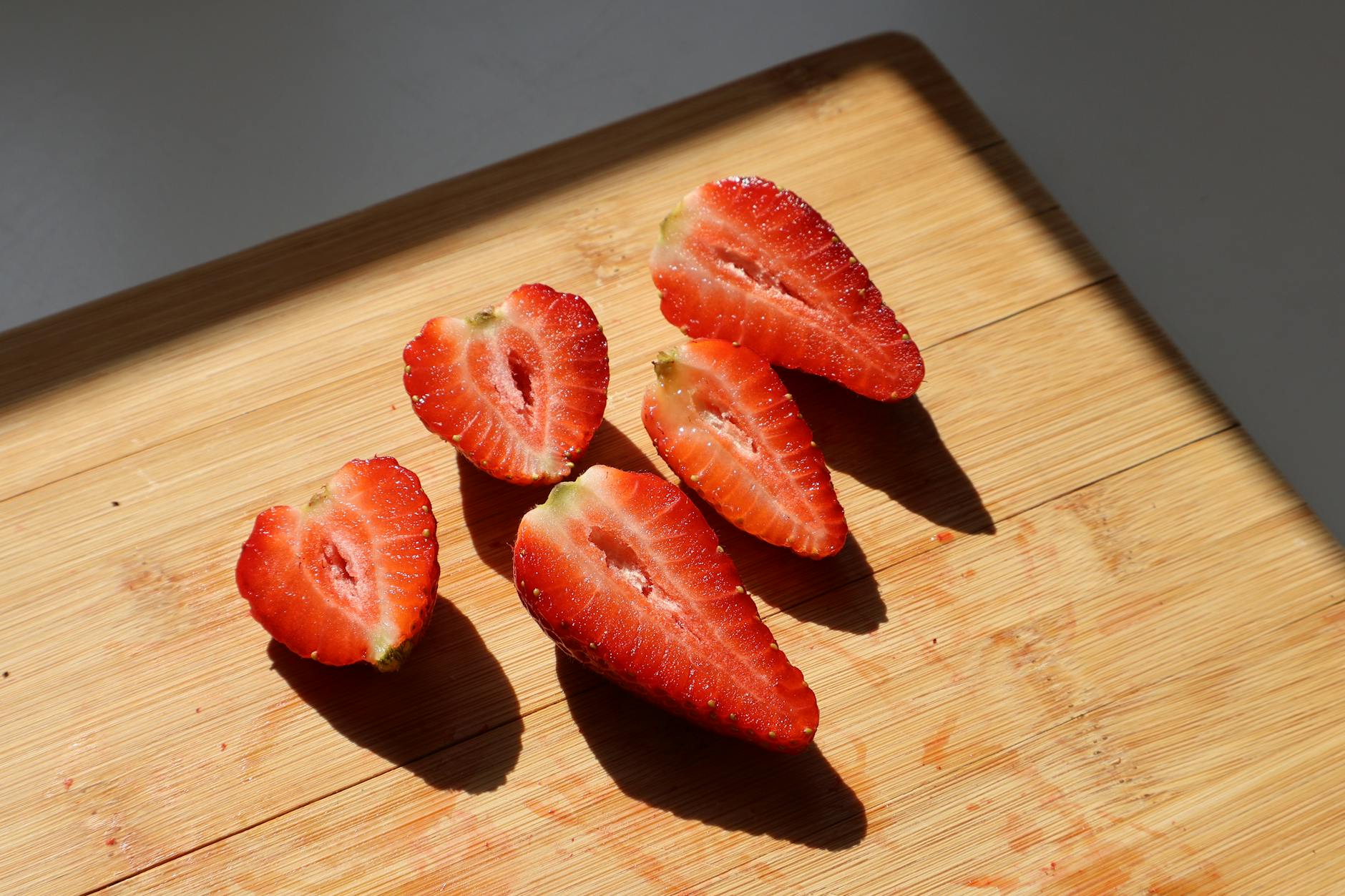
Yes, cats can eat strawberries, and they are generally safe for feline consumption when offered in moderation. Strawberries contain no toxic compounds for cats and can be a low-calorie treat option. However, most cats show little interest in strawberries due to their lack of the sweet taste receptor, making the fruit largely irrelevant to their dietary preferences and nutritional needs.
The key consideration is that while strawberries pose no toxicity risk, they should only be an occasional treat and never a dietary staple. A cat eating a small piece of strawberry once a week is unlikely to experience any negative effects, but regular consumption or large quantities could introduce unnecessary sugars into a diet designed for carnivores. Your indoor tabby nibbling on a strawberry slice during breakfast won’t require a trip to the veterinarian, but it’s important to understand why cats don’t actually benefit from the fruit nutritionally.
Table of Contents
- Do Cats Enjoy the Taste of Strawberries?
- Nutritional Content and Feline Dietary Requirements
- Potential Digestive Concerns and Sensitivity Issues
- Safe Ways to Offer Strawberries and Portion Control
- When to Avoid Strawberries Completely
- Pesticide and Food Safety Considerations
- Alternative Treat Options and Long-Term Dietary Strategy
- Conclusion
- Frequently Asked Questions
Do Cats Enjoy the Taste of Strawberries?
Most cats completely lack interest in strawberries, and this comes down to feline biology rather than personal preference. Cats are obligate carnivores with taste receptors specifically tuned to detect amino acids and proteins, not sweetness. Unlike humans and many other animals, cats cannot taste sweet flavors because they lack functional sweet taste receptors, meaning a strawberry offers them no sensory reward that their tongue recognizes as desirable.
When a cat does interact with a strawberry, any interest typically stems from texture, temperature, or simply curiosity about a novel object rather than the taste itself. Some cats may lick or nibble at strawberry pieces placed in front of them, but this exploratory behavior is fundamentally different from actually enjoying the fruit. Comparing this to a cat’s reaction to tuna or chicken—where they show genuine enthusiasm and attempt to consume large portions—reveals just how little strawberries actually appeal to feline taste preferences.
Nutritional Content and Feline Dietary Requirements
Strawberries consist primarily of water (about 91 percent) and carbohydrates, with minimal protein and no significant nutritional components that benefit cats. A cat’s digestive system evolved over thousands of years to process meat-based diets rich in taurine, arginine, and other amino acids that strawberries simply cannot provide. While the fruit is low in calories and contains vitamin C and fiber, cats synthesize their own vitamin C and obtain fiber from their natural prey, making strawberry supplementation unnecessary.
The limitation here is that treats like strawberries add calories without nutritional benefit for felines. A single strawberry contains approximately 1 calorie, but a cat’s daily caloric needs typically range from 150 to 200 calories depending on age and activity level. Even small treats can account for 10 percent of a cat’s daily intake, and treats should ideally constitute no more than 10 percent of total daily calories. Regular strawberry consumption could displace more nutrient-dense foods from a cat’s diet, potentially leading to deficiencies in essential amino acids and vitamins.
Potential Digestive Concerns and Sensitivity Issues
While strawberries are not toxic, some individual cats may experience mild digestive upset from the fruit’s natural sugars and fiber content. Cats with sensitive digestive systems or those not accustomed to plant-based foods may develop soft stools or temporary diarrhea after consuming strawberries. For example, a rescue cat transitioning to a new home and being offered strawberry pieces might experience gastrointestinal distress not because of toxicity but because their digestive tract hasn’t encountered significant plant material before.
The seeds present in strawberries are also non-toxic but could theoretically cause minor issues for cats with very sensitive guts, though this remains rare. most cats who consume a small amount of strawberry experience no adverse effects, but older cats or those with underlying gastrointestinal conditions should avoid the fruit altogether. If you decide to offer strawberries to a new cat, start with an extremely small piece and observe your cat’s digestive health over the next 24 hours before offering more.

Safe Ways to Offer Strawberries and Portion Control
If you choose to offer strawberries to your cat, proper preparation and portion control are essential. Remove the green leafy top, which poses a choking hazard and provides no nutritional benefit, then cut the strawberry into small, bite-sized pieces no larger than a pea. Some veterinarians recommend freezing small strawberry pieces as occasional treats on hot days, as the cold texture may appeal to more cats than room-temperature fruit. The tradeoff between offering strawberries and other treat options becomes clear when comparing nutritional value.
A single cooked chicken breast provides complete amino acids and taurine; a single sardine offers omega-3 fatty acids and thiamine. These foods align with a cat’s evolutionary dietary needs, whereas strawberries represent empty calories. If your cat shows any interest in the fruit, it’s worth questioning whether there are more beneficial treat options available. Never offer more than a quarter of a small strawberry per week, and only to adult cats with healthy digestive systems.
When to Avoid Strawberries Completely
Certain cats should never be offered strawberries under any circumstances. Kittens under one year old are still developing their digestive systems and should stick to kitten-formulated foods and mother’s milk or appropriate substitutes; introducing plant matter could disrupt their critical early growth phase. Senior cats over 15 years old, cats with diabetes, and cats with digestive diseases like inflammatory bowel disease should avoid strawberries entirely, as their systems cannot efficiently process the sugars and fiber.
Additionally, any cat currently receiving treatment for urinary tract infections, kidney disease, or other chronic conditions should not be given strawberries without explicit veterinary approval. The warning here is critical: never assume that a food safe for healthy human children or healthy adult cats is automatically appropriate for your individual cat. Always consult your veterinarian before introducing any new food, including strawberries, especially if your cat has any diagnosed health condition or is taking medications.

Pesticide and Food Safety Considerations
Commercial strawberries grown using conventional farming methods may carry pesticide residue, which poses a concern when offering them to cats. Organic strawberries eliminate this risk, but the benefit is minimal given that strawberries provide no nutritional value to felines anyway.
If you do choose to offer strawberries, wash them thoroughly under running water and consider purchasing organic varieties when possible. The practical reality is that the effort to source and prepare pesticide-free strawberries for a cat that neither needs nor particularly wants them is disproportionate. A cat that ingests a small piece of conventionally grown strawberry is unlikely to experience pesticide-related health effects, but establishing a pattern of offering any prepared human food introduces complexity that experienced cat owners typically avoid.
Alternative Treat Options and Long-Term Dietary Strategy
Rather than strawberries, consider feline-appropriate treats that align with your cat’s carnivorous nature and nutritional requirements. Cooked chicken, turkey, or beef in small portions; commercial freeze-dried meat treats; and specialized feline treat formulations all provide genuine nutritional benefit.
These alternatives address the same impulse—offering your cat something special—while supporting rather than detracting from their health. The landscape of pet nutrition continues evolving, with increased research into feline dietary needs revealing that cats thrive best on minimal processed foods and maximum protein intake. As pet owners become more educated about species-appropriate nutrition, the appeal of offering fruits and vegetables to cats diminishes in favor of whole, meat-based options that genuinely serve feline health goals.
Conclusion
Strawberries are safe for cats to eat in very small quantities, but they offer no nutritional benefit and most cats show no interest in consuming them anyway. The question of whether cats can eat strawberries is ultimately less important than whether they should, and the answer to that second question is generally no—there are simply better ways to offer your cat treats that align with their biology and dietary needs.
If your cat has somehow developed an unusual interest in strawberries, offering a tiny piece occasionally poses no health risk. However, investing your effort in this area is unnecessary when so many other treats are available that cats actually benefit from nutritionally. Focus instead on understanding your individual cat’s dietary requirements and consulting your veterinarian about species-appropriate treat options.
Frequently Asked Questions
Can kittens eat strawberries?
No, kittens should not be offered strawberries. Their digestive systems are still developing and require nutrient-dense foods specifically formulated for growth. Solid foods other than kitten formula should wait until at least four weeks of age, and even then, only age-appropriate kitten foods should be introduced.
Are strawberry leaves toxic to cats?
No, strawberry leaves are not toxic, but they should be removed before offering any strawberry to a cat. The leaves pose a choking hazard and provide no benefit, so there’s no reason to include them.
What should I do if my cat eats a large amount of strawberries?
Monitor your cat for signs of digestive upset over the next 24 to 48 hours, including vomiting, diarrhea, or decreased appetite. If your cat shows any of these symptoms or appears lethargic, contact your veterinarian. In most cases, a single large exposure to strawberries will cause no lasting effects.
Can cats eat frozen strawberries?
Yes, frozen strawberries are safe, and some cats may find the cold texture more appealing than room-temperature fruit. Thaw them slightly before offering so your cat doesn’t experience brain freeze, and follow the same small-portion guidelines as with fresh strawberries.
Are there any strawberry products cats should definitely avoid?
Yes, strawberry jam, strawberry yogurt, and strawberry ice cream all contain added sugars and other ingredients inappropriate for cats. Avoid any strawberry product intended for human consumption. If offering strawberries at all, only use fresh, whole strawberries with no additives.
What’s the best way to introduce strawberries to a cat that’s never had them?
Cut a tiny piece, no larger than a pea, and offer it to your cat while observing their reaction and digestive health over the next 24 hours. If your cat shows no interest and experiences no digestive upset, you’ve learned what you need to know. There’s no compelling reason to introduce strawberries, so if your cat rejects them or shows any discomfort, don’t pursue it further.