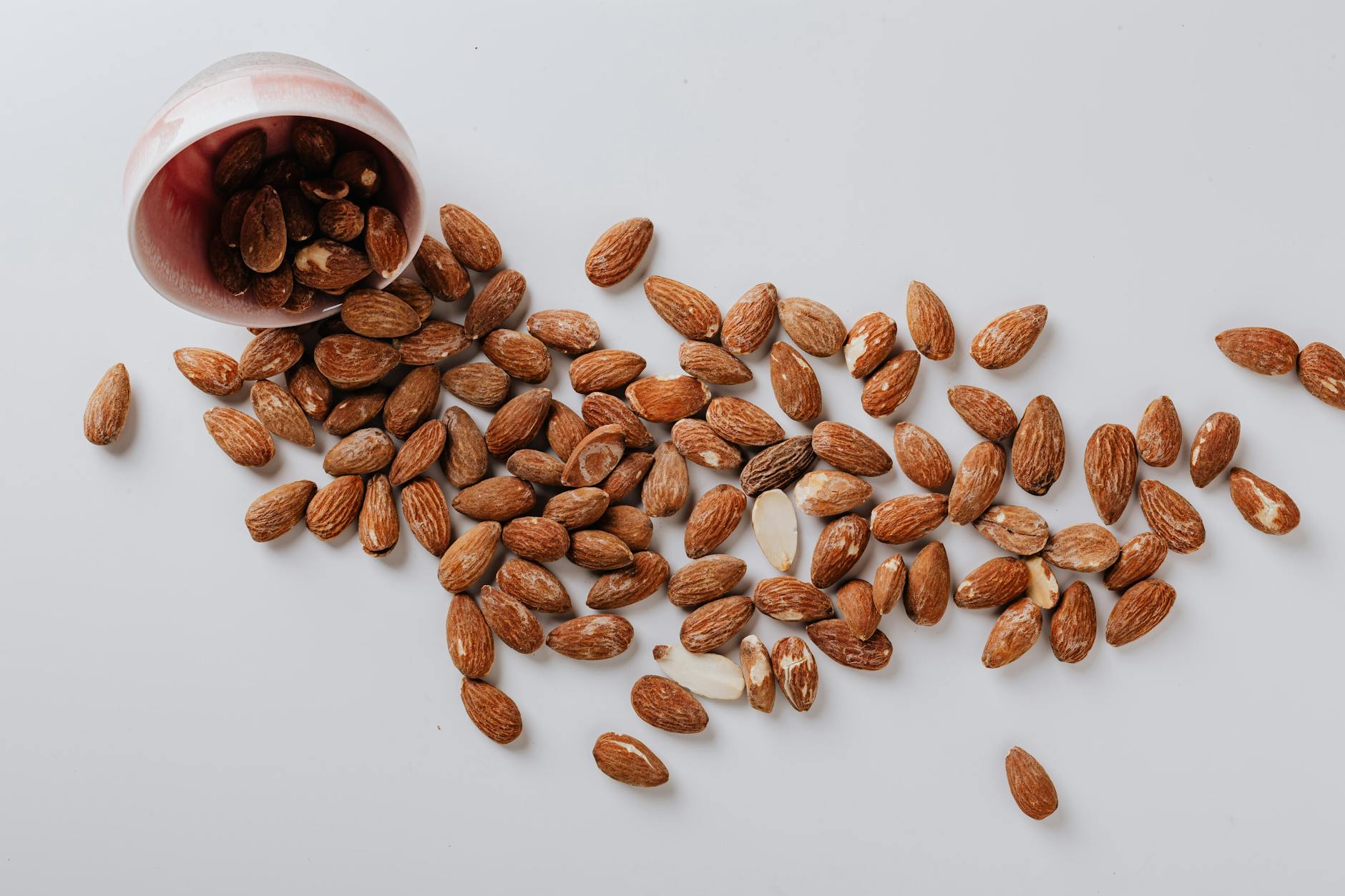
No, it is not safe for cats to eat almonds. While almonds themselves are not technically toxic to cats in the way that grapes or chocolate are, they pose significant risks to feline health due to their nutritional composition and physical properties. If your cat accidentally consumed a single almond, it would likely pass through their system without serious harm, but almonds should never be offered as treats or allowed as regular snacking food, and you should take steps to prevent your cat from accessing them.
Cats are obligate carnivores with digestive systems designed exclusively for meat-based proteins. Almonds are high in fat and fiber—nutrients that cats have difficulty processing—and they lack the essential amino acids, vitamins, and minerals that cats need from their diet. Beyond nutritional concerns, almonds present choking hazards and can cause digestive upset ranging from mild gastrointestinal distress to serious blockages, particularly in younger kittens or senior cats with compromised digestive function.
Table of Contents
- Why Almonds Are Problematic for Cats
- Physical Dangers and Digestive Complications
- Specific Almond Varieties and Preparation Methods
- What to Do If Your Cat Eats Almonds
- Preventing Accidental Almond Consumption
- Reading Pet Food Labels for Hidden Nut Content
- Building a Safe and Nutritious Diet for Your Cat
- Conclusion
- Frequently Asked Questions
Why Almonds Are Problematic for Cats
The primary issue with almonds for cats centers on their nutritional mismatch with feline physiology. Cats require specific nutrients—taurine, arachidonic acid, and vitamins A and B12—that only come from animal sources. Plant-based foods like almonds contribute nothing to these critical needs while adding calories and substances that cats’ bodies struggle to process efficiently. A single almond contains roughly 7 calories and nearly 0.6 grams of fat, which means even small quantities quickly accumulate unwanted dietary fat.
Additionally, almonds’ high fiber content can cause constipation or diarrhea in cats. Unlike humans and many other mammals, cats have evolved without the need to digest significant plant fiber. Their shorter digestive tract and lower enzyme production for breaking down plant matter means almonds pass through largely undigested, potentially causing discomfort. Some cats experience no obvious symptoms after eating a single almond, while others may show signs of digestive upset within hours or days, making responses unpredictable.
Physical Dangers and Digestive Complications
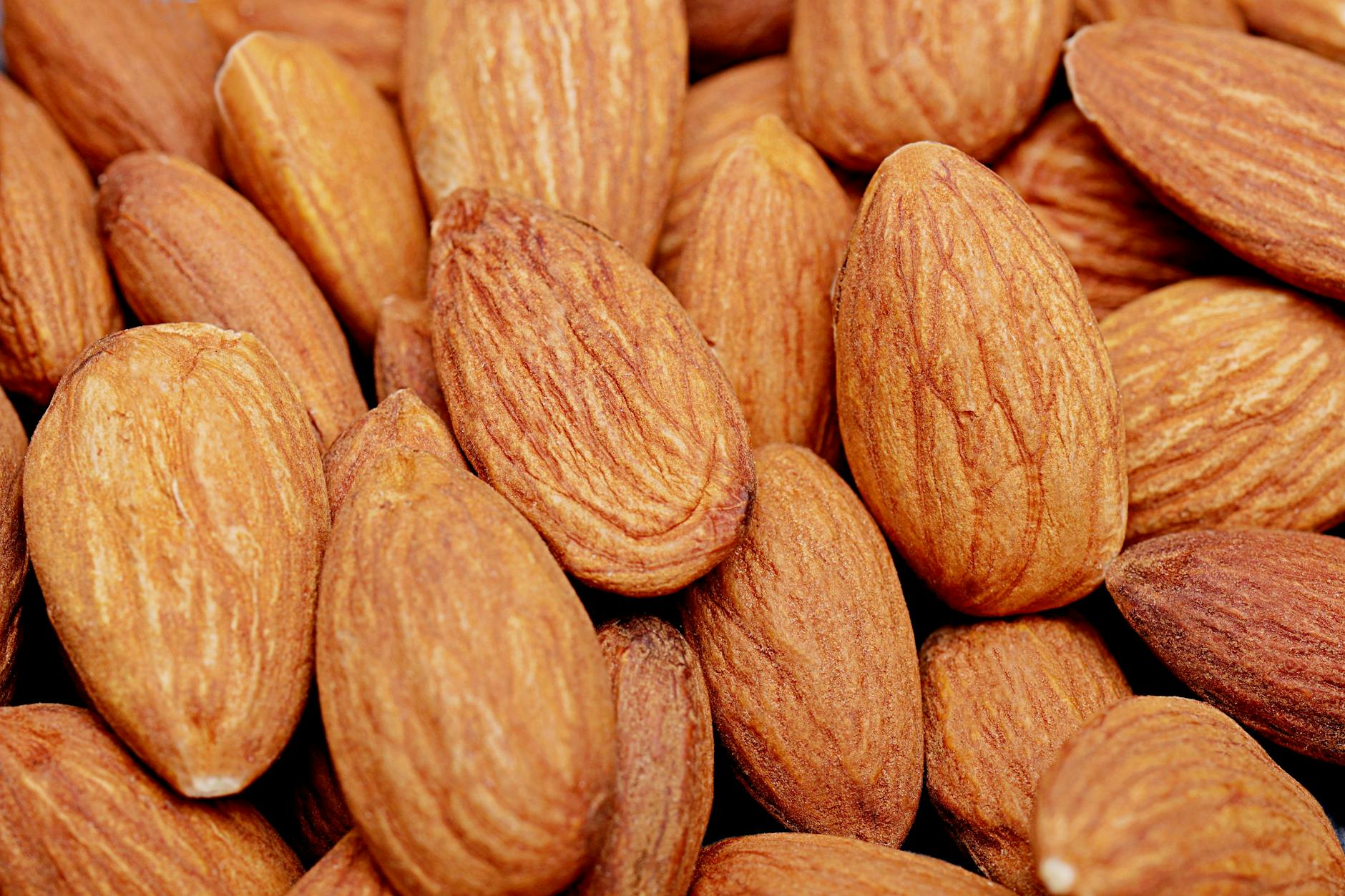
Beyond nutrition, almonds present immediate physical hazards. A whole almond is large enough to pose a choking risk, particularly for kittens or smaller cat breeds. If a cat attempts to swallow an almond without breaking it down sufficiently, it can lodge in the throat or esophagus, creating a medical emergency requiring veterinary intervention. Even when successfully swallowed, whole or partially chewed almonds can become impacted in the intestines, particularly if the cat also has underlying digestive sensitivity.
The primary limitation to watch for is the risk of gastrointestinal obstruction. Cats cannot vomit up most foreign objects the way humans can, meaning anything swallowed typically must either pass through the system or require surgical removal. If your cat has consumed multiple almonds or has a history of eating indigestible objects, observe them closely for signs of blockage: reduced appetite, vomiting, lethargy, constipation, or abdominal pain. These symptoms warrant immediate veterinary evaluation, as blockages can be life-threatening if left untreated.
Specific Almond Varieties and Preparation Methods
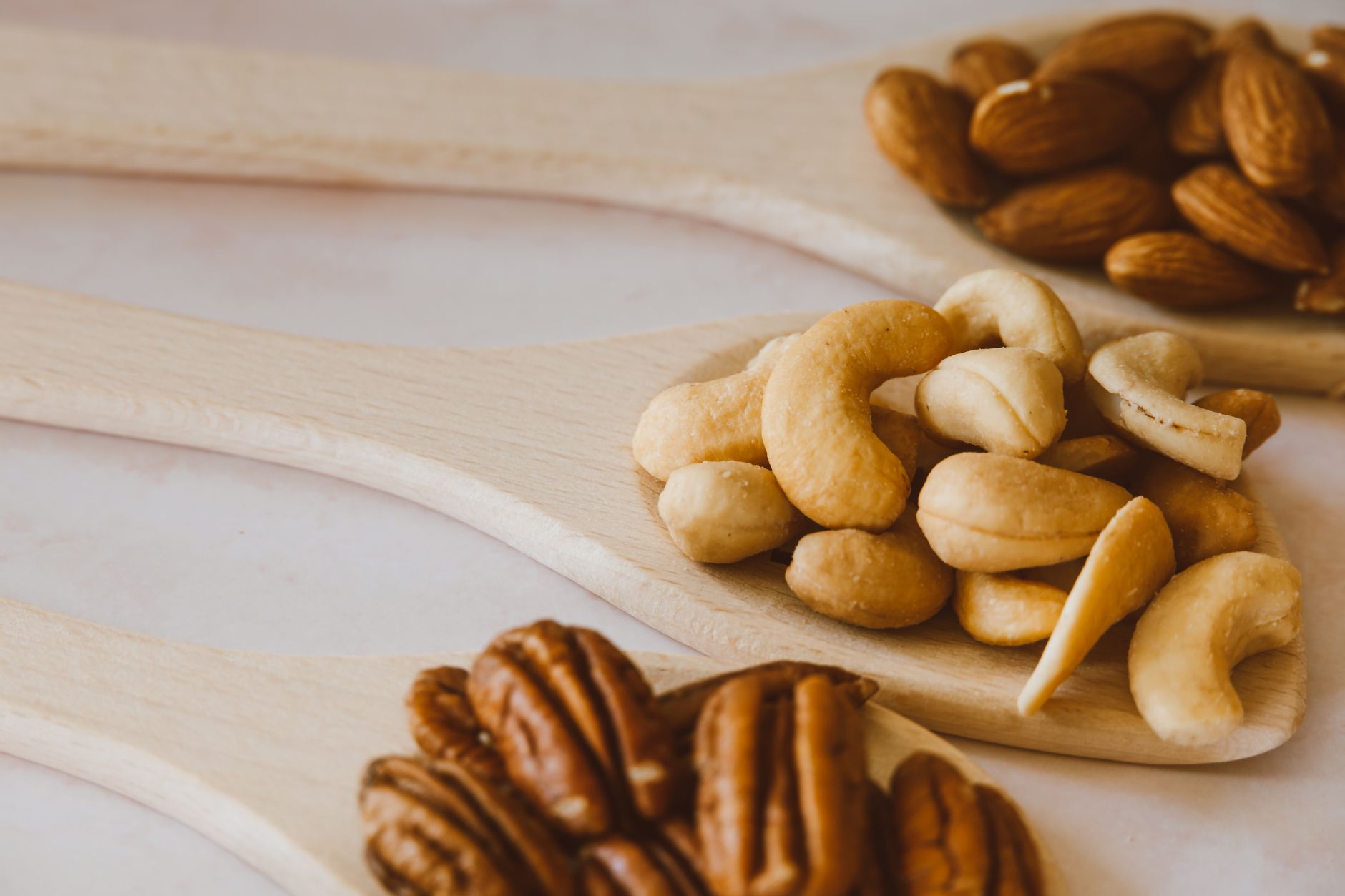
Raw almonds differ from roasted, blanched, or salted varieties—and none of them are appropriate for cats. Roasted almonds, which are more common in households, contain added oils and salt that increase the fat and sodium content, making them even less suitable. Salted almonds are particularly problematic since cats have minimal sodium requirements and excess salt can disrupt their electrolyte balance and blood pressure regulation.
A cat that has eaten a handful of salted almonds may experience mild to moderate sodium toxicity symptoms. Blanched almonds (with the skin removed) are no safer than whole almonds from a nutritional standpoint, though they eliminate one physical hazard. Almond butter, sometimes found in homes as a human snack, is highly concentrated—just one teaspoon contains the almond content of multiple whole nuts—making it especially dangerous if a cat gains access. For example, if your cat licks a spoon of almond butter left on the counter, they’ve consumed the equivalent of multiple almonds’ worth of fat, fiber, and calories in a single taste.
What to Do If Your Cat Eats Almonds
If you discover your cat has eaten almonds, the first step is to assess the amount and type consumed. A single almond eaten by an adult cat typically causes no medical concern; monitor the cat for 24-48 hours for any signs of digestive upset, but no immediate veterinary visit is needed. However, if your cat consumed multiple almonds, ate roasted or salted almonds, or is a kitten or senior cat, contact your veterinarian or a pet poison control center for guidance tailored to your cat’s age, weight, and health status.
Document what you observed: the number of almonds, whether they were whole or broken, and how long ago the incident occurred. This information helps your veterinarian assess blockage risk and decide whether observation or intervention is warranted. The tradeoff is between waiting to see if symptoms develop—which works for small quantities in healthy adult cats—versus seeking professional evaluation for peace of mind, which is appropriate when you’re uncertain about the quantity or your cat’s individual risk factors.
Preventing Accidental Almond Consumption
Preventing access is far simpler than managing complications. Store almonds and almond products in sealed containers on high shelves or in cabinets, away from counter edges where cats can jump to reach them. If you eat almonds regularly, clean up immediately after snacking, as even small fragments on countertops or floors attract curious cats.
Educate family members and visitors about this danger—many people don’t realize that common pantry items pose risks to pets and may set a bag of almonds on a coffee table without considering the household cat. A practical comparison: the effort to store almonds securely takes seconds, while managing a potential obstruction or intestinal blockage involves veterinary visits, imaging, possible surgery, and weeks of recovery. The limiting factor in preventing almond-related incidents is consistency; most accidents occur when almonds are left accessible during moments of inattention, such as during meal prep or when guests visit.
Reading Pet Food Labels for Hidden Nut Content
Some commercial cat foods include plant-based ingredients that might sound innocuous but can include trace amounts of nuts or nut oils. Check ingredient lists on wet and dry cat foods, treating foods, and even dental chews for terms like “vegetable oil,” “plant oil,” or specific nut mentions.
While FDA regulations allow minute quantities of certain plant ingredients in pet foods, products explicitly labeled as containing almonds, almond oil, or significant nut content should be avoided entirely. If your cat has a history of gastrointestinal sensitivity or you want to minimize plant-based ingredient exposure, choose foods with a short ingredient list that leads with a single named meat source (chicken, beef, or fish) and includes minimal plant derivatives. Reading labels takes an extra minute at the store but prevents purchasing products that undermine the effort of keeping your home almond-free.
Building a Safe and Nutritious Diet for Your Cat
Rather than worrying about which human foods to restrict, focus on providing a complete, nutritionally balanced commercial cat food—either wet or dry—designed to meet AAFCO (Association of American Feed Control Officials) standards. These foods contain the proper ratios of taurine, essential fatty acids, and other nutrients cats need, without the hazards of plant-based additions.
If you want to supplement your cat’s diet with occasional treats, choose species-appropriate options: small pieces of cooked chicken or fish, commercial freeze-dried meat treats, or treats specifically formulated for cats. Looking forward, as pet nutrition research evolves and pet food options expand, the principle remains consistent: cats thrive on meat-based diets and don’t benefit from plant-derived foods regardless of trend or marketing claims. The safest approach is maintaining this species-appropriate foundation while keeping household hazards like almonds securely stored and inaccessible.
Conclusion
Almonds are not safe for cats and should never intentionally be given as food or treats. While a single accidental almond is unlikely to cause serious harm to an adult cat, the nutritional mismatch, choking hazard, and risk of gastrointestinal blockage make them an unnecessary risk.
The most effective strategy is prevention—storing almonds securely and educating household members about the danger—rather than managing potential complications after the fact. If you suspect your cat has consumed almonds or is showing signs of digestive distress, contact your veterinarian immediately. For ongoing peace of mind, focus on providing complete, meat-based nutrition through quality commercial cat foods and appropriate meat-based treats, maintaining the dietary foundation that cats’ bodies have evolved to process and thrive upon.
Frequently Asked Questions
Can cats eat almond butter?
No. Almond butter is even more concentrated than whole almonds, making it more dangerous. A small amount can deliver the equivalent fat and fiber of multiple whole nuts, and cats may choke on its thickness. Keep all nut butters away from cats.
What if my cat ate just one almond?
One almond eaten by an adult cat rarely causes problems. Monitor for signs of digestive upset—reduced appetite, vomiting, or diarrhea—over the next 24-48 hours. Contact your vet if symptoms develop or if you’re concerned about choking risk.
Are roasted almonds safer than raw almonds?
No. Roasted almonds often contain added oils and salt, making them less suitable than raw almonds. Neither type is safe for cats, and roasted varieties carry increased risk due to higher fat and sodium content.
How do I know if my cat has a blockage from eating almonds?
Signs include loss of appetite, vomiting, lethargy, straining to defecate, abdominal pain, and constipation. These symptoms warrant immediate veterinary evaluation, as blockages can be life-threatening.
Can almonds poison cats?
Almonds are not toxins in the pharmacological sense, but they are inappropriate for cats due to their high fat and fiber content, lack of required nutrients, and physical hazards. True almond toxicity (from cyanogenic compounds) is not a risk at typical consumption levels.
Should I be worried if guests bring almonds to my home?
Yes. Ask guests to keep their snacks secured in their rooms or bags and to avoid eating near common areas where cats can access crumbs. Many almond-related incidents occur when visitors set snacks on tables or counters without considering household pets.