
No, it is not safe for cats to eat walnuts. Walnuts contain compounds that are toxic to cats and can cause serious health problems ranging from mild gastrointestinal upset to severe neurological issues. Even a small amount of walnut consumption can potentially trigger adverse reactions in felines, making this a nut that should be strictly kept away from your cat’s reach at all times.
The primary concern with walnuts stems from two main toxins: mycotoxins (particularly aflatoxin and tremorgenic mycotoxins) and high fat content. If your cat accidentally consumed a walnut while you were snacking, watch carefully for signs of illness over the next few hours. A single walnut may not cause severe toxicity, but repeated exposure or ingestion of multiple walnuts can lead to cumulative poisoning that damages the liver and nervous system.
Table of Contents
- WHAT MAKES WALNUTS TOXIC TO CATS
- SYMPTOMS OF WALNUT POISONING IN CATS
- BLACK WALNUTS VERSUS ENGLISH WALNUTS
- FAT CONTENT AND DIGESTIVE COMPLICATIONS
- OTHER NUTS AND SEEDS TO AVOID
- WHEN ACCIDENTAL INGESTION OCCURS
- PREVENTION AND SAFE TREAT ALTERNATIVES
- Conclusion
- Frequently Asked Questions
WHAT MAKES WALNUTS TOXIC TO CATS
Walnuts pose a unique threat to cats because of the specific mycotoxins they contain, which are particularly harmful to feline metabolism. Cats lack certain liver enzymes that other animals possess, making them far more susceptible to the toxic compounds found in moldy or contaminated walnuts. Even fresh walnuts can harbor these toxins, and moisture exposure increases mycotoxin development in stored walnuts.
The tremorgenic mycotoxins in walnuts can directly damage a cat’s central nervous system. When ingested, these compounds interfere with neurological function, leading to tremors, seizures, and loss of coordination. In comparison, dogs may experience similar symptoms but often at higher doses, whereas cats are dramatically more vulnerable—a smaller amount can trigger serious effects in a feline than in a canine of similar size.
SYMPTOMS OF WALNUT POISONING IN CATS
If your cat has ingested walnuts, symptoms may appear within a few hours to several days depending on the amount consumed and the cat’s individual sensitivity. Early signs include letharness, vomiting, diarrhea, and loss of appetite. These initial symptoms can progress to more severe manifestations such as tremors, muscle weakness, difficulty walking, or in severe cases, seizures and trembling episodes that last for several minutes.
One critical limitation to understand is that some cats may not show obvious symptoms even after walnut consumption, while others display dramatic reactions to minimal exposure. This individual variation makes prevention essential—you cannot predict your specific cat’s response, so the safest approach is absolute avoidance. If your cat shows any combination of neurological symptoms after potential walnut exposure (such as finding and eating walnuts from your pantry), contact your veterinarian immediately rather than waiting to see if symptoms worsen.
BLACK WALNUTS VERSUS ENGLISH WALNUTS
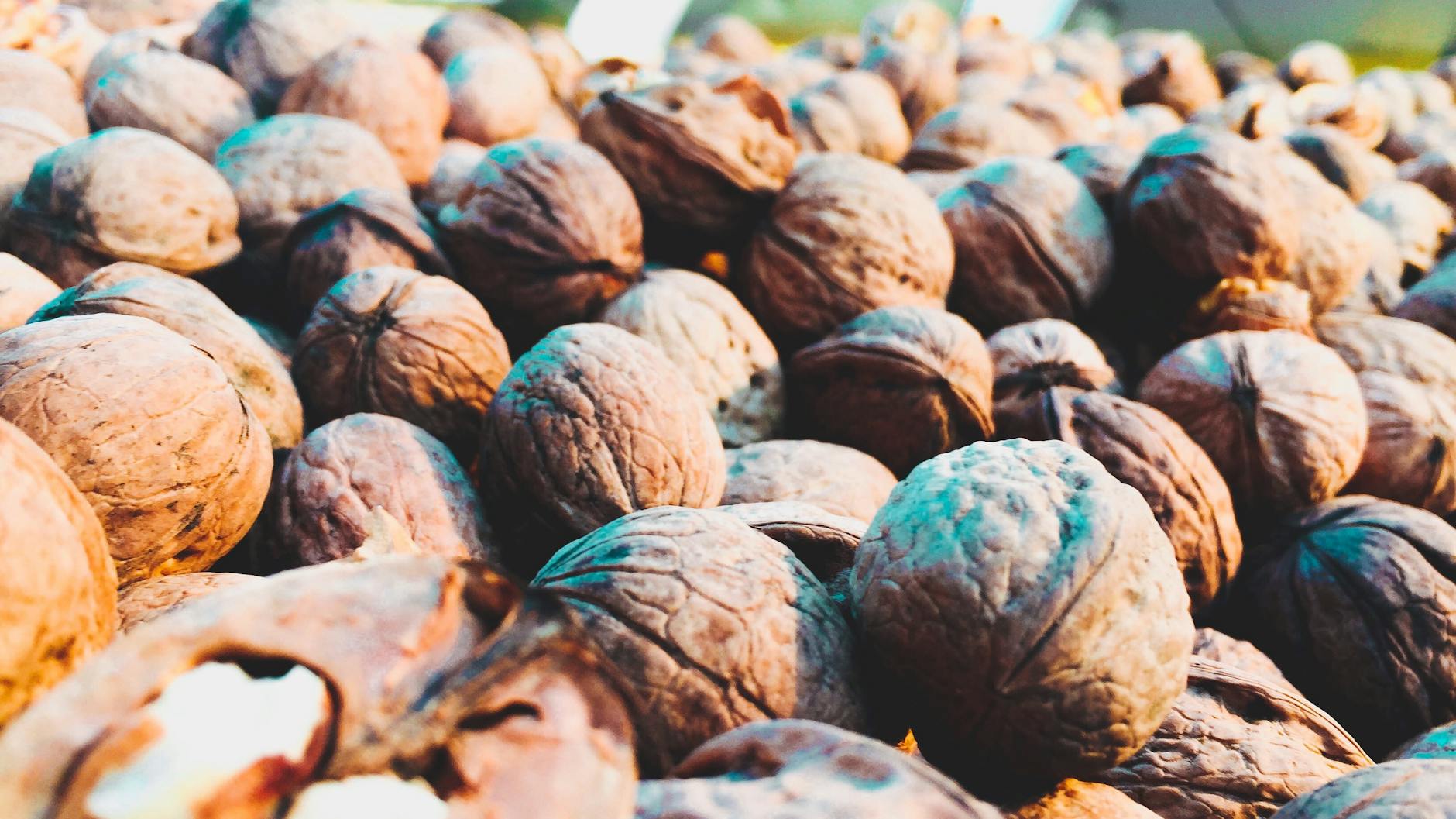
Black walnuts are significantly more dangerous to cats than English walnuts, containing higher concentrations of toxic compounds that make them especially hazardous. If you live in an area where black walnut trees grow naturally or you have one on your property, the risk of your cat accessing fallen nuts or nuts in the soil increases substantially. Black walnut shells and hulls are also toxic, so even exposure to the plant matter without consumption of the kernel itself can cause problems.
English walnuts, while somewhat less potent than black walnuts, still contain mycotoxins and should not be offered to cats under any circumstances. A cat owner in Ohio with a black walnut tree in the yard discovered their cat had seizures after chewing on fallen walnuts near the garage—the vet identified black walnut toxicity as the cause. This real-world example illustrates how outdoor access combined with natural walnut availability can create unexpected poisoning risks for indoor-outdoor or outdoor cats.
FAT CONTENT AND DIGESTIVE COMPLICATIONS
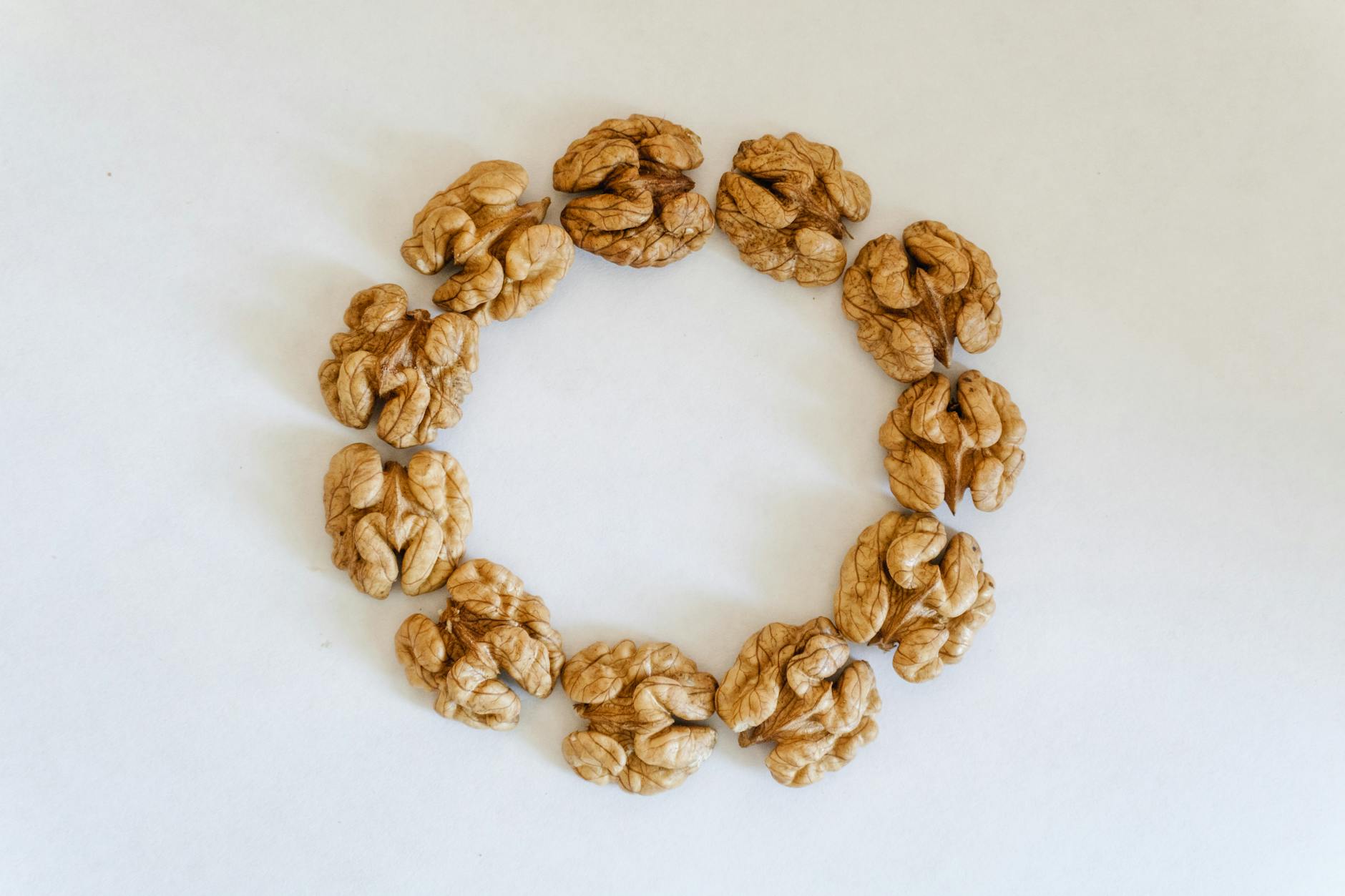
Beyond the mycotoxin concern, walnuts are extremely high in fat—approximately 65 percent of a walnut’s weight is fat. Cats have digestive systems adapted for meat-based diets, not high-fat plant foods, and consuming fatty foods can trigger pancreatitis or gastroenteritis.
The pancreatic inflammation from eating high-fat foods can be acute (sudden and severe) or chronic (developing over time with repeated exposure), both of which cause significant pain and illness. The tradeoff here is that a single small piece of walnut may cause only mild digestive upset with vomiting or diarrhea, whereas regular walnut snacking could lead to chronic pancreatitis requiring long-term veterinary management. Unlike some toxic foods where a tiny taste poses minimal risk, the combination of mycotoxin content plus high fat means even “just a little” walnut carries meaningful hazard for cats.
OTHER NUTS AND SEEDS TO AVOID
While discussing walnuts, it’s important to recognize that many other common nuts are also unsafe for cats. Macadamia nuts are acutely toxic to dogs and cats, causing weakness, vomiting, and tremors. Pistachios contain high fat and can cause similar digestive issues as walnuts.
Almonds, though less toxic than walnuts, still present choking hazards and can cause digestive upset due to their fat content and the almond flavor compounds that some cats find irritating. A significant warning: nut butters, including peanut butter and walnut butter, are sometimes given to cats by owners who assume they’re treating them with human-food snacks. Walnut butter concentrates the toxins present in whole walnuts and makes poisoning more likely. If your cat has consumed walnut butter, contact poison control or your veterinarian immediately rather than monitoring at home.
WHEN ACCIDENTAL INGESTION OCCURS
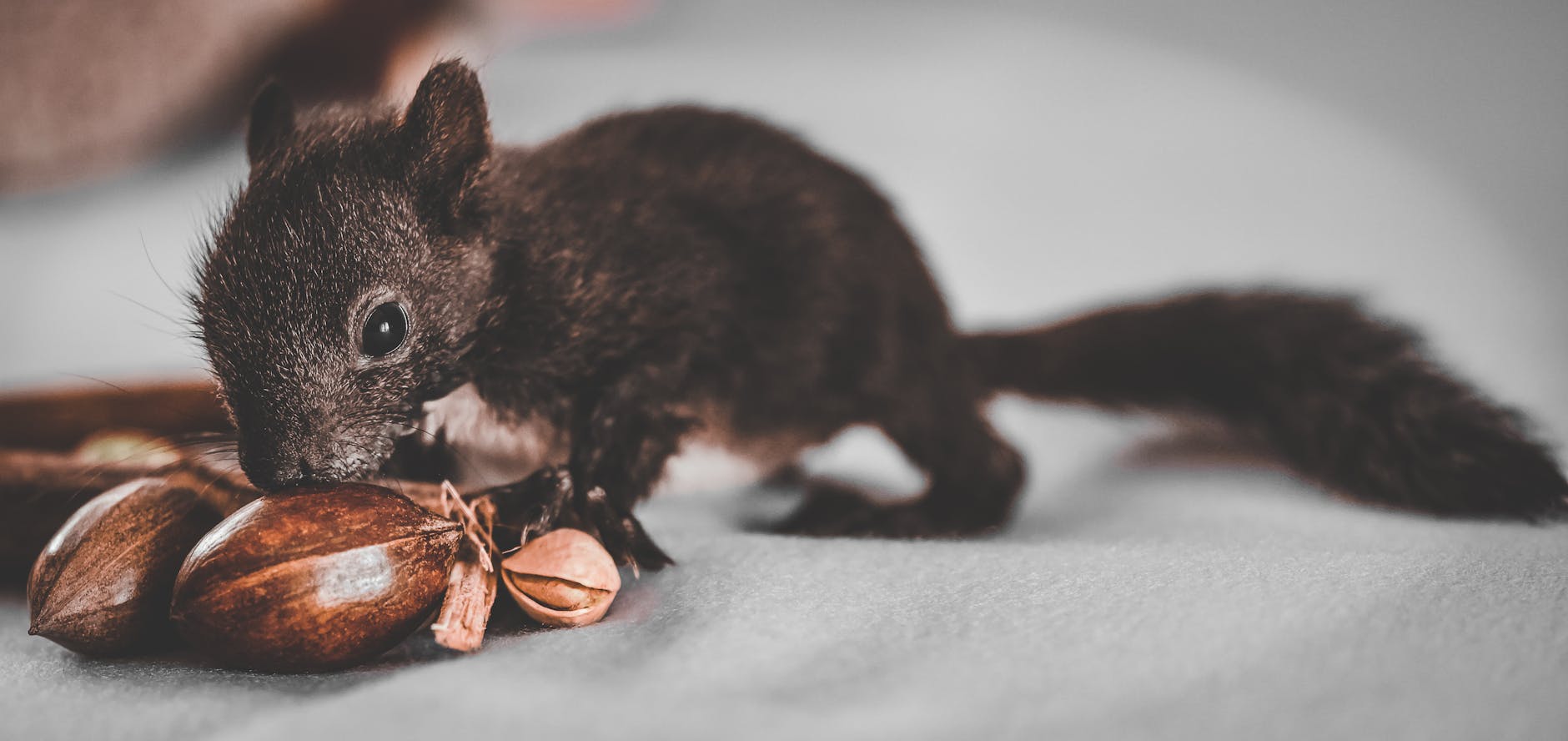
If you discover or suspect your cat has eaten a walnut, the first step is to identify what type of nut was consumed and approximately how much. Collect any remaining evidence (empty shells, pieces) to show your veterinarian.
Even if your cat appears fine, walnut toxicity can develop over several hours, so immediate veterinary consultation is warranted rather than waiting to see if symptoms appear. Your veterinarian may recommend activated charcoal to absorb toxins if treatment is sought quickly enough, or supportive care such as IV fluids and medication to manage symptoms like tremors or nausea. A cat that ate one walnut may recover after observation and supportive care, but the safest approach is professional evaluation rather than home monitoring.
PREVENTION AND SAFE TREAT ALTERNATIVES
The most reliable protection for your cat is preventing access to walnuts entirely. Store walnuts in sealed containers on high shelves, keep walnut-containing baked goods and trail mix out of reach, and if you have outdoor black walnut trees, supervise yard time or prevent outdoor access during walnut season.
For indoor-outdoor cats, extra vigilance is essential because they may encounter fallen walnuts during their outdoor time. Safe treat alternatives for cats include cooked chicken, turkey, or fish in small amounts, freeze-dried meat treats designed for feline nutrition, or commercial cat treats formulated to meet feline dietary needs. These options provide enrichment and reward without the toxicity risk that nuts present, allowing you to bond with your cat through treat-giving without endangering their health.
Conclusion
Walnuts are never safe for cats due to mycotoxin content that damages the nervous system and high fat levels that can trigger pancreatitis and digestive upset. Cats of any age or health status should not consume walnuts, including walnut butter, black walnuts, or English walnuts. The individual variation in how cats respond to walnut toxicity means you cannot predict whether your cat would suffer severe or mild effects, making prevention through complete avoidance the only responsible approach.
If your cat has eaten a walnut, contact your veterinarian promptly even if no symptoms are visible yet. Moving forward, store nuts securely, choose cat-safe treats instead, and educate family members and guests about the importance of keeping walnuts and other toxic foods away from your feline companion. Your cat’s safety depends on consistent vigilance about what foods remain accessible in your home.
Frequently Asked Questions
Will one walnut kill my cat?
One walnut is unlikely to be fatal, but it can cause illness ranging from mild vomiting and diarrhea to tremors and neurological symptoms depending on your cat’s sensitivity and the walnut’s toxin level. Veterinary evaluation is still recommended to monitor for developing toxicity.
Are walnuts toxic to kittens or only adult cats?
Kittens are actually more vulnerable than adult cats because their body systems are still developing and immature. A kitten that ingests a walnut faces higher risk of severe toxicity than an adult cat would from the same amount.
Can cats die from eating walnuts?
Death from walnut toxicity is uncommon with prompt veterinary treatment, but severe cases untreated for extended periods could potentially become fatal. The key is seeking care quickly if poisoning is suspected rather than waiting to see if the cat improves on its own.
What should I do immediately if my cat ate a walnut?
Contact your veterinarian or emergency vet clinic right away with information about the type and quantity of walnut consumed and when the ingestion occurred. Do not induce vomiting without veterinary guidance, as this can sometimes cause additional harm depending on the situation.
Are there any nuts that are safe for cats to eat?
Most nuts are not ideal for cats due to fat content or toxins, but small amounts of cooked, unsalted, and nut-free treats are safer than actual nuts. Your veterinarian can recommend species-appropriate treats instead of relying on human foods.
How long after eating a walnut will my cat show symptoms?
Symptoms can appear within 30 minutes to several hours, though some delayed symptoms may develop over 12-24 hours. This is why observation and veterinary consultation are important even if your cat seems fine initially.