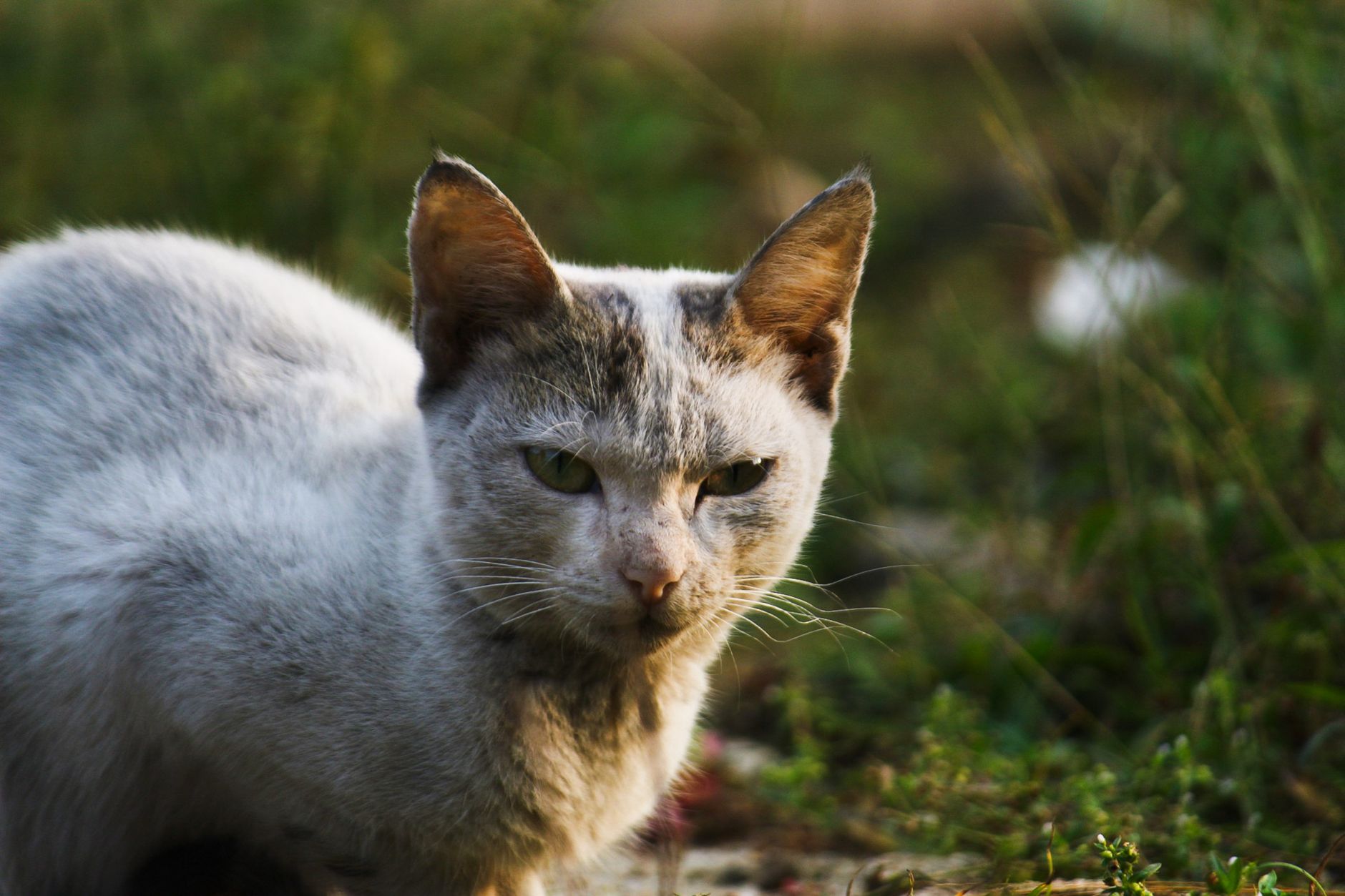
Cat anxiety is manageable through a combination of environmental adjustments, behavioral techniques, and targeted interventions that address your cat’s specific triggers. Unlike dogs, cats typically express anxiety through subtle changes—hiding, reduced appetite, excessive grooming, or litter box issues—which means early recognition of these signs is crucial for effective intervention. A stressed cat living in a chaotic household might improve dramatically simply by having a dedicated quiet space with perches and hiding spots, demonstrating that sometimes the simplest adjustments provide immediate relief.
Understanding your cat’s anxiety baseline requires patience and observation. Some cats are naturally high-strung due to genetics or early socialization gaps, while others develop anxiety in response to specific events like moving, loud noises, or changes in their social environment. The techniques outlined here address both the root causes and the symptoms, giving you multiple entry points to reduce your cat’s stress levels.
Table of Contents
- What Triggers Feline Anxiety and How to Identify It?
- Creating a Calming Physical Environment for Your Anxious Cat
- Using Pheromone Products and Calming Supplements
- Behavioral Enrichment and Play as Anxiety Reduction
- Touch, Massage, and Physical Comfort Techniques
- Medication and Professional Behavioral Support
- Monitoring Progress and Adjusting Strategies
- Frequently Asked Questions
What Triggers Feline Anxiety and How to Identify It?
cats experience anxiety from a surprisingly wide range of sources that owners sometimes miss because cats internalize stress differently than humans do. Common triggers include loud noises (construction, fireworks, vacuum cleaners), changes to their physical environment (new furniture, household members leaving or arriving), inconsistent schedules, overcrowding, and even subtle shifts in daily routines. A cat that previously enjoyed lap time but suddenly refuses to be touched may be experiencing anxiety rather than a personality change, making proper identification essential before attempting any intervention.
The physical manifestations of cat anxiety often appear as behavioral changes rather than obvious distress. Excessive grooming leading to bald patches, inappropriate elimination outside the litter box despite health clearance from a veterinarian, loss of appetite, or sudden aggression toward people or other pets are all common anxiety responses. Some cats become overly vocal or conversely stop communicating entirely, while others develop repetitive behaviors like chewing on non-food items or pacing. Recognizing these patterns early allows you to implement calming strategies before anxiety escalates into more serious behavioral problems.
Creating a Calming Physical Environment for Your Anxious Cat
Your cat’s physical space is the foundation of anxiety reduction, and modifying it requires understanding that cats feel safest when they control their access to resources and escape routes. Multi-level environments with vertical spaces—wall-mounted shelves, cat trees, or even window perches—give anxious cats places to retreat where they feel elevated and secure. A cat hiding on a high shelf isn’t being antisocial; it’s actively reducing its anxiety by positioning itself where it has clear sightlines and multiple escape routes. White noise machines or soft background music can mask triggering sounds like traffic or neighborhood dogs, while dim lighting in certain areas of the home provides visual calm.
However, complete darkness can increase anxiety in some cats, so the goal is modulated lighting that responds to your cat’s preferences rather than a one-size-fits-all approach. One important limitation is that environmental changes alone rarely resolve severe anxiety—they’re most effective as one component of a broader calming strategy. Litter box placement also impacts anxiety levels significantly. Cats experiencing stress may avoid boxes placed in high-traffic areas, leading owners to incorrectly assume a medical problem when the issue is purely behavioral. Placing at least one litter box in a quiet, low-traffic location gives anxious cats safe access to elimination resources without triggering social anxiety around the rest of the household.
Using Pheromone Products and Calming Supplements
Synthetic feline pheromone products mimic the natural calming compounds cats produce from glands on their face and body, effectively signaling to the cat that its environment is safe and familiar. These products come in diffusers, sprays, and wipes, with diffusers being the most consistent option for ongoing anxiety management. While pheromone products don’t sedate cats or alter their behavior forcibly—they simply create an environment the cat reads as less threatening—response varies among individual cats, meaning what works dramatically for one cat may have minimal effect on another.
Certain dietary supplements like L-theanine, taurine, and omega-3 fatty acids have been studied for anxiety reduction in cats, with mixed but generally positive results in some animals. These supplements work through different mechanisms—some affect neurotransmitter production, others reduce inflammation in the nervous system—but they typically require consistent use over weeks or months before effects become apparent. A significant limitation is that supplements are unregulated in most jurisdictions, so quality and potency vary widely between manufacturers, and no supplement replaces professional evaluation if anxiety is severe.
Behavioral Enrichment and Play as Anxiety Reduction
Play and mental stimulation redirect anxious energy while building your cat’s confidence through mastery and control—two factors that directly counteract anxiety. Interactive toys like feather wands or laser pointers engage the predatory sequence (stalking, pouncing, capturing) in a controlled way that satisfies instinctive drives and burns off stress-related energy. The key difference between random play and anxiety-reducing play is consistency and predictability; establishing set play sessions at the same times each day gives anxious cats something to anticipate, which paradoxically reduces overall anxiety by creating a reliable structure.
Puzzle feeders and treat-dispensing toys provide similar benefits by requiring problem-solving engagement rather than passive consumption of food. This engagement activates the cat’s reward pathways while occupying the mind, effectively crowding out anxious rumination. However, the tradeoff is that enrichment requires owner time and attention—toys left out without interaction provide minimal anxiety reduction and may even bore cats further, worsening anxiety from lack of engagement. Vertical enrichment combined with play—like a cat tree positioned near a window—addresses both the desire for security and the need for mental stimulation, making it a particularly efficient anxiety-reduction tool.
Touch, Massage, and Physical Comfort Techniques
Not all anxious cats respond positively to petting and touch, which is an important limitation many owners overlook. However, for cats that do accept it, gentle stroking—particularly on the head, cheeks, and body (avoiding the tail base, which some anxious cats find overstimulating)—can lower cortisol levels and activate parasympathetic nervous system responses that physiologically reduce anxiety. The pressure and rhythm matter; slow, consistent strokes are more calming than quick movements or variable patterns.
Therapeutic massage techniques applied gently to an anxious cat’s neck, shoulders, and lower back can release muscle tension that accumulates during stress. This approach requires learning proper technique to avoid accidentally triggering defensive responses, which can worsen anxiety rather than improve it. A warning: forced physical contact with an anxious cat will always increase anxiety, so these techniques only work with willing, receptive cats. The presence of a human during stressful events—sitting calmly and allowing the cat to seek contact at its own pace—is often more effective than attempting active soothing.
Medication and Professional Behavioral Support
When environmental modifications, enrichment, and behavioral techniques aren’t sufficient, veterinary anti-anxiety medications can be an appropriate tool. These might include short-term sedatives for specific triggering events (like veterinary visits or fireworks), or longer-term medications like SSRIs or tricyclic antidepressants for chronic anxiety.
An important caveat is that medication works best alongside behavioral intervention—medication alone without environmental modification or enrichment changes rarely produces lasting anxiety reduction. Working with a veterinary behaviorist offers assessment and customized intervention plans that go beyond what general veterinary care provides. These specialists can identify subtle anxiety triggers and create specific plans to desensitize cats to those triggers, though this process requires patience and time commitment from the owner.
Monitoring Progress and Adjusting Strategies
Anxiety reduction in cats is rarely linear, and what works initially may need adjustment as your cat’s confidence gradually improves or as life circumstances change. Keeping simple notes on your cat’s behavior patterns—when anxiety appears worse, what seems to help—provides data to guide your intervention adjustments over time.
A cat that initially hid constantly but after two weeks of environmental modifications now appears once daily shows measurable progress, even if full recovery takes months. Different cats respond to different combinations of techniques, which is why a trial-and-error approach focused on your specific cat’s preferences and triggers typically outperforms generic anxiety-reduction protocols. Some anxious cats improve dramatically from a single intervention like a pheromone diffuser, while others require careful layering of multiple techniques over several months before meaningful change appears.
- —
Frequently Asked Questions
How long does it take to see improvement in an anxious cat?
Most behavioral and environmental changes show some effect within two to four weeks of consistent implementation, though significant improvement often takes two to three months. Some cats respond within days, while others require several months of sustained intervention.
Can diet changes reduce cat anxiety?
While no specific diet cures anxiety, high-quality nutrition supports overall nervous system health, and some cats show minor improvement when switched to diets with optimal taurine and omega-3 levels. Diet changes alone rarely resolve clinical anxiety but may support other interventions.
Is it ever too late to help an anxious cat?
Anxiety reduction is possible at any age, though cats with deeply ingrained anxiety patterns may respond more slowly than younger cats. Senior cats and those with long-standing anxiety may require more time and patience, but improvement remains achievable.
Should I try multiple calming products at once?
Introducing one intervention at a time allows you to identify which specific techniques actually help your cat, rather than creating an unclear picture with multiple simultaneous changes. Wait two to four weeks before adding another intervention to properly assess effectiveness.