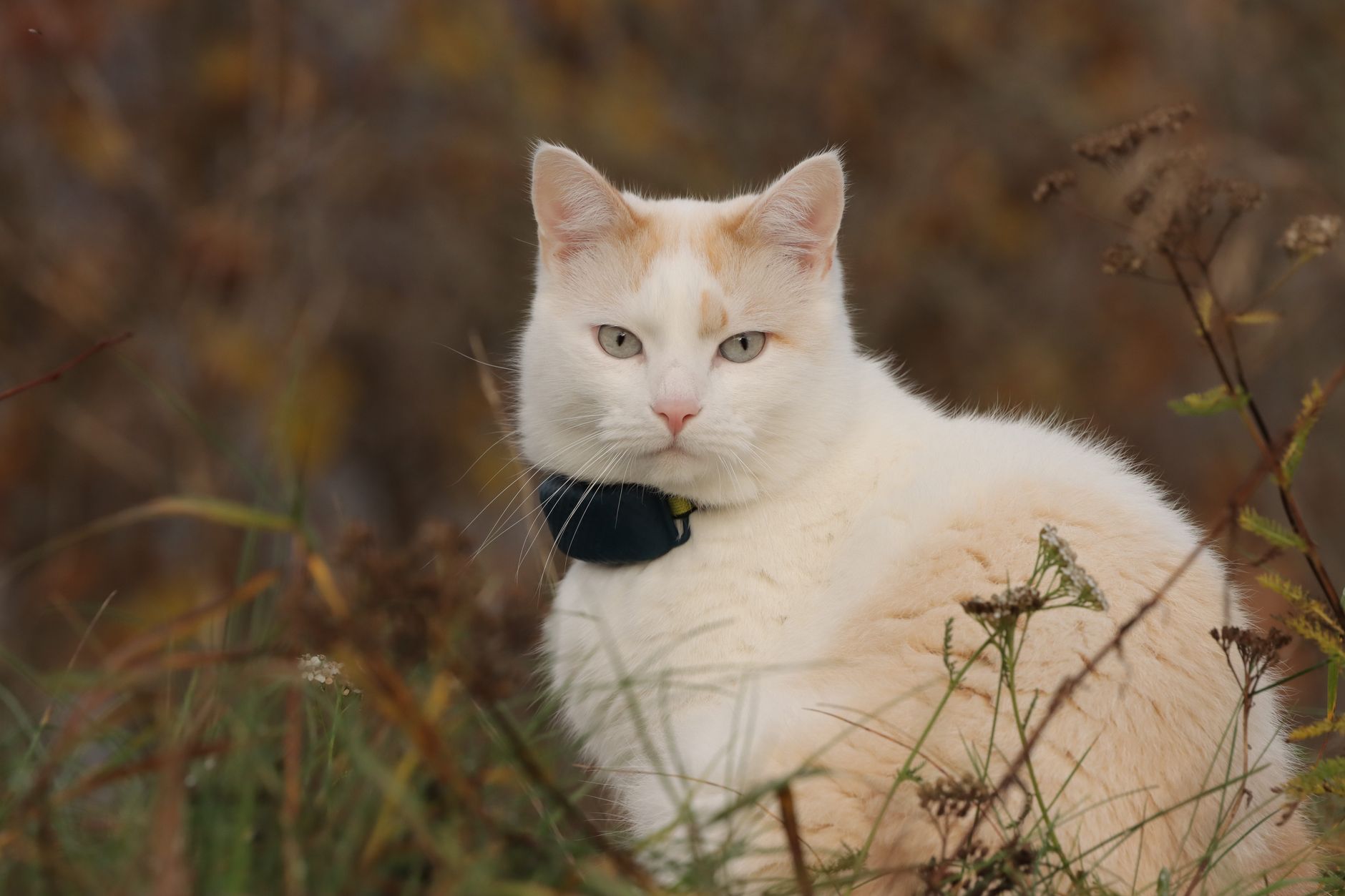
Berrien County Animal Services is actively recruiting foster volunteers to provide temporary care for dogs and cats waiting for permanent adoption. Foster homes play a crucial role in animal shelter operations, offering animals a chance to decompress in a home environment while freeing up shelter resources for intake and medical care. A cat that spends a few weeks with a foster family often becomes more adoptable—socialized, calmer, and better able to demonstrate its personality to potential adopters—compared to animals stressed by kennel living.
Fostering is not adoption, but it bridges the gap between shelter and home. Volunteers commit to providing food, shelter, and basic care for a period that might last anywhere from a week to several months, depending on the animal’s needs or adoption timeline. For shelters facing overcrowding or animals with behavioral or medical needs, foster networks can mean the difference between a safe recovery period and an animal remaining in a stressful facility environment.
Table of Contents
- Why Do Animal Shelters Rely On Foster Networks?
- Understanding The Commitment And Boundaries Of Foster Care
- The Role Of Foster Volunteers In Shelter-To-Home Transitions
- Practical Steps To Becoming A Foster For Berrien County Animal Services
- Common Challenges Fosters Should Anticipate
- Health And Safety Considerations For Foster Households
- The Lasting Impact Of Foster Volunteers On Community Animal Welfare
Why Do Animal Shelters Rely On Foster Networks?
Shelter capacity is a persistent challenge across the country. Most facilities operate at or near maximum occupancy, with animal intakes often exceeding available kennel space and staff hours. Foster networks directly expand capacity—each foster home becomes an extension of the shelter’s infrastructure. A shelter caring for 50 animals in-facility might handle another 30 through active foster placements, multiplying care without building new structures.
Foster homes also serve animals that benefit from home-like settings. Kittens and puppies socialized in homes rather than concrete kennels develop better handling skills and adaptability. cats with URI (upper respiratory infection), often spread in shelter environments, recover more effectively in quiet foster homes. Senior dogs and cats with anxiety respond better to foster placement, returning to the shelter adoption-ready rather than more frightened and withdrawn. The medical and behavioral benefits mean adopters get healthier, more stable animals.
Understanding The Commitment And Boundaries Of Foster Care
Foster care requires consistency but varies by shelter program. Some foster situations involve medically fragile animals needing medication administration or monitoring—requiring the volunteer to be observant and reliable with schedules. Others involve healthy animals simply needing temporary housing. A prospective foster should clarify with Berrien County Animal Services what specific needs and responsibilities come with each placement, as a household comfortable managing a healthy dog might not be equipped for a cat requiring post-surgical confinement and wound checks.
The primary limitation of fostering is its impermanence. A volunteer who bonds deeply with a foster animal faces the emotional reality of returning it to the shelter or, ideally, seeing it adopted by another family. Some foster programs allow “foster-to-adopt” arrangements if both parties agree, but this isn’t guaranteed. Prospective volunteers should honestly assess whether they can handle this aspect of the role. Additionally, foster animals sometimes arrive with unknown medical or behavioral histories; a shy kitten might have parasites requiring treatment, or a dog might display resource guarding behavior requiring careful management around other household pets.
The Role Of Foster Volunteers In Shelter-To-Home Transitions
Fosters gather critical information about animals that inform adoption counseling. A volunteer caring for a dog for three weeks learns whether it has house-training issues, prey drive around smaller pets, or anxiety around children—details that matter enormously to potential adopters. Shelters can include this real-world behavior data in adoption listings or share it verbally with adopters, dramatically improving adoption success rates. A cat fostered in a multi-pet home gives the shelter concrete knowledge about its compatibility with other animals, information that helps match it to the right adopter.
Foster programs also reduce stress-related illness and behavioral changes in shelter animals. Cats in particular are sensitive to facility noise, unfamiliar animals, and routine disruptions. A cat spending two weeks in a foster home might recover enough of its actual personality that adopters see a confident, playful animal instead of a fearful, shut-down version. Dogs similarly decompress in home environments, allowing rescue behaviors and personality traits to emerge that were masked by kennel stress.
Practical Steps To Becoming A Foster For Berrien County Animal Services
Potential volunteers should contact Berrien County Animal Services directly to express interest and learn about current foster needs. The shelter typically conducts a brief screening—not to reject volunteers, but to match the right animal with the right home. A household with a small apartment and limited outdoor space might receive a calm adult cat, while a home with a fenced yard and no other pets might be suitable for a high-energy dog. This matching process improves outcomes.
Most shelters provide supplies for foster animals, including food, litter, medication if needed, and sometimes crating or other equipment. The shelter usually covers veterinary care and behavioral support, limiting the financial burden on volunteers. Comparing this to adoption—where the adopter covers all veterinary costs and supplies long-term—fostering is a lower-cost way to help without the permanent financial commitment. However, volunteers should be prepared for occasional out-of-pocket expenses (a cat scratching post, dog treats for training) and should verify what the shelter provides before the placement begins.
Common Challenges Fosters Should Anticipate
Foster animals sometimes arrive with behavioral or medical surprises. A cat that seemed shy might begin eliminating outside the litter box due to stress or an underlying urinary issue; a dog listed as friendly might display aggression around food. Fosters need clear communication channels with shelter staff to address these issues promptly. If a situation becomes unsafe, the volunteer should contact the shelter immediately rather than attempting to manage an escalating problem alone.
Another practical reality is the time commitment. A foster caring for a nursing mother cat and litter, or a dog requiring multiple daily walks and behavioral work, cannot treat it as casual volunteering. Life circumstances change—illness, job stress, or family emergencies may occur during a foster placement. Fosters should be honest about their capacity and flexible if the shelter needs to retrieve an animal earlier than planned due to an adoption opportunity or facility need. This reliability directly impacts the shelter’s ability to help more animals.
Health And Safety Considerations For Foster Households
Foster placements are not risk-free. Shelter animals may carry contagious diseases like feline panleukopenia, feline leukemia, or infectious canine respiratory disease. Fosters should ask the shelter about the health status of their foster animal and what precautions apply, especially if they have other pets.
Vaccination and health records protect both the foster’s household animals and the shelter’s broader population. A foster household should also ensure the animal cannot escape or cause damage during its stay. A door left accidentally ajar could result in a lost cat; a destructive dog left unsupervised in an unfamiliar environment might injure itself. These practical safety measures protect the animal and the foster relationship.
The Lasting Impact Of Foster Volunteers On Community Animal Welfare
Foster programs are the backbone of animal welfare in communities with limited shelter budgets and space. Without volunteers, many animals would remain in shelters longer, waiting for adoption while occupying beds and resources.
Foster networks demonstrate community investment in animal welfare and, often, inspire adopters—many people who foster animals later adopt from the same shelter, having experienced firsthand the quality of its animals and programs. Interested community members can contact Berrien County Animal Services to learn about foster openings, training, and the application process. Whether a household is suitable for fostering a pregnant cat, a recovering dog, or a healthy animal awaiting adoption, the shelter’s foster program offers a concrete way to increase the number of animals that survive and thrive in the system.
- —