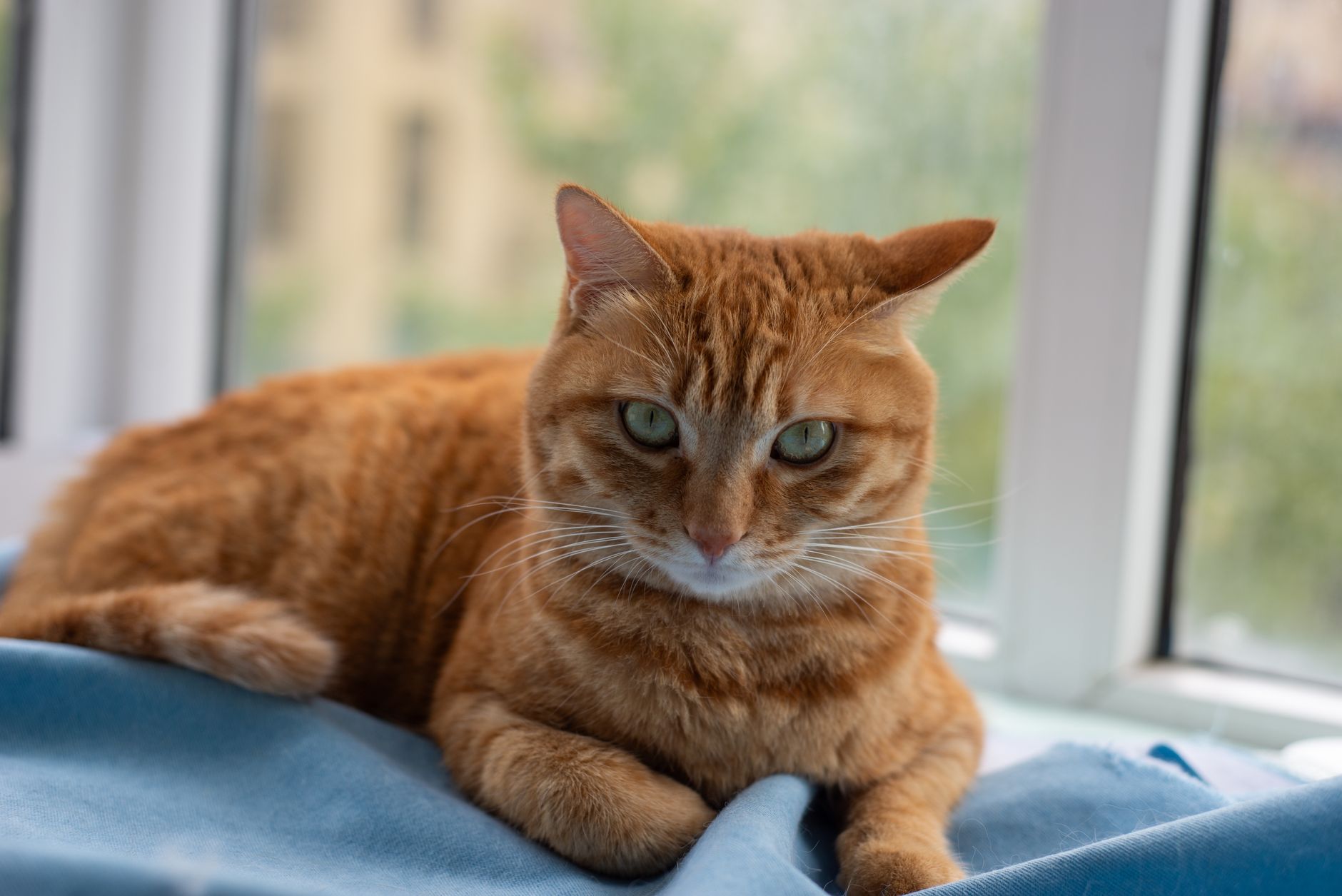
The best indoor cat breeds for apartment living share specific traits: moderate to calm energy levels, adaptability to confined spaces, and comfort with limited outdoor access. Breeds like the British Shorthair, Russian Blue, and Ragdoll consistently thrive in apartments because they don’t require extensive territory to feel satisfied, don’t develop destructive behaviors from confinement, and often actively prefer indoor environments. A British Shorthair, for example, will spend much of its day lounging on furniture and observing from window perches, requiring minimal stimulation compared to high-energy breeds that develop anxiety in smaller spaces.
The distinction between apartment-suitable cats and those that struggle in compact homes often comes down to the individual breed’s evolutionary background and behavioral wiring. Some cats were developed in climates where outdoor roaming is impractical, or were selectively bred for companionship rather than hunting prowess. These breeds don’t interpret apartment living as deprivation; they interpret it as normal life.
Table of Contents
- Which Breeds Actually Adapt Well to Small Spaces?
- Understanding Temperament and Energy in Confined Spaces
- Specific Breeds That Thrive in Apartments
- Setting Up Your Apartment for Indoor Cat Success
- Common Behavioral Issues and Prevention in Tight Quarters
- Age and Temperament Variations Within Breeds
- Matching Individual Personality to Your Living Situation
- Frequently Asked Questions
Which Breeds Actually Adapt Well to Small Spaces?
Not all cat breeds are created equal when it comes to apartment suitability. Breeds developed for small or confined spaces—or those with naturally lower activity requirements—adapt more smoothly to apartments than breeds with high prey drive or territorial needs. The Russian Blue, for instance, is genuinely content in a small one-bedroom because the breed was developed in cold climates where staying indoors was practical. Similarly, Ragdolls are notably uninterested in roaming and climbing; they prefer to follow their owners from room to room and rest on their laps, making them ideal for apartments where space is shared between human and animal. The Cornish Rex and Devon Rex represent a different category: they’re small, energetic breeds that can exercise themselves adequately in compact spaces.
Their unique wavy or curly coats and playful dispositions mean they stay mentally stimulated with a few climbing structures and interactive toys, unlike larger, higher-drive breeds that need dedicated hunting spaces. Siamese cats, though vocal and interactive, actually do well in apartments because their need for stimulation comes primarily from social interaction with humans rather than from territorial roaming. A practical warning: even apartment-friendly breeds can develop stress-related behaviors if they lack environmental enrichment. An unstimulated Russian Blue might become destructive; a bored Ragdoll might develop anxiety. Apartment suitability means the breed can tolerate the space constraint itself, not that it requires no attention or environmental setup.
Understanding Temperament and Energy in Confined Spaces
Energy level is often misunderstood when discussing apartment cats. High energy doesn’t necessarily mean a cat needs a large space; it means the cat needs opportunities to express its natural behaviors within whatever space exists. The Bengal cat, for example, is often considered unsuitable for apartments not because of size but because the breed’s strong prey drive and need for complex play can translate into destructive behavior if not properly managed. Conversely, the British Shorthair has moderate energy and a naturally calm demeanor—it’s equally satisfied napping alone as it is playing, which makes apartment living predictable and peaceful. The Scottish Fold presents an interesting case because the breed’s physical structure—notably, their folded ears and stocky build—influences their behavior.
Scottish Folds have a lower inclination to climb and explore than many breeds; they’re less likely to knock items off shelves or scale high furniture, which matters significantly in an apartment where you can’t absorb constant noise and damage. Their preference for being present with their humans rather than independently roaming makes them naturally suited to shared, compact living. A significant limitation to recognize: some apartment-friendly breeds can develop health issues exacerbated by sedentary indoor living. Overweight is common in indoor cats generally, but breeds like the Ragdoll and British Shorthair have a genetic predisposition to obesity because they’re less naturally active than some other cats. An apartment cat requires deliberate exercise and feeding management, not just suitable temperament.
Specific Breeds That Thrive in Apartments
The Maine Coon is counterintuitive on apartment lists because of its size—it’s one of the largest domestic cat breeds—yet many Maine Coons adapt beautifully to apartments. The key is that Maine Coons are dog-like in their companionship needs; they want to be near their humans more than they want to explore territory. A Maine Coon in a one-bedroom apartment will follow you from room to room and sleep in your bed, occupying less psychological space than a smaller cat that needs to patrol territory. They’re also naturally quiet and less likely to vocalize or express frustration through destructive behavior. The Abyssinian is sometimes overlooked for apartments because the breed is notably active, but Abyssinians have vertical energy rather than horizontal roaming energy.
They’re born climbers and jumpers, which means they stay entertained and exercised in a modest apartment if you provide appropriate vertical infrastructure—cat trees, wall-mounted shelves, and climbing structures. An Abyssinian might spend hours leaping between different heights in a small space, getting the aerobic exercise it needs without requiring access to outdoor territory. The Birman offers a middle ground between the Ragdoll’s passive companionship and the Abyssinian’s active play. Birmans are moderately social, fairly quiet, and have a calm-but-not-sedentary temperament. They typically adapt well to apartment layouts and don’t become anxious in small spaces, though they do benefit from consistent interactive play to prevent weight gain.
Setting Up Your Apartment for Indoor Cat Success
Physical space is less important than structural enrichment. A 500-square-foot apartment with a single large cat tree and multiple window perches can satisfy a cat breed better than a 2,000-square-foot apartment with blank walls and no vertical features. For apartment-dwelling cats, vertical space is functional space. A cat tree that reaches eight feet tall in a small bedroom effectively multiplies the usable environment. Window perches serve dual purposes: they provide observation points that satisfy the cat’s natural hunting instinct (watching birds outside) and give the cat a sense of territory within a limited footprint.
The practical tradeoff is between aesthetic preferences and cat welfare. Apartment living often means visible cat furniture, scratching posts, and climbing structures in your living space. Some owners solve this by choosing furniture that matches their decor or by relocating cat structures to bedrooms and less-visible areas. The compromise is that your cat gets less access to enrichment, which is a genuine limitation. Breeds like the Ragdoll that are less inclined to climb can work in apartments with minimal vertical infrastructure, but more active breeds like the Devon Rex genuinely need elevated space to stay content.
Common Behavioral Issues and Prevention in Tight Quarters
Litter box management becomes more consequential in apartments, particularly in smaller units or those with poor ventilation. A single litter box serving one cat in a 1,000-square-foot apartment is theoretically acceptable, but in practice, cats prefer multiple boxes—the standard recommendation is one box per cat plus one additional box. In a compact apartment, this can feel burdensome, but poor litter box management leads to inappropriate elimination, which is significantly harder to manage in a shared apartment than a destructive scratch or a knocked-over item. Location matters as much as quantity; the litter box should be distant from the cat’s food and sleep areas but not so hidden that the cat associates it with isolation. Noise sensitivity is a practical consideration that varies by breed but affects all apartment dwellers. Siamese and Oriental cats are notably vocal, which can strain neighbor relationships.
Even apartment-friendly breeds communicate, but Siamese cats can produce sounds that carry through walls. If you live in a building with thin walls, a quieter breed like the British Shorthair or Russian Blue reduces the risk of noise-related conflict, whereas adopting a young Siamese might mean managing neighbor complaints for the next 15 years. A significant warning: obesity is both more common and more consequential in apartment cats. Indoor cats are less active than outdoor cats, and apartment living compounds this because the cat’s territory is genuinely limited. Breeds predisposed to weight gain—British Shorthairs, Ragdolls, and Birmans—need structured feeding (measured portions, not free-feeding) and interactive play to maintain healthy weight. Obesity in cats leads to diabetes, joint problems, and shortened lifespan, and it’s harder to correct once established.
Age and Temperament Variations Within Breeds
Apartment suitability shifts with age. A young Devon Rex in an apartment can be genuinely challenging because the breed’s high play drive and need for stimulation mean the cat will express frustration through destructive behavior if not heavily engaged. The same breed at four years old might be perfectly content in the same apartment because energy levels decline with maturity.
If you’re choosing an apartment cat, prioritizing an adult over a kitten reduces the risk of behavior problems; a shelter cat already accustomed to indoor living might adapt better than a young cat still discovering boundaries. The Russian Blue exemplifies this principle because the breed’s personality isn’t just calm—it’s actively reserved and somewhat independent. Even young Russian Blues are content to entertain themselves quietly, whereas a young Ragdoll might seem distressed despite the breed’s overall apartment suitability.
Matching Individual Personality to Your Living Situation
Beyond breed tendencies, individual personality matters. Some British Shorthairs are more interactive than others; some Ragdolls are more independent than their breed stereotype suggests. If you live in a studio apartment with irregular work hours and limited time for play, a Ragdoll or British Shorthair that’s genuinely content alone is better suited than a Siamese that requires daily human interaction and becomes stressed by solitude.
Conversely, if you work from home and want a responsive companion, a moderately social breed like the Birman or Scottish Fold that engages with your presence might satisfy you better than a perfectly calm but aloof Russian Blue. The Devon Rex requires commitment to interactive play but offers unique engagement—the breed bonds intensely with owners and participates actively in household activities. The tradeoff is that a Devon Rex left alone all day in an apartment will likely develop behavioral problems, whereas a Russian Blue can handle solitude. Visiting a breeder or shelter to spend time with specific cats—not just reading breed descriptions—reveals whether the individual animal matches your apartment lifestyle and time availability.
Frequently Asked Questions
Can large cat breeds like Maine Coons really live in apartments?
Yes, if they’re the right individual. Maine Coons want human companionship over territory, so a Maine Coon often does better in an apartment with an engaged owner than a smaller territorial breed would. However, you need space for their physical size to move comfortably without knocking things over constantly.
How much space does an apartment cat actually need?
There’s no minimum square footage. A 400-square-foot studio with vertical climbing structures can satisfy an apartment-appropriate breed better than a 1,500-square-foot apartment with blank walls. Vertical space functions as usable space for cats.
Which apartment-suitable breeds are quietest?
Russian Blues, British Shorthairs, Scottish Folds, and Birmans are generally quiet. Siamese, Abyssinians, and Cornish Rex are more vocal. If you have noise-sensitive neighbors, temperament matters more than space when selecting a breed.
Do apartment cats need outdoor access?
No. Breeds suitable for apartments are genuinely content indoors if their environment includes enrichment. The distinction is that they don’t feel deprived by indoor-only living, unlike breeds with strong outdoor instincts.
Can you keep an apartment cat entertained without multiple cat trees?
Partially. Window perches, interactive toys, and scheduled play sessions matter more than sheer quantity of furniture. However, some breeds like Abyssinians genuinely need vertical space to express their natural climbing behavior and stay mentally healthy.
What’s the biggest risk for apartment cats?
Obesity from underactivity and overfeeding. Apartment living reduces natural activity, and many apartment-suitable breeds are genetically predisposed to weight gain. Structured feeding and interactive play are non-negotiable for health.