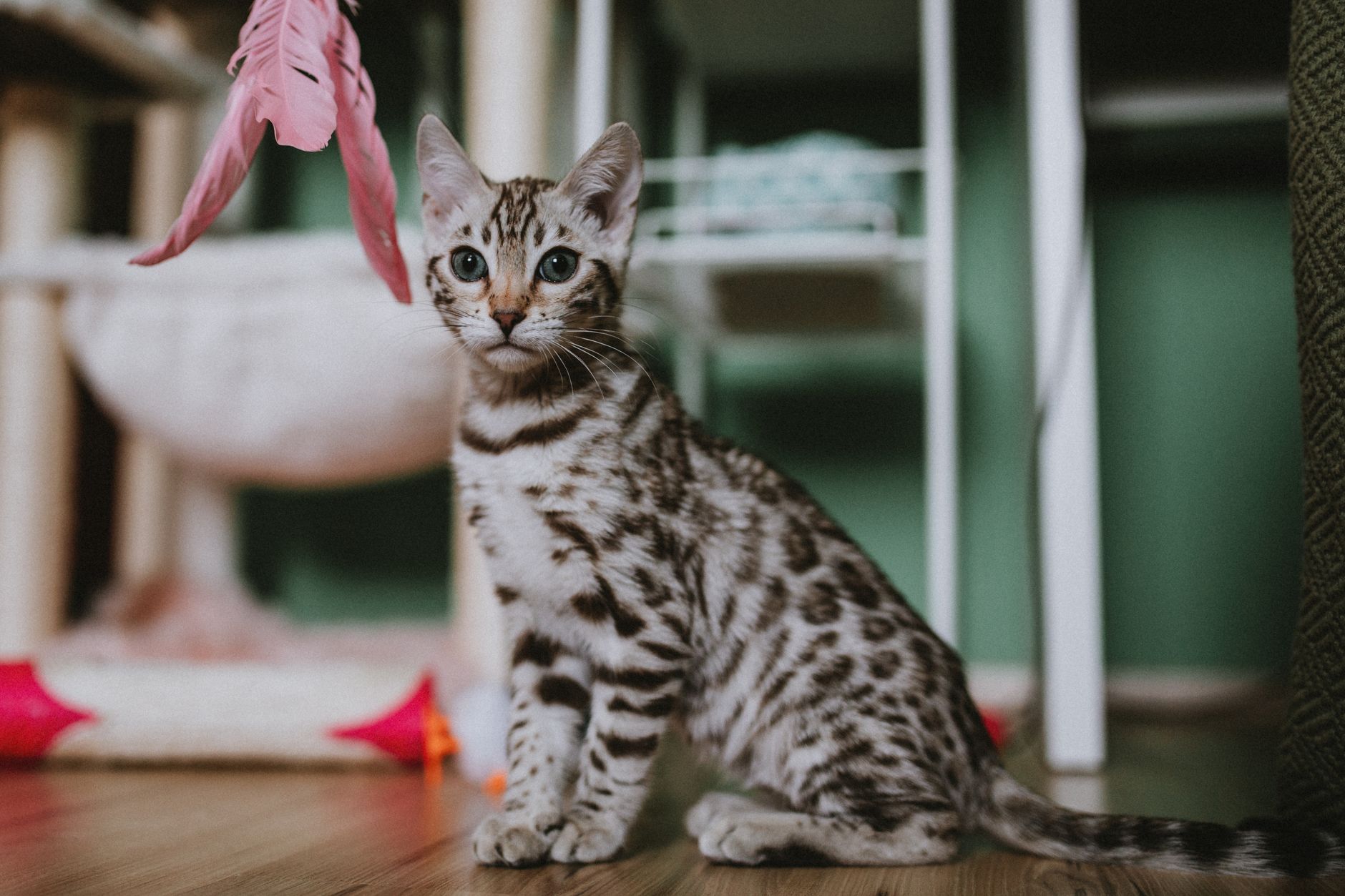
Adopting a kitten requires more than just bringing a small cat home and hoping for the best. New cat parents need to understand eight critical areas—from health and nutrition to behavior and home safety—that determine whether a kitten thrives or struggles in its new environment. A kitten arriving at a new home experiences significant stress as it adjusts to unfamiliar sounds, spaces, and people, making the first days and weeks crucial for building trust and establishing routines that will shape its entire life.
The foundation of successful kitten adoption rests on preparation. Before bringing your new companion home, you should have a veterinary appointment scheduled, appropriate supplies purchased, and a designated safe space ready. For example, many adopters make the mistake of giving a new kitten access to their entire home immediately, overwhelming the animal and leading to behavioral issues like inappropriate elimination or excessive hiding that could have been prevented with a more gradual introduction.
Table of Contents
- How Should You Prepare Your Home for a New Kitten?
- What Health Protocols Must You Follow with a New Kitten?
- How Should You Structure Feeding and Nutrition for a Growing Kitten?
- Why Is Early Socialization Critical During Kittenhood?
- What Health and Behavioral Issues Commonly Arise in New Kittens?
- How Can You Build a Lasting Bond with Your New Kitten?
- When Should You Establish a Relationship with a Veterinarian?
How Should You Prepare Your Home for a New Kitten?
Creating a kitten-proofed environment is one of the most overlooked aspects of adoption, yet it directly affects the kitten’s safety and your peace of mind. kittens are naturally curious and will investigate every corner, climb every surface, and chew on anything that catches their attention. Before your kitten arrives, remove toxic plants, secure electrical cords out of reach, store chemicals and medications in closed cabinets, and block access to small spaces where a kitten could become trapped or injured. Many kittens have been poisoned by common household items like lilies, antifreeze, or cleaning products simply because adopters didn’t realize these dangers existed.
Set up a designated kitten space—a single bedroom or bathroom works well—where your new pet will spend the first week or two. This room should contain a litter box, food and water bowls, toys, a scratching post, and a comfortable bed or hiding spot. Unlike adult cats that often need time to adjust, young kittens actually benefit from a confined space initially; it helps them feel secure, establishes where the litter box is located, and prevents accidents throughout your home. Once the kitten demonstrates comfort in this space and reliably uses the litter box, you can gradually expand its access to other areas.
What Health Protocols Must You Follow with a New Kitten?
Your kitten’s health trajectory depends heavily on establishing proper veterinary care immediately after adoption. Schedule a veterinary exam within the first week, even if the adoption facility already provided vaccines. A veterinarian will assess the kitten’s overall health, check for parasites, confirm vaccination status, and establish a baseline for future care. Many kittens adopted from shelters or rescues carry internal parasites like roundworms or hookworms, which can be asymptomatic but still pose health risks and are transmissible to humans in rare cases.
Vaccination schedules for kittens typically begin at six to eight weeks of age and continue every three to four weeks until sixteen weeks, requiring multiple visits to complete the core vaccine series. Core vaccines protect against feline panleukopenia, feline herpesvirus, and feline calicivirus—diseases that can be severe or fatal in unvaccinated kittens. Your veterinarian will also recommend or administer flea, tick, and worm preventatives appropriate for your kitten’s age and weight. A limitation of early vaccination is that maternal antibodies can interfere with vaccine effectiveness, which is why multiple doses are necessary; however, this protection is essential and the benefits far outweigh any minor drawbacks.
How Should You Structure Feeding and Nutrition for a Growing Kitten?
kittens have dramatically different nutritional requirements than adult cats. They need higher protein levels, increased calories, and specific nutrients like taurine (essential for heart and eye health) and DHA (crucial for brain development). Feed a kitten-specific formula rather than adult cat food, as adult formulations don’t contain the caloric density and nutrient profile a growing animal requires. Most kittens aged eight weeks to one year should be fed three to four times daily, while older kittens (four to twelve months) can transition to two meals daily.
Abruptly changing your kitten’s diet can cause digestive upset, so if you want to switch from whatever food the shelter provided, do so gradually over seven to ten days by mixing increasing proportions of the new food with the old. Portion control matters as much as food quality. Overfeeding a kitten doesn’t make it grow faster or larger; it simply creates an overweight kitten, which increases the risk of diabetes, joint problems, and other health issues that can persist into adulthood. A specific example: a kitten that weighs one pound might need only 250 calories daily, while a kitten weighing three pounds needs around 500 calories—the amounts look deceptively small when you’re scooping them into a bowl. Most kitten foods include feeding guidelines based on weight, and your veterinarian can help you determine the right portions for your individual kitten.
Why Is Early Socialization Critical During Kittenhood?
The period between two and seven weeks of age is considered the critical socialization window for kittens, though positive socialization can and should continue well beyond that timeframe. During this period, kittens are most receptive to new experiences and people; exposing them to various environments, sounds, handling styles, and social situations creates confident, adaptable adult cats. A kitten that has been socialized with respectful handling, different household sounds, and multiple people will generally be more comfortable with veterinary visits, grooming, and unexpected changes throughout its life.
Conversely, a kitten raised in isolation or handled roughly during this window often develops fear and anxiety that persists into adulthood, sometimes leading to behavioral problems like inappropriate aggression or inappropriate elimination. Many adopters unknowingly create problem behaviors by either smothering a new kitten with overwhelming attention or, conversely, letting the kitten hide away unsocialized because they want to avoid stressing it. The balanced approach is regular, gentle interaction without forcing the kitten beyond its comfort zone; allow the kitten to approach you, hold it briefly and gently, and return it when it shows signs of wanting to leave.
What Health and Behavioral Issues Commonly Arise in New Kittens?
Diarrhea is among the most common issues in newly adopted kittens and can stem from dietary changes, stress, parasites, or infectious agents like feline panleukopenia. Many adopters panic at the first sign of loose stool, but mild diarrhea often resolves within a few days with a temporary switch to a bland diet and plenty of fresh water. However, you should contact your veterinarian if diarrhea persists beyond three days, contains blood, is accompanied by vomiting, or if your kitten shows lethargy or loss of appetite, as these signs suggest a more serious condition requiring treatment. Inappropriate elimination—urinating or defecating outside the litter box—is a warning sign that something is wrong, whether medical or behavioral.
A kitten with a urinary tract infection, intestinal parasites, or other health issue may avoid the litter box due to pain or urgency. Before assuming the problem is behavioral, have your veterinarian rule out medical causes. Additionally, a common mistake is not providing enough litter boxes; the rule of thumb is one box per cat plus one extra, so a household with one kitten should have at least two boxes placed in different locations. Some kittens are particular about litter type or box cleanliness, and switching litter brands or keeping boxes too full can cause avoidance behaviors.
How Can You Build a Lasting Bond with Your New Kitten?
Bonding happens through consistent, positive interactions over time, not through intensity. Spending fifteen minutes daily playing with your kitten using wand toys, string toys, or small balls creates positive associations and provides necessary physical exercise. Most kittens have bursts of intense energy followed by periods of rest; playing during these natural energy peaks, then allowing the kitten to rest, mirrors how cats behave naturally and prevents the development of behavioral problems from pent-up energy.
Providing appropriate toys and a rich environment—cat trees, hiding spots, puzzle feeders—keeps a kitten mentally stimulated and physically active. Gentle handling during grooming and routine care also builds trust and makes future veterinary visits and nail trimming less stressful. Many adopters overlook this, but regularly touching your kitten’s ears, paws, and mouth during non-stressful moments normalizes handling and teaches the kitten that such contact can occur without fear. An example: a kitten that has experienced gentle ear handling during play is far less likely to struggle when a veterinarian needs to examine its ears for infection.
When Should You Establish a Relationship with a Veterinarian?
Your kitten needs an established relationship with a veterinarian before any urgent issue arises. Beyond the initial health exam and vaccination series, this relationship ensures you have a trusted professional to call if questions arise and provides continuity of care throughout your kitten’s life. Schedule routine checks at appropriate intervals—typically at adoption, then at eight weeks, twelve weeks, and sixteen weeks if the kitten wasn’t vaccinated by the shelter, and then an annual wellness exam once the primary vaccine series is complete.
A good veterinarian will answer questions about behavior, nutrition, and development without making you feel rushed. They will explain the reasoning behind their recommendations rather than simply prescribing treatments, and they will take time to examine your kitten thoroughly rather than rushing through appointments. When selecting a veterinarian, ask about their experience with kittens, their approach to preventive care, and their availability for emergency situations. A veterinary practice that doesn’t seem kitten-focused or that dismisses your concerns is not a good long-term fit for your new pet.