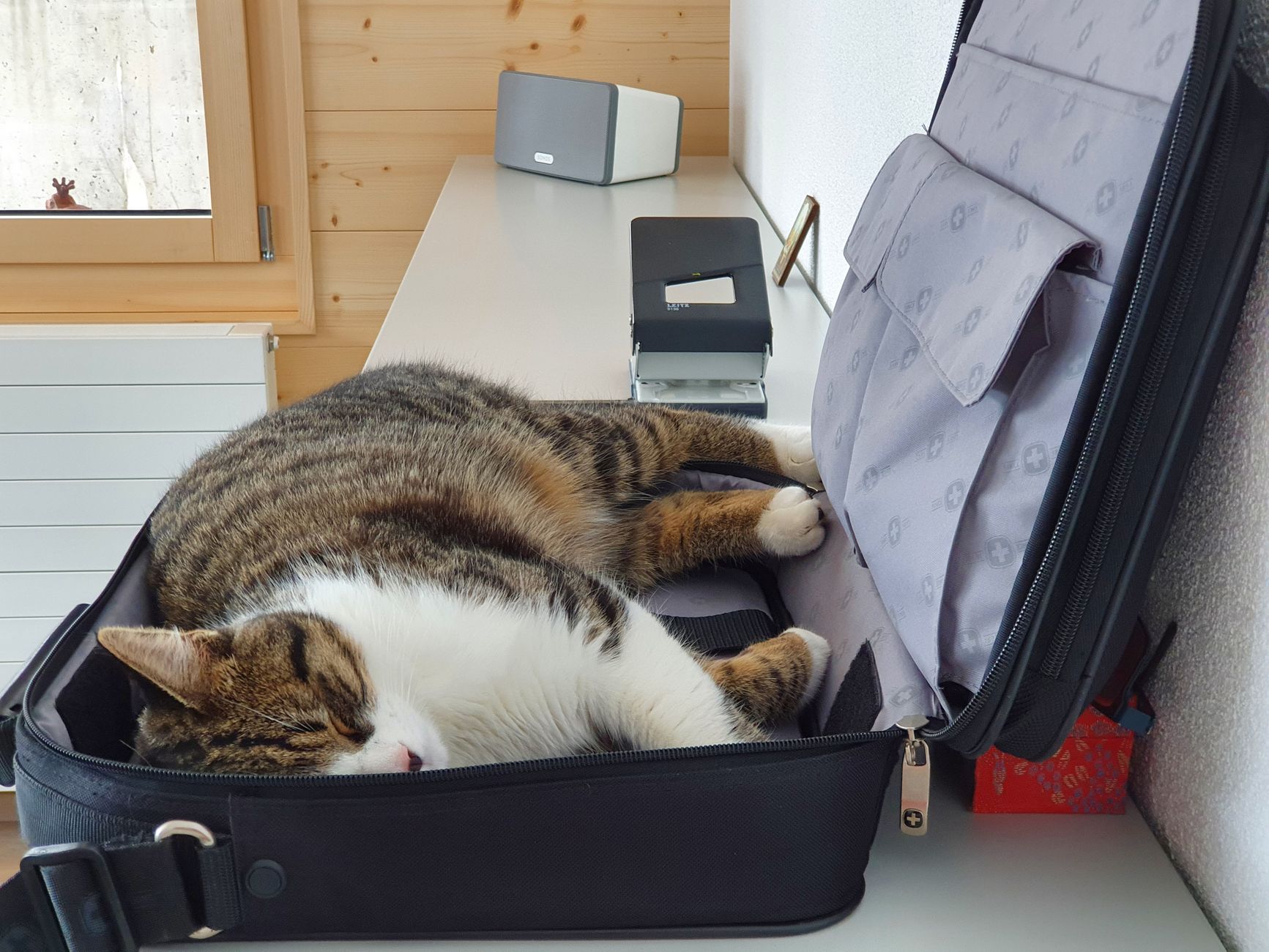
Office cats can significantly reduce employee stress levels when properly integrated into workplace environments, a principle that Japanese companies have increasingly recognized and put into practice. The presence of cats in the workplace creates a calming effect that measurably impacts employee well-being—stroking a cat can lower heart rate and blood pressure, while the simple act of watching a cat can reduce cortisol levels and trigger relaxation responses in the human nervous system. At Japanese companies that have brought cats into their offices, employees report lower anxiety, improved focus, and a stronger sense of connection to their workplace community.
The effectiveness of office cats extends beyond immediate stress relief. Employees who interact with workplace cats throughout the day experience improved mood, increased productivity during high-pressure periods, and enhanced relationships with coworkers. When a group of cats shares office space with staff, the animals become natural conversation starters and gathering points, transforming isolated work environments into places where people actually want to spend their time. This shift in workplace culture can be subtle but powerful—a simple meow or a cat weaving between desks can interrupt the tension of a stressful morning.
Table of Contents
- How Do Office Cats Reduce Workplace Stress in Japan?
- Implementing Office Cats: Practical Challenges and Requirements
- Behavioral and Health Considerations for Office Cats
- Creating a Workplace Environment That Supports Office Cats
- Behavioral Management and Workplace Conflict
- Office Cat Selection and Training
- Cultural Fit and Workplace Context
- Frequently Asked Questions
How Do Office Cats Reduce Workplace Stress in Japan?
The physiological response cats trigger in humans is well-documented. Petting a cat stimulates the release of oxytocin, the same hormone that builds trust and reduces fear responses. In high-stress Japanese workplaces known for demanding schedules and competitive pressure, this biological pathway offers workers a built-in stress management tool that requires no meditation training or special equipment—just a few minutes of interaction with a cat. Studies on human-animal interaction show that even brief contact with cats can lower blood pressure and reduce the stress hormone cortisol, effects that accumulate throughout the day.
Beyond the physical benefits, cats provide psychological relief by offering a non-judgmental presence. Unlike human coworkers, cats don’t critique performance or add to workload pressure. An employee struggling with a difficult project can take a five-minute break to sit with a cat, gaining perspective and emotional regulation before returning to their task. Japanese companies have found that this simple cycle—stress, cat interaction, reset—creates a healthier rhythm throughout the workday than continuous high-intensity focus without breaks.
Implementing Office Cats: Practical Challenges and Requirements
Bringing cats into a workplace requires significant planning and commitment that goes far beyond placing a cat in an office. Proper implementation demands designated care staff, veterinary oversight, clean facilities designed to accommodate feline needs, and clear behavioral guidelines for employee interaction. A common mistake is assuming that having cats will automatically improve workplace culture; without proper care protocols, stressed or confined cats can actually increase workplace tension and create liability issues for the company. Allergies present a substantial limitation that many workplaces overlook. Approximately 10 percent of the population experiences cat allergies, and in close office quarters, cat dander can trigger reactions in employees who weren’t previously sensitive.
Japanese workplaces implementing office cat programs must establish separate areas for allergic employees and implement rigorous air filtration systems. Some companies have discovered that their cat programs inadvertently created working conditions that disadvantaged certain employees—a warning sign that the initiative requires careful accommodation planning. The emotional labor of cat care also falls unevenly within organizations. Without clear policies, the responsibility for feeding, litter maintenance, and veterinary appointments often defaults to a few dedicated employees rather than being distributed fairly. This can actually increase stress for the people charged with animal care, creating the opposite of the intended effect. successful office cat programs establish formal care schedules and budgets, treating animal welfare as a company responsibility rather than asking employees to volunteer their personal time and resources.
Behavioral and Health Considerations for Office Cats
Cats brought into workplace environments experience stress themselves, and their well-being directly impacts their ability to provide stress relief to others. A cat confined to an office for eight hours daily without environmental enrichment—climbing structures, perches, hiding spaces, or interactive play—can develop behavioral problems including aggression, litter box issues, and depression. These behaviors can undermine the entire purpose of the program, making the cat a source of frustration rather than comfort. Japanese companies that have successfully implemented office cat programs invest in proper environmental design that allows cats to express natural behaviors like climbing, scratching, and retreating to quiet spaces.
Workplace cats also require veterinary care, vaccination monitoring, and parasite prevention—ongoing costs that must be budgeted appropriately. A cat with untreated medical issues or dental disease may hiss at employees, refuse interaction, or exhibit withdrawn behavior that employees interpret as aloofness rather than illness. Without regular veterinary oversight, the cat’s declining health can paradoxically increase workplace stress rather than reduce it. Companies must commit to professional veterinary care as a non-negotiable component of workplace cat programs.
Creating a Workplace Environment That Supports Office Cats
The physical office space itself must be redesigned to accommodate cats safely and comfortably. This includes escape-proof areas, secure windows to prevent falls, non-toxic plants only (many common office plants are toxic to cats), and designated cat areas that are separate from food preparation and administrative spaces where feline presence might violate health codes. Japanese office design often features open floor plans and glass partitions; companies adding cats must retrofit these spaces with enclosed areas where cats can retreat when overstimulated. The contrast between an open office designed for human interaction and a cat-friendly space designed for feline behavior requires thoughtful integration.
Temperature control and air quality become more critical with cats in the building. Office cats need consistent temperatures—cats are sensitive to cold and excessive heat—and air filtration systems must be upgraded to manage dander while maintaining clean air quality for humans with mild allergies. Some workplaces have found that the cost of upgrading HVAC systems for cat-compatible offices rivals the cost of the cats themselves. The practical tradeoff involves whether these infrastructure improvements justify the stress-reduction benefits, particularly in retrofit situations where offices weren’t originally designed with animals in mind.
Behavioral Management and Workplace Conflict
Not all employees bond equally with cats, and forcing interaction or tolerating disruptive cat behavior can create workplace tension rather than relieve it. Some people fear cats or feel uncomfortable around them; others find cat hair on their clothing unprofessional. A cat that scratches furniture or investigates employees’ workspaces without boundaries can generate complaints and conflict.
Clear behavioral expectations for both cats and employees—including training on proper handling, designated petting areas, and consequences for rough interaction—are essential to prevent office cat programs from creating the very stress they aim to reduce. The presence of cats can also enable distraction in ways that impair productivity for certain employees or roles. While a cat napping nearby might reduce stress for someone doing creative work, the same cat walking across a keyboard or demanding attention during a video conference can frustrate employees whose work requires concentration. Workplaces must acknowledge that office cats work better for some roles and personalities than others, and that universalizing the program may inadvertently create stress for people who need quiet, distraction-free environments to perform well.
Office Cat Selection and Training
Choosing the right cats for a workplace environment requires understanding feline temperament and selecting animals specifically suited to human interaction. Adult cats with confirmed calm, social personalities work better than kittens or anxious cats. Some workplaces partner with animal rescue organizations to adopt cats that might otherwise be difficult to place—senior cats or animals with special needs who thrive in quiet, structured environments.
The trade-off is that rescue cats may have unknown histories or behavioral needs that require patience and professional behavior consultation. Cats benefit from acclimatization to the workplace before full introduction to staff. A period of adjustment in a single quiet office space, with gradual exposure to different areas and people, helps cats adapt to the unusual stimulation of an office environment. Rushing this process can result in stressed, hiding cats that provide no stress relief to anyone.
Cultural Fit and Workplace Context
Japanese workplaces have particular advantages in implementing office cat programs due to cultural attitudes toward cats and animal companionship. Japanese design philosophy emphasizes harmony between humans and nature, and the intentional integration of living things into built environments aligns with these aesthetic values.
However, the success of office cats in any workplace ultimately depends on company culture, management commitment to animal welfare, and employee agreement rather than national context alone. A company that implements office cats purely for marketing purposes without genuine commitment to animal care will find that employees recognize the inauthenticity, undermining the very stress-reduction benefits the program intended to provide.
Frequently Asked Questions
Are there health risks to having cats in office environments?
Allergies are the primary concern, affecting approximately 10 percent of the population. Cat dander can trigger reactions in close office quarters, requiring separate spaces for allergic employees and upgraded air filtration systems. Regular veterinary care ensures office cats don’t carry parasites or diseases that affect employee safety.
What breeds or types of cats work best in offices?
Adult cats with confirmed calm, social temperaments work better than kittens or anxious animals. Many successful programs adopt senior cats or animals with special needs from rescue organizations, as these cats often appreciate the quiet, structured environment offices provide.
How much does it cost to maintain office cats?
Costs include veterinary care, food, litter, environmental modifications (climbing structures, cat rooms, upgraded HVAC), and dedicated staff time for daily care. These ongoing expenses must be formally budgeted rather than informally distributed among employees.
Can office cats improve workplace productivity?
Cats improve productivity for some employees and roles by reducing stress and providing mental breaks. However, cats can distract employees who require silence and concentration, meaning the program works better for some positions than others.
What happens to office cats after hours and on weekends?
Successful programs employ full-time or part-time care staff, or arrange overnight care agreements with local veterinarians or pet sitters. Cats cannot be left unattended overnight without food, water, and litter care.
How do you prevent office cats from causing conflict among employees?
Clear behavioral guidelines for both cat and human interaction, designated petting areas, and training on proper handling reduce conflicts. Acknowledging that not all employees enjoy cat interaction prevents forced participation.