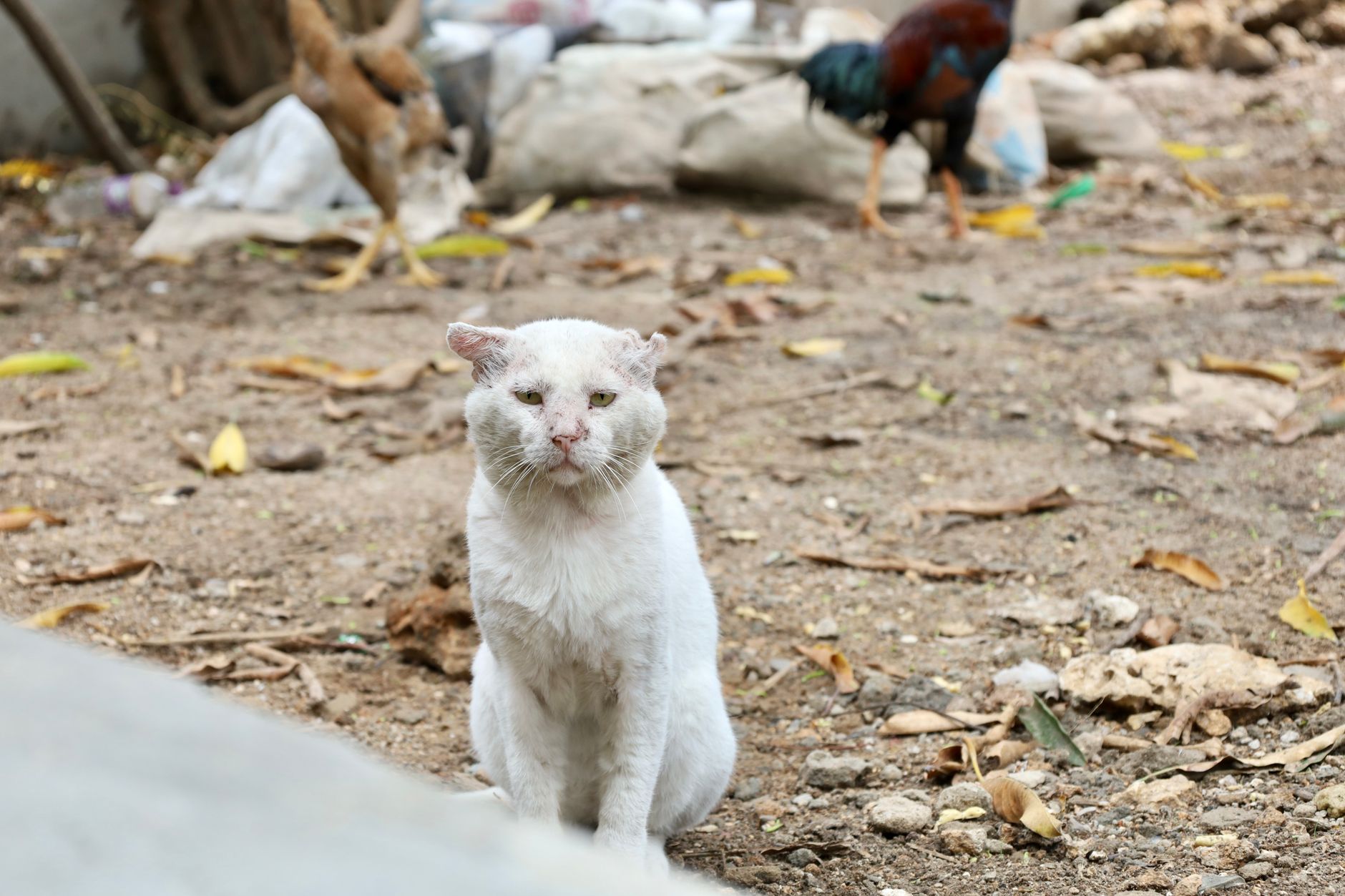
Bird flu can spread from a domestic cat to a person, but this has been documented only once, and the risk to most cat owners remains low. In May 2026, the CDC reported the first known cat-to-human H5N1 case: a veterinary worker who caught the virus from an infected cat but never got sick. H5N1 is a strain of avian influenza ("bird flu") that mainly infects birds but can jump to mammals, including cats and, rarely, humans. This article explains what that single case actually showed, how cats get infected, and the concrete steps that lower risk for you and your pet.
Table of Contents
- What the first cat-to-human case actually showed
- How do cats catch bird flu in the first place?
- How worried should cat owners be?
- Practical steps to lower the risk
- Warning signs of H5N1 in a cat
- Frequently Asked Questions
What the first cat-to-human case actually showed
The documented case came out of a Los Angeles County investigation between December 2024 and January 2025. A veterinary professional who handled an infected domestic cat later showed antibody evidence of H5N1 infection, according to the CDC's May 2026 report. The important detail: the worker had no symptoms. Standard RT-PCR testing — the nasal-swab method used in most flu surveillance — came back negative.
The infection surfaced only through blood antibody testing, which means routine screening can miss these quiet cases entirely. Investigators offered serologic testing to 25 exposed people. Only that one person showed evidence of infection, and no spread from person to person was found. So while this proved cat-to-human transmission is possible, it also showed the event was isolated and mild.
How do cats catch bird flu in the first place?
cats are highly susceptible to the H5N1 clade circulating now, and infection is often severe. The AVMA reports that infected cats frequently develop serious neurologic and respiratory disease that is often fatal. Most feline cases trace back to a few sources: contact with poultry, dairy farm environments, wild birds, or — importantly — raw diets.
In the Los Angeles outbreak, 19 domestic cats fell ill after eating commercially purchased raw milk, raw meat, or raw pet food. That makes raw food a documented exposure route sitting right inside the home, not just a farm hazard. A cat does not need to hunt a wild bird to be at risk if its bowl contains uncooked animal products.
How worried should cat owners be?
For the general public, the CDC still rates the overall risk as low. Its June 2026 global summary reports no sustained person-to-person transmission of H5N1. The numbers give useful scale. The same summary counts 71 U.S.
human cases with 2 deaths from 2024 through May 2026, plus 12 more international cases between August 2025 and June 2026, including 3 deaths in Bangladesh and Cambodia. Human infection remains rare, and cat-linked infection rarer still. The realistic concern is not a household pandemic. It is that cats can get gravely ill, and that people with heavy animal exposure — vets, shelter staff, owners of sick cats — sit closest to the small risk that does exist.
Practical steps to lower the risk
Prevention advice from the CDC and AVMA focuses on removing the exposures we already know about. The steps below are concrete and worth acting on:.
- Do not feed cats raw meat, raw milk, or raw pet food; choose cooked or properly processed commercial diets instead.
- Limit unsupervised outdoor time to reduce contact with wild birds and their droppings.
- Keep cats away from poultry, dead birds, and dairy farm environments.
- If your cat is sick, use personal protective equipment — gloves and a mask — when handling it or cleaning up, as advised in the AVMA's coverage of the case.
- Contact your veterinarian promptly if a cat shows neurologic or respiratory symptoms, and mention any raw-food or outdoor exposure.
Warning signs of H5N1 in a cat
Because feline illness is often severe and fast-moving, knowing the signs helps you act early. Watch for: These symptoms have many possible causes, so they are not proof of bird flu.
But paired with recent exposure to raw food, wild birds, or a farm setting, they are a reason to call your vet and mention H5N1 specifically. Handle a symptomatic cat with gloves until you have guidance.
- Sudden lethargy, loss of appetite, or fever
- Respiratory trouble — labored breathing, nasal or eye discharge
- Neurologic signs such as tremors, seizures, disorientation, or loss of coordination
Frequently Asked Questions
Can my indoor-only cat get bird flu?
The main documented indoor exposure is raw food. An indoor cat fed raw milk, raw meat, or raw pet food can still be exposed, which is why cooked or commercial diets are recommended.
Can I catch H5N1 from petting my cat?
The one known cat-to-human case involved a veterinary worker with close handling of an infected cat, and the person had no symptoms. No sustained human transmission has been found, and casual contact risk appears very low.
Does a negative flu swab mean my cat's caregiver is in the clear?
Not entirely. In the documented case, standard RT-PCR was negative and infection showed only on antibody testing, so a negative swab cannot fully rule out a mild past exposure.