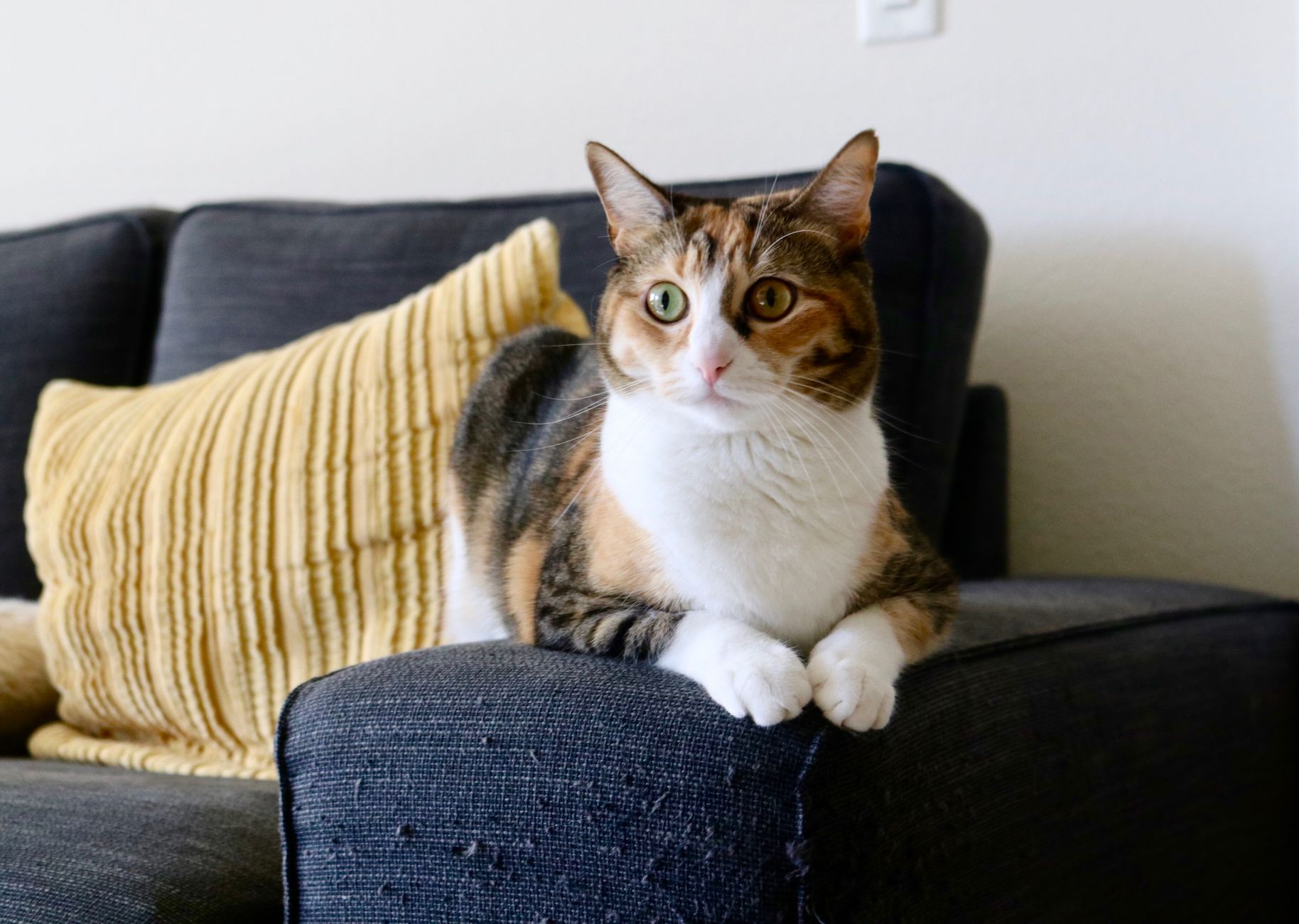
Cat insurance in 2026 is a reimbursement policy that pays you back for covered vet bills after you pay the clinic. This guide links coverage choices to cat symptoms, home safety, and care options with key facts and questions to ask. It helps you compare Accident and Illness plans, Wellness add-ons, and out-of-pocket care. Use it before your cat gets sick, when choices are widest.
Table of Contents
- What does a cat plan cover?
- How much will coverage cost?
- Which symptoms need prompt care?
- How can you make daily feeding safer?
- What should you ask before you buy or approve care?
What does a cat plan cover?
Progressive describes its January 2026 pet product as Accident and Illness plans for emergency care, surgery, and medications. It offers an optional Wellness endorsement for vaccinations, dental cleaning, and annual exams. Most pet insurers exclude pre-existing, hereditary, and congenital conditions, enforce waiting periods before benefits begin, set age limits, and may require a veterinary exam to certify health, according to the National Association of Insurance Commissioners in its pet insurance topics guide.
Check exclusions, waiting periods, and exam rules before you enroll. Florida adopted NAIC-model pet-insurance rules in April 2025 effective January 1, 2026. Insurify reported only 14 states then had extra pet-specific protections, so disclosure and claim rights vary elsewhere.
How much will coverage cost?
Average United States pet-insurance premiums as of June 2026 were $23 per month for cats and $43 per month for dogs, according to Insurify analysis in its June 2026 rate report. Prices varied by species, age, breed, location, deductible, and reimbursement rate, with 5 to 15 percent increases expected in 2026.
Progressive reported its own pet average around $47 per month by age and breed. Compare deductibles and reimbursement percentages side by side, because a lower premium often means higher out-of-pocket costs later.
Which symptoms need prompt care?
Cornell veterinarians list key cat-illness symptoms requiring prompt care as increased thirst and urination, weight loss, diminished appetite, vomiting, lethargy, pale gums, and poor coat, according to Cornell University College of Veterinary Medicine in its feline renal health information. These signs are typical of chronic kidney and urinary disease in older cats.
Cornell reports feline chronic gingivostomatitis causes painful mouth inflammation and ulcers and accounts for 0.7 to 12 percent of feline practice cases. Cornell also notes most cats over age 4 have some dental disease needing routine brushing and veterinary dental care.
- Drinking and urinating more than usual
- Eating less, vomiting, or losing weight
- Low energy, pale gums, or dull coat
- Drooling, mouth pain, or bad breath
How can you make daily feeding safer?
Raw cat foods carry higher Salmonella and Listeria monocytogenes risk, according to the Food and Drug Administration in its animal health literacy guidance. In one study cited by the agency, 15 of 196 raw samples had Salmonella and 32 had L.
monocytogenes. The agency advises hand, bowl, and surface washing and cooking meat. Wash bowls daily, store food as directed, and ask your veterinarian about complete nutrition for age and health needs.
What should you ask before you buy or approve care?
The American Veterinary Medical Association advises owners facing higher 2026 veterinary costs to ask for a written estimate, an itemized bill, and which treatments are essential versus optional. It also recommends insurance questions on annual limits, reimbursement percentage, pre-existing exclusions, and direct vet payment.
- What is the annual limit and reimbursement percentage
- What counts as pre-existing for my cat
- Does the clinic accept direct payment from the insurer
- Which treatments are urgent and which can wait