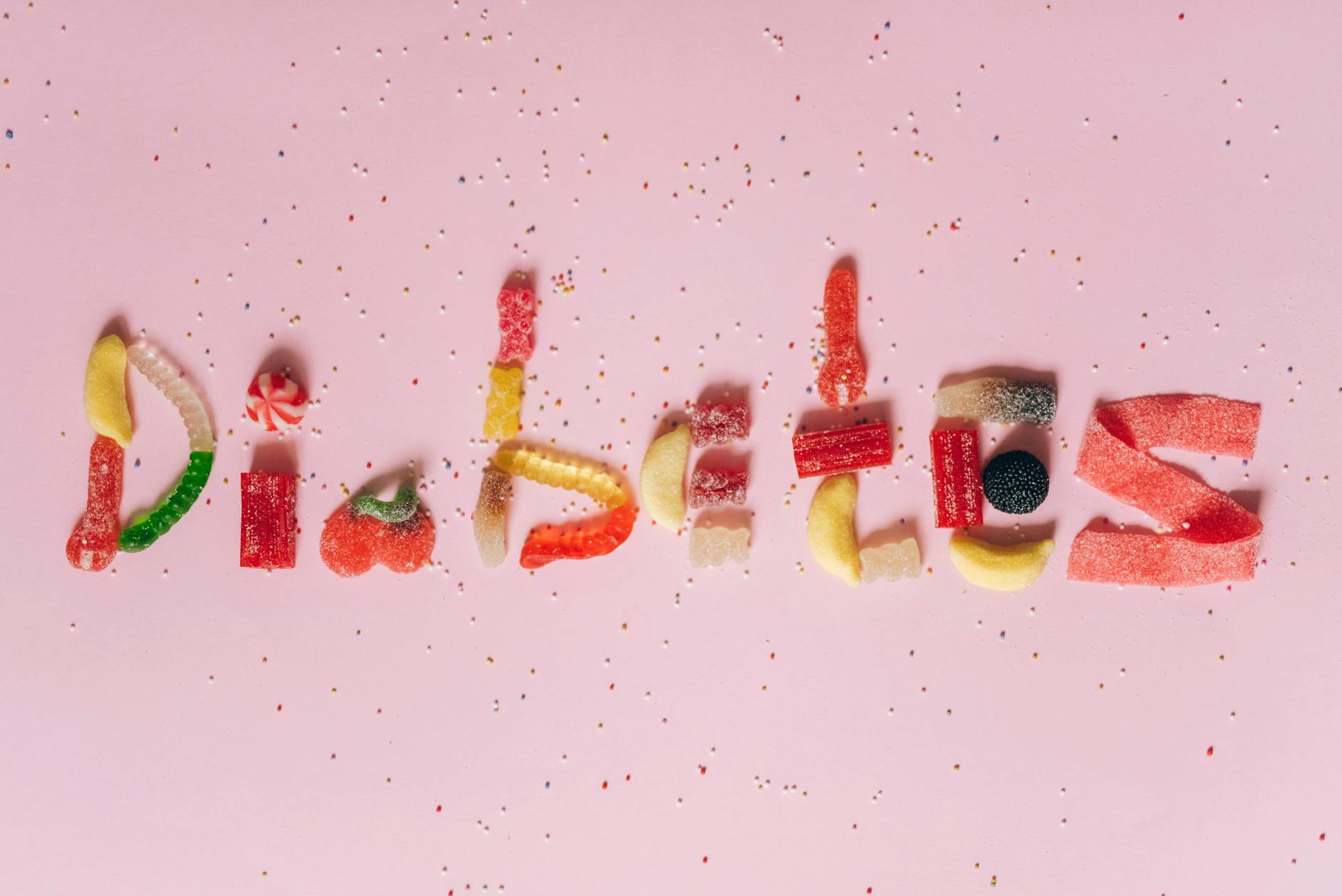
No, cats should not eat candy, and most types of candy pose genuine health risks ranging from digestive upset to fatal poisoning. Cats lack the taste receptors for sweetness entirely, so there is no pleasure or nutritional benefit in offering them sugary treats. A single piece of sugar-free gum containing xylitol, for instance, can cause a dangerous drop in blood sugar and liver failure in a cat within hours.
Even plain sugar-based candy offers nothing but empty calories and the potential for gastrointestinal distress. This article breaks down exactly why candy is harmful to cats, which specific ingredients are most dangerous, and what symptoms to watch for if your cat accidentally gets into a candy stash. We will also cover what to do in an emergency, how cats process sugar differently than humans, and what safe treat alternatives actually exist for feline companions.
Table of Contents
- Why Can’t Cats Eat Candy Without Health Risks?
- Which Candy Ingredients Are Most Dangerous to Cats?
- What Happens When a Cat Accidentally Eats Candy?
- What Should You Do If Your Cat Eats Candy?
- How Sugar and Carbohydrates Affect Feline Health Over Time
- Safe Treat Alternatives That Cats Actually Enjoy
- Keeping Candy Out of Reach During Holidays and Events
- Conclusion
- Frequently Asked Questions
Why Can’t Cats Eat Candy Without Health Risks?
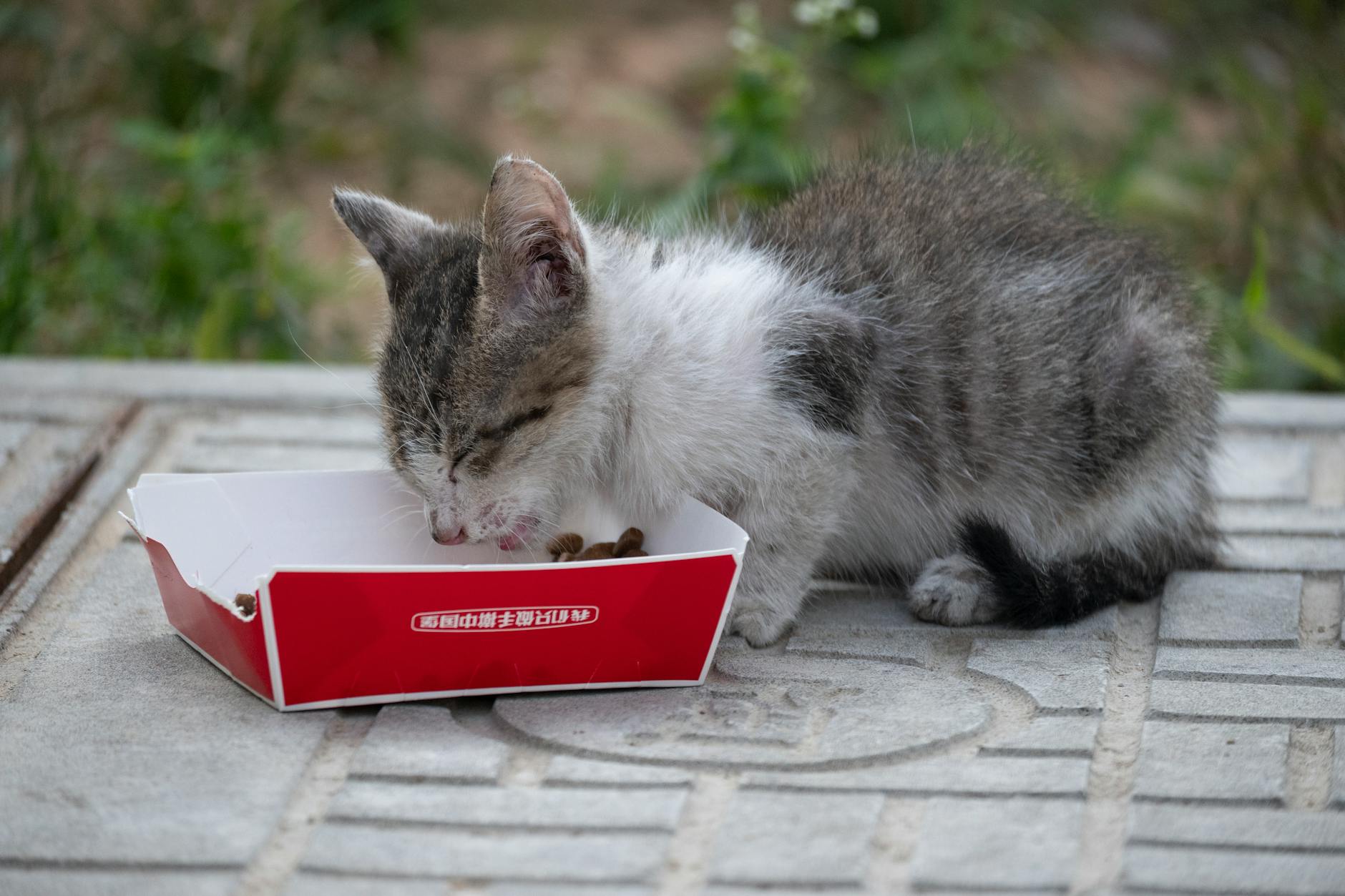
Cats are obligate carnivores, meaning their digestive systems evolved to process meat protein and animal fat, not processed sugars or plant-based sweeteners. Unlike dogs or humans, cats carry a mutation in their Tas1r2 gene that renders their sweet taste receptors nonfunctional. They literally cannot taste sweetness. So when a cat chews on a piece of candy, it is usually attracted to the fat content, the texture, or simple curiosity rather than the flavor profile a human would enjoy. The health risks come from multiple angles.
Refined sugar can cause vomiting, diarrhea, and over time contribute to obesity and feline diabetes. chocolate contains theobromine, which cats metabolize far more slowly than humans, making even a small amount of dark chocolate potentially lethal for a ten-pound cat. Artificial sweeteners like xylitol, commonly found in sugar-free candy and gum, are acutely toxic to cats, triggering insulin release that crashes blood sugar levels within thirty minutes of ingestion. Compared to dogs, cats are actually less likely to seek out candy on their own because they cannot detect the sweetness. However, cats are notoriously curious about wrappers, crinkly packaging, and small objects they can bat around. A cat that tears open a candy wrapper out of boredom may ingest pieces of both the candy and the wrapper, adding a choking or intestinal blockage risk on top of the toxicity concern.
Which Candy Ingredients Are Most Dangerous to Cats?
The worst offender is xylitol, a sugar alcohol used in sugar-free candy, mints, and gum. In cats, xylitol triggers a rapid spike in insulin production that can cause hypoglycemia within fifteen to thirty minutes. Symptoms include vomiting, loss of coordination, and seizures. If untreated, liver failure can follow within twenty-four to seventy-two hours. Even a fraction of a gram per pound of body weight is considered a dangerous dose. Chocolate ranks as the second most dangerous common candy ingredient. Theobromine and caffeine, both present in chocolate, are methylxanthines that cats cannot efficiently metabolize.
Dark chocolate and baking chocolate contain the highest concentrations, roughly 130 to 450 milligrams of theobromine per ounce, while milk chocolate contains around 44 to 58 milligrams per ounce. A cat weighing eight pounds could experience toxic effects from as little as half an ounce of dark chocolate. White chocolate contains negligible theobromine but is still loaded with fat and sugar that can trigger pancreatitis. However, if your cat licks a small amount of plain sugar from a dropped piece of hard candy, the situation is far less urgent than if it consumed chocolate or xylitol. A single lick of a lollipop is unlikely to cause more than mild stomach upset. The critical distinction is between incidental sugar exposure and actual ingestion of toxic compounds. Raisins and macadamia nuts found in certain candy or trail mix blends also carry independent toxicity risks, so mixed candy products deserve extra caution.
What Happens When a Cat Accidentally Eats Candy?
The symptoms depend on what type of candy was consumed and how much. With sugar-based candy, a cat might experience soft stool or diarrhea within six to twelve hours. The cat may also vomit if it ate a large quantity or if the candy contained dairy ingredients like caramel or toffee, since most adult cats are lactose intolerant. These symptoms typically resolve on their own within a day, though you should ensure the cat stays hydrated. With chocolate ingestion, symptoms escalate in severity. A cat that ate a piece of a milk chocolate bar might show restlessness, increased heart rate, and vomiting within two to four hours. Higher doses bring tremors, rapid breathing, and potentially seizures.
One documented veterinary case involved a six-pound domestic shorthair that consumed roughly one ounce of semi-sweet baking chocolate chips left on a kitchen counter. The cat presented with vomiting, an elevated heart rate of 280 beats per minute, and mild tremors. Treatment involved induced vomiting, activated charcoal, and intravenous fluids over forty-eight hours. The cat recovered, but the bill exceeded eight hundred dollars. Xylitol poisoning progresses fastest of all. A cat may appear normal for the first fifteen minutes and then rapidly become lethargic, lose coordination, and collapse. Because the window between ingestion and crisis is so short, xylitol cases are genuine emergencies that require immediate veterinary attention rather than a wait-and-see approach.
What Should You Do If Your Cat Eats Candy?
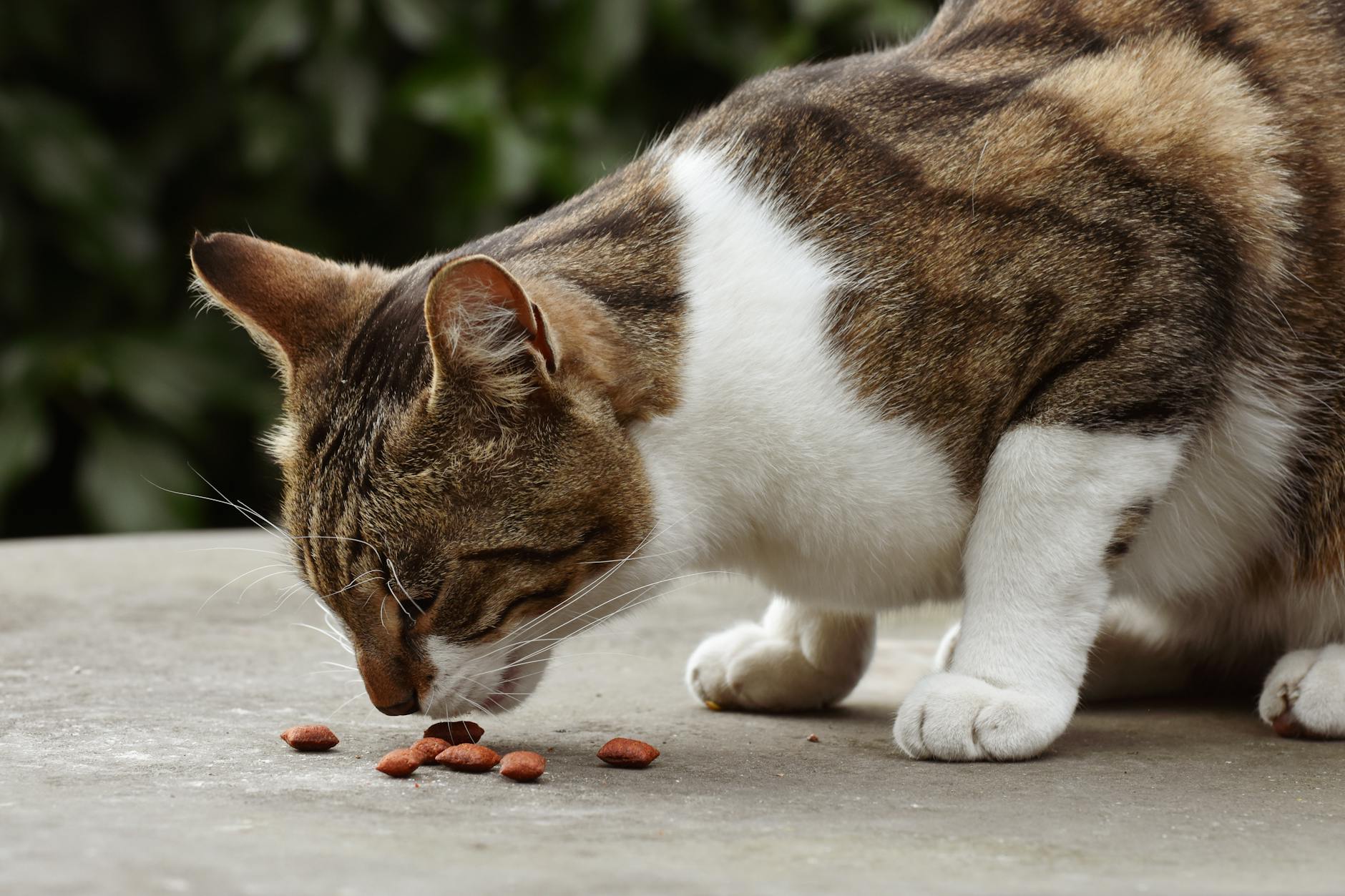
The first step is to identify what the cat ate and estimate how much. Check the ingredient label on the candy packaging if it is available. Knowing whether the product contains xylitol, chocolate, or just plain sugar will determine how urgently you need to act. If xylitol or chocolate is involved, contact your veterinarian or the ASPCA Animal Poison Control Center at 888-426-4435 immediately. Do not wait for symptoms to appear. Do not attempt to induce vomiting at home unless specifically instructed to do so by a veterinarian. Hydrogen peroxide, commonly used to induce vomiting in dogs, is not safe for cats and can cause severe gastric ulceration and hemorrhaging.
Cats have a different physiological response to emetics, and the wrong intervention can cause more damage than the candy itself. Your vet may administer an injectable emetic like dexmedetomidine or alpha-2 agonists in a controlled clinical setting, which is far safer. The tradeoff between rushing to the emergency vet and monitoring at home comes down to the ingredient and the amount. For a cat that licked some sugar residue off a hard candy, monitoring at home for twelve hours is reasonable. For a cat that chewed and swallowed a piece of chocolate or anything sugar-free, the cost of a vet visit is trivial compared to the risk of organ failure. When in doubt, call the poison control hotline first. The consultation fee is typically around seventy-five dollars, but the guidance can save your cat’s life and spare you a much larger emergency bill.
How Sugar and Carbohydrates Affect Feline Health Over Time
Even if a particular piece of candy does not contain an acutely toxic ingredient, regular sugar exposure carries its own long-term consequences for cats. Feline diabetes mellitus has been rising in prevalence over the past two decades, and veterinary nutritionists consistently point to high-carbohydrate diets as a contributing factor. A cat’s pancreas is not designed to handle repeated insulin surges from processed sugar intake. Over months or years, this can lead to insulin resistance and eventually clinical diabetes requiring twice-daily injections. Obesity is the more immediate concern. An average ten-pound cat needs roughly 200 to 250 calories per day.
A single fun-size chocolate bar contains around 80 calories, which represents a third of that cat’s entire daily caloric requirement delivered as nutritionally empty sugar and fat. Repeated candy exposure, even in small amounts, can push a cat into weight gain that compounds into joint problems, hepatic lipidosis, and reduced lifespan. One limitation worth noting is that not all cats respond the same way. Younger, more active cats may metabolize occasional sugar exposure without obvious ill effects, which can give owners a false sense of security. The absence of immediate symptoms does not mean the food is safe. Subclinical damage to the pancreas and liver accumulates silently, and by the time diabetes or fatty liver disease is diagnosed, significant organ damage has often already occurred.

Safe Treat Alternatives That Cats Actually Enjoy
Since cats cannot taste sweetness, the entire premise of sharing candy with them is misguided from the start. What cats do respond to is the umami flavor profile found in meat, fish, and certain amino acids. Freeze-dried chicken or salmon treats, available from brands like PureBites or Whole Life, contain a single ingredient and provide protein without fillers, sugar, or artificial additives.
A small cube of plain cooked chicken breast works equally well and costs less. For owners who want to give their cat something special, a small smear of plain canned pumpkin (not pumpkin pie filling, which contains sugar and spices) can serve as an occasional treat that also supports digestive health. Catnip, silver vine, and valerian root offer stimulation that most cats find far more rewarding than any food treat, and they carry no caloric or toxicity concerns.
Keeping Candy Out of Reach During Holidays and Events
Halloween, Easter, Christmas, and Valentine’s Day all bring concentrated amounts of candy into households, and veterinary emergency clinics reliably see a spike in pet poisoning cases during these periods. The ASPCA reports that calls to their poison control line increase by roughly twelve percent during the week surrounding Halloween alone. Most of these cases involve dogs, but cats are not immune, particularly in homes where candy is left in open bowls or where children leave wrappers and half-eaten treats on the floor. The practical solution is straightforward.
Store candy in closed containers on high shelves or inside cabinets. Treat candy wrappers as hazards rather than litter, since the residual sugar and fat on a wrapper can attract a cat just as effectively as the candy itself. Educate children in the household that sharing candy with the cat is not a kindness but a genuine danger. Building these habits during one holiday season tends to carry over into the rest of the year, reducing risk across the board.
Conclusion
Candy offers cats no nutritional value, no taste enjoyment, and a meaningful risk of harm. The most dangerous ingredients, xylitol and chocolate, can cause organ failure and death in doses that seem trivially small by human standards. Even plain sugar candy contributes to obesity, diabetes, and digestive upset in an animal whose body was never built to process it. The safest amount of candy for a cat is none at all.
If your cat does get into candy, identify the ingredient, estimate the amount, and contact a veterinarian or poison control immediately for anything containing chocolate, xylitol, or raisins. For plain sugar exposure, monitor for vomiting and diarrhea over twelve hours. Going forward, keep candy stored securely, skip the sweets when treating your cat, and offer protein-based treats that align with what their bodies actually need. Your cat will not miss what it cannot taste.
Frequently Asked Questions
Can a single M&M kill a cat?
A single milk chocolate M&M is unlikely to kill a healthy adult cat, but it can cause vomiting and elevated heart rate. The danger increases with dark chocolate varieties and with smaller or older cats. It is still best to avoid any chocolate exposure entirely.
My cat licked a lollipop. Should I go to the vet?
If the lollipop is plain sugar with no xylitol or chocolate, a single lick is unlikely to cause serious harm. Monitor for vomiting or diarrhea over the next twelve hours. If the lollipop was sugar-free, check the label for xylitol and call your vet immediately if it is listed.
Why does my cat try to eat candy if it can’t taste sweetness?
Cats are often attracted to the fat content in candy, the crinkly texture of wrappers, or simply the novelty of a small object. Butter-based candies like toffee and caramel are especially appealing to cats because of their fat and dairy components, not their sugar.
Is xylitol toxic to cats the same way it is to dogs?
Yes, xylitol causes insulin release and hypoglycemia in cats just as it does in dogs. Cats may also be susceptible to liver damage from xylitol. Because cats are generally smaller than dogs, even tiny amounts can reach toxic thresholds quickly.
Can cats eat honey as a natural candy alternative?
Honey is not toxic to cats, but it is almost pure sugar and provides no nutritional benefit for an obligate carnivore. Small amounts are unlikely to cause harm, but regular feeding can contribute to weight gain and blood sugar issues. Meat-based treats are always a better choice.