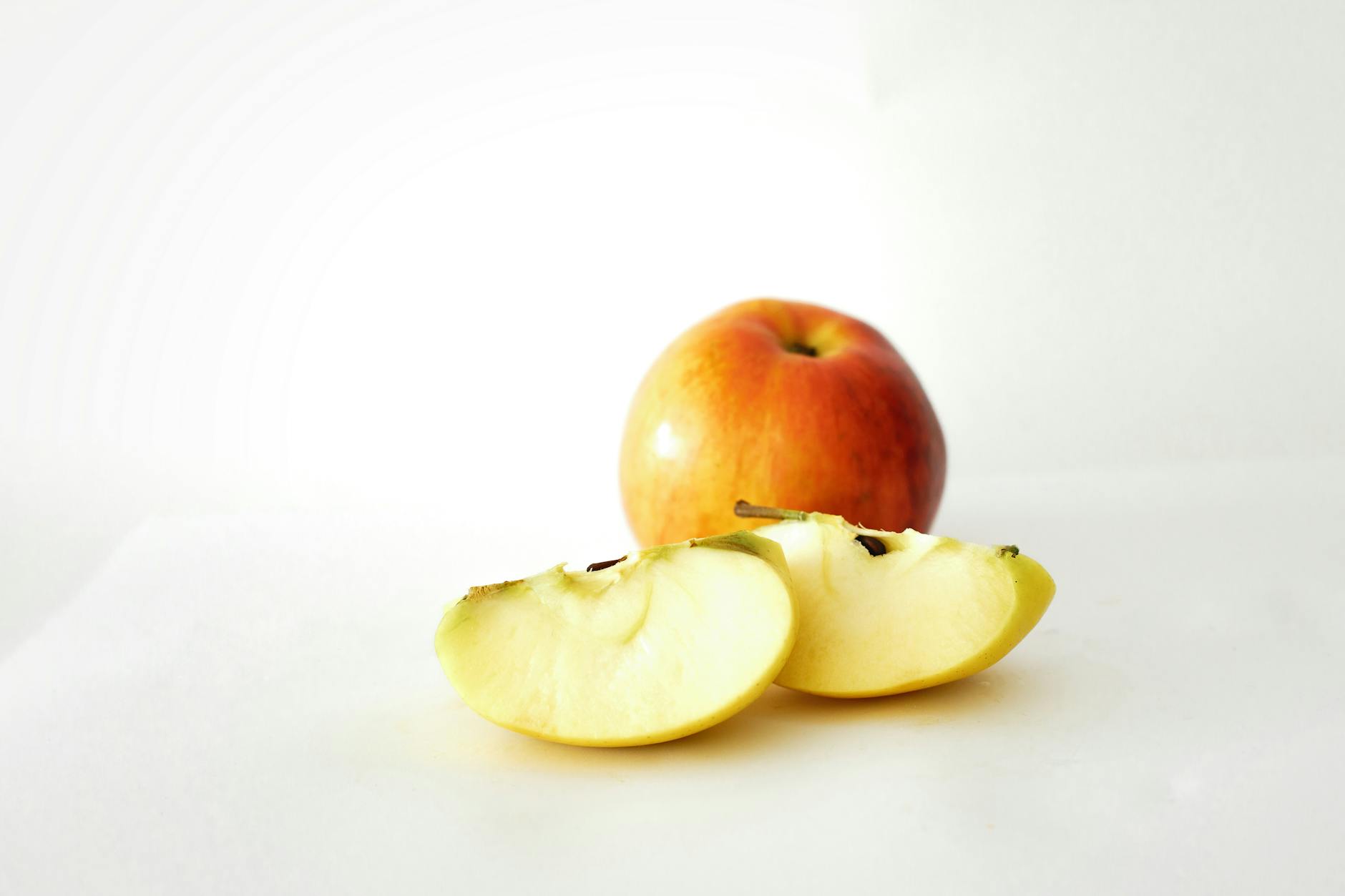
Cats can eat apples safely, but only in small amounts and with proper preparation. The flesh of an apple is non-toxic to cats and poses no serious health risk when offered as an occasional treat. However, the seeds, core, stem, and leaves of an apple contain cyanogenic glycosides — compounds that release cyanide when metabolized — and must always be removed before offering any piece to your cat. A healthy adult cat given a small cube of peeled apple flesh once or twice a week is unlikely to experience any ill effects. This article also covers which parts of the apple to avoid, how much is appropriate, and what to watch for if your cat shows unusual interest in fruit.
It is worth noting upfront that cats are obligate carnivores. Their digestive systems are not designed to process plant matter efficiently, and they lack the taste receptors that allow humans and dogs to detect sweetness. Most cats will show no interest in apples at all. If your cat does eat a small piece, it is not a crisis — but apples should never be a dietary staple or a frequent treat. The nutritional benefit to a cat from apple flesh is essentially zero, and the sugar content, while modest by human standards, is not ideal for a cat’s metabolism over time.
Table of Contents
- Are Apples Toxic to Cats — What Does “Safe” Actually Mean?
- What Parts of an Apple Can a Cat Eat?
- How Much Apple Is Appropriate for a Cat?
- How to Safely Prepare Apple for Your Cat
- What Are the Risks of Feeding Cats Apples Regularly?
- Do Cats Actually Like Apples?
- Apples in the Context of Broader Cat Nutrition
- Conclusion
- Frequently Asked Questions
Are Apples Toxic to Cats — What Does “Safe” Actually Mean?
The short answer is that apple flesh is considered non-toxic to cats by the ASPCA, while the seeds, stem, leaves, and core are listed as toxic due to cyanide-containing compounds. This distinction matters because many cat owners read “apples are safe for cats” and assume the entire fruit is fair game. It is not. A cat that chews through an apple core and ingests several seeds is in a meaningfully different situation than one that laps at a small peeled cube offered by hand. Cyanogenic glycosides in apple seeds convert to hydrogen cyanide in the body. A cat is much smaller than a human, so the threshold for a harmful dose is lower.
One or two seeds are unlikely to cause acute poisoning in a healthy adult cat, but repeated exposure or ingestion of a large number of seeds — say, from a cat that gets into a fruit bowl regularly — could accumulate into a genuine problem. Symptoms of cyanide toxicity in cats include dilated pupils, difficulty breathing, bright red gums, and in severe cases, shock. This is rare from apple seeds specifically, but it is not theoretical. A useful comparison here is grapes and raisins, which are genuinely toxic to cats (and dogs) even in small amounts. Apples do not carry that same systemic risk in the flesh itself — but they should not be treated as a free-for-all snack just because the toxicity ceiling is higher. “Safe if prepared correctly” is a more accurate framing than “safe.”.
What Parts of an Apple Can a Cat Eat?
The only part of an apple that is safe for a cat to eat is the peeled flesh. This means removing the skin, the core, all seeds, the stem, and any leaves before offering even a small piece. The skin is not toxic, but it is harder to digest and may carry pesticide residue if the apple has not been thoroughly washed or if it is not organic. Given that the peel offers no nutritional value to a cat, there is no reason to include it. The flesh itself is roughly 86 percent water, with small amounts of fiber, vitamin C, and natural sugars. None of these are particularly useful to a cat.
Cats synthesize their own vitamin C and do not require dietary supplementation. The fiber might occasionally help a cat with mild constipation, but there are better and more reliable ways to address that issue than feeding apple pieces. The water content is the only mildly useful aspect, and even that is better provided through wet food or a clean water source. However, if your cat is diabetic or overweight, even the flesh of an apple becomes a poor choice. The natural fructose in apple flesh can contribute to blood sugar spikes in cats with compromised glucose regulation. A diabetic cat should not be given apple under any circumstances without explicit guidance from a veterinarian. For healthy cats with no metabolic concerns, the occasional small piece of plain, peeled apple flesh is unlikely to cause harm — but the bar for including it in the diet at all remains low.
How Much Apple Is Appropriate for a Cat?
Portion size matters more than frequency when it comes to apple and cats. A single piece roughly the size of a fingernail clipping — perhaps a centimeter square — is sufficient as a treat. Offering more than that in a single sitting risks digestive upset, including loose stools or vomiting, simply because cats are not equipped to handle significant amounts of plant fiber or sugar in one go. Consider a domestic shorthair cat weighing around 10 pounds. Her daily caloric requirement is roughly 200 to 250 calories, almost all of which should come from protein and fat in a balanced cat food.
A single small cube of apple flesh is approximately 2 to 3 calories — a trivially small amount that does not displace meaningful nutrition if it truly is an occasional treat. But if an owner starts offering apple slices regularly, perhaps a few times a day because the cat seems to enjoy them, those small amounts of sugar begin to add up. Over weeks and months, this can contribute to weight gain or reinforce a pattern of begging for non-meat foods. The practical guideline is this: treats of any kind, including fruit, should not exceed 10 percent of a cat’s daily caloric intake. For most cats, that means the apple piece offered should be genuinely small — far smaller than what you might offer a dog or a child.

How to Safely Prepare Apple for Your Cat
Preparation is straightforward but should not be skipped. Start by washing the apple thoroughly under running water, even if it is organic, to remove surface residue. Peel the skin off entirely. Slice out the core and remove all seeds — do not just cut around the core and hope for the best, as seeds can be embedded near the edges. Cut the flesh into very small pieces, no larger than a centimeter square. Offer one piece at a time and observe your cat’s reaction.
Compared to preparing apple for a dog, the process is the same but the amount is considerably smaller. A medium-sized dog might be offered several slices; a cat should receive one small cube. This is not a comparison that favors cats getting more — it simply clarifies that what counts as “a small amount” differs significantly between species. A dog weighing 50 pounds and a cat weighing 10 pounds have very different thresholds for what their digestive systems can handle from a plant source. One tradeoff worth noting: if you are preparing an apple for yourself or your family, the leftover peel and core should be disposed of properly — not left on the counter where a curious cat might investigate. Cats are opportunistic explorers, and a countertop apple core is exactly the kind of thing that ends up being chewed when the owner is not watching.
What Are the Risks of Feeding Cats Apples Regularly?
The primary risks of regular apple feeding in cats are digestive disruption and inappropriate sugar intake. Even unsweetened apple flesh contains natural fructose that a cat’s liver processes differently than a human’s. Over time, consistent intake of fructose from fruit sources can contribute to hepatic lipidosis risk in overweight cats and to insulin dysregulation in cats predisposed to diabetes. A secondary concern is behavioral. Cats that are regularly offered human foods, including fruit, can become selective about their regular diet.
A cat that expects treats during meal preparation may begin refusing balanced cat food in anticipation of something more interesting. This is less of a health risk in the short term but can become a management problem — particularly in multi-cat households where one cat’s habits influence others. There is also a choking consideration for cats that tend to gulp food rather than chew carefully. A small piece of apple flesh is firm enough to present a mild choking risk if a cat swallows it whole. This is another reason to cut pieces very small and to stay present when offering any novel food. If a cat shows any sign of respiratory distress after eating, contact a veterinarian immediately.
Do Cats Actually Like Apples?
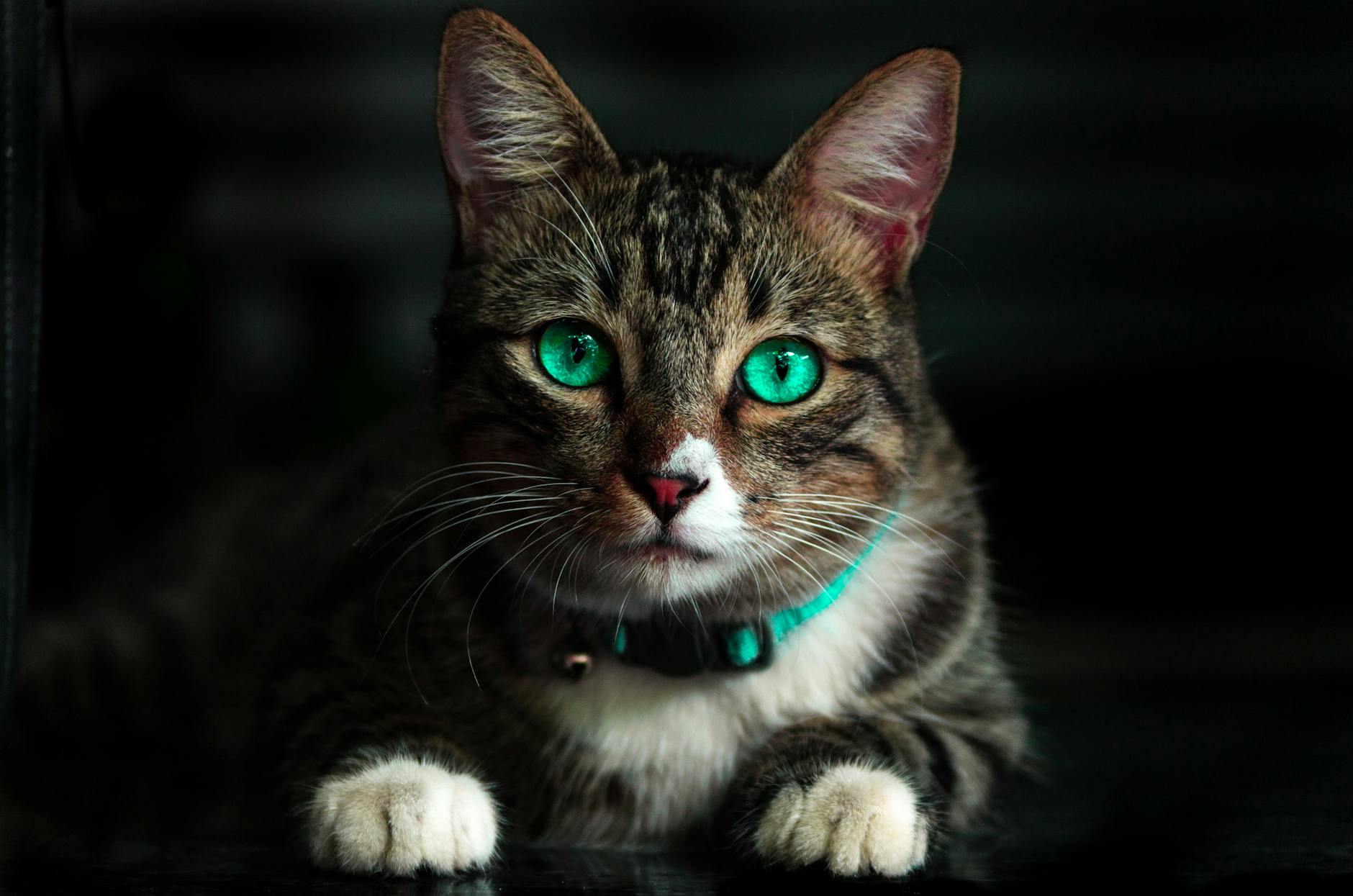
Most cats are indifferent to apples. Because cats lack functional sweet taste receptors — a trait linked to a gene mutation in obligate carnivores — the flavor profile of an apple holds no appeal the way it might for a dog or a human. The cats that do show interest in apple tend to be responding to the texture, the moisture, or simply the novelty of their owner offering something new.
There are anecdotal accounts of cats who persistently seek out fruit, including apples, but these cases are the exception rather than the rule. If your cat shows no interest in a piece of apple, that is the expected and entirely appropriate response. Do not encourage apple eating in a cat that has no interest — there is no health reason to introduce it.
Apples in the Context of Broader Cat Nutrition
As veterinary nutrition research continues to refine understanding of feline dietary needs, the consensus remains consistent: cats do best on diets built around animal protein, appropriate fat levels, and minimal carbohydrate. Fruit, including apple, sits well outside that framework. The conversation around cats and fruit is largely one of safety rather than benefit — confirming that something is not harmful is different from recommending it.
The growing interest in fresh and minimally processed pet foods has led some owners to explore fruit and vegetable additions to homemade cat diets. In these cases, working with a board-certified veterinary nutritionist is strongly advisable. A nutritionist can help ensure that any plant-based additions do not displace essential nutrients or create imbalances over time.
Conclusion
Cats can eat apple flesh safely when it is properly prepared — peeled, cored, seeded, and cut into small pieces. The key distinction is between the flesh, which is non-toxic, and the seeds, core, stem, and leaves, which contain compounds that are harmful and should always be discarded before any piece of apple gets near your cat. Even then, apple offers no meaningful nutritional value to an obligate carnivore, and most cats have no interest in it at all.
If your cat happens to eat a small piece of plain apple flesh, there is no need for alarm. Monitor for any unusual digestive symptoms and keep future offerings genuinely small and infrequent. If your cat ate apple seeds or showed any symptoms of distress after contact with apple plant material, contact your veterinarian. For most cats, the most appropriate role for an apple in their life is decorating your fruit bowl — not their food dish.
Frequently Asked Questions
My cat ate an apple seed. Should I be worried?
One or two apple seeds are unlikely to cause serious harm to a healthy adult cat, but you should monitor for symptoms including vomiting, lethargy, difficulty breathing, or unusual behavior. If you are unsure how many seeds were consumed or if your cat is showing any symptoms, contact your veterinarian.
Can kittens eat apples?
It is best to avoid offering apple to kittens. Their digestive systems are still developing and are more sensitive to unfamiliar foods. Stick to a veterinarian-recommended kitten diet and introduce any treats only after confirming they are appropriate for the kitten’s age and size.
Can I give my cat unsweetened applesauce?
No. Even unsweetened commercial applesauce often contains additives, preservatives, or xylitol — an artificial sweetener that is toxic to cats. Homemade unsweetened applesauce without additives is technically less dangerous but still offers no benefit to a cat and can cause digestive upset. It is not recommended.
Is apple juice safe for cats?
No. Apple juice, even 100 percent juice with no added sugar, contains concentrated fructose and should not be given to cats. It offers no nutritional value and adds unnecessary sugar to their diet.
My cat seems obsessed with apples. Is this normal?
It is uncommon but not unheard of. Some cats are attracted to the texture or smell of certain fruits. If your cat persistently seeks out apples, ensure fruit is stored out of reach and consult your vet if the behavior seems compulsive — it may be worth ruling out nutritional deficiencies or other underlying issues.