Corn is generally safe for cats to eat in small amounts, but it offers very little nutritional value for an obligate carnivore. A few kernels of plain, cooked corn as an occasional treat will not harm most healthy cats, though it should never become a regular part of their diet. Cats lack the digestive enzymes to efficiently break down plant-based carbohydrates the way humans or dogs can, so corn passes through their system without delivering much benefit.
If your cat snags a piece of corn off your plate at a summer barbecue, there is no need to panic, but there is also no reason to intentionally offer it. What this article covers goes well beyond a simple yes or no. We will look at why corn appears in so many commercial cat foods despite being nutritionally marginal for felines, the specific risks of different corn preparations like popcorn and corn on the cob, signs of corn allergies or intolerances, and how corn stacks up against other vegetables cat owners sometimes offer. Whether your cat is a curious nibbler or you are evaluating ingredient labels on cat food, this guide lays out the practical details you actually need.
Table of Contents
- Can Cats Eat Corn Without Getting Sick?
- Why Corn Appears in Commercial Cat Food Despite Being a Filler
- The Specific Risks of Popcorn, Corn Cobs, and Corn-Based Snacks
- How Corn Compares to Other Vegetables Cats Might Encounter
- Corn Allergies and Intolerances in Cats
- Corn and Kittens — Extra Caution Needed
- The Broader Trend in Feline Nutrition and Where Corn Fits
- Conclusion
- Frequently Asked Questions
Can Cats Eat Corn Without Getting Sick?
Most cats can eat a small amount of plain, cooked corn without any immediate health consequences. The kernels are not toxic, and a cat who eats two or three pieces is unlikely to vomit, have diarrhea, or show any adverse reaction. This stands in contrast to genuinely dangerous human foods like onions, garlic, grapes, and chocolate, which can cause organ damage even in small doses. Corn simply is not in that category. The reason corn does not cause acute illness is that it is mostly starch, water, and a small amount of fiber. None of these components are poisonous to cats.
However, “not poisonous” and “good for them” are very different things. A useful comparison is white rice: also not toxic, also digestible in small quantities, but also essentially empty calories for an animal whose body is designed to run on animal protein and fat. A cat fed corn regularly in place of proper nutrition will develop deficiencies over time, particularly in taurine, an amino acid cats cannot synthesize and must get from meat. One important caveat applies to cats with sensitive stomachs or inflammatory bowel disease. For these cats, even a small amount of corn can trigger gastrointestinal upset, including vomiting and loose stools. If your cat has a history of digestive problems, skip the corn entirely and stick with treats specifically formulated for sensitive systems.
Why Corn Appears in Commercial Cat Food Despite Being a Filler
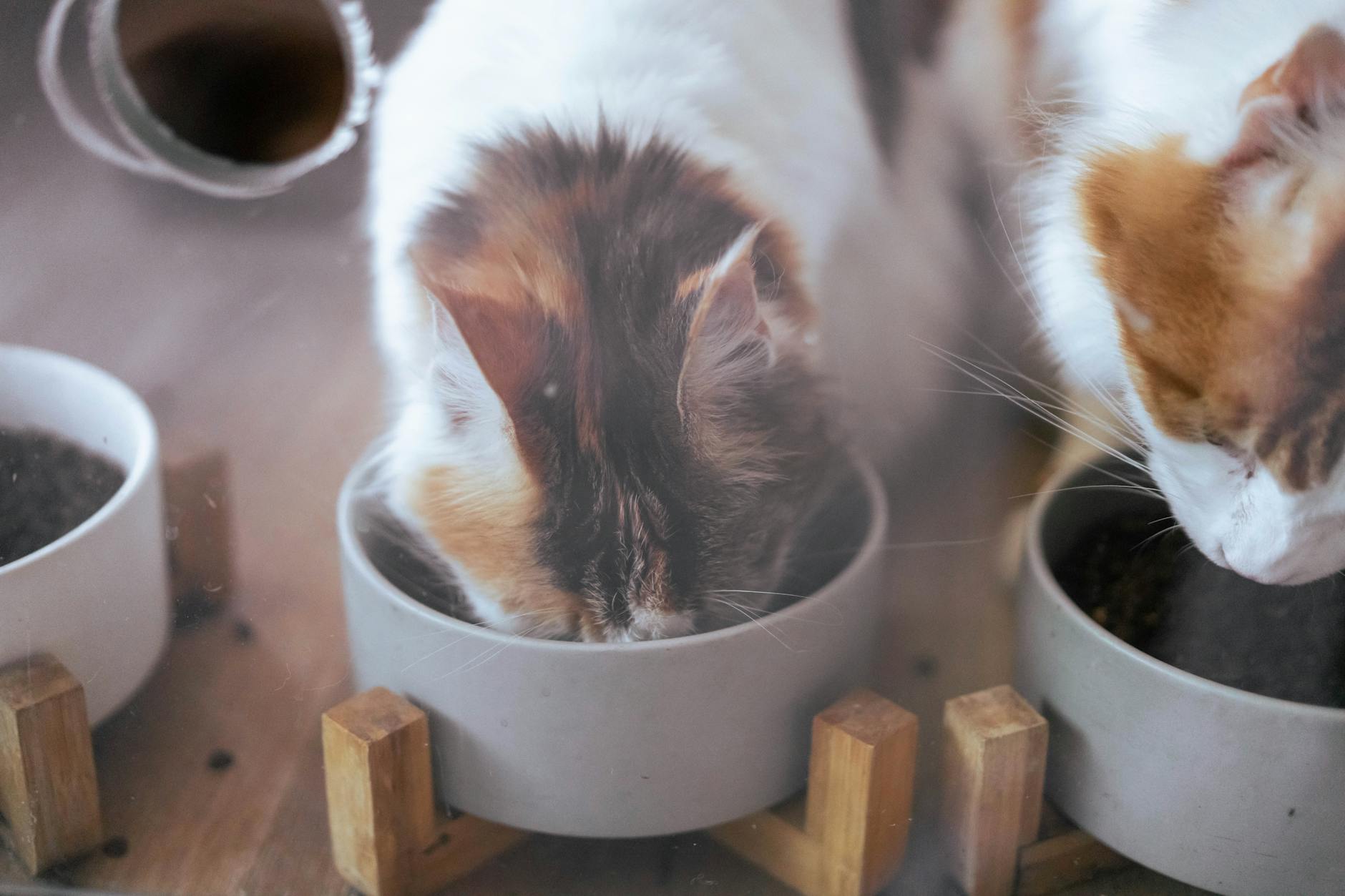
Walk down the cat food aisle and you will find corn, corn gluten meal, or ground yellow corn listed on an enormous number of labels, including some expensive brands. This is not because pet food manufacturers believe corn is ideal feline nutrition. It is because corn is cheap, shelf-stable, and provides a binding texture that holds kibble together during the extrusion process. From a manufacturing standpoint, corn is a practical ingredient. From a feline nutrition standpoint, it is a compromise. Pet food companies often defend corn by pointing out that it provides some protein. This is technically true but misleading.
Corn gluten meal contains around 60 percent protein by weight, which looks impressive on paper. The problem is that this is plant protein, and cats have limited ability to utilize it. Cats require specific amino acids like taurine and arginine that are found almost exclusively in animal tissue. A cat food that derives a significant portion of its protein from corn is not meeting feline nutritional needs the same way a meat-based formula would, even if the guaranteed analysis panel shows similar protein percentages. However, if your cat is eating a commercial food that meets AAFCO standards and lists corn among its ingredients, that does not automatically mean you need to switch brands. AAFCO-compliant foods must meet minimum nutritional thresholds regardless of ingredient source, and most cats on mainstream commercial diets do fine. The concern becomes more serious when corn or corn derivatives occupy the first two or three spots on the ingredient list, which signals that the formula leans heavily on plant material to hit its protein targets.
The Specific Risks of Popcorn, Corn Cobs, and Corn-Based Snacks
Plain cooked kernels are one thing, but the way most people actually eat corn introduces additional hazards for cats. Popcorn, for instance, is frequently loaded with butter, salt, and artificial flavorings. A cat who eats several pieces of heavily buttered and salted popcorn is ingesting far too much sodium and fat for its body size. Excess sodium can strain the kidneys, and high-fat foods can trigger pancreatitis, a painful and potentially life-threatening inflammation of the pancreas. Plain, air-popped popcorn without any toppings is safer, but the irregular shape and hard hull fragments pose a choking risk, especially for smaller cats. Corn on the cob is arguably the most dangerous form.
Cats who chew on a cob can break off chunks that are too large to pass through the gastrointestinal tract, creating a potential intestinal blockage. A blockage is a veterinary emergency requiring surgical intervention, and the symptoms, which include repeated vomiting, refusal to eat, lethargy, and abdominal pain, can escalate quickly. One veterinary clinic in Ohio reported treating three cats in a single summer for corn cob obstructions, all from backyard cookouts where cobs were left unattended on plates or in open trash cans. Corn-based snack foods like corn chips, tortilla chips, and cheese puffs add yet another layer of risk. These products contain garlic powder, onion powder, and other seasonings that are genuinely toxic to cats. Even small amounts of garlic and onion can damage feline red blood cells, leading to a condition called Heinz body anemia. The rule of thumb is simple: if the corn has been processed into a human snack food, keep it away from your cat entirely.

How Corn Compares to Other Vegetables Cats Might Encounter
Cat owners who want to offer the occasional vegetable treat have better options than corn. Steamed plain pumpkin, for example, is often recommended by veterinarians as a digestive aid because its soluble fiber can help with both constipation and mild diarrhea. A teaspoon of plain canned pumpkin (not pie filling, which contains sugar and spices) provides functional benefit that corn simply does not. Cooked carrots and green beans are two other vegetables that cats tolerate reasonably well and that offer slightly more nutritional value than corn. Carrots provide beta-carotene, and green beans offer fiber with very few calories, which can be useful for overweight cats when mixed in small amounts with regular food.
Corn, by comparison, is higher in sugar and starch relative to these alternatives, making it the least useful option among commonly offered vegetables. The tradeoff worth considering is that some cats are simply more interested in corn than in other vegetables. Cats are individuals, and if yours is fascinated by corn and indifferent to pumpkin, forcing the “better” option is not worth the effort. The real priority is that treats of any kind, vegetables included, should make up no more than 10 percent of your cat’s daily caloric intake. For an average 10-pound indoor cat eating roughly 200 calories per day, that means treats should total no more than 20 calories, which is about one tablespoon of corn kernels.
Corn Allergies and Intolerances in Cats
True food allergies in cats are less common than many pet owners assume, but they do occur, and corn is among the known allergens. A corn allergy involves an immune system response, while an intolerance is a digestive issue without immune involvement. Both can produce similar visible symptoms: itchy skin, excessive grooming, hair loss (particularly around the head and neck), vomiting, and chronic diarrhea. Distinguishing between the two typically requires a veterinary elimination diet trial lasting eight to twelve weeks. The limitation of diagnosing corn allergy specifically is that most commercial cat foods contain multiple potential allergens, including chicken, beef, fish, dairy, wheat, and soy alongside corn.
Pinpointing corn as the culprit requires feeding an entirely novel protein diet, one the cat has never been exposed to, and then reintroducing ingredients one at a time. This process is time-consuming and requires strict compliance, meaning no treats, table scraps, or flavored medications during the trial period. Blood tests marketed as food allergy panels for pets have been widely criticized by veterinary dermatologists as unreliable, so the elimination diet remains the gold standard. If your cat is diagnosed with a corn allergy or intolerance, you will need to read ingredient labels carefully. Corn derivatives appear under many names: corn gluten meal, cornstarch, corn syrup, maize, and zein. Some prescription hypoallergenic diets use hydrolyzed proteins that break down allergens below the threshold that triggers an immune response, which can be an effective solution for cats with multiple food sensitivities.
Corn and Kittens — Extra Caution Needed
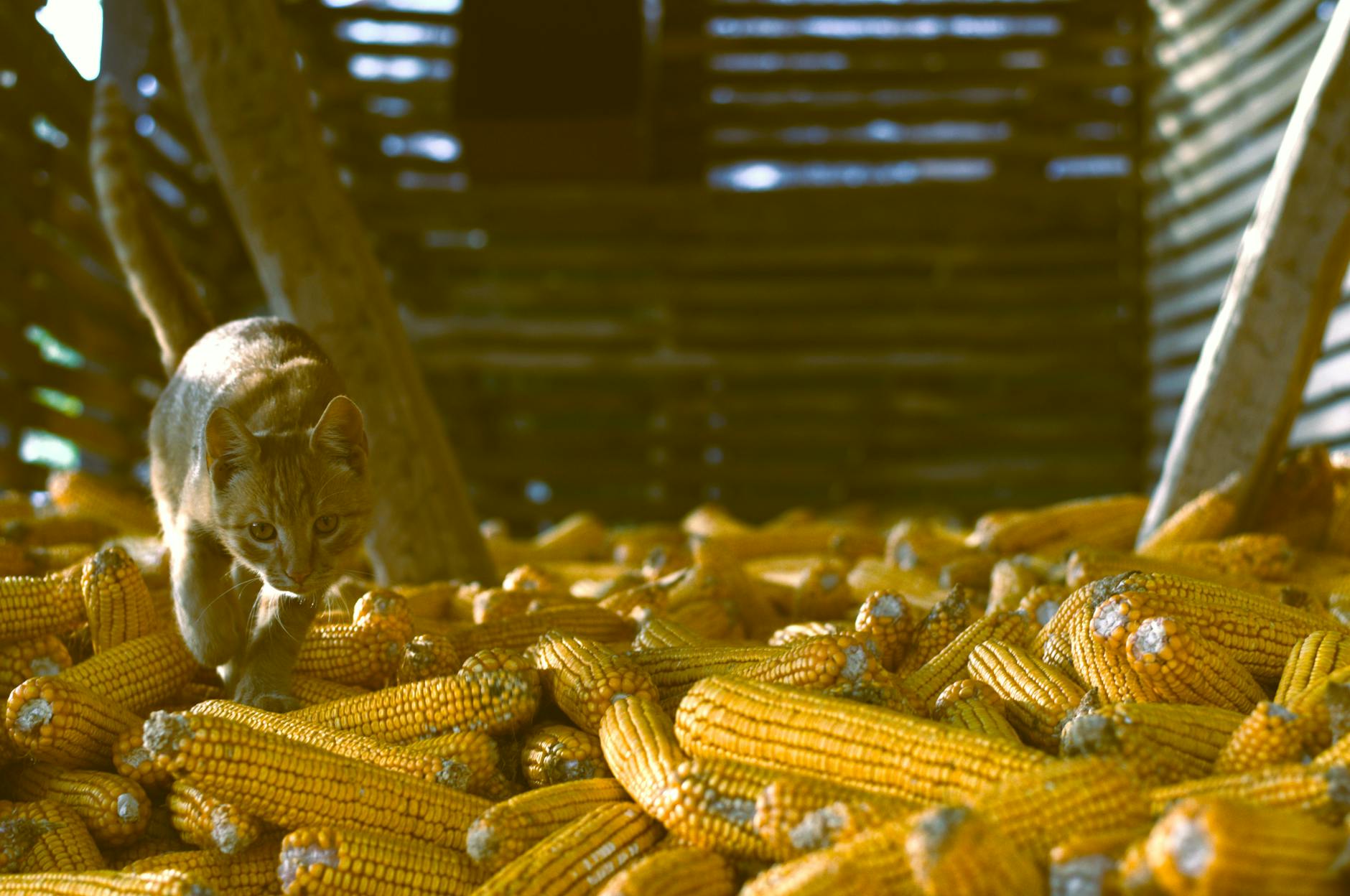
Kittens have more sensitive digestive systems than adult cats and higher nutritional demands per pound of body weight. Offering corn to a kitten is inadvisable not because of toxicity but because it displaces the nutrient-dense food a growing cat desperately needs. A kitten who fills up on corn kernels is consuming calories without adequate protein, fat, taurine, or calcium, all of which are critical during the first year of life for proper muscle development, vision, heart function, and bone growth.
A practical example illustrates the problem: a 12-week-old kitten weighing two pounds needs approximately 120 to 130 calories per day from a diet containing at least 30 percent protein on a dry matter basis. One tablespoon of corn kernels provides roughly 15 to 20 calories but less than one gram of usable animal protein. That single tablespoon just consumed 12 to 15 percent of the kitten’s daily caloric budget while contributing almost nothing to its actual nutritional requirements.
The Broader Trend in Feline Nutrition and Where Corn Fits
The pet food industry has been shifting gradually toward higher-protein, lower-carbohydrate formulations for cats, driven by growing awareness of feline obligate carnivore biology. Grain-free diets surged in popularity during the 2010s, though the FDA’s investigation into a possible link between grain-free dog foods and dilated cardiomyopathy complicated that trend. For cats specifically, the cardiomyopathy concern has not been substantiated in the same way, and many veterinary nutritionists continue to advocate for diets that prioritize animal protein over plant fillers like corn.
Looking ahead, the conversation is moving beyond simply whether corn is “safe” or “unsafe” and toward a more nuanced understanding of optimal feline nutrition across different life stages. Advances in pet food formulation are producing options that balance cost, palatability, and species-appropriate nutrition more effectively than a decade ago. For individual cat owners, the practical takeaway remains straightforward: feed a balanced, AAFCO-compliant diet with animal protein as the primary ingredient, and treat corn as what it is for cats, a harmless but nutritionally insignificant afterthought that belongs at the margins of the food bowl, not the center.
Conclusion
Corn is not dangerous for most cats in small, occasional amounts, but it is also not beneficial. Plain cooked kernels are the only form that is reasonably safe to offer, and even then, the nutritional return is negligible for an animal whose biology demands meat-based protein and fat. The riskier forms of corn, including popcorn with toppings, corn on the cob, and corn-based snack foods, introduce choking hazards, toxic seasonings, and the potential for intestinal blockages that can require emergency surgery.
The most practical approach is to focus your cat’s diet on high-quality commercial food formulated to meet AAFCO standards, with animal protein listed as the first ingredient. If your cat occasionally steals a kernel or two off your dinner plate, do not worry about it. But there is no reason to go out of your way to add corn to a cat’s diet, and for kittens, cats with digestive sensitivities, or cats with known food allergies, it is best avoided entirely. When in doubt about any food, a quick call to your veterinarian is always the smartest first step.
Frequently Asked Questions
Can cats eat canned corn?
Canned corn is not toxic, but it typically contains added salt and sometimes sugar, both of which are unnecessary and potentially harmful in excess for cats. If you do offer canned corn, rinse it thoroughly to reduce the sodium content, and limit it to just a few kernels.
Will corn help my cat with hairballs?
There is no evidence that corn helps with hairball management. The fiber content in corn is modest and not the right type to effectively move hair through the digestive tract. Purpose-made hairball remedies or a small amount of plain pumpkin are more effective options.
My cat keeps trying to eat corn on the cob. How do I stop this?
The simplest solution is to never leave corn cobs unattended around your cat. Dispose of cobs in a trash can with a secure lid immediately after eating. Cats are persistent when they want something, and relying on verbal corrections is rarely effective once they have fixated on a food item.
Is cornstarch in cat food a concern?
Cornstarch is used as a thickener and binder in some wet cat foods. In the small amounts typically present, it is not a health concern for most cats. However, if your cat has a diagnosed corn allergy, you should avoid all corn derivatives including cornstarch.
Can corn cause urinary problems in cats?
Corn itself does not directly cause urinary crystals or stones. However, diets very high in plant-based ingredients and low in animal protein can alter urinary pH in ways that may contribute to crystal formation in predisposed cats. This is more of an overall diet composition issue than a corn-specific problem.