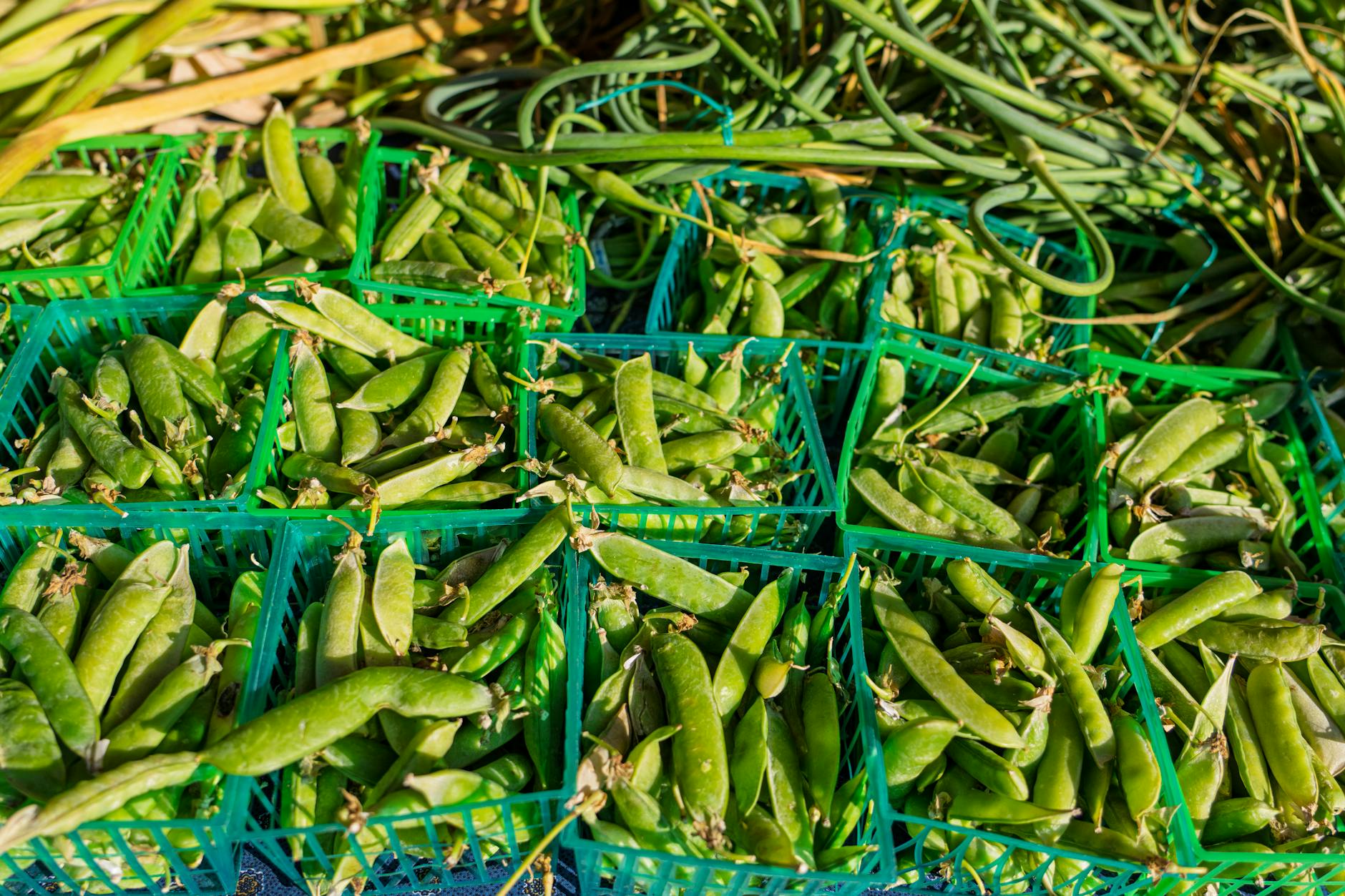
Yes, cats can eat peas safely in small amounts. Plain green peas, whether fresh, frozen, or cooked without seasoning, are non-toxic to cats and can even offer modest nutritional benefits like fiber, vitamins A and C, and plant-based protein. If your cat snags a pea off your dinner plate or you toss one across the kitchen floor as a toy-turned-snack, there is no reason to panic. Many commercial cat foods already include peas as an ingredient, which speaks to their general safety for feline consumption.
That said, peas should never become a dietary staple or replace meat-based nutrition. Cats are obligate carnivores, meaning their bodies are designed to derive essential nutrients from animal protein. A few peas here and there work as an occasional treat, but loading up your cat’s bowl with them can lead to digestive upset and nutritional gaps. A reasonable guideline is keeping peas to no more than five to ten percent of your cat’s daily caloric intake. This article covers the specific nutrients peas offer cats, how to prepare them properly, which types of peas to avoid, potential digestive concerns, and how peas compare to other cat-safe vegetables.
Table of Contents
- Are Peas Actually Nutritious for Cats, or Just a Filler?
- How to Prepare Peas for Your Cat Without Causing Problems
- Which Types of Peas Should Cats Avoid?
- How Do Peas Compare to Other Vegetables Cats Can Eat?
- When Peas Might Cause Health Concerns in Cats
- Using Peas as a Training Treat or Enrichment Tool
- What the Growing Interest in Plant-Based Pet Nutrition Means for Cat Owners
- Conclusion
- Frequently Asked Questions
Are Peas Actually Nutritious for Cats, or Just a Filler?
Peas do contain nutrients that can benefit cats in limited quantities. A small serving of green peas provides dietary fiber, which can support healthy digestion, along with vitamins A, C, K, and several B vitamins. They also contain minerals like iron, manganese, and potassium. For a cat that occasionally struggles with constipation, the fiber content in a few peas might offer mild relief, though this should not replace veterinary advice for chronic digestive issues. However, the nutritional value of peas for cats is often overstated. Unlike humans, cats cannot efficiently extract all the nutrients from plant matter.
Their shorter digestive tracts and lack of certain enzymes mean that much of the vitamin C in peas, for example, is redundant since cats synthesize their own vitamin C internally. The plant-based protein in peas is also incomplete from a feline perspective. Cats require taurine, arachidonic acid, and other nutrients found exclusively in animal tissue. So while peas are not nutritionally empty, they are far from a superfood for your cat. It is worth noting that many premium and budget cat food brands alike use peas as a binding agent or carbohydrate source in their formulas. This is particularly common in grain-free cat foods, where peas and other legumes replace corn or wheat. The presence of peas in commercial food confirms their safety but also highlights that they function more as filler than as a critical nutrient source.
How to Prepare Peas for Your Cat Without Causing Problems
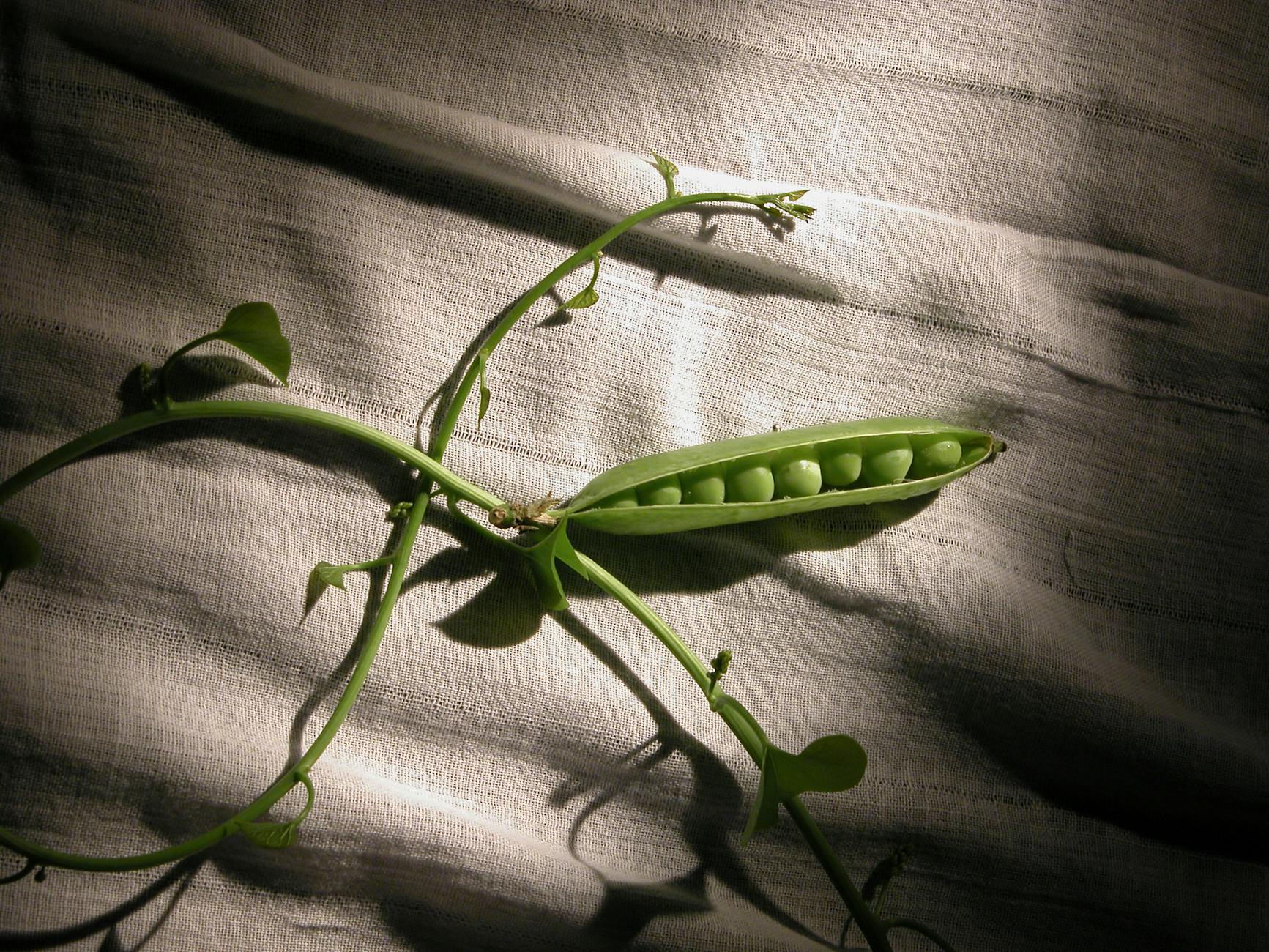
The safest way to serve peas to a cat is plain and simple. Fresh or frozen peas that have been steamed, boiled, or microwaved without any added salt, butter, garlic, onion, or seasoning are ideal. Mashing or lightly crushing the peas can make them easier for your cat to chew and digest, especially for kittens or older cats with dental issues. Some cat owners blend a couple of peas into their cat’s wet food as a way to add fiber without changing the meal’s texture dramatically. However, if your cat has a history of gastrointestinal sensitivity or inflammatory bowel disease, introducing peas should be done cautiously. Start with just one or two peas and observe your cat over twenty-four hours for signs of gas, bloating, vomiting, or diarrhea.
Cats with these conditions can react poorly to the lectins and oligosaccharides found in legumes, which ferment in the gut and produce gas. If your cat shows any adverse reaction, peas should be removed from the menu entirely. Canned peas are a common pantry item, but they are generally a poor choice for cats. Most canned peas contain significant amounts of added sodium, and some brands include preservatives or flavor enhancers that are not appropriate for feline consumption. A single serving of canned peas can contain over 300 milligrams of sodium, and cats require only about 21 milligrams of sodium per day. The excess salt can strain their kidneys over time, particularly in cats already prone to renal issues.
Which Types of Peas Should Cats Avoid?
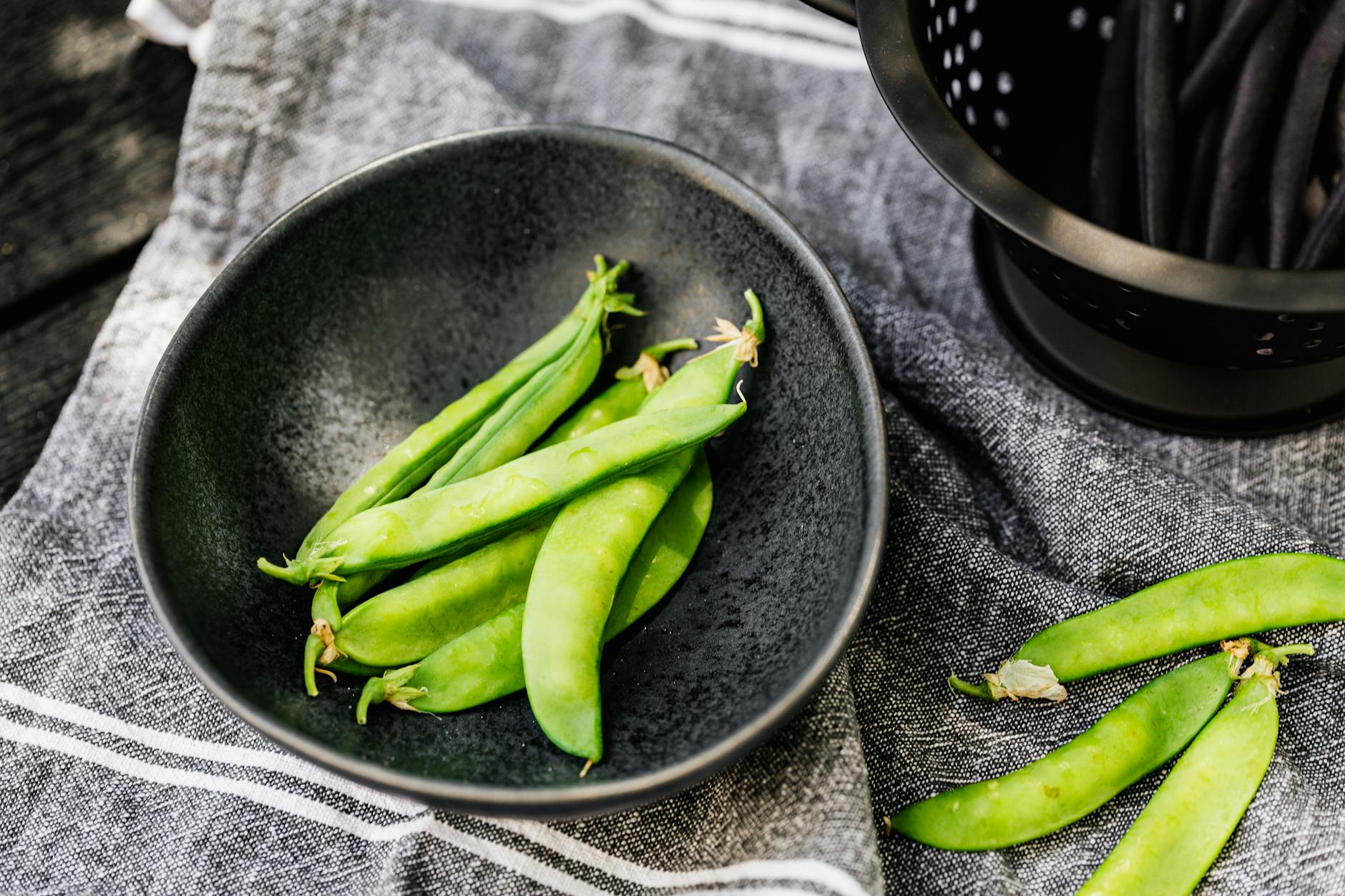
Not all peas are created equal when it comes to feline safety. Standard green garden peas are the safest option. Snow peas and sugar snap peas, while not toxic, present a choking risk due to their pods and fibrous strings. If you choose to offer snap peas, remove the pod entirely and only give the peas inside. The pod itself is tough for cats to break down and can cause intestinal blockage in rare cases, particularly in smaller breeds or kittens. Wasabi peas, flavored peas, and dried pea snacks marketed for human consumption should never be given to cats.
These products contain high levels of salt, spices, garlic powder, and artificial flavorings that are harmful to cats. Garlic and onion powder, common in seasoned pea snacks, are genuinely toxic to cats and can cause oxidative damage to red blood cells even in small amounts. A cat that consumes garlic-seasoned peas might not show symptoms immediately, but repeated exposure can lead to Heinz body anemia, a serious condition requiring veterinary intervention. Raw peas straight from the garden are technically safe but harder for cats to digest than cooked ones. The outer skin of a raw pea is tougher, and uncooked legumes contain higher concentrations of anti-nutritional factors like phytic acid, which can interfere with mineral absorption. If your cat eats a raw pea off the floor, there is no emergency, but cooking peas before serving them intentionally is the better practice.
How Do Peas Compare to Other Vegetables Cats Can Eat?
When it comes to safe vegetables for cats, peas fall somewhere in the middle of the pack. Steamed carrots offer similar fiber benefits with a slightly lower risk of gas, making them a gentler option for cats with sensitive stomachs. Pumpkin, specifically plain canned pumpkin without spices, is widely regarded by veterinarians as the gold standard for feline fiber supplementation because of its palatability and digestive benefits. Compared to pumpkin, peas are slightly higher in protein but also more likely to cause flatulence. On the other hand, peas are safer than several vegetables that cat owners sometimes offer without realizing the risks. Broccoli and cauliflower, while technically non-toxic, cause significantly more gas and bloating than peas do. Corn is a common allergen in cats and offers almost no nutritional benefit.
And certain vegetables that seem harmless, like onions, garlic, chives, and leeks, are outright toxic and should never be anywhere near a cat’s food. Peas sit comfortably in the safe category alongside options like zucchini, cucumber, and cooked green beans. The tradeoff with peas versus other vegetables ultimately comes down to your individual cat’s tolerance and preferences. Some cats will bat a pea around the floor for ten minutes before eating it, treating it as both entertainment and snack. Others will sniff it once and walk away. Unlike dogs, cats rarely develop strong enthusiasm for vegetables, so finding one your cat accepts at all can be a small victory. If peas work for your cat without digestive issues, there is no strong reason to switch to a different vegetable treat.
When Peas Might Cause Health Concerns in Cats
One issue that has drawn attention in veterinary circles is the potential link between legume-heavy diets and dilated cardiomyopathy in pets. The FDA investigated reports of DCM in dogs fed grain-free diets that relied heavily on peas, lentils, and potatoes as primary ingredients. While most of these cases involved dogs rather than cats, and the FDA’s investigation did not establish a definitive causal link, the concern has not been fully resolved. Feeding peas as an occasional treat is very different from feeding a diet where peas are a main ingredient, and the distinction matters. Cats with kidney disease deserve special caution. Peas contain moderate levels of phosphorus, and cats with compromised kidney function need to limit phosphorus intake to slow disease progression.
A few peas occasionally are unlikely to cause measurable harm, but regularly supplementing meals with peas could contribute to elevated phosphorus levels over time. If your cat has been diagnosed with chronic kidney disease or is in a high-risk category, consult your veterinarian before introducing any new foods, including peas. Diabetic cats present another consideration. Peas contain carbohydrates, and while the glycemic impact of a few peas is minimal, cats with diabetes are typically managed on strict low-carbohydrate diets. Adding carbohydrate-containing treats, even healthy ones like peas, can complicate blood sugar management. For diabetic cats, stick to the diet your veterinarian has prescribed and avoid freelancing with supplemental foods.
Using Peas as a Training Treat or Enrichment Tool
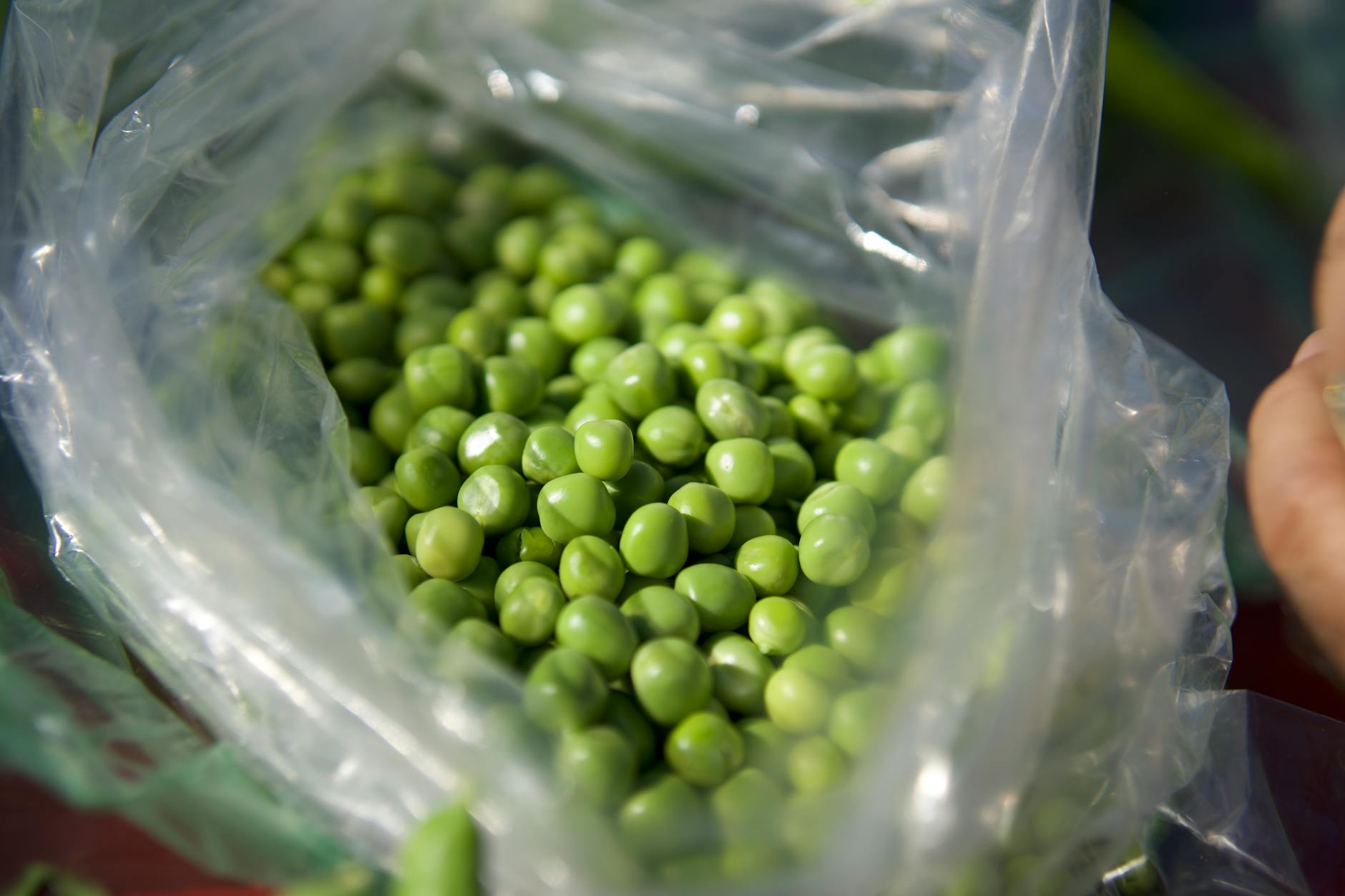
Some cat owners have found creative success using peas as low-calorie training treats or enrichment tools. Because a single green pea contains roughly one to two calories, it is a far lighter option than most commercial cat treats, which can run five to ten calories each. For overweight cats on a calorie-restricted diet, peas can serve as a reward during clicker training sessions without significantly adding to the daily caloric total.
One practical approach is freezing peas and rolling them across a hard floor, which engages a cat’s prey drive as they chase the sliding object before eating it. Puzzle feeders loaded with a mix of kibble and a few peas can also add variety to mealtime enrichment. The different texture and shape of peas compared to standard kibble forces the cat to work slightly harder, providing mental stimulation. This is especially useful for indoor cats that lack the environmental variety of outdoor life and benefit from any added complexity in their daily routine.
What the Growing Interest in Plant-Based Pet Nutrition Means for Cat Owners
The pet food industry has seen a noticeable trend toward incorporating more plant-based ingredients, driven partly by sustainability concerns and partly by consumer demand for grain-free and novel protein formulas. Peas, chickpeas, and lentils have become staple ingredients in many of these formulations. For cat owners navigating this landscape, the key takeaway is that these ingredients are acceptable as part of a balanced, meat-based diet but should never form the foundation of feline nutrition.
Researchers continue to study the long-term effects of legume-inclusive diets on cats and dogs. Until clearer guidance emerges, the most prudent approach is to choose cat foods where animal protein is the first ingredient and where peas or other legumes play a supporting role rather than a starring one. Treat peas as what they are for cats: a harmless, mildly beneficial snack that adds a bit of variety but cannot replace the meat-centric diet that feline biology demands.
Conclusion
Cats can eat plain, cooked peas safely as an occasional treat. They offer some fiber, vitamins, and minerals, and they carry minimal risk for most healthy cats when served without seasonings, salt, or sauces. The key is moderation. A few peas mixed into food or offered as a low-calorie snack will not harm your cat and might even provide a small nutritional boost and some mealtime variety. The important boundaries to remember are straightforward.
Avoid seasoned, canned, or flavored peas. Do not use peas as a meal replacement or primary food source. Be cautious with cats that have kidney disease, diabetes, or gastrointestinal sensitivity. And keep peas as a supplement to a balanced, meat-first diet rather than a centerpiece of it. When in doubt about any new food, a quick conversation with your veterinarian is always the safest first step.
Frequently Asked Questions
Can kittens eat peas?
Kittens can eat a small amount of mashed or pureed cooked peas, but their nutritional needs are heavily focused on high-protein, high-fat kitten food during their growth phase. Peas should not be introduced until a kitten is at least twelve weeks old and already eating solid food comfortably. Even then, limit it to a pea or two at most.
How many peas can I give my cat at once?
For an average-sized adult cat weighing around ten pounds, three to five peas per serving is a reasonable amount. This keeps the treat well within the guideline of treats comprising no more than ten percent of daily calories. Larger cats can handle a few more, but there is no benefit to pushing the quantity higher.
Will peas make my cat gassy?
They can. Peas contain oligosaccharides, a type of carbohydrate that ferments in the digestive tract and produces gas. Most cats tolerate a few peas without noticeable flatulence, but cats with sensitive stomachs may experience bloating or gas. If this happens, reduce the amount or stop offering peas altogether.
Can cats eat split peas or dried peas?
Dried and split peas should be fully cooked before offering them to a cat. Uncooked dried peas are extremely hard and pose a choking hazard, and they contain higher levels of anti-nutritional compounds. Once cooked and served plain, split peas are safe in the same small quantities as regular green peas.
Are peas better than commercial cat treats?
Peas are lower in calories and free from artificial additives, which gives them an edge over many commercial treats from a health perspective. However, commercial treats formulated for cats often contain added taurine and other feline-specific nutrients. The best approach is to use peas as one option in a rotation rather than a complete replacement for purpose-made cat treats.